Static Estimation of Vista-Space Egocentric Distance with Iterative Feedback: A Cognitive–Perceptual Task
Constantin Ciucurel, Elena Ioana Iconaru

TL;DR
This study shows how repeated feedback helps people better estimate large distances, but some biases remain.
Contribution
A mobile-based method for studying iterative feedback in egocentric distance estimation is proposed.
Findings
Iterative feedback reduces perceptual error and increases estimation efficiency.
Distance compression bias persists despite feedback, with underestimation increasing at farther distances.
Cognitive load and correction effort rise with target distance, as shown by higher attempts and varied trial durations.
Abstract
Accurate egocentric distance estimation in vista space depends on the interaction between perceptual encoding and cognitive recalibration. This study examined how iterative, feedback-based learning modulates spatial accuracy, perceptual bias, and task efficiency in large-scale environments. A total of 133 participants (mean age = 26.3 ± 7.44 years) performed distance estimations on three outdoor targets (134 m, 575 m, 1463 m) using a mobile web application providing immediate corrective feedback (too short/too long). Six variables were analyzed: first estimate (FE), error of first estimate (EFE), mean estimate (ME), error of mean estimate (EME), number of attempts (NAs), and trial duration (TD). Given the non-normal data distribution, nonparametric tests were applied (Friedman and Wilcoxon signed-rank tests with Bonferroni correction). All variables showed significant within-subject…
Click any figure to enlarge with its caption.
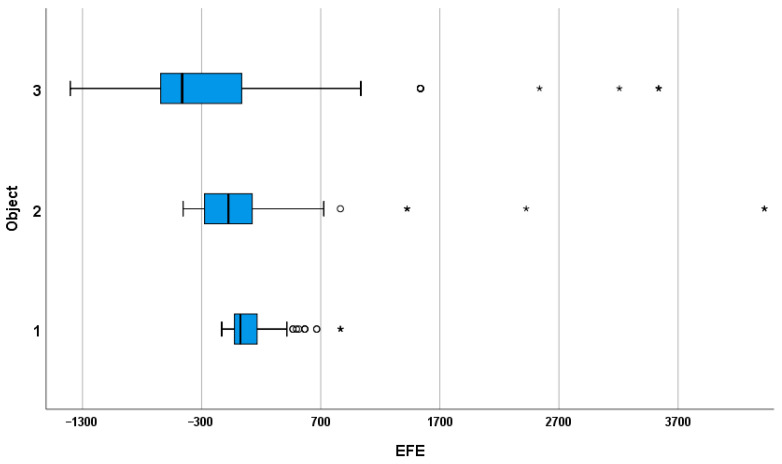 Figure 1
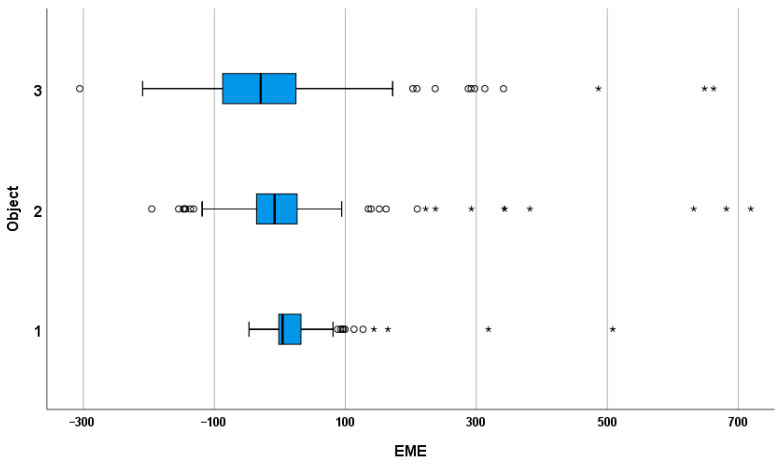 Figure 2
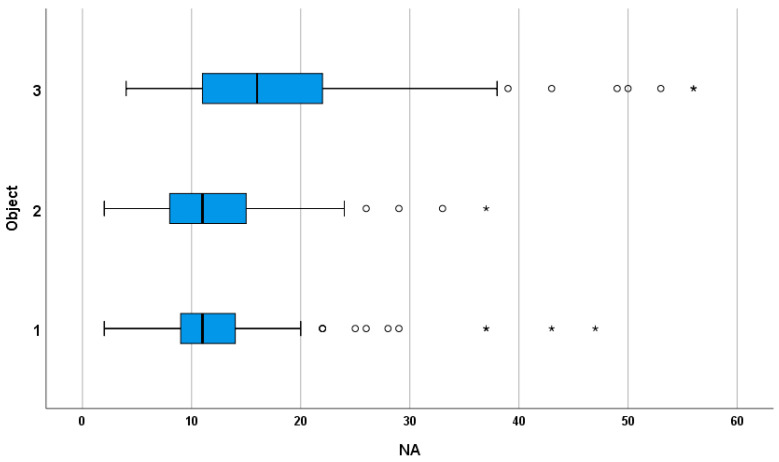 Figure 3
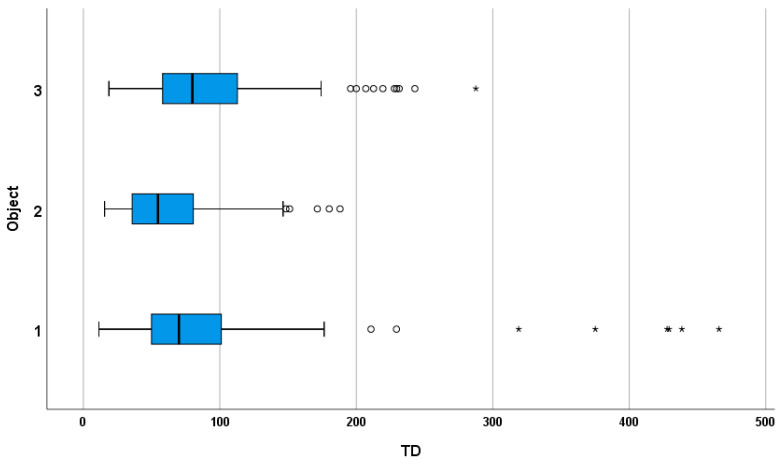 Figure 4
Peer Reviews
No public reviews on file for this paper yet. If you reviewed it on a platform where reviews are public (OpenReview, ICLR, NeurIPS, ICML), you can paste yours below so the community can read it here.
Videos
No videos yet. Explain this paper in a talk, walkthrough, or lecture? Add one.
Taxonomy
TopicsSpatial Cognition and Navigation · Tactile and Sensory Interactions · Visual perception and processing mechanisms