A Composite Material Repair Structure: For Defect Repair of Branch Pipe Fillet Welds in Oil and Gas Pipelines
Liangshuo Zhao, Yingjie Qiao, Zhongtian Yin, Bo Xie, Bangyu Wang, Jingxue Zhou, Siyu Chen, Zheng Wang, Xiaodong Wang, Xiaohong Zhang, Xiaotian Bian, Xin Zhang, Yan Wu, Peng Wang

TL;DR
This paper introduces a new composite material repair method for fixing defects in branch pipe welds in oil and gas pipelines, improving their safety and pressure resistance.
Contribution
A GF-CF-GF sandwich composite reinforcement structure is proposed for repairing specific internal welding defects in branch pipe fillet welds.
Findings
The repair layer coverage should be within 400 mm on the main pipe and 100 mm on the branch pipe from the defect.
The pressure-bearing capacity of repaired pipes increased by 1.57 MPa for incomplete penetration and 1.76 MPa for incomplete fusion.
The elastic-plastic transition interval of repaired pipes increased by approximately 2 MPa compared to undamaged pipes.
Abstract
In the oil and gas pipeline industry, numerous small-diameter branch pipe fillet welds exist, which are prone to stress concentration because of diverse geometric shapes. The internal welding defects within these welds pose severe hazards to safe production. Specifically, the irregular geometry often leads to internal root defects where the weld metal fails to fully penetrate the joint or fuse with the base material (referred to as incomplete penetration and incomplete fusion). This study developed a GF-CF-GF (CF is carbon fiber, GF is glass fiber) sandwich composite reinforcement structure for pipe fittings with these specific internal defects (main pipe: Φ323.9 × 12.5 mm; branch pipe: Φ76 × 5 mm) through a combination of finite element analysis (FEA) and burst test verification. The inherent correlation between structural factors and pressure-bearing capacity was revealed by analyzing…
Genes, proteins, chemicals, diseases, species, mutations and cell lines named across the full text — each resolved to its canonical identifier and authoritative record.
Click any figure to enlarge with its caption.
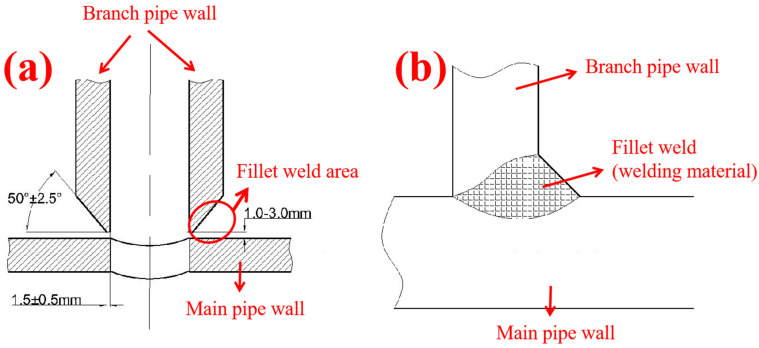 Figure 1
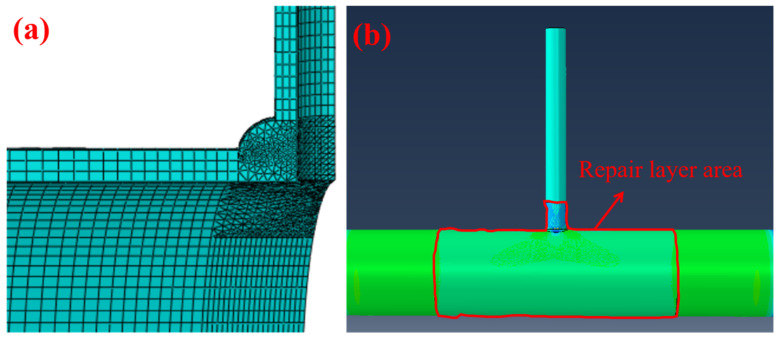 Figure 2
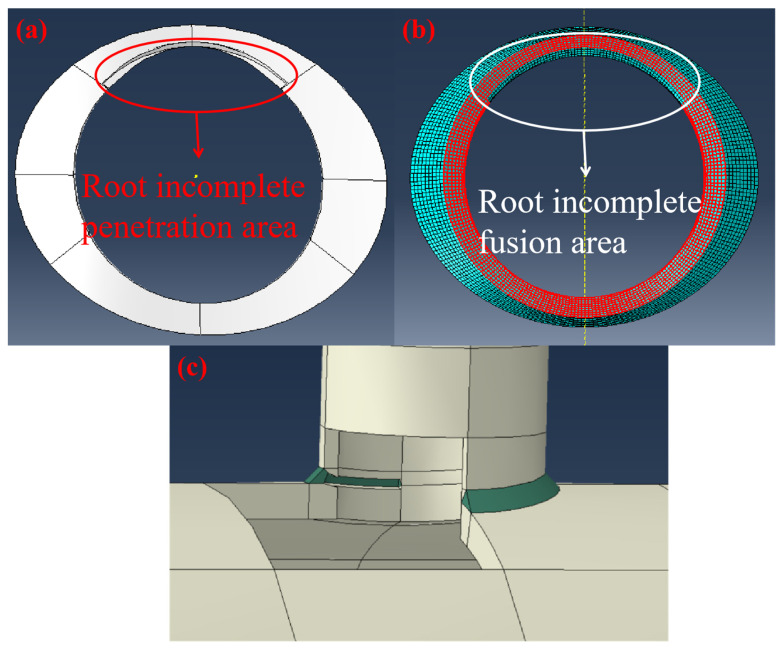 Figure 3
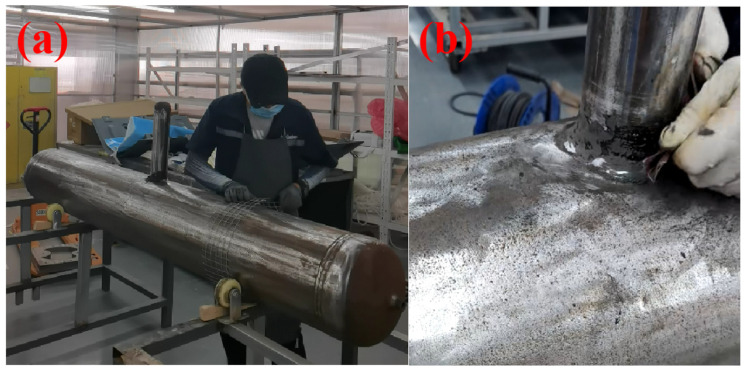 Figure 4
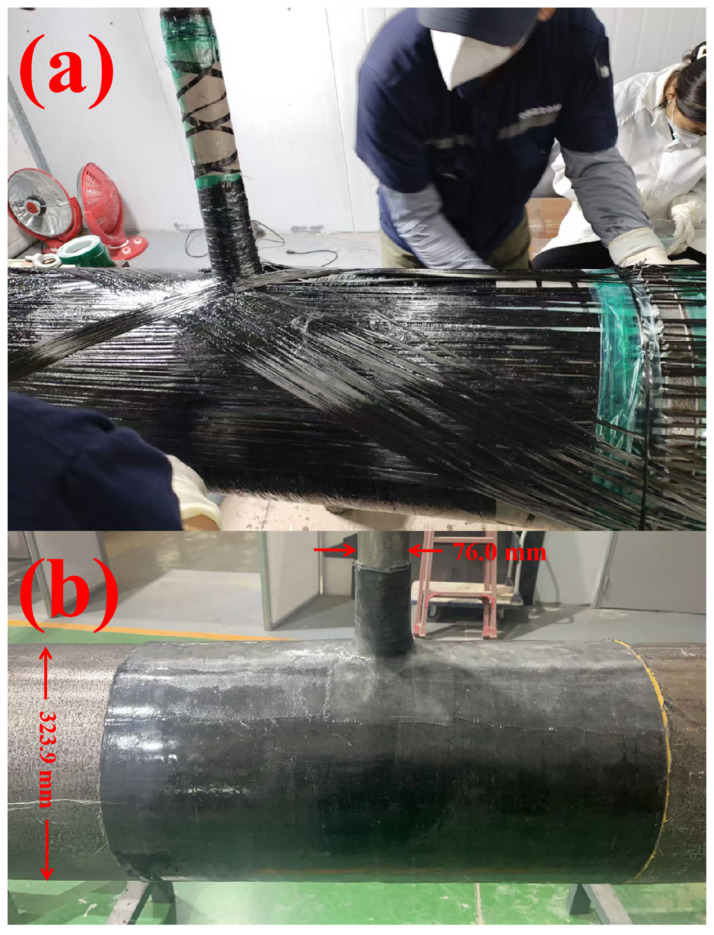 Figure 5
 Figure 6
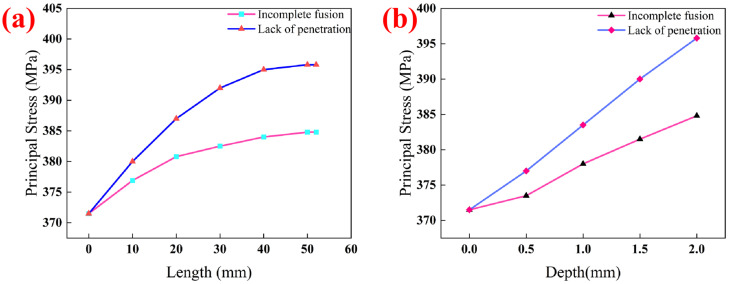 Figure 7
 Figure 8
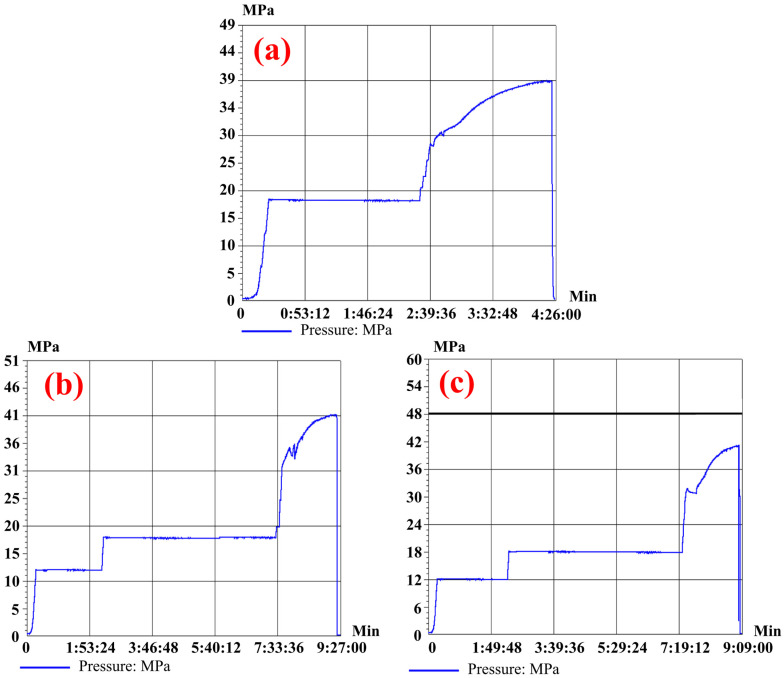 Figure 9
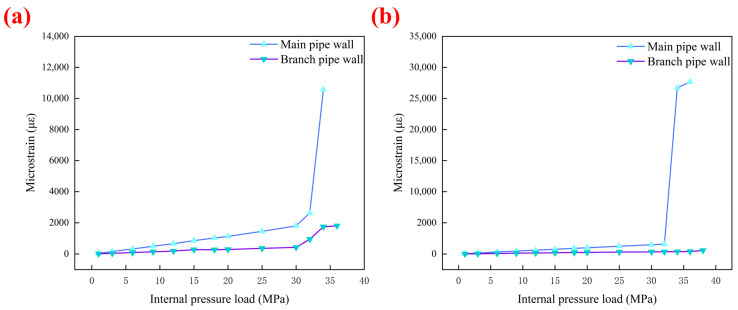 Figure 10
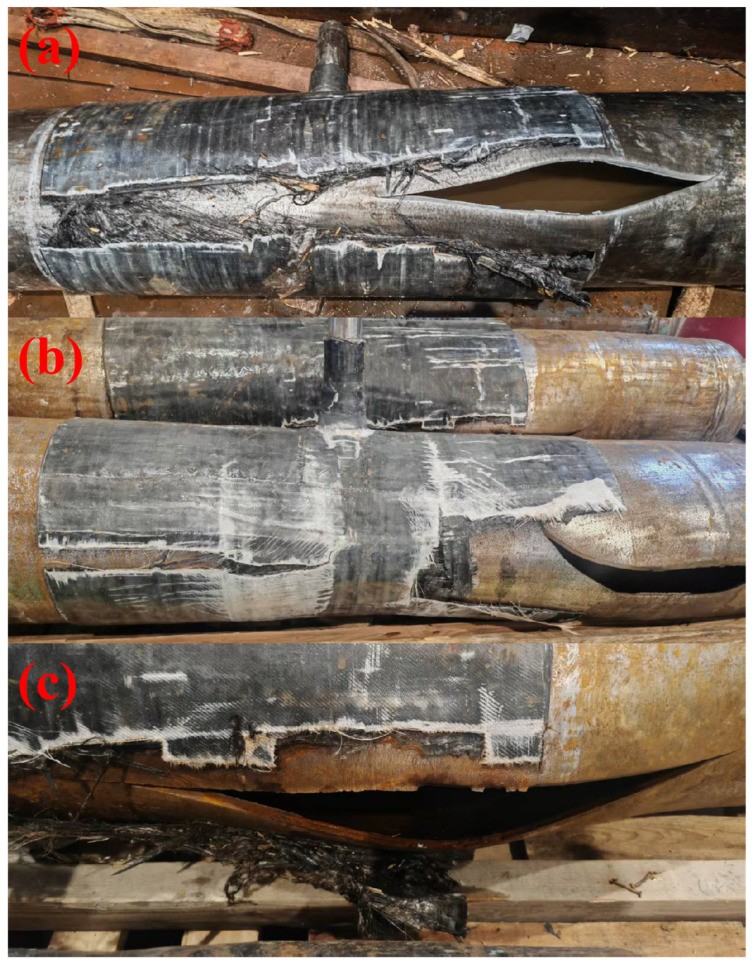 Figure 11
Peer Reviews
No public reviews on file for this paper yet. If you reviewed it on a platform where reviews are public (OpenReview, ICLR, NeurIPS, ICML), you can paste yours below so the community can read it here.
Videos
No videos yet. Explain this paper in a talk, walkthrough, or lecture? Add one.
Taxonomy
TopicsStructural Integrity and Reliability Analysis · Welding Techniques and Residual Stresses · Fatigue and fracture mechanics