In Silico Optimization of Inhibitors of the 3-Chymotrypsin-like Protease of SARS-CoV-2
Issouf Fofana, Brice Dali, Mawa Koné, Katarina Sujova, Eugene Megnassan, Stanislav Miertus, Vladimir Frecer

TL;DR
This study uses computer modeling to design better inhibitors for a key SARS-CoV-2 enzyme, potentially leading to more effective treatments for COVID-19.
Contribution
The study introduces a novel QSAR pharmacophore model and identifies new IPCL analogues with improved predicted potency against SARS-CoV-2 3CLpro.
Findings
A QSAR model explained 92% of the variation in 3CLpro inhibition data using free energy calculations.
39 promising IPCL analogues were identified from a virtual library of over 567,000 compounds.
The best inhibitor candidate IPCL 80-27-74-4 has a predicted IC50 of 0.8 nM, significantly better than known IPCLs.
Abstract
In this study, new improved inhibitors of the viral enzyme 3-chymotrypsin-like protease (3CLpro) were designed using structure-based drug design techniques in an effort to discover more effective treatment of coronavirus disease 2019 (COVID-19). Three-dimensional models of 3CLpro–inhibitor complexes were prepared by in situ modification of the crystal structure of the submicromolar covalent inhibitor IPCL6 for a set of 25 known inhibitors with published inhibitory potencies (IC50exp). The QSAR model was prepared with a reasonable correlation between the calculated free energies of formation of the 3CLpro-IPCL complex (∆∆Gcom) and the experimentally determined activities IC50exp, which explained approximately 92% of the variation in the 3CLpro inhibition data. A similar agreement was achieved for the QSAR pharmacophore model (PH4) built on the basis of the active conformations of the…
Genes, proteins, chemicals, diseases, species, mutations and cell lines named across the full text — each resolved to its canonical identifier and authoritative record.
Click any figure to enlarge with its caption.
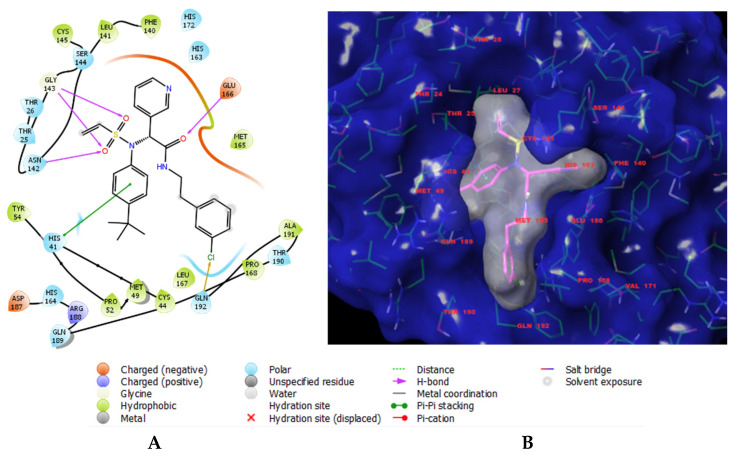 Figure 1
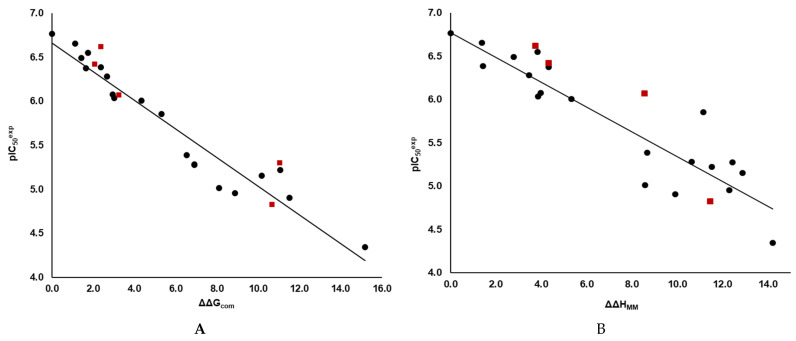 Figure 2
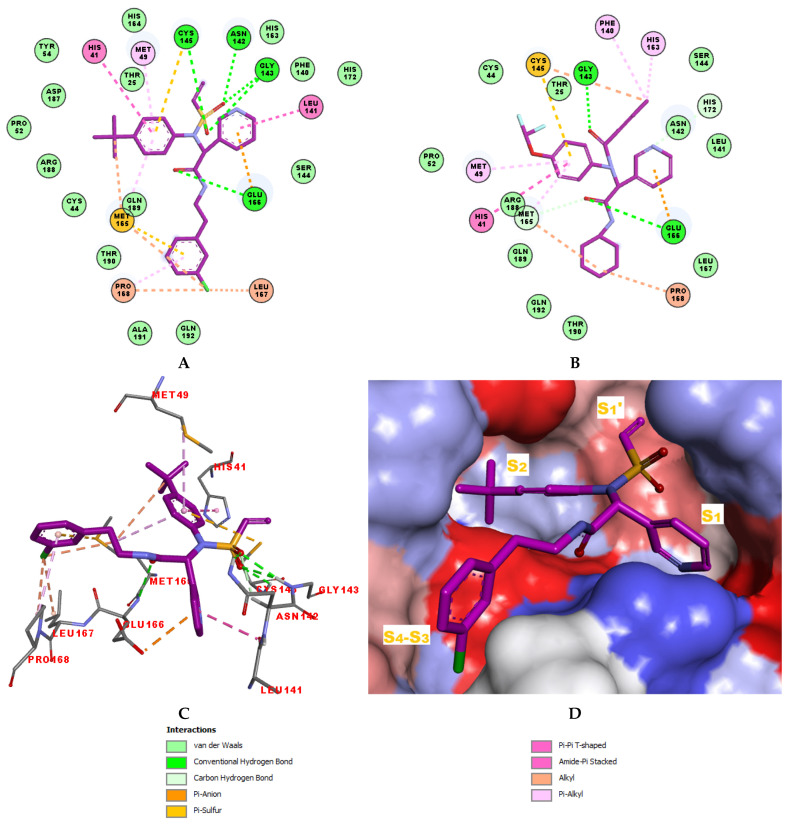 Figure 3
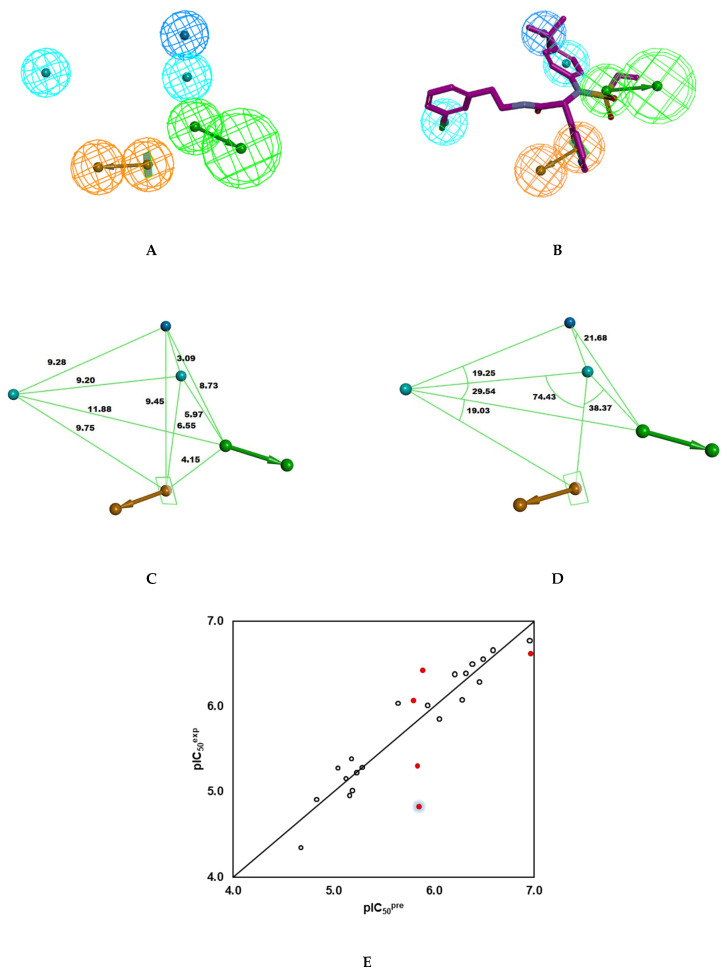 Figure 4
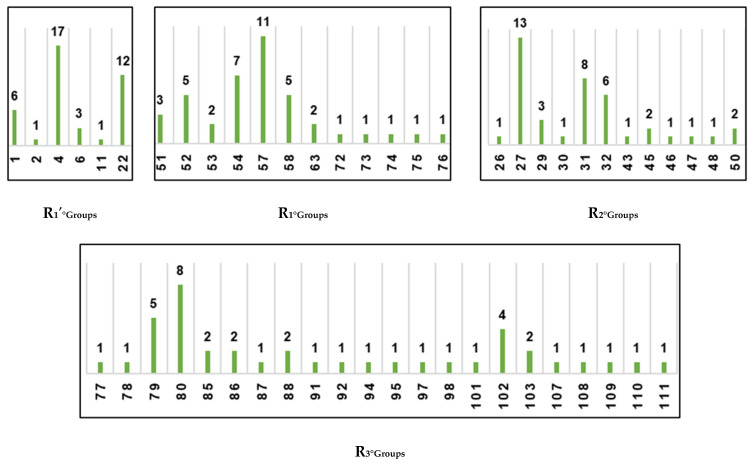 Figure 5
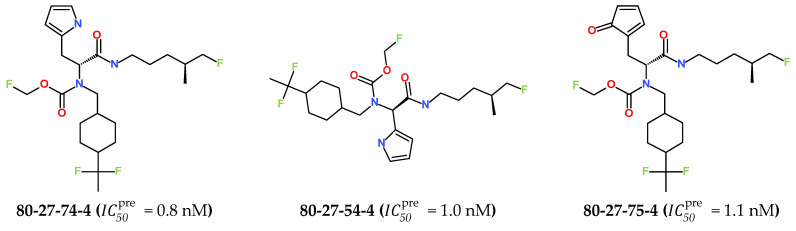 Figure 6
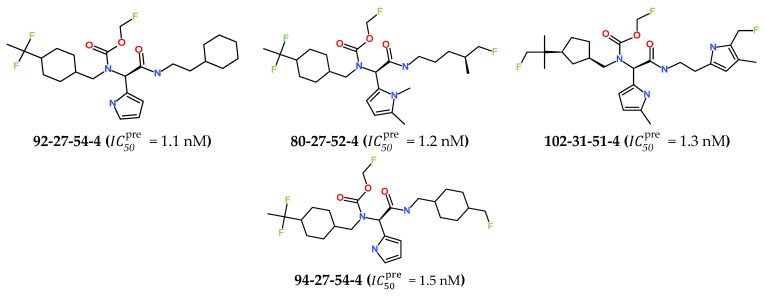 Figure 7
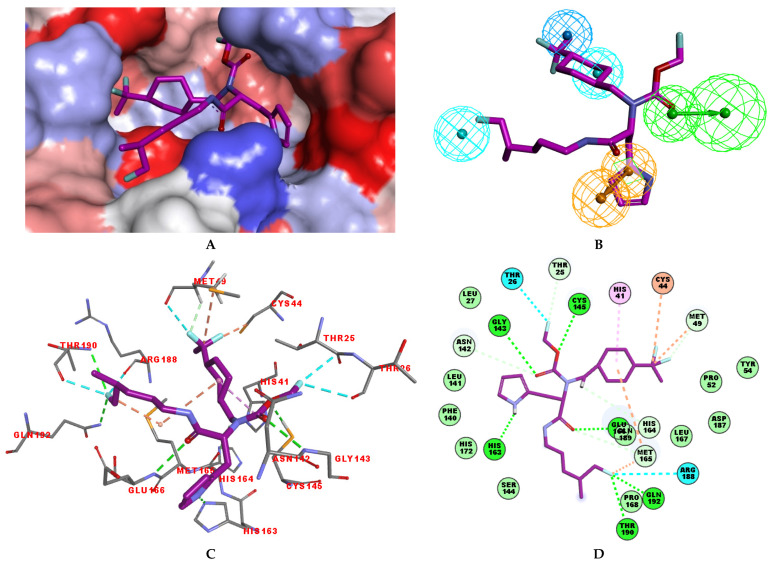 Figure 8
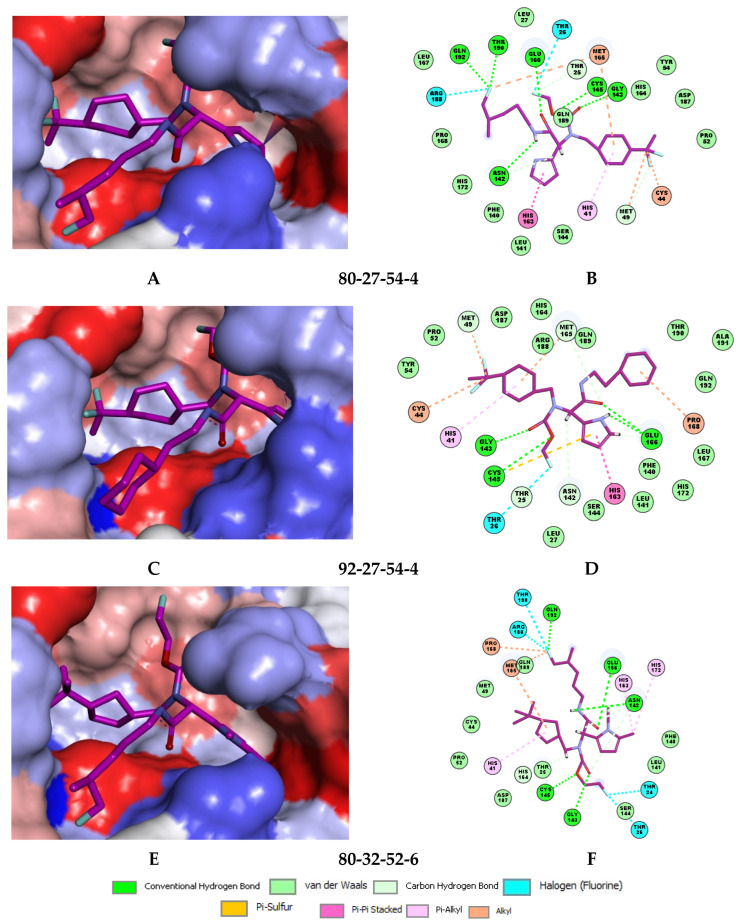 Figure 9
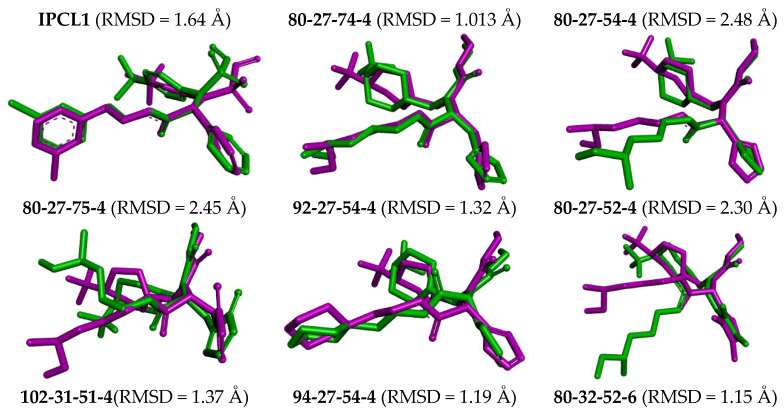 Figure 10
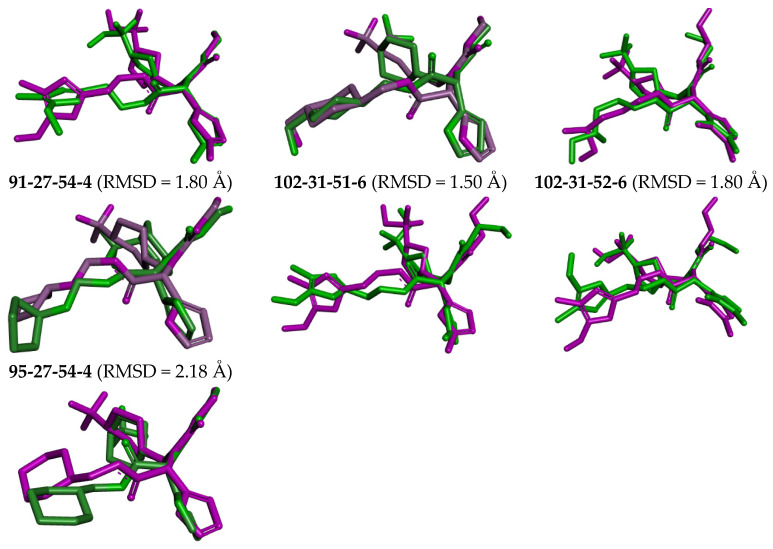 Figure 11
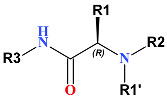 Figure 12
 Figure 13
 Figure 14
 Figure 15
 Figure 16
 Figure 17
 Figure 18
 Figure 19
 Figure 20
 Figure 21
 Figure 22
 Figure 23
 Figure 24
 Figure 25
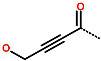 Figure 26
 Figure 27
 Figure 28
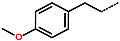 Figure 29
 Figure 30
 Figure 31
 Figure 32
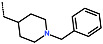 Figure 33
 Figure 34
 Figure 35
 Figure 36
 Figure 37
 Figure 38
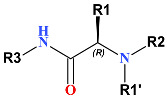 Figure 39
 Figure 40
 Figure 41
 Figure 42
 Figure 43
 Figure 44
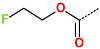 Figure 45
 Figure 46
 Figure 47
 Figure 48
 Figure 49
 Figure 50
Peer Reviews
No public reviews on file for this paper yet. If you reviewed it on a platform where reviews are public (OpenReview, ICLR, NeurIPS, ICML), you can paste yours below so the community can read it here.
Videos
No videos yet. Explain this paper in a talk, walkthrough, or lecture? Add one.
Taxonomy
TopicsComputational Drug Discovery Methods · Protein Structure and Dynamics · Pharmacological Receptor Mechanisms and Effects