Genome and Comparative Transcriptome Analysis of Growth and Developmental Changes in the Pileus of the Cyclocybe chaxingu
Liyuan Luo, Shiqi Wan, Yuling Zhou, Chezhao Wang, Chunyan Yang, Wenqi Huang, Ling Chen, Zhiting Yu, Sihan Li, Xiaolong Chai, Xinrui Liu

TL;DR
This study explores the genetic basis of pileus growth and color changes in the edible fungus Cyclocybe chaxingu, offering insights into its development and potential for breeding.
Contribution
The study provides a high-quality genome assembly and identifies key molecular mechanisms underlying pileus development and pigmentation in Cyclocybe chaxingu.
Findings
Genome assembly of Cyclocybe chaxingu reveals 51.7 Mb genome with 11,332 protein-coding genes.
Transcriptomic analysis shows gene expression differences linked to pileus expansion and color changes.
Color lightening is associated with tyrosine metabolism and upregulation of glutathione S-transferase genes.
Abstract
Cyclocybe chaxingu is a well-known edible fungus in China, in which pileus size and color are key traits determining its commercial value. However, the molecular genetic mechanisms underlying the morphological development of its pileus remains limited at present. To address this, our study first completed the high-quality genome assembly of the monokaryotic strain Ag.c0002-1 of albino C. chaxingu, anchoring it to 13 chromosomes via Hi-C technology. The final genome size was 51.7 Mb with a GC content of 51.06%, and 11,332 protein-coding genes were annotated. Phenotypic observations and comparative transcriptome analyses were then conducted on the pilei of the brown cultivar Ag.c0067 and the white cultivar Ag.c0002 at the primordium, elongation, and mature stages. Phenotypic analysis revealed continuous pileus expansion accompanied by progressive color lightening in both cultivars during…
Genes, proteins, chemicals, diseases, species, mutations and cell lines named across the full text — each resolved to its canonical identifier and authoritative record.
Click any figure to enlarge with its caption.
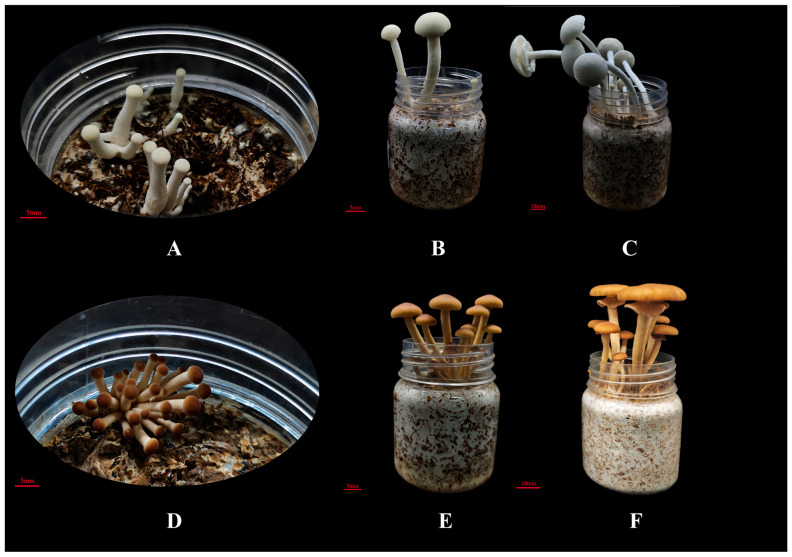 Figure 1
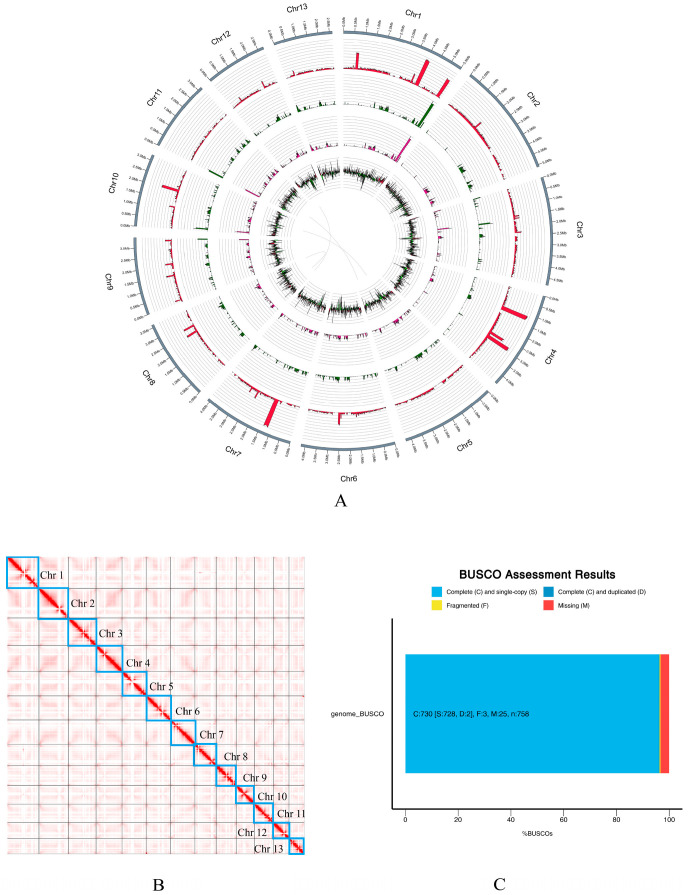 Figure 2
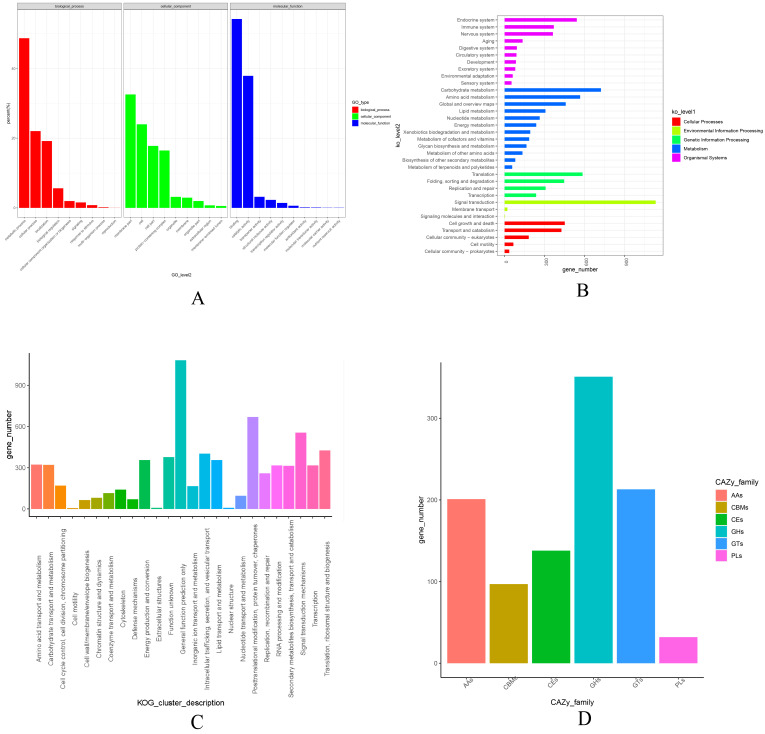 Figure 3
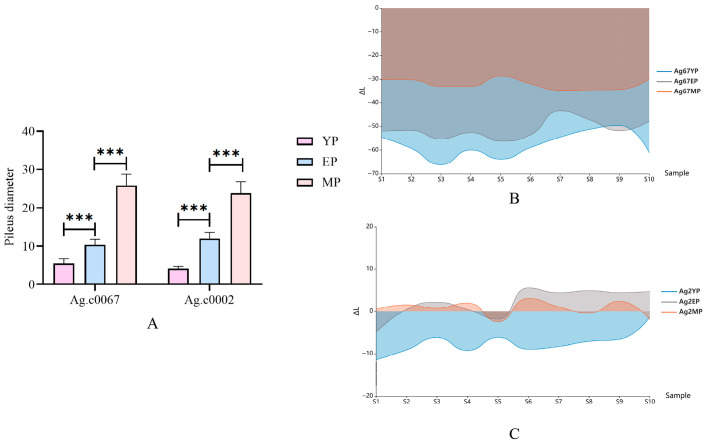 Figure 4
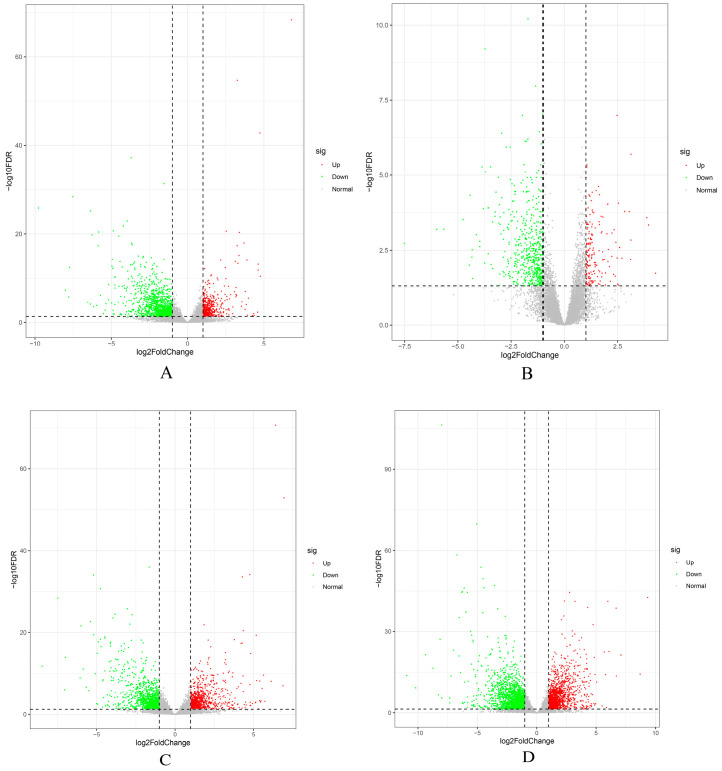 Figure 5
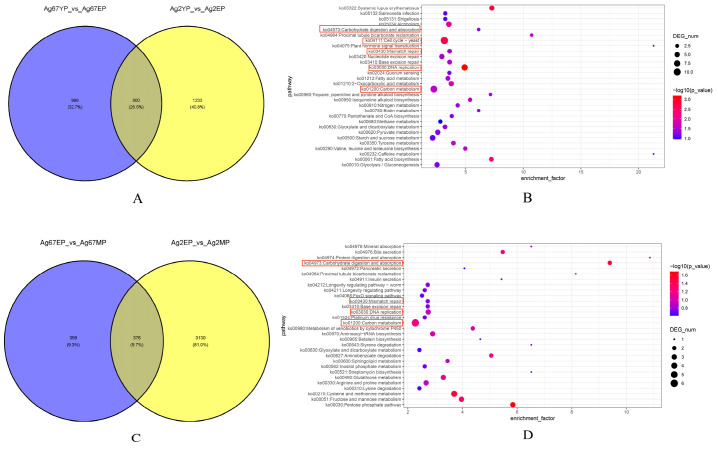 Figure 6
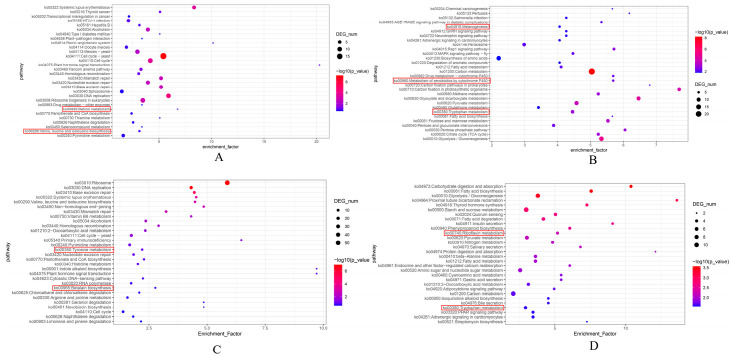 Figure 7
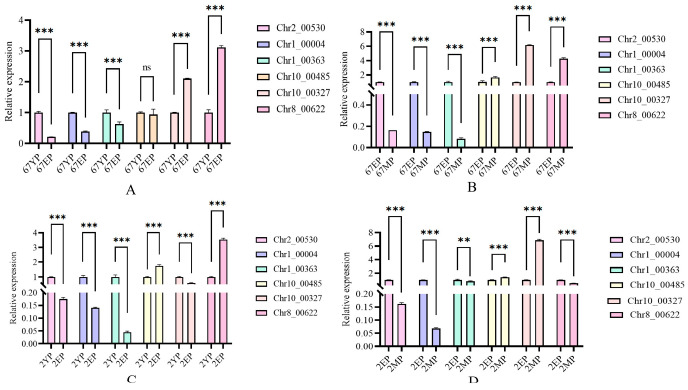 Figure 8
Peer Reviews
No public reviews on file for this paper yet. If you reviewed it on a platform where reviews are public (OpenReview, ICLR, NeurIPS, ICML), you can paste yours below so the community can read it here.
Videos
No videos yet. Explain this paper in a talk, walkthrough, or lecture? Add one.
Taxonomy
TopicsBotanical Research and Applications · Plant Surface Properties and Treatments · Fermentation and Sensory Analysis