Accelerating the Measurement of Fatigue Crack Growth with Incremental Information-Based Machine Learning Approach
Cheng Wen, Haipeng Lu, Yiliang Wang, Meng Wang, Yuwan Tian, Danmei Wu, Yupeng Diao, Jiezhen Hu, Zhiming Zhang

TL;DR
This paper introduces a machine learning method to speed up fatigue crack growth testing by predicting results from early-stage data, reducing time and cost.
Contribution
A novel machine learning interpolation–extrapolation strategy is proposed to improve small-data model accuracy for fatigue crack growth prediction.
Findings
The MLIES approach reduces testing time and cost by 15–32%.
Prediction accuracy for a-N curves is over 30% higher than traditional methods.
The model learns crack growth rules directly from data without requiring explicit analytical laws.
Abstract
Measuring the fatigue crack growth rate via the crack growth experiment (a-N curve) is labor-intensive and time-consuming. A machine learning interpolation–extrapolation strategy (MLIES) aimed at enhancing the prediction accuracy of small-data models has been proposed to accelerate fatigue testing. Two specific approaches are designed by transforming a-N curve data from N to ΔN and from a to Δa (S1)/Δa/ΔN (S2) to enrich the data volume and leverage the incremental information. Thus, a simple and fast-responding single-layer neural network model can be trained based on the early-stage data points from fatigue testing and accurately predict the remaining part of an a-N curve, thereby enhancing the experimental efficiency. Through exponential data expansion and data augmentation, the trained neural network model is able to learn the underlying rules governing crack growth directly from the…
Genes, proteins, chemicals, diseases, species, mutations and cell lines named across the full text — each resolved to its canonical identifier and authoritative record.
Click any figure to enlarge with its caption.
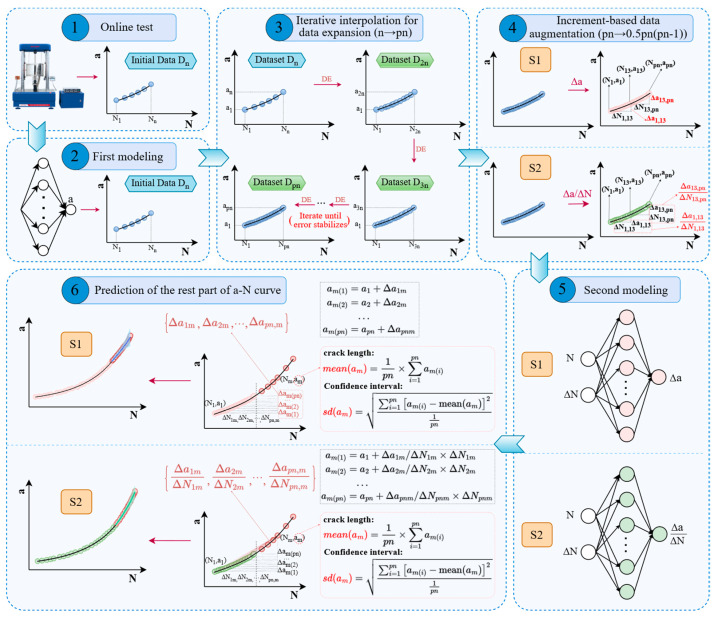 Figure 1
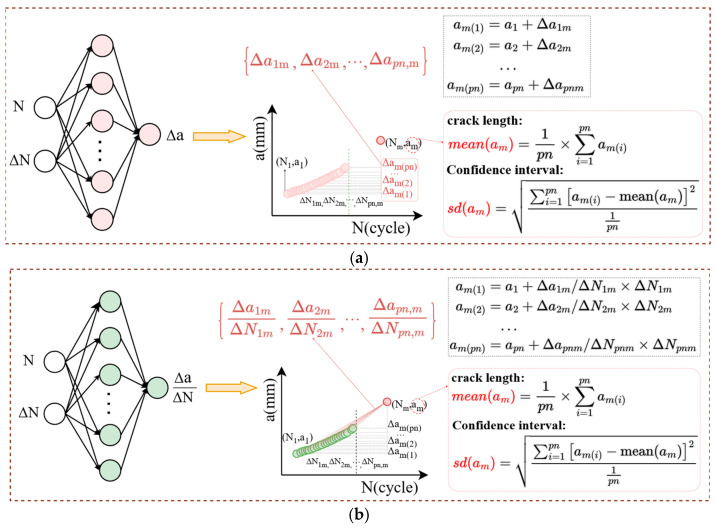 Figure 2
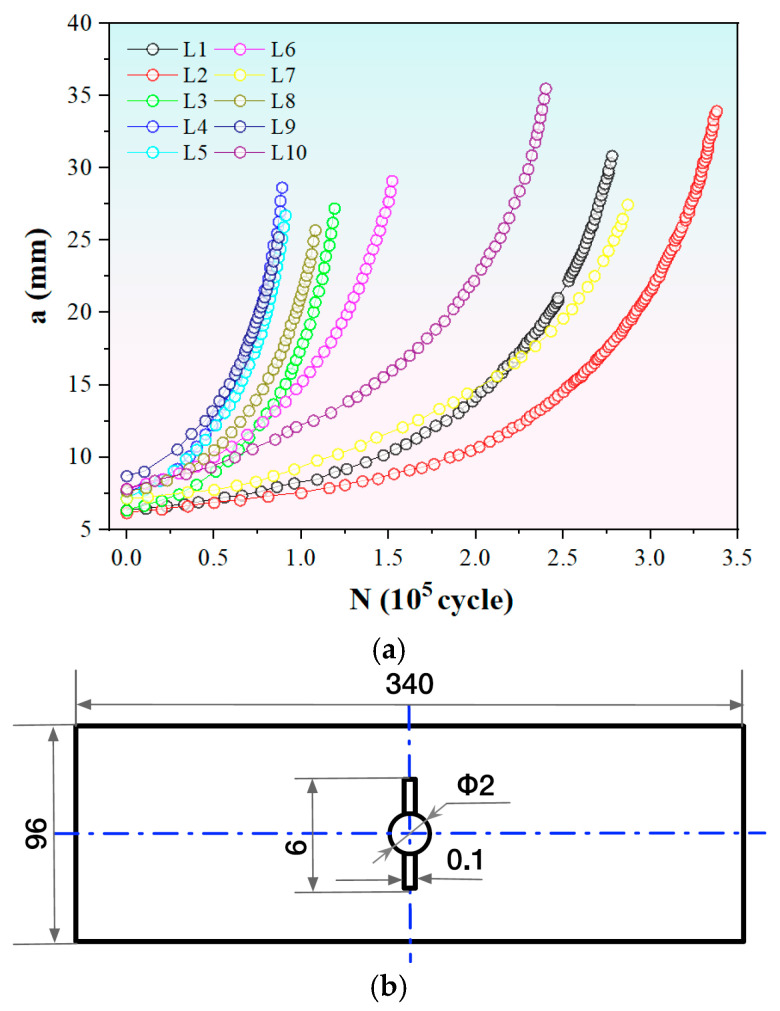 Figure 3
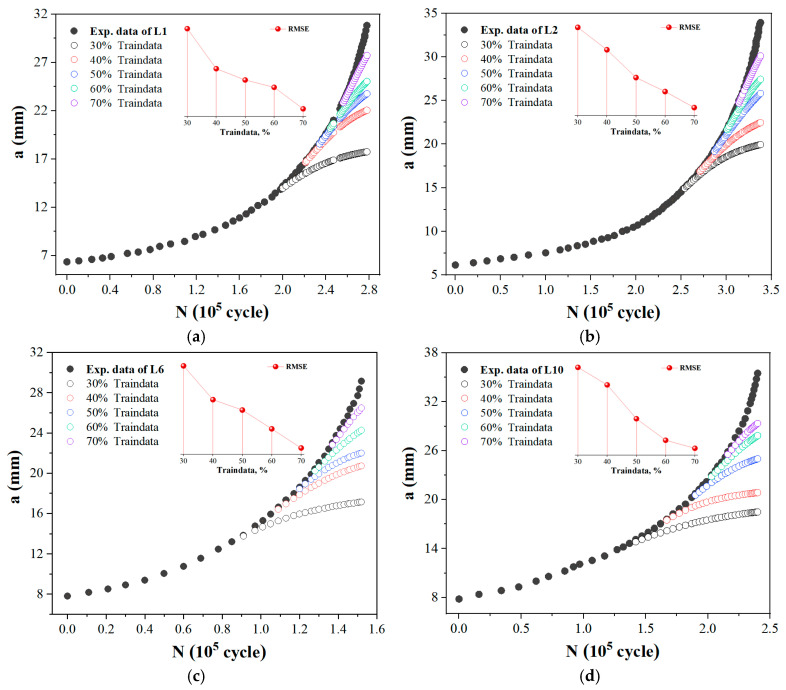 Figure 4
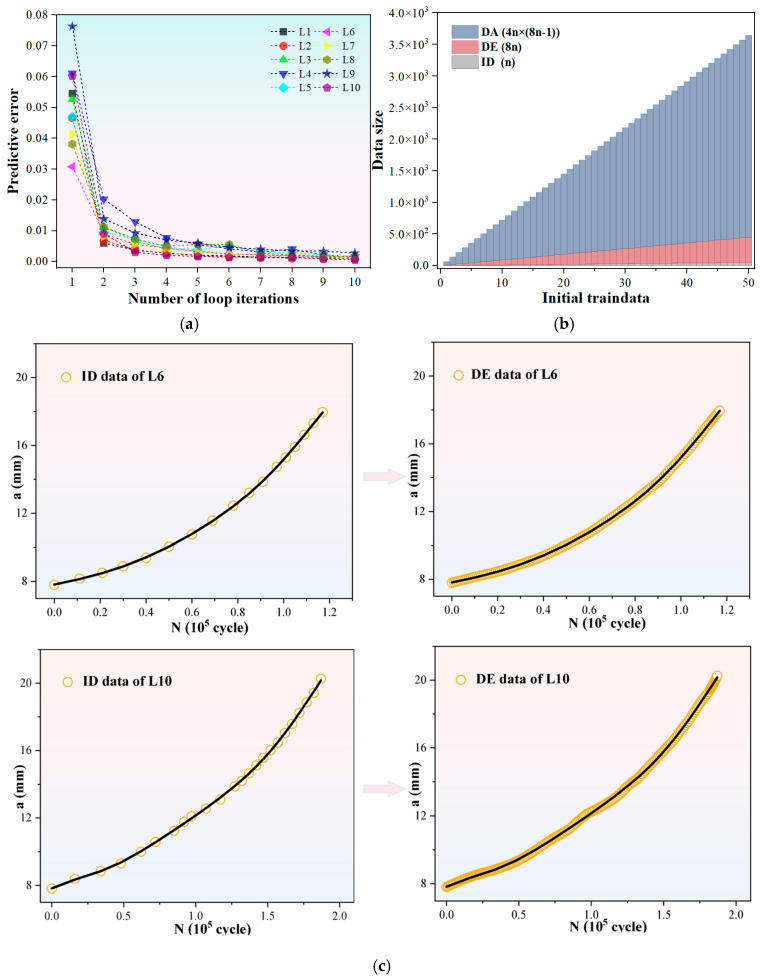 Figure 5
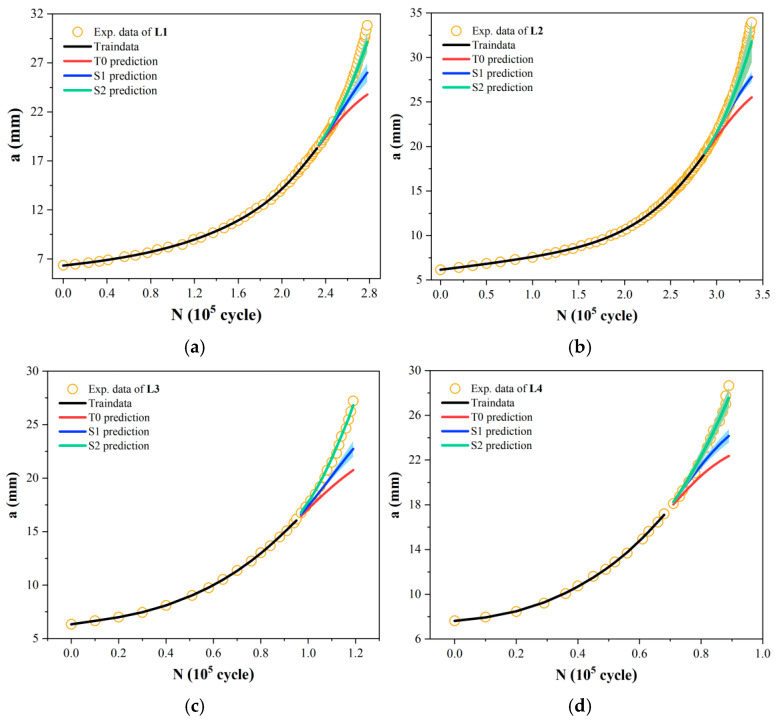 Figure 6
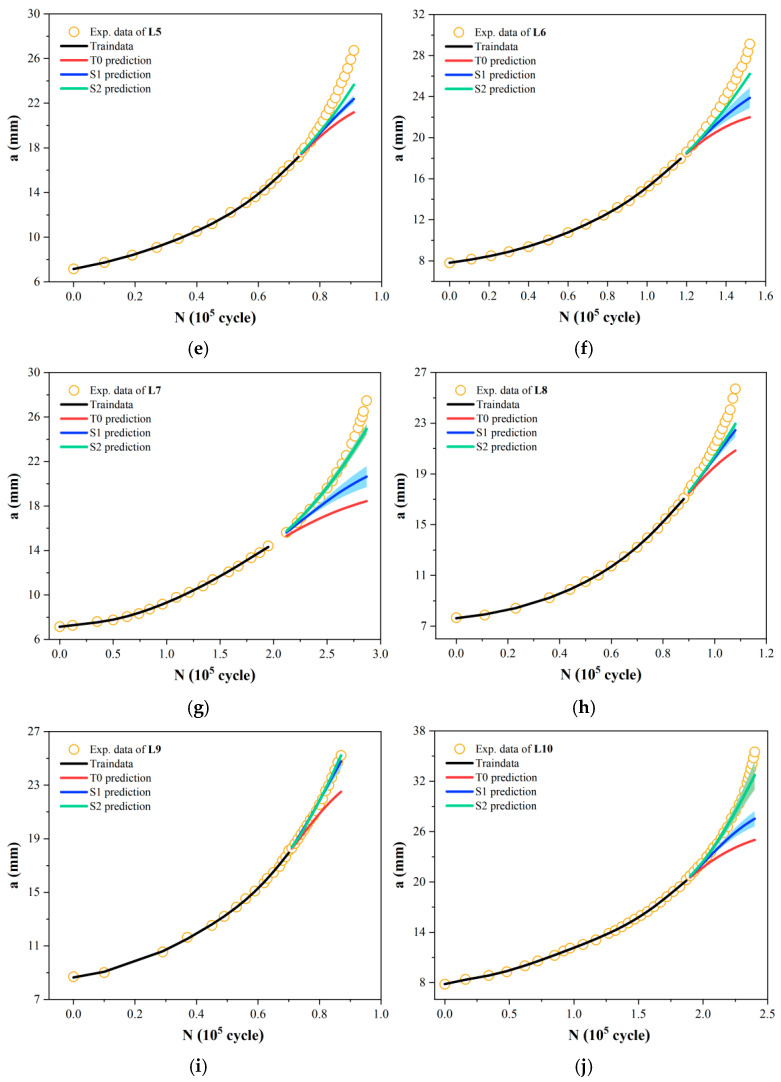 Figure 7
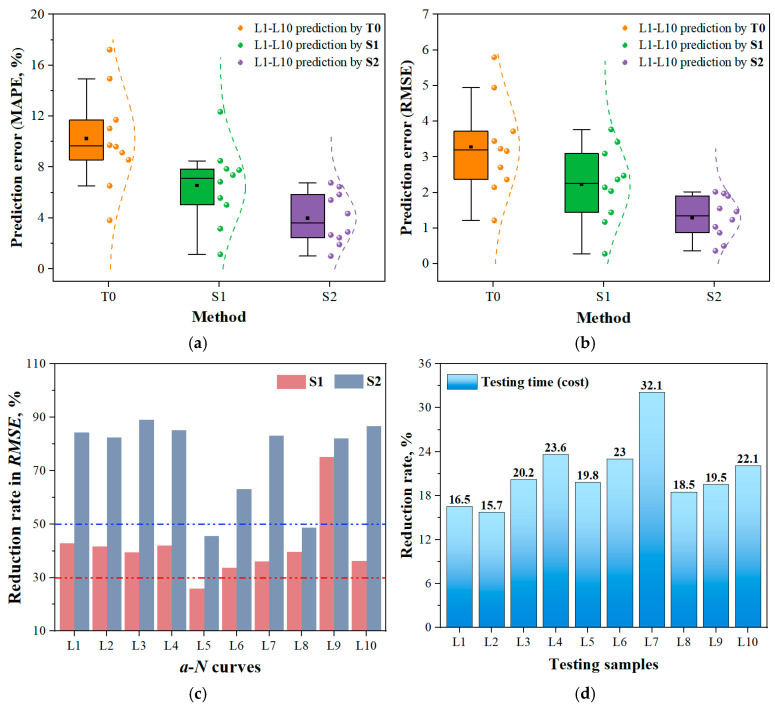 Figure 8
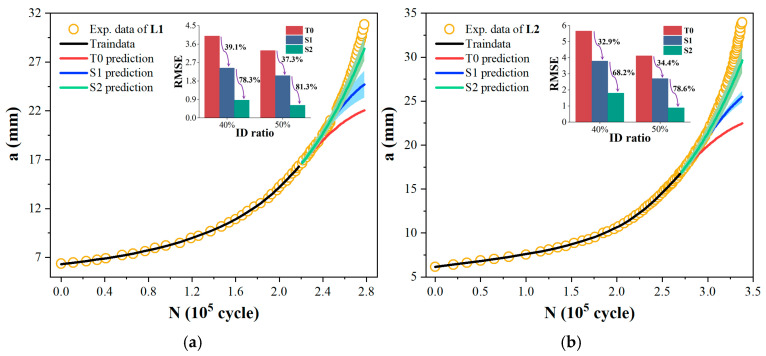 Figure 9
Peer Reviews
No public reviews on file for this paper yet. If you reviewed it on a platform where reviews are public (OpenReview, ICLR, NeurIPS, ICML), you can paste yours below so the community can read it here.
Videos
No videos yet. Explain this paper in a talk, walkthrough, or lecture? Add one.
Taxonomy
TopicsFatigue and fracture mechanics · Machine Learning in Materials Science · Titanium Alloys Microstructure and Properties