Selection for Molecularly Complementary Modules (MCMs) Drives the Origins and Evolution of Pleiofunctional, Epistatic Interactomes (PEIs)
Robert Root-Bernstein

TL;DR
This paper proposes that molecularly complementary modules drive the evolution of complex cellular networks by enabling stability and new functions through combination.
Contribution
The novel hypothesis is that MCMs are selected for stability and combine to form pleiofunctional, epistatic interactomes.
Findings
MCMs can mix and match to create novel molecules with emergent properties.
Case studies show MCMs underpin the evolution of antioxidant systems and ribosomes.
MCM-based systems retain historical clues about their evolutionary origins.
Abstract
The huge number of possible permutations of genes, proteins and small molecules make the random emergence of cellular networks problematic. How, therefore, do interactomes come into existence? What selects for their stability and functionality? I hypothesize that interactomes originate from molecularly complementary modules (MCMs) that are selected for stability and retain their interactivity when mixed and matched with other such modules to create novel molecules and complexes displaying emergent properties not present in the individual components of the network. Because evolution can only proceed by working upon existing variants, and these variants emerge from selection of MCMs, the resulting systems must exhibit the characteristics of pleiofunctional, epistatic interactomes (PEIs). The resulting systems should display “molecular paleontology”, providing clues as to the historical…
Genes, proteins, chemicals, diseases, species, mutations and cell lines named across the full text — each resolved to its canonical identifier and authoritative record.
Click any figure to enlarge with its caption.
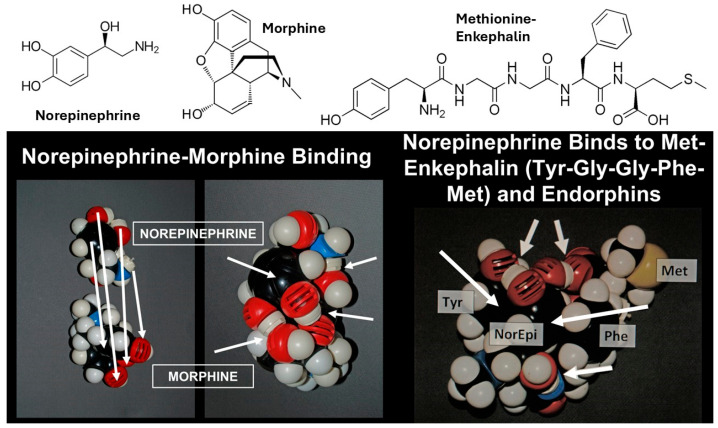 Figure 1
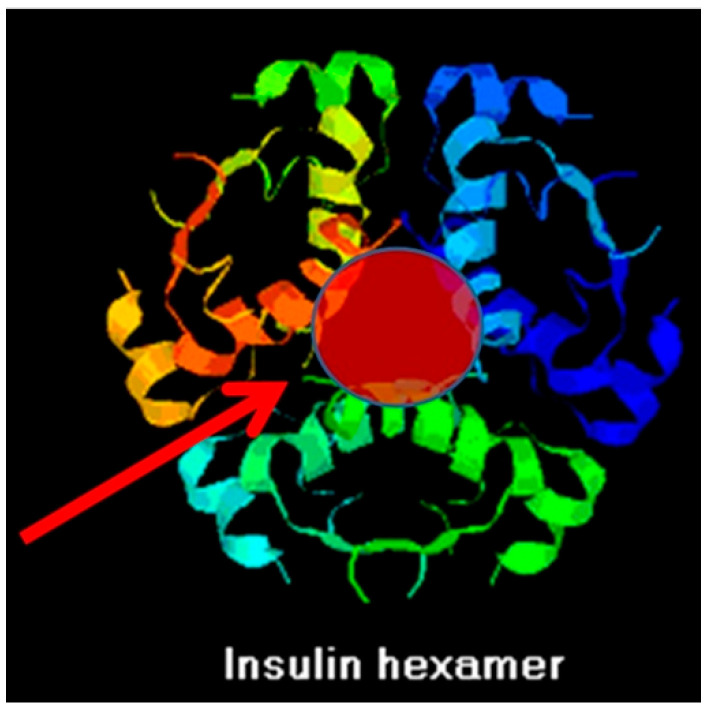 Figure 2
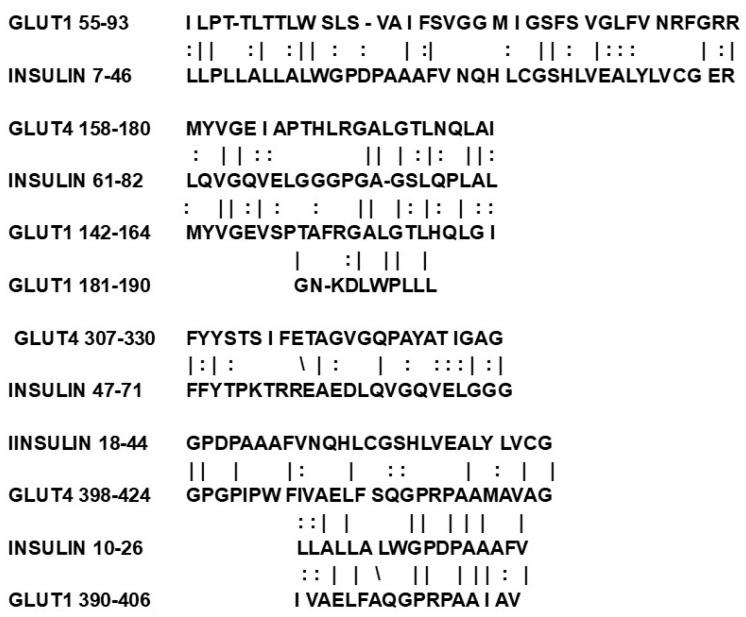 Figure 3
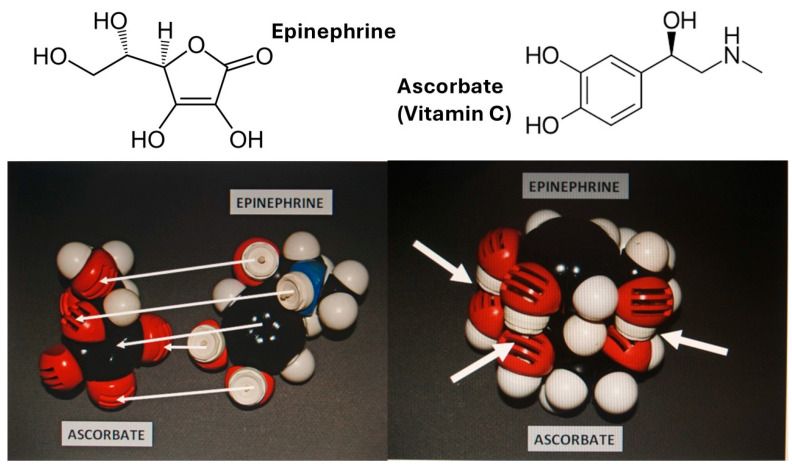 Figure 4
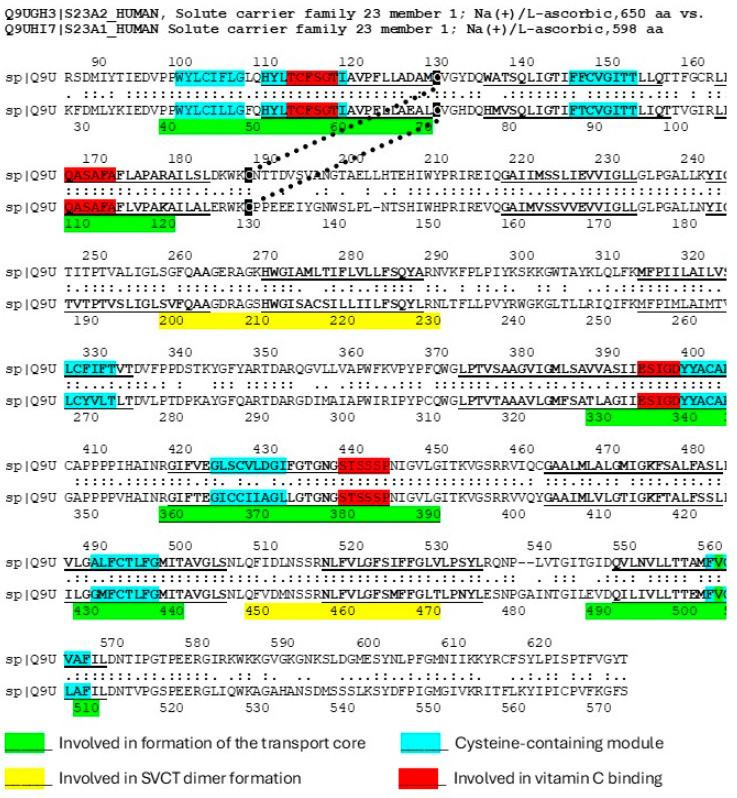 Figure 5
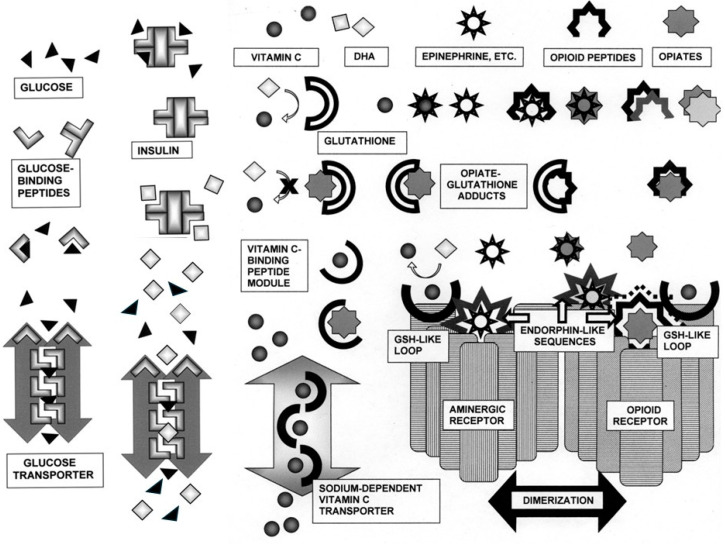 Figure 6
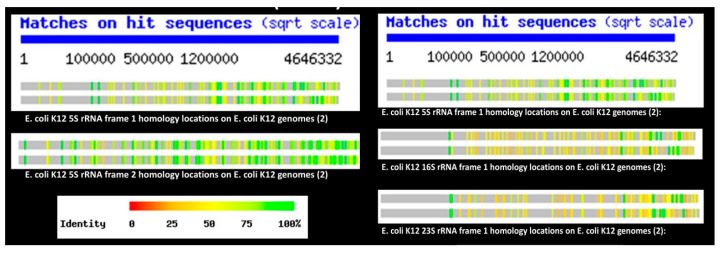 Figure 7
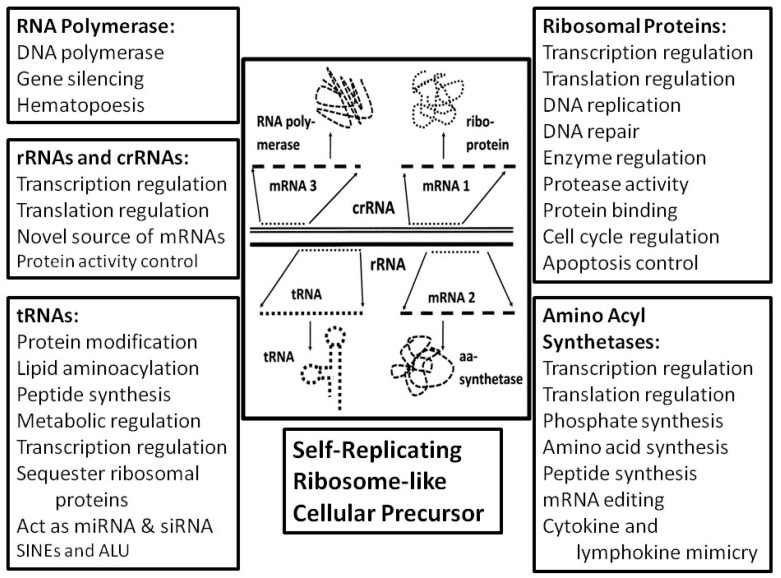 Figure 8
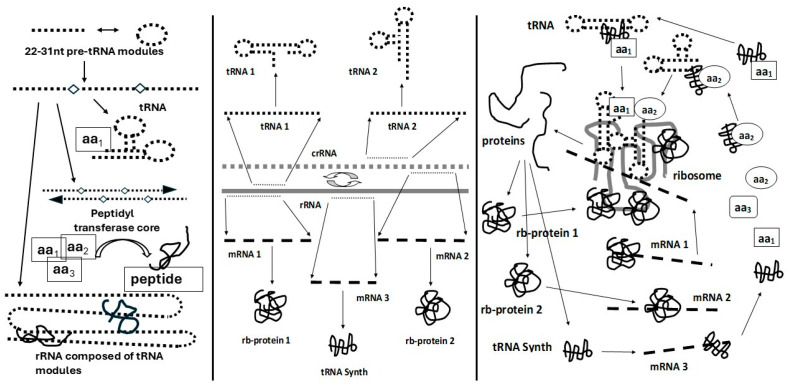 Figure 9
Peer Reviews
No public reviews on file for this paper yet. If you reviewed it on a platform where reviews are public (OpenReview, ICLR, NeurIPS, ICML), you can paste yours below so the community can read it here.
Videos
No videos yet. Explain this paper in a talk, walkthrough, or lecture? Add one.
Taxonomy
TopicsOrigins and Evolution of Life · RNA and protein synthesis mechanisms · Biotin and Related Studies