Ghardaqenoids A–F: Six New Diterpenoids from the South China Sea Soft Coral Heteroxenia ghardaqensis with Lipid-Lowering Activity via the Activation of the AMPK Signaling Pathway
Yue Zhang, Xin Han, Juan Wu, Shan Liu, Hongwei Zhang, Lili Zhao, Guoqiang Li

TL;DR
Scientists discovered six new diterpenoids from a South China Sea coral that lower lipids by activating the AMPK pathway, offering potential for lipid-lowering therapies.
Contribution
Identification of six new diterpenoids with lipid-lowering activity via AMPK pathway activation from a South China Sea soft coral.
Findings
Compound 6 showed strong in vitro lipid-lowering activity in HepG2 cells and liver organoids.
Compound 6 inhibited triglyceride and total cholesterol accumulation by regulating AMPK-related proteins and genes.
X-ray and NMR data confirmed the structures of the new diterpenoids.
Abstract
Six new diterpenoids, including two verticillane ghardaqenoids A–B (1–2) and four dolabellane ghardaqenoids C–F (3–6), were isolated from the soft coral Heteroxenia ghardaqensis collected in the South China Sea. The structures of ghardaqenoids A, D, and E (1, 4, 5) were determined by X-ray diffraction. Ghardaqenoids B, C, and F (2, 3, 6) were identified on the basis of NMR data, DP4+, and ECD spectral data. In particular, compound 6 exhibited strong in vitro lipid-lowering activity in free fatty acid (FFA)-induced HepG2 cells and liver organoids. Further mechanistic studies revealed that compound 6 regulated AMPK-related proteins and genes, thereby inhibiting the accumulation of triglycerides (TG) and total cholesterol (TC). These findings suggested that pharmacological AMPK activation serves as a promising role in lipid-lowering therapeutic strategies.
Genes, proteins, chemicals, diseases, species, mutations and cell lines named across the full text — each resolved to its canonical identifier and authoritative record.
Click any figure to enlarge with its caption.
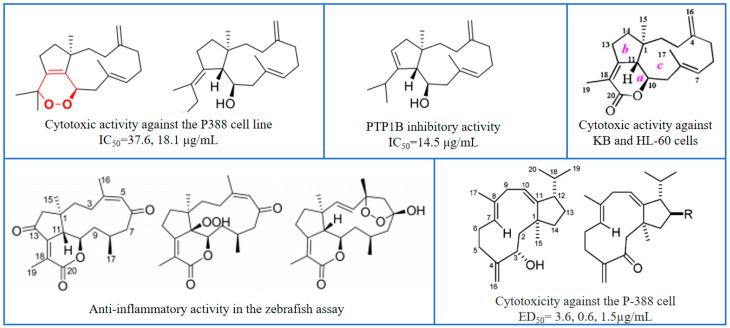 Figure 1
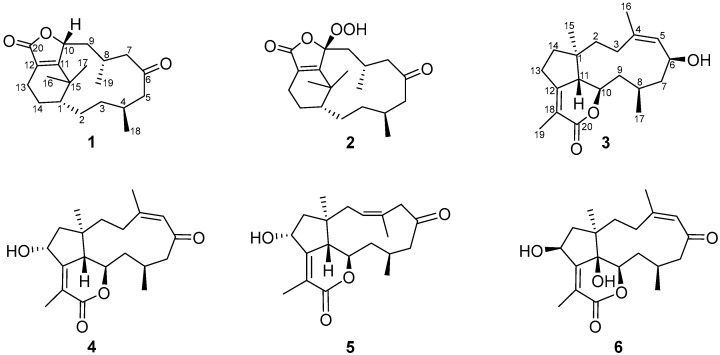 Figure 2
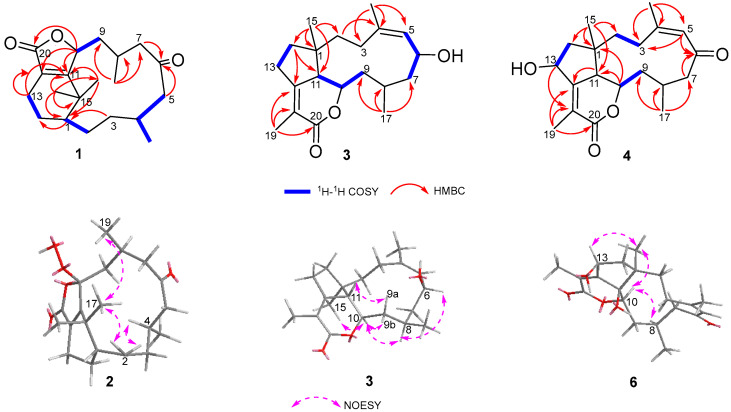 Figure 3
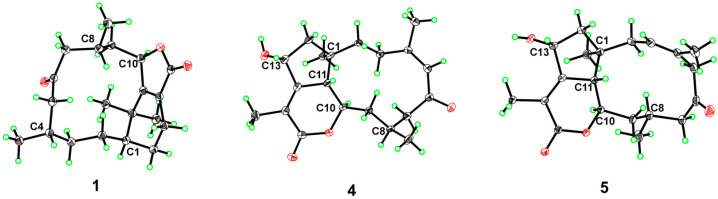 Figure 4
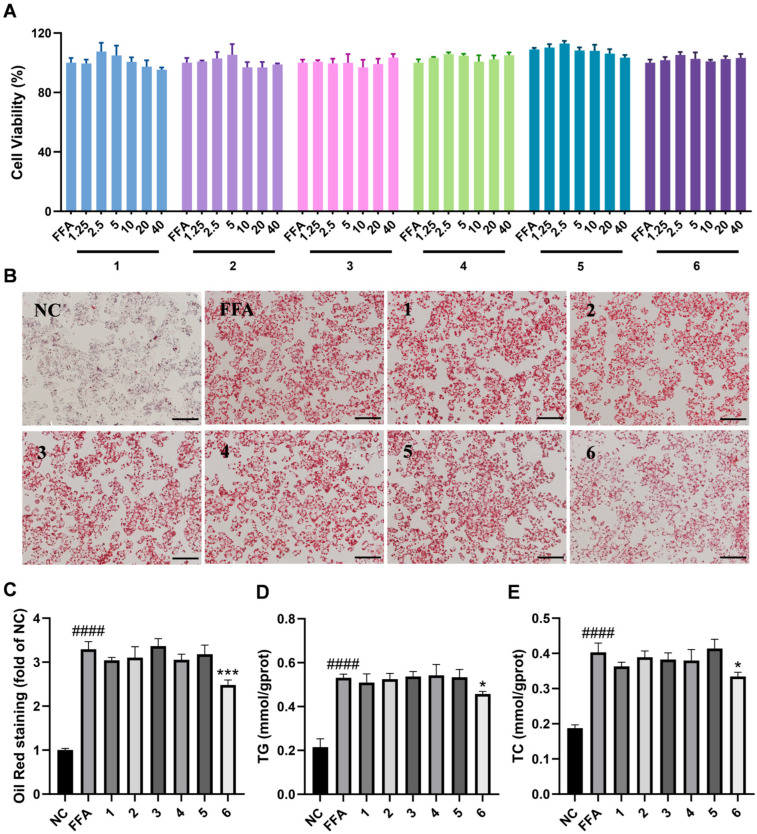 Figure 5
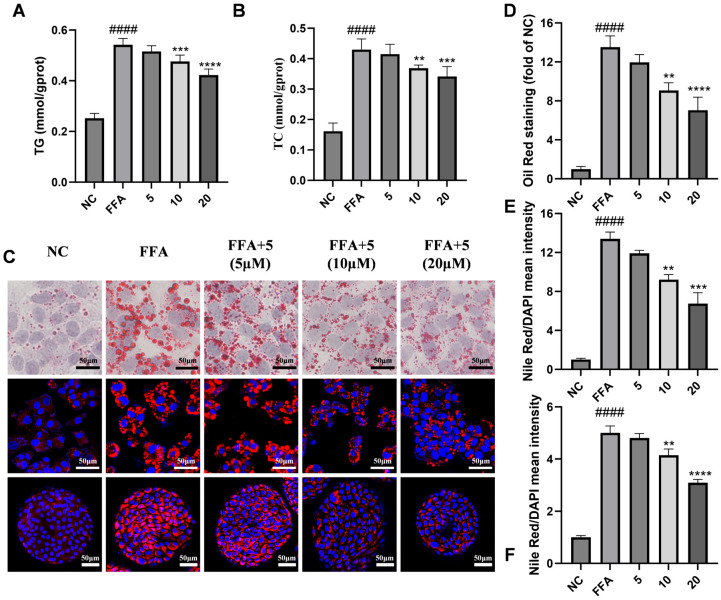 Figure 6
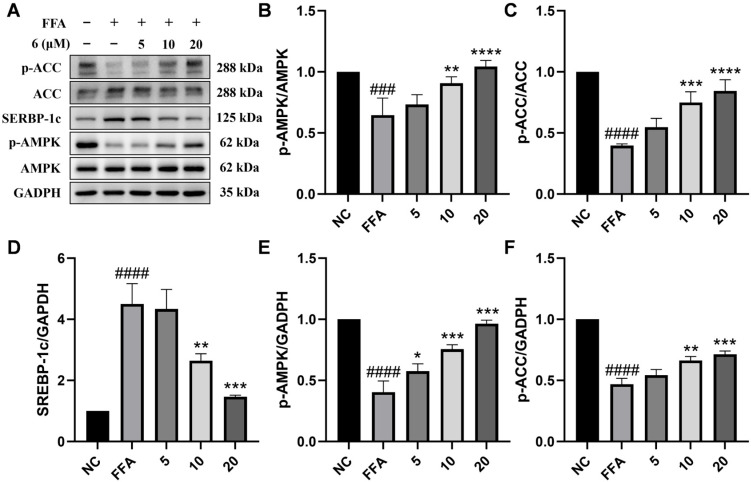 Figure 7
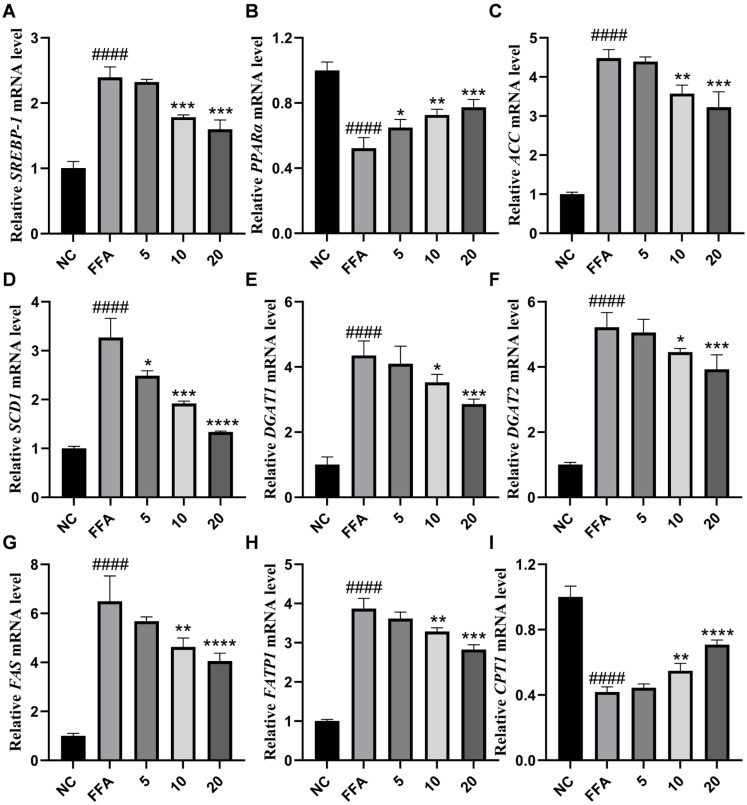 Figure 8
Peer Reviews
No public reviews on file for this paper yet. If you reviewed it on a platform where reviews are public (OpenReview, ICLR, NeurIPS, ICML), you can paste yours below so the community can read it here.
Videos
No videos yet. Explain this paper in a talk, walkthrough, or lecture? Add one.
Taxonomy
TopicsMarine Sponges and Natural Products · Sphingolipid Metabolism and Signaling · Marine Invertebrate Physiology and Ecology