A Sulfated Polysaccharide from Red Seaweed Gracilaria caudata Exhibits Antioxidant and Antiadipogenic Activities In Vitro
Maxsuell Lucas Mendes Marques, Leandro Silva Costa, Mariana Santana Santos Pereira Costa, Hugo Alexandre Oliveira Rocha

TL;DR
A sulfated polysaccharide from red seaweed Gracilaria caudata shows antioxidant and antiadipogenic effects in lab tests.
Contribution
A novel sulfated polysaccharide from Gracilaria caudata is identified with dual antioxidant and antiadipogenic properties.
Findings
F1.5 from G. caudata has the highest antioxidant capacity and is non-cytotoxic.
F1.5 reduces oxidative stress and inhibits fat cell differentiation in vitro.
The polysaccharide shows potential for nutraceutical applications.
Abstract
This study investigated the antioxidant and antiadipogenic activities of sulfated polysaccharide (SPs) from the red seaweed Gracilaria caudata. First, sulfated polysaccharide-rich extracts (SPREs) from fifteen tropical seaweeds were screened to evaluate both their chemical composition and antioxidant potential. Among all samples, G. caudata exhibited the highest total antioxidant capacity, which justified its selection for detailed characterization. Sequential acetone precipitation produced three SPs (F1.5, F2.0, and F3.0), differing in sulfate content, monosaccharide composition, and molecular weight. In vitro assays revealed that F1.5 had the highest total antioxidant capacity and strong iron-chelating activity, while F2.0 exhibited the most effective hydroxyl radical scavenger. Importantly, F1.5 was the only SP that was non-cytotoxic to non-tumor cell lines. In 3T3-L1 preadipocytes,…
Genes, proteins, chemicals, diseases, species, mutations and cell lines named across the full text — each resolved to its canonical identifier and authoritative record.
Click any figure to enlarge with its caption.
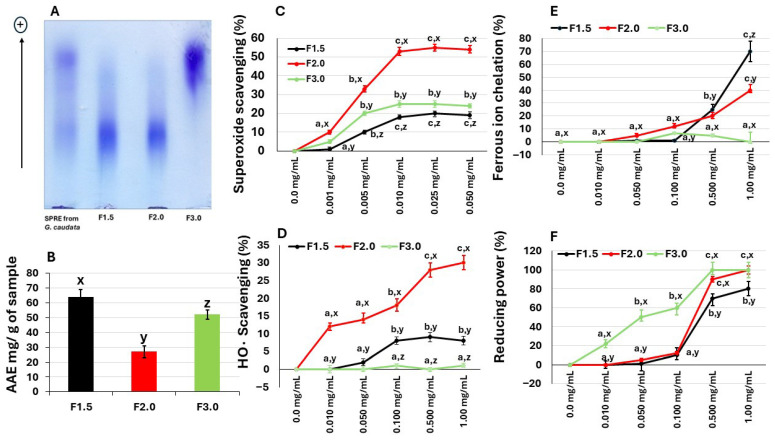 Figure 1
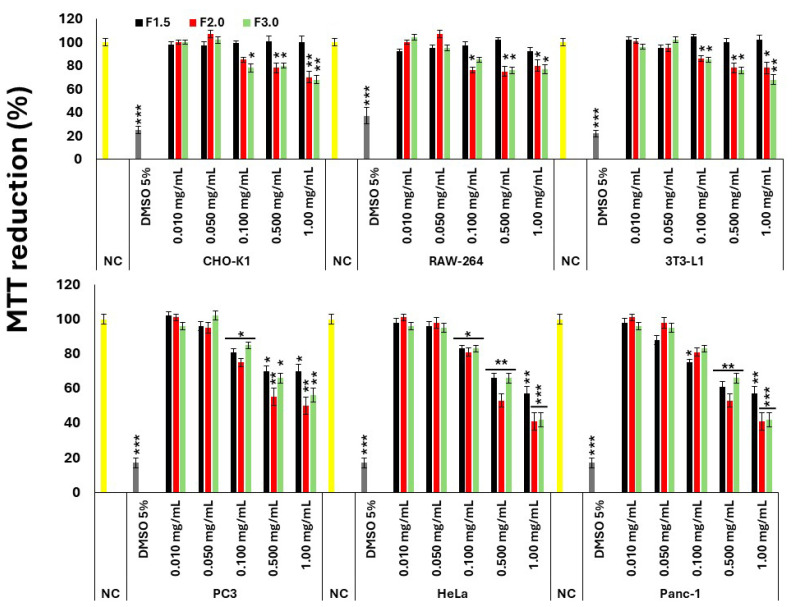 Figure 2
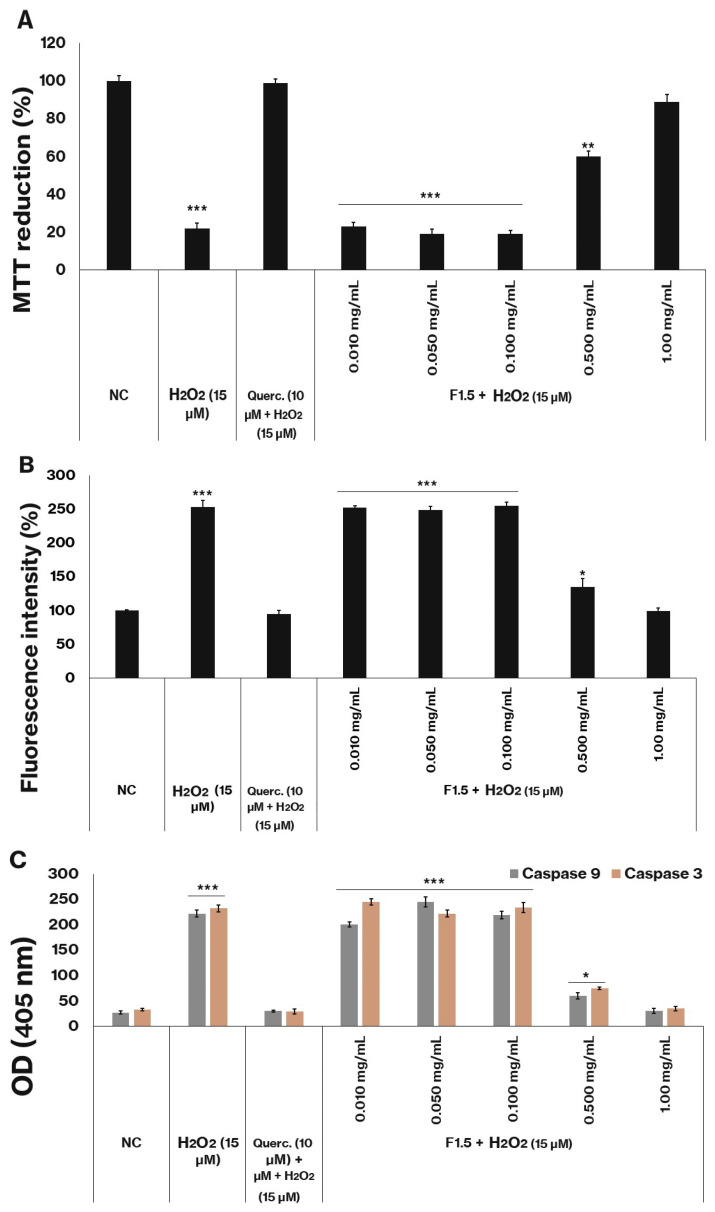 Figure 3
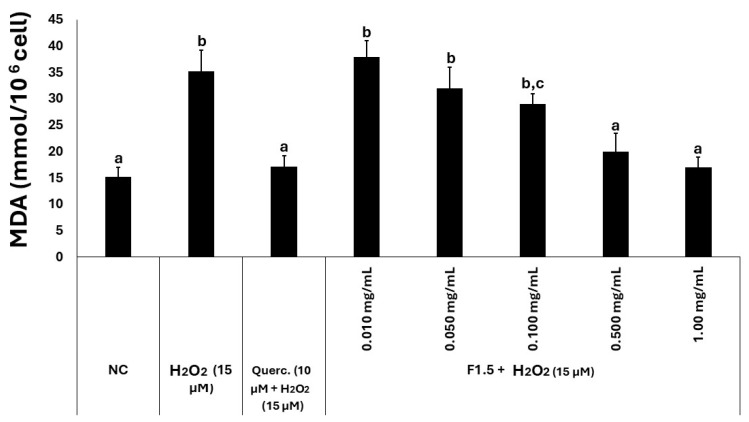 Figure 4
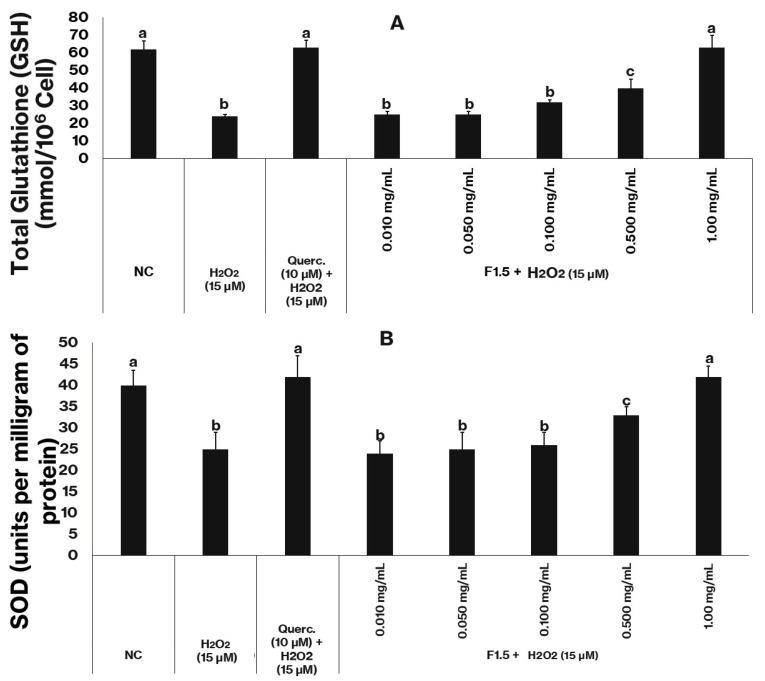 Figure 5
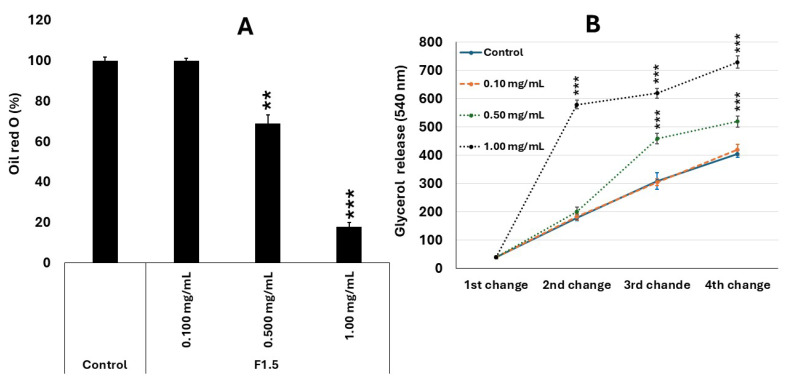 Figure 6
Peer Reviews
No public reviews on file for this paper yet. If you reviewed it on a platform where reviews are public (OpenReview, ICLR, NeurIPS, ICML), you can paste yours below so the community can read it here.
Videos
No videos yet. Explain this paper in a talk, walkthrough, or lecture? Add one.
Taxonomy
TopicsSeaweed-derived Bioactive Compounds · Marine and coastal plant biology · Polysaccharides and Plant Cell Walls