Effects and Molecular Mechanisms of Heat-Killed Postbiotic Enterococcus faecalis EF-2001 on Muscle Volume and Grip Strength in Dexamethasone-Induced Muscle Atrophy in SD Rats
Jin-Ho Lee, Kwon-Il Han, Eunwoo Jeong, Juyeong Moon, Min-ah Kim, Bon Seo Koo, Yura Lee, Sunhwa Baek, Han Sung Kim, Tack-Joong Kim

TL;DR
This study shows that a heat-killed postbiotic from Enterococcus faecalis EF-2001 can reduce muscle atrophy in rats by targeting specific molecular pathways.
Contribution
The study demonstrates the therapeutic potential of heat-killed EF-2001 in preventing muscle atrophy through preclinical evidence.
Findings
Heat-killed EF-2001 reduced cellular and DNA damage in dexamethasone-treated muscle cells.
EF-2001 increased AKT phosphorylation and suppressed Atrogin-1 expression in muscle cells.
In rats, EF-2001 reduced dexamethasone-induced muscle loss by regulating atrophy-related pathways.
Abstract
The interaction between the gut microbiota and human health has gained increasing recognition, accelerating advances in microbiome research. While early studies have emphasized probiotics, concerns regarding antibiotic resistance and adverse effects, such as sepsis, have shifted research interest towards heat-treated microbial cells or postbiotics. This study investigated the therapeutic potential of heat-killed postbiotic Enterococcus faecalis EF-2001—one of the most widely used postbiotics worldwide—for the prevention and treatment of muscle atrophy. In vitro, mouse C2C12 myotubes were pretreated with heat-killed postbiotic EF-2001 (50–500 μg/mL) for 48 h and then treated with dexamethasone (100 μM) to induce muscle atrophy. In vivo, male Sprague Dawley rats were treated with low-dose (3 mg/kg) and high-dose (30 mg/kg) EF-2001 for efficacy studies. Heat-killed postbiotic EF-2001…
Genes, proteins, chemicals, diseases, species, mutations and cell lines named across the full text — each resolved to its canonical identifier and authoritative record.
Click any figure to enlarge with its caption.
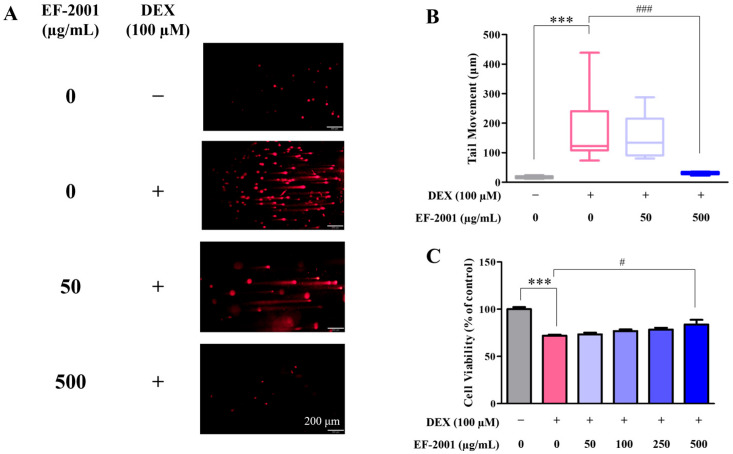 Figure 1
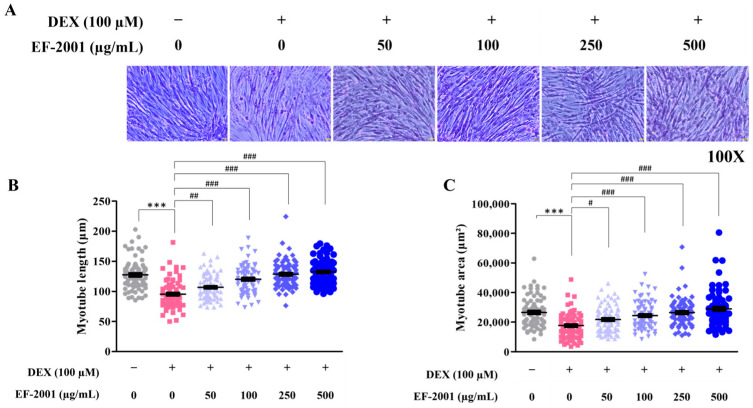 Figure 2
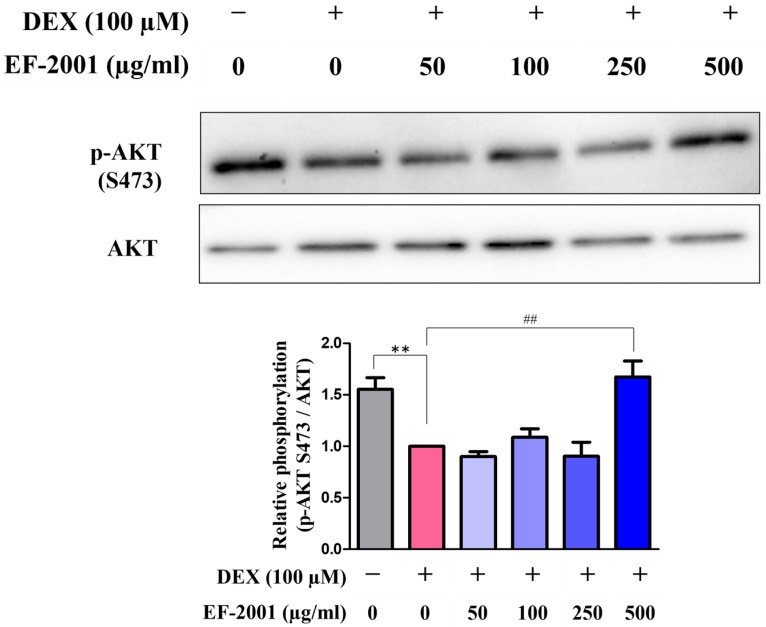 Figure 3
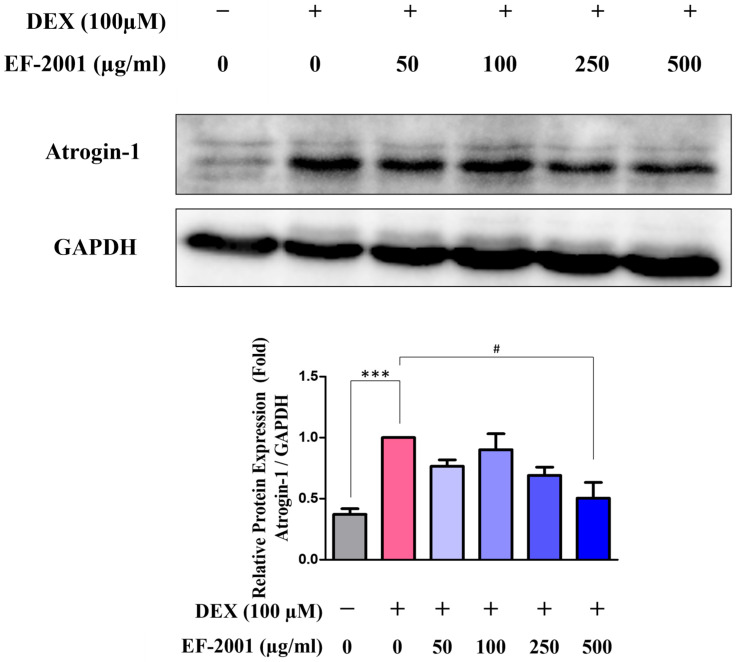 Figure 4
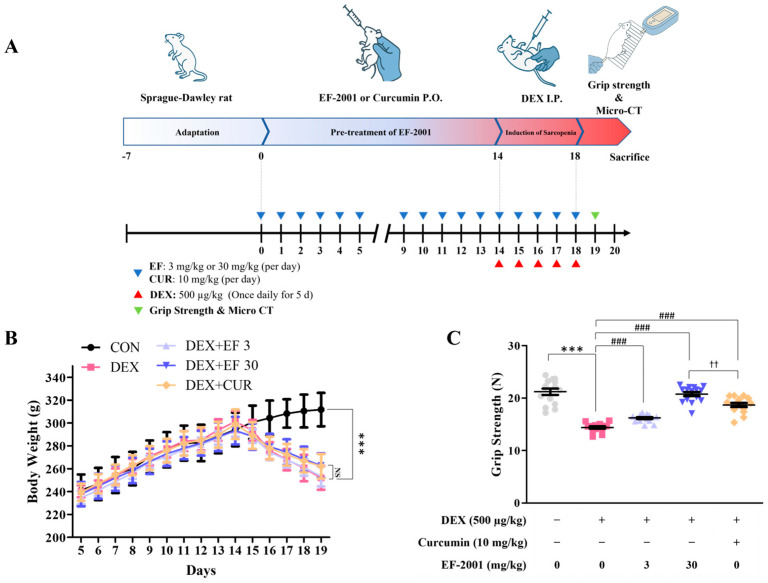 Figure 5
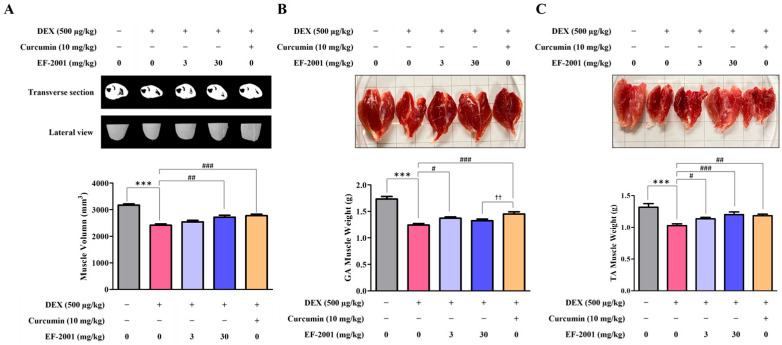 Figure 6
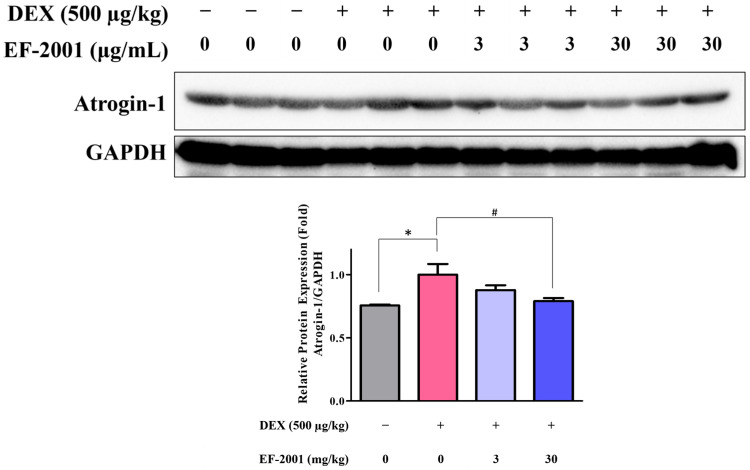 Figure 7
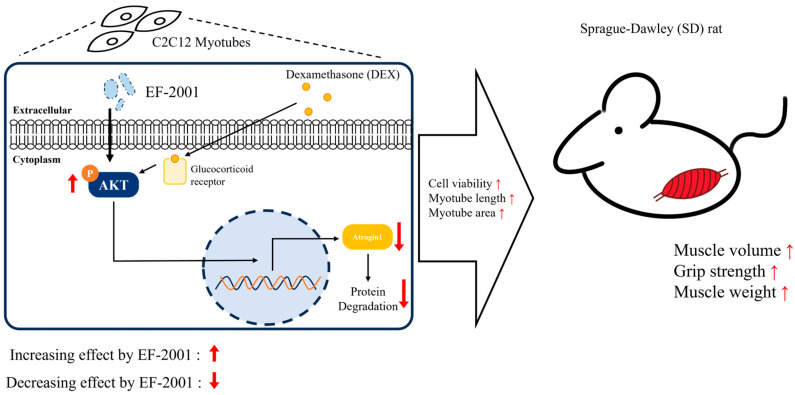 Figure 8
Peer Reviews
No public reviews on file for this paper yet. If you reviewed it on a platform where reviews are public (OpenReview, ICLR, NeurIPS, ICML), you can paste yours below so the community can read it here.
Videos
No videos yet. Explain this paper in a talk, walkthrough, or lecture? Add one.
Taxonomy
TopicsMuscle Physiology and Disorders · Exercise and Physiological Responses · Cardiovascular and exercise physiology