Unveiling the Hidden Risk: Ticagrelor-Induced Bradyarrhythmias and Conduction Complications in ACS Patients—Case Series
Aleksandra Gorzynska-Schulz, Damian Stencelewski, Ludmiła Daniłowicz-Szymanowicz, Monika Lica-Gorzynska, Agata Firkowska, Elżbieta Wabich

TL;DR
This paper reports two cases where the drug ticagrelor caused dangerous heart rhythm issues in patients recovering from heart attacks, which improved after stopping the drug.
Contribution
The study highlights ticagrelor-induced bradyarrhythmias as a rare but important adverse effect in ACS patients, with successful management through drug discontinuation and theophylline.
Findings
A 67-year-old woman with NSTEMI developed third-degree heart block and syncope, resolving after ticagrelor was stopped and theophylline was given.
A 67-year-old man with STEMI experienced sinus pauses up to 5 seconds, which also resolved after ticagrelor discontinuation and theophylline use.
Switching to prasugrel prevented recurrence of arrhythmias in both patients.
Abstract
Background: Ticagrelor is a reversible, direct inhibitor of the platelet adenosine diphosphate (P2Y12) receptor, widely used in combination with acetylsalicylic acid (ASA) as dual antiplatelet therapy (DAPT) in patients with acute coronary syndrome (ACS) to prevent cardiovascular events. Despite its well-established efficacy, ticagrelor may cause adverse effects ranging from common ones (e.g., bleeding, dyspnea) to rare but potentially serious reactions such as bradyarrhythmias. These rare events are likely related to elevated adenosine levels secondary to inhibition of the human equilibrative nucleoside transporter 1 (hENT1). Methods: We describe two clinical cases of ticagrelor-associated bradyarrhythmia observed in patients following ACS. Both cases were analyzed in terms of clinical presentation, ECG findings, management strategy, and outcomes after discontinuation of the drug.…
Genes, proteins, chemicals, diseases, species, mutations and cell lines named across the full text — each resolved to its canonical identifier and authoritative record.
Click any figure to enlarge with its caption.
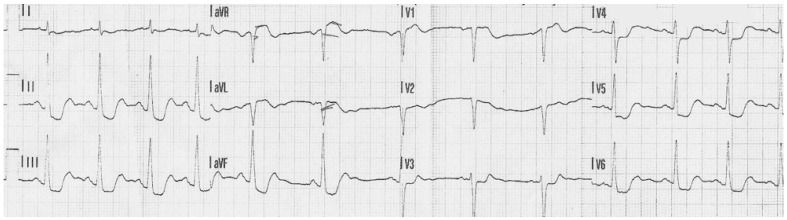 Figure 1
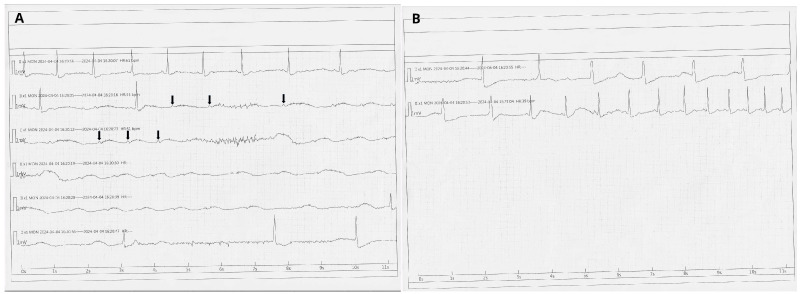 Figure 2
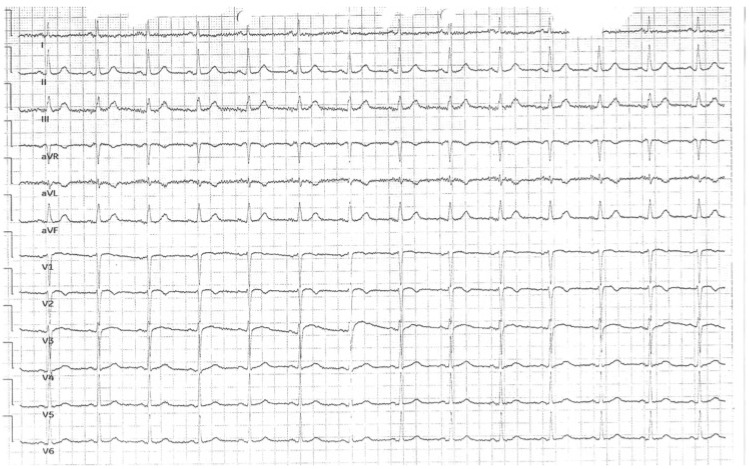 Figure 3
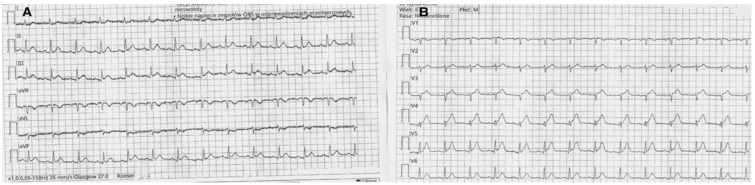 Figure 4
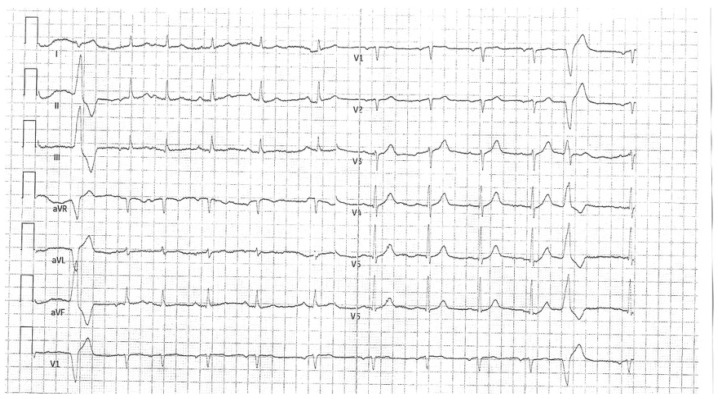 Figure 5
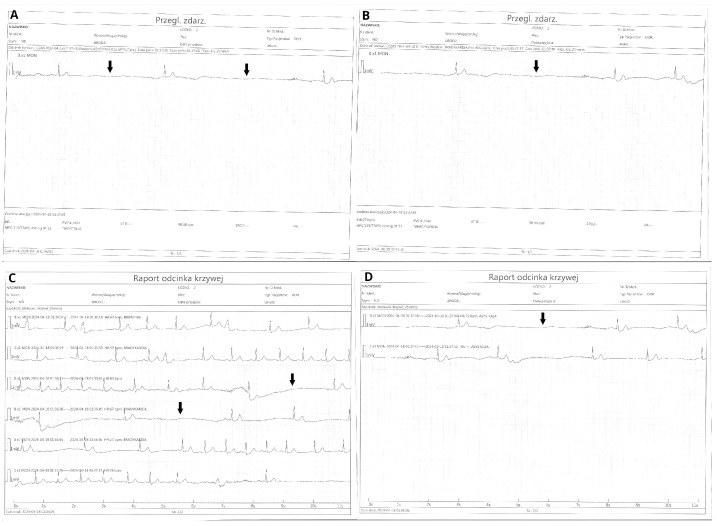 Figure 6
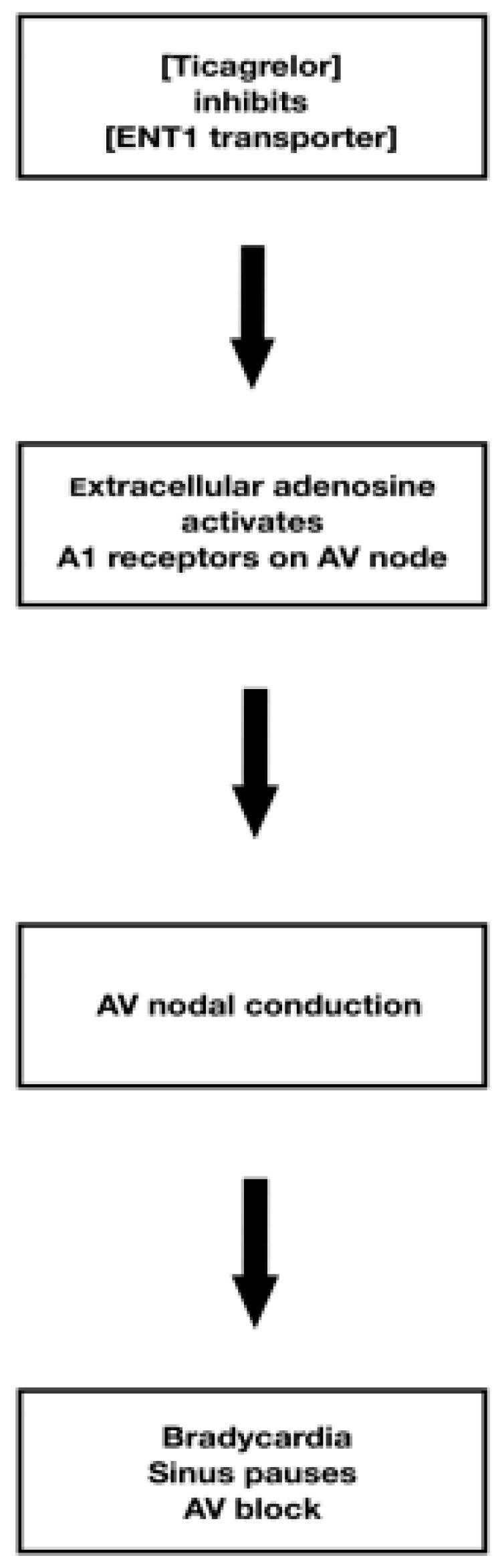 Figure 7
Peer Reviews
No public reviews on file for this paper yet. If you reviewed it on a platform where reviews are public (OpenReview, ICLR, NeurIPS, ICML), you can paste yours below so the community can read it here.
Videos
No videos yet. Explain this paper in a talk, walkthrough, or lecture? Add one.
Taxonomy
TopicsAntiplatelet Therapy and Cardiovascular Diseases · Adenosine and Purinergic Signaling · Diabetes Treatment and Management