A Simple and Cost-Effective Retractor for Transorbital Neurosurgery: Technical Note and Application in Lacrimal Keyhole Approaches
Luca Ferlendis, Arianna Fava, Thibault Passeri, Rosaria Abbritti, Sebastien Froelich

TL;DR
A low-cost, handmade retractor improves safety and maneuverability in transorbital neurosurgery.
Contribution
A novel, semi-rigid plastic retractor is introduced for safer and more effective transorbital neurosurgery.
Findings
The retractor provided stable, low-intensity retraction with even pressure distribution.
No orbital or visual complications were observed in thirteen procedures using the device.
The tool facilitated both microscopic and endoscopic maneuverability without causing aesthetic defects.
Abstract
Background: Transorbital approaches (TOAs) provide minimally invasive access to anterior and middle cranial fossa lesions. However, orbital retraction remains a challenge, as narrow corridors limit maneuverability and excessive retraction increase complication risk. Conventional rigid or malleable retractors may obstruct the corridor or exert uneven pressure on delicate tissues. We present a handmade, semi-rigid plastic retractor as a low-cost, effective solution to optimize orbital retraction in TOAs. Methods: The retractor was fashioned from a cylindrical plastic drill bit container, cut into two semicircular pieces with rounded edges. Its application is described within the transorbital eyebrow lacrimal keyhole approach (TELKA). During the bony phase, one piece is placed on the orbital roof for periorbital retraction and protection, while a second may be positioned laterally to…
Genes, proteins, chemicals, diseases, species, mutations and cell lines named across the full text — each resolved to its canonical identifier and authoritative record.
Click any figure to enlarge with its caption.
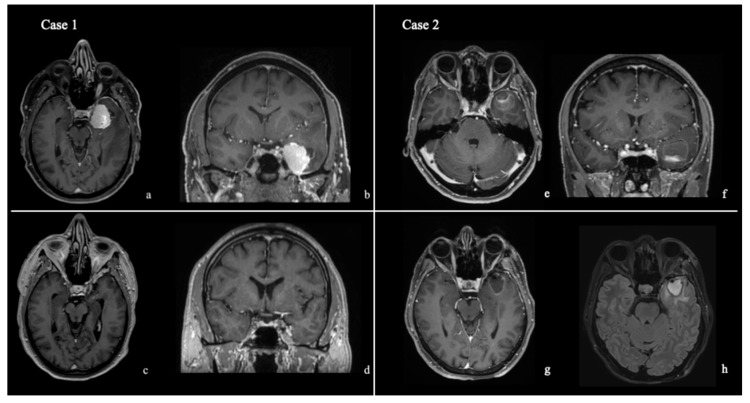 Figure 1
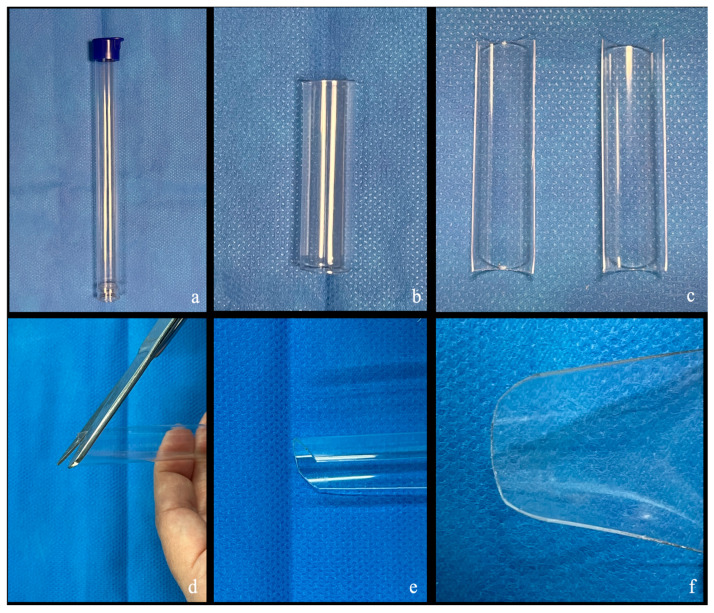 Figure 2
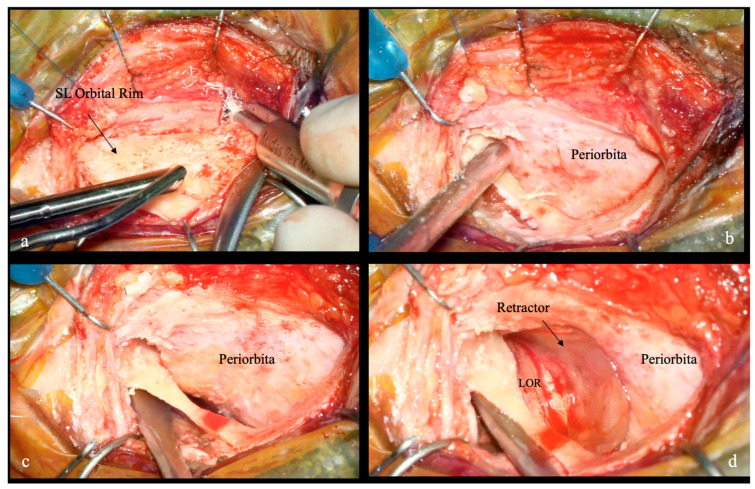 Figure 3
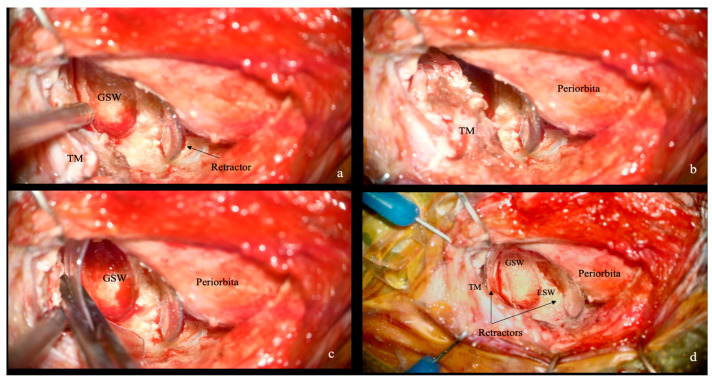 Figure 4
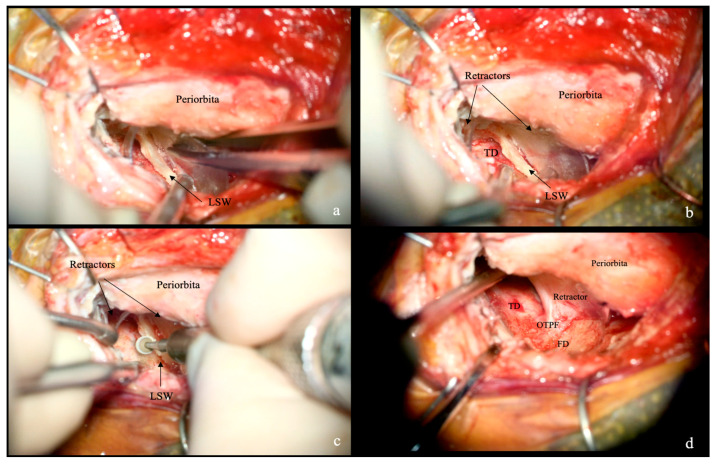 Figure 5
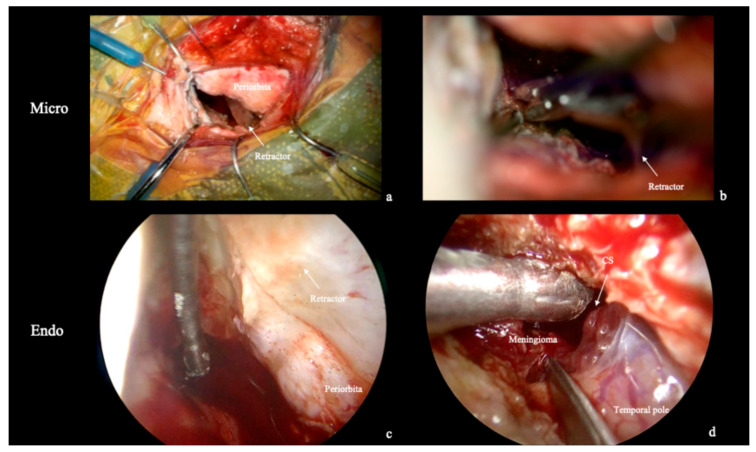 Figure 6
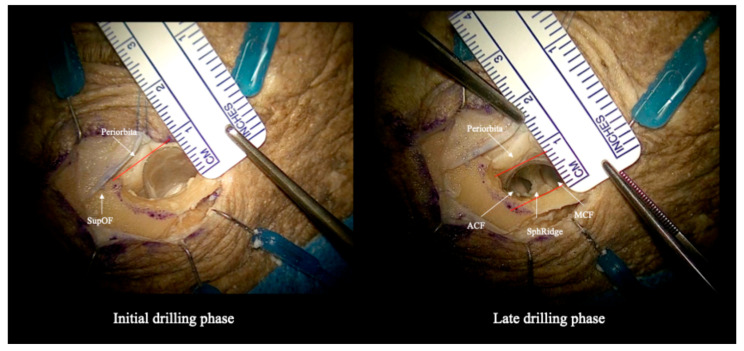 Figure 7
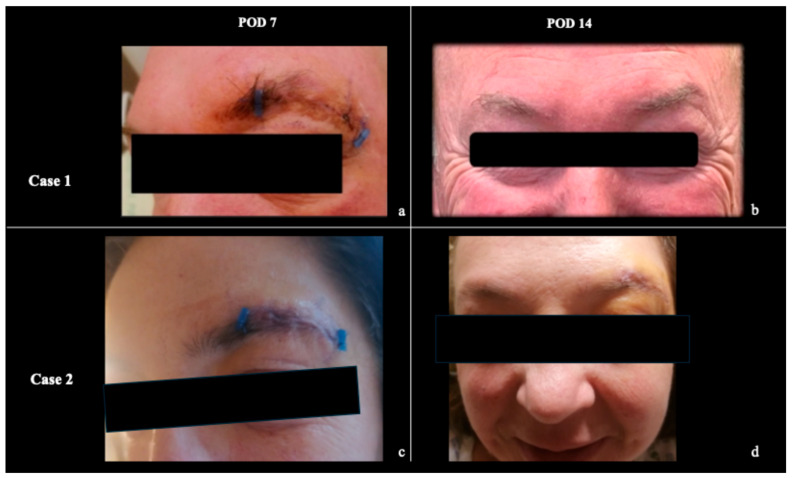 Figure 8
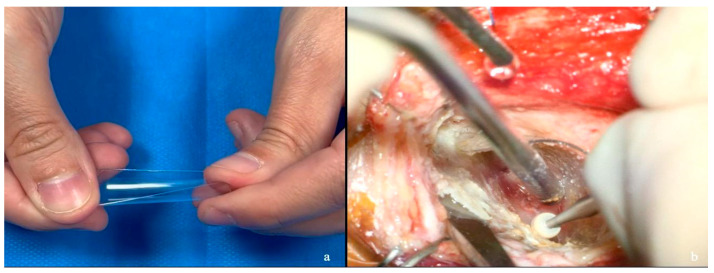 Figure 9
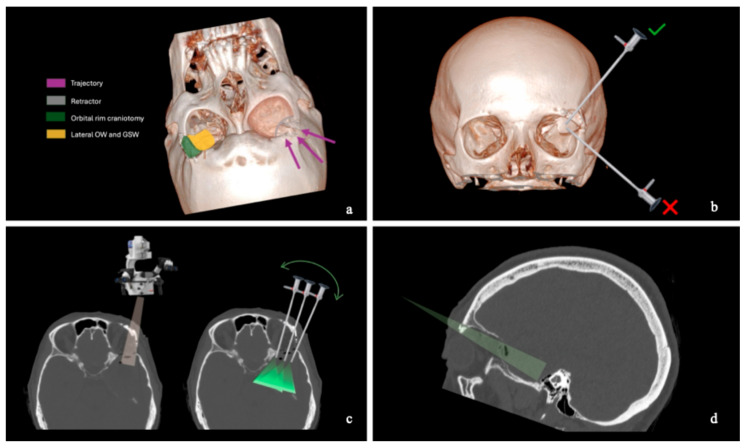 Figure 10
Peer Reviews
No public reviews on file for this paper yet. If you reviewed it on a platform where reviews are public (OpenReview, ICLR, NeurIPS, ICML), you can paste yours below so the community can read it here.
Videos
No videos yet. Explain this paper in a talk, walkthrough, or lecture? Add one.
Taxonomy
TopicsFacial Trauma and Fracture Management · Ophthalmology and Eye Disorders · Nasolacrimal Duct Obstruction Treatments