The Invasive Nearctic Pest Platynota stultana Walsingham (Lepidoptera: Tortricidae) Is Established in Southern Italy
Lorenzo Goglia, Giorgio Formisano, Valentino Maria Guastaferro, Lorenza Albano, Domenico Giuseppe Crispo, Raffaele Griffo, Gennaro Di Prisco, Massimo Giorgini

TL;DR
A harmful moth from North America has become established in Southern Italy, raising concerns about its spread and impact on crops due to climate change.
Contribution
The first confirmation of Platynota stultana's establishment in Southern Italy through genetic analysis and population observations.
Findings
Platynota stultana is now established in Southern Italy, as evidenced by multiple sightings over two years.
Genetic analysis revealed three haplotypes, with two matching those from Florida, suggesting multiple introductions.
Global warming may facilitate the moth's expansion in the Mediterranean, posing a threat to agriculture.
Abstract
Platynota stultana is a Nearctic moth known to be a polyphagous pest of economic importance that targets many horticultural, fruit, and flower crops in North America. Its introduction into warm climate regions, through the trade of agricultural products, is feared. It is a quarantine pest worldwide. The Mediterranean Basin, with regions characterized by a climate close to that of its native range (South-Western USA and Mexico), is at risk of invasion. In this area, to date, the species is only established in Spain, where it is of limited economic interest. In Italy, P. stultana has been reported sporadically several times, but it is unknown whether these records are transient findings or the result of an establishment. In this study, we show that P. stultana has become established in Southern Italy. Through sequencing and phylogenetic analysis of the mitochondrial COI gene, we…
Genes, proteins, chemicals, diseases, species, mutations and cell lines named across the full text — each resolved to its canonical identifier and authoritative record.
Click any figure to enlarge with its caption.
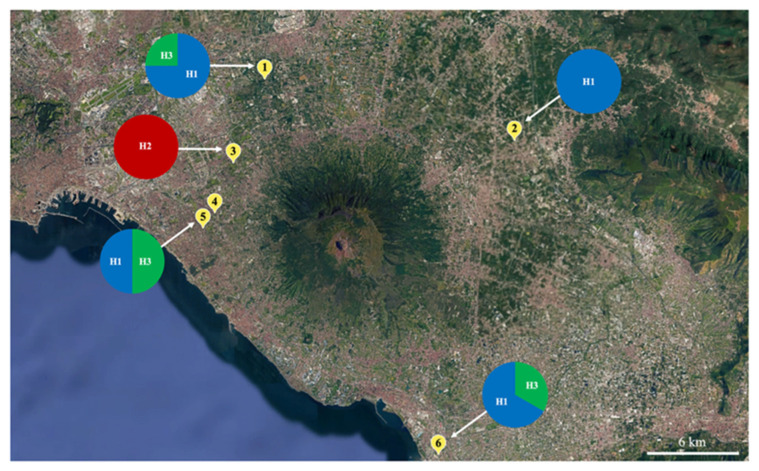 Figure 1
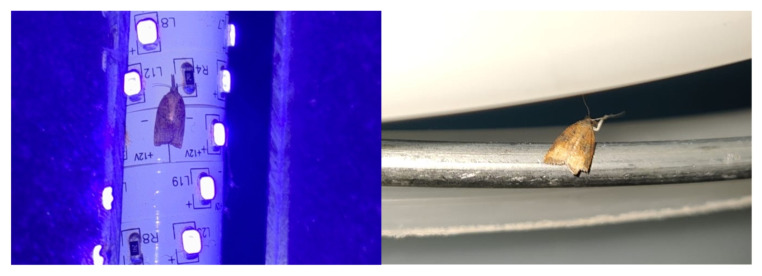 Figure 2
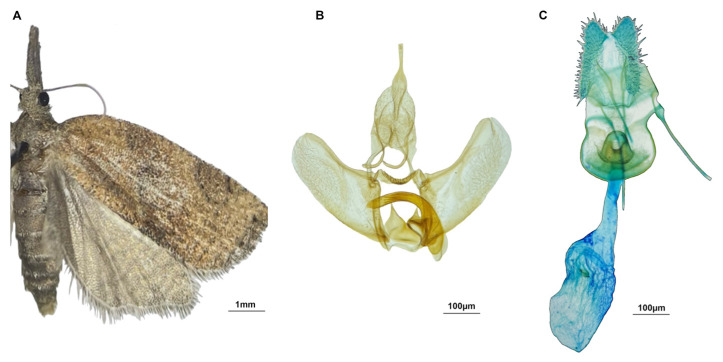 Figure 3
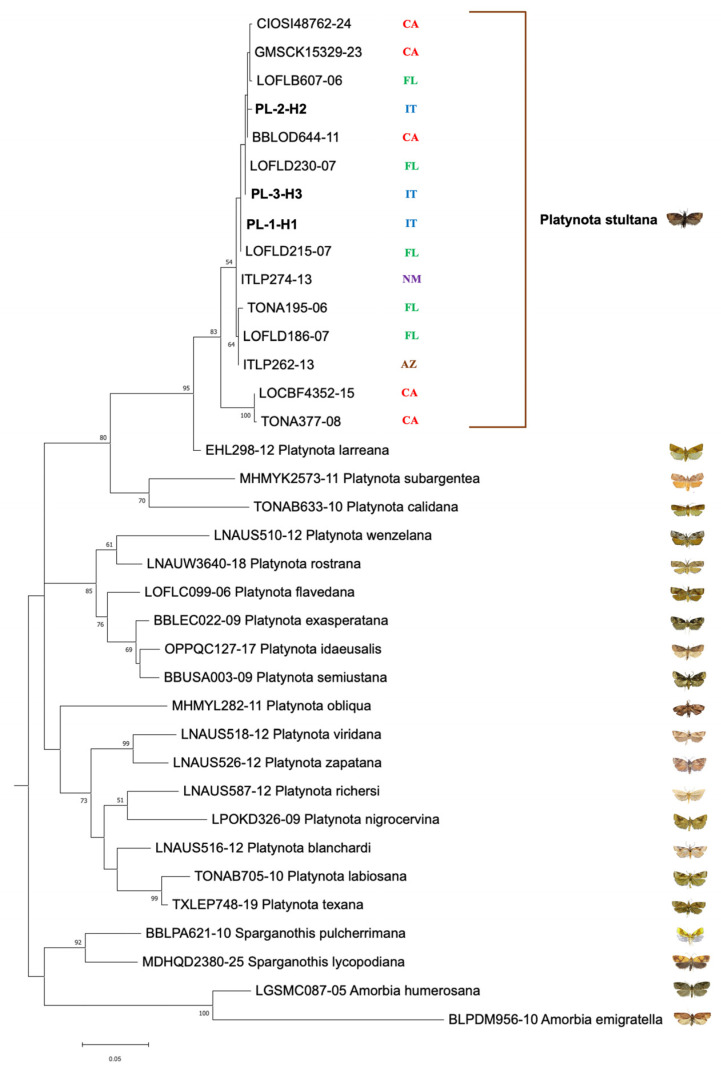 Figure 4
Peer Reviews
No public reviews on file for this paper yet. If you reviewed it on a platform where reviews are public (OpenReview, ICLR, NeurIPS, ICML), you can paste yours below so the community can read it here.
Videos
No videos yet. Explain this paper in a talk, walkthrough, or lecture? Add one.
Taxonomy
TopicsInsect Pheromone Research and Control · Lepidoptera: Biology and Taxonomy · Insect-Plant Interactions and Control