The Accuracy of Maxillary Canines’ Rotation with Different Attachment Designs: A Retrospective Study
Edoardo Staderini, Marianna Balacco, Federica Guglielmi, Michele Tepedino, Anna Alessandri-Bonetti, Rosalba Diana, Licia Leccese, Massimo Cordaro, Patrizia Gallenzi

TL;DR
This study compares different attachment designs to improve the accuracy of rotating maxillary canines using clear aligners.
Contribution
The study evaluates three crescent-shaped attachment orientations for maxillary canine rotations with clear aligners.
Findings
Oblique attachments showed a trend toward better rotational accuracy compared to vertical ones.
No significant differences were found among all three attachment designs overall.
Digital models were used to assess rotational accuracy in a retrospective analysis.
Abstract
Background/Objectives: The rotation of maxillary canines represents one of the least predictable movements with clear aligners, particularly in cases requiring rotations greater than 10°, due to the rounded crown morphology and limited aligner grip. The aim of this retrospective study was to compare three different crescent-shaped attachment designs (vertical, horizontal, and oblique) for maxillary canine rotations greater than 10° with clear aligners. Methods: Seventy-eight maxillary canines were retrospectively selected and allocated into three equal groups (n = 26) according to the orientation of the applied attachment: vertical, horizontal, or oblique crescent-shaped attachments. Digital STL models (initial, predicted, and final) were imported into Dolphin 3D software 12.0.63 to assess the accuracy of maxillary canine’s rotation through the comparison between planned and achieved…
Genes, proteins, chemicals, diseases, species, mutations and cell lines named across the full text — each resolved to its canonical identifier and authoritative record.
Click any figure to enlarge with its caption.
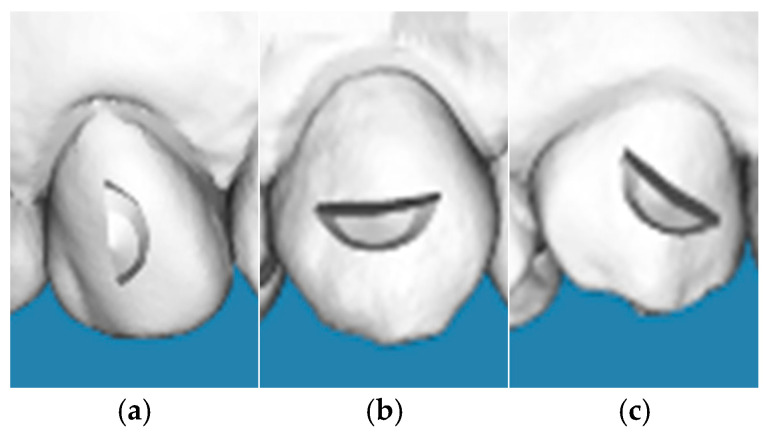 Figure 1
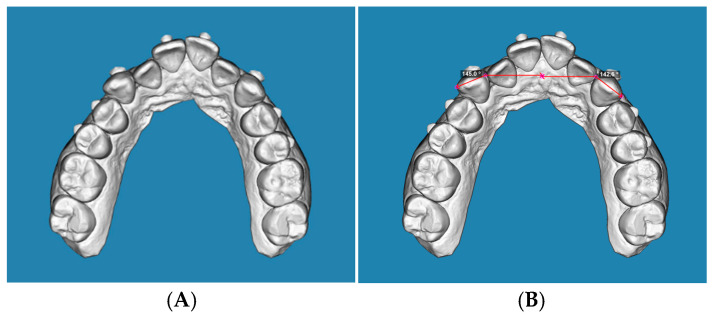 Figure 2
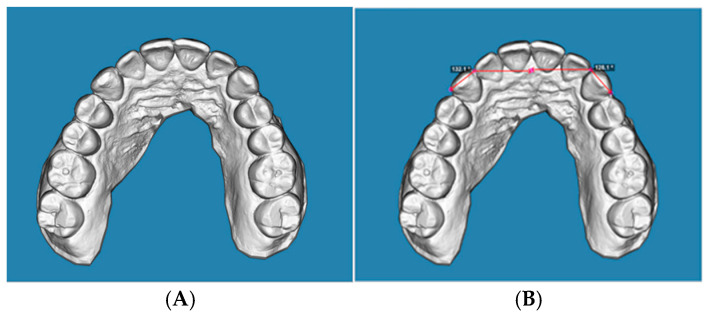 Figure 3
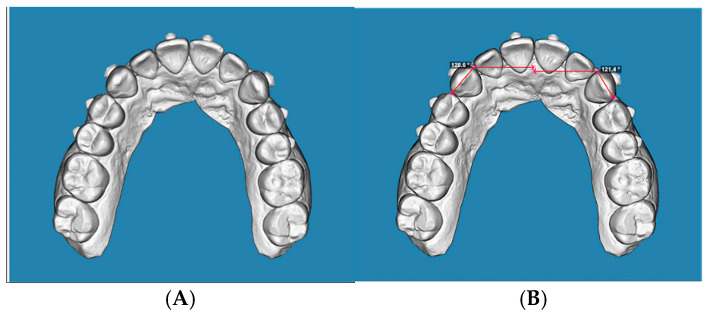 Figure 4
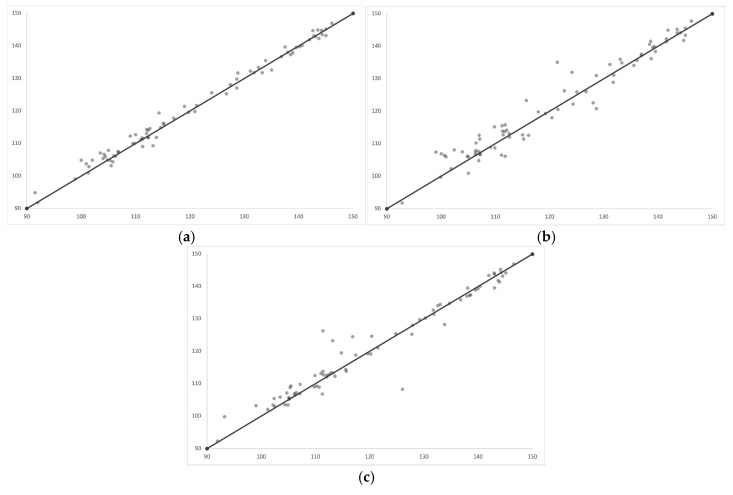 Figure 5
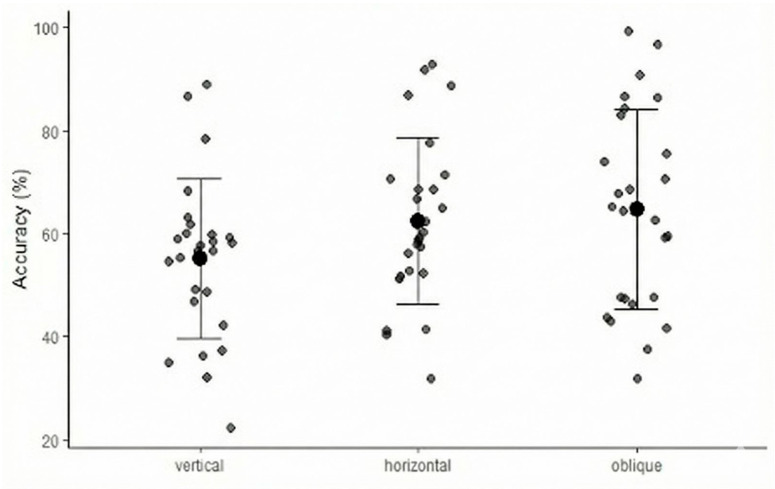 Figure 6
Peer Reviews
No public reviews on file for this paper yet. If you reviewed it on a platform where reviews are public (OpenReview, ICLR, NeurIPS, ICML), you can paste yours below so the community can read it here.
Videos
No videos yet. Explain this paper in a talk, walkthrough, or lecture? Add one.
Taxonomy
TopicsOrthodontics and Dentofacial Orthopedics · dental development and anomalies · Facial Trauma and Fracture Management