Defining the Critical Role of α-Gustducin for NF-κB Inhibition and Anti-Inflammatory Signal Transduction by Bitter Agonists in Lung Epithelium
Yuzhen Fang, Qiujie Wang, Shuobin Wu, Xinxiu He, Shengyu Wang, Ruonan Ma, Hao Zhao, Xiaoyi Zhao, Xing Wang, Yuxin Zhang

TL;DR
This study shows that bitter compounds reduce lung inflammation by acting through a specific protein called α-gustducin, offering new insights for treating inflammatory lung diseases.
Contribution
The study systematically compares bitter agonists and provides direct genetic evidence that GNAT3 is essential for their anti-inflammatory effects in lung cells.
Findings
LPS treatment increases IL-6 and IL-8 mRNA and activates NF-κB in BEAS-2B cells.
Bitter agonists like PTC, QN, CPD, and LK suppress inflammation and NF-κB activation via T2R subtypes.
GNAT3 is specifically required for the anti-inflammatory effects of bitter agonists, confirmed by siRNA knockdown.
Abstract
This study evaluates and compares the protective effects of several type II taste receptor (T2R) agonists against LPS (lipopolysaccharide)-induced inflammatory damage in BEAS-2B cells, focusing on their action via an α-gustducin (encoded by GNAT3)-dependent signaling pathway that leads to NF-κB inhibition. To investigate gene expression, mRNA levels of target inflammatory cytokines and T2R subtypes were quantified by qRT-PCR. Cytotoxicity assessment of LPS and bitter agonists was conducted using the CCK-8 assay. The activation status of the NF-κB pathway was examined by Western blot analysis of total and phosphorylated forms of p65 and IκB. Finally, the specific and essential role of GNAT3 was definitively validated through siRNA-mediated gene knockdown. LPS treatment induced significant upregulation of IL-6 and IL-8 mRNA, along with increased phosphorylation of p65 and IκB in BEAS-2B…
Genes, proteins, chemicals, diseases, species, mutations and cell lines named across the full text — each resolved to its canonical identifier and authoritative record.
Click any figure to enlarge with its caption.
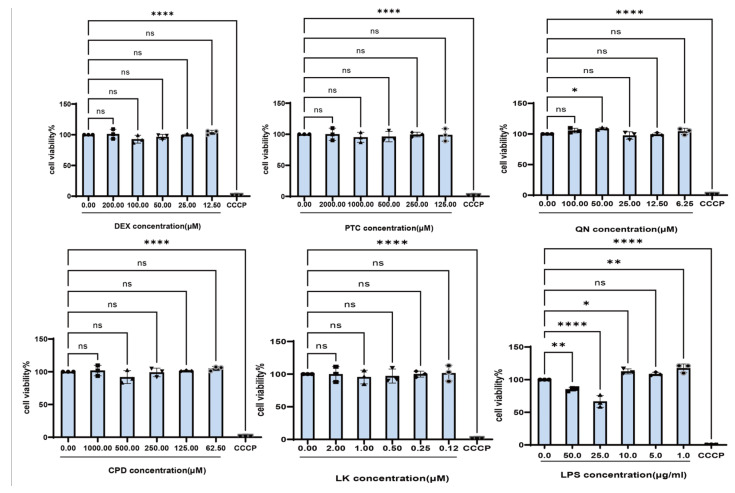 Figure 1
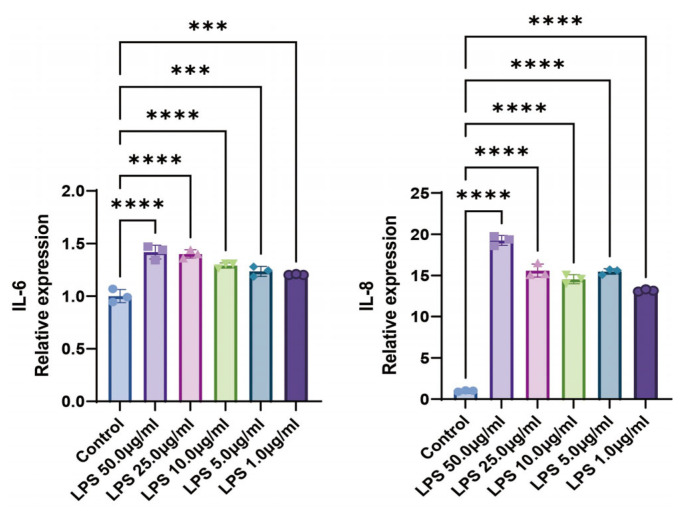 Figure 2
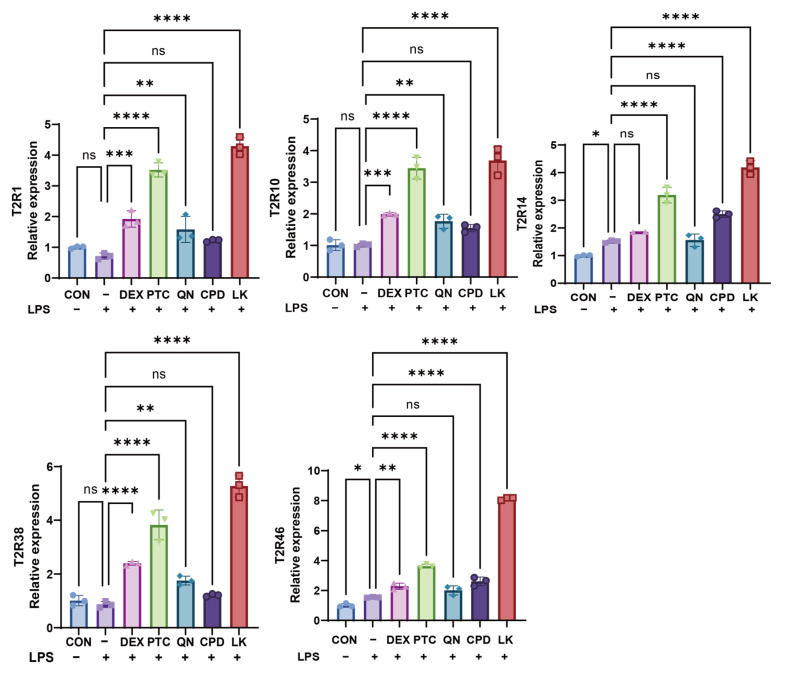 Figure 3
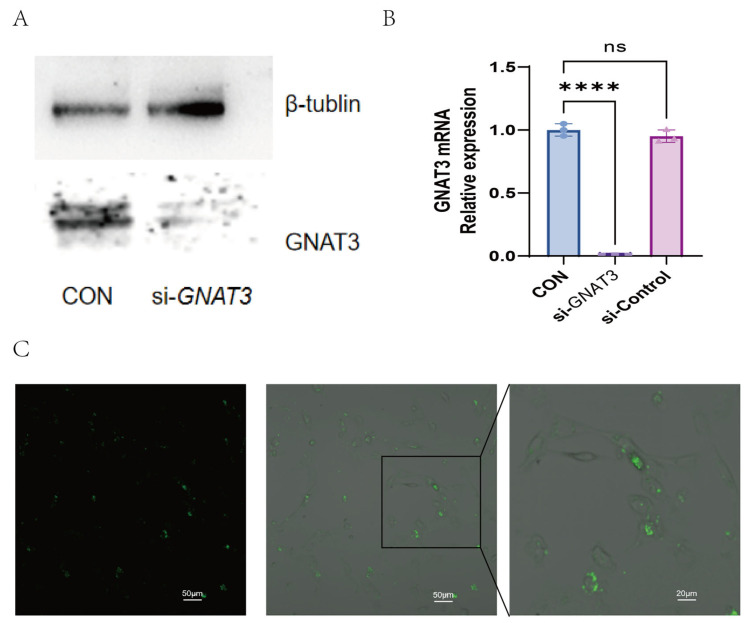 Figure 4
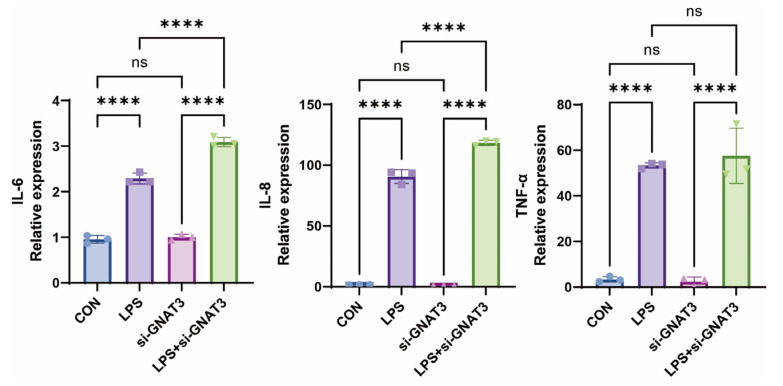 Figure 5
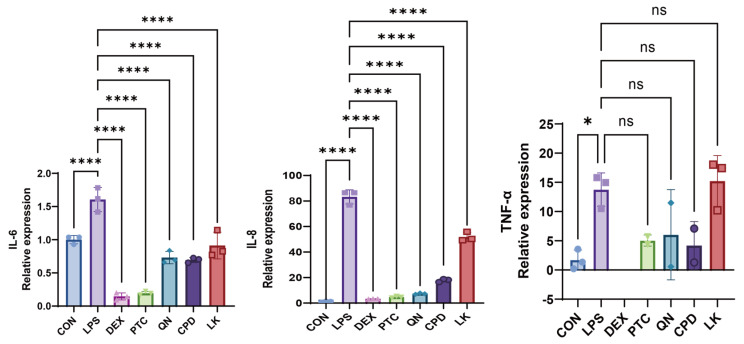 Figure 6
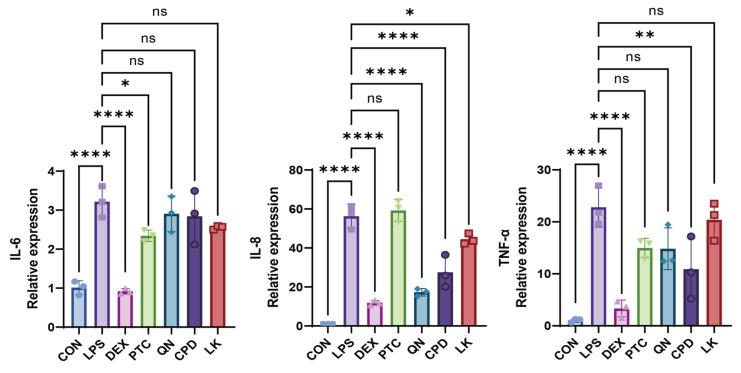 Figure 7
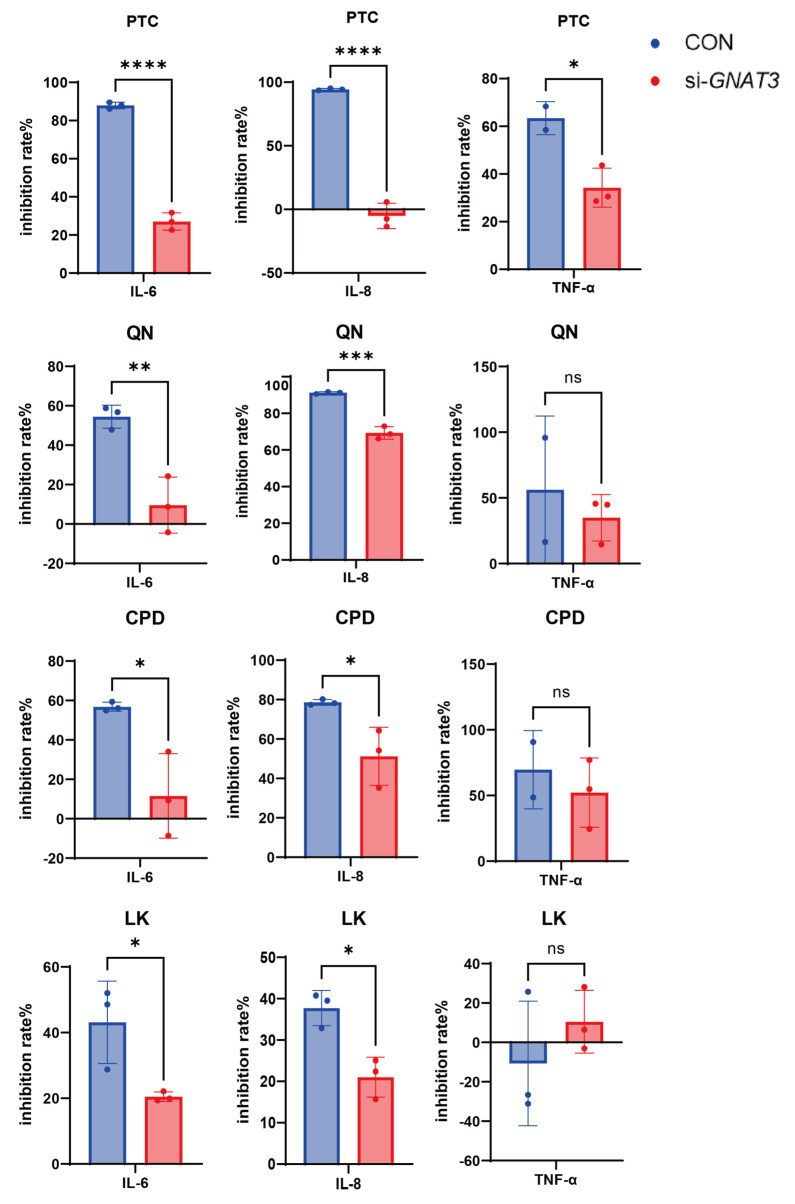 Figure 8
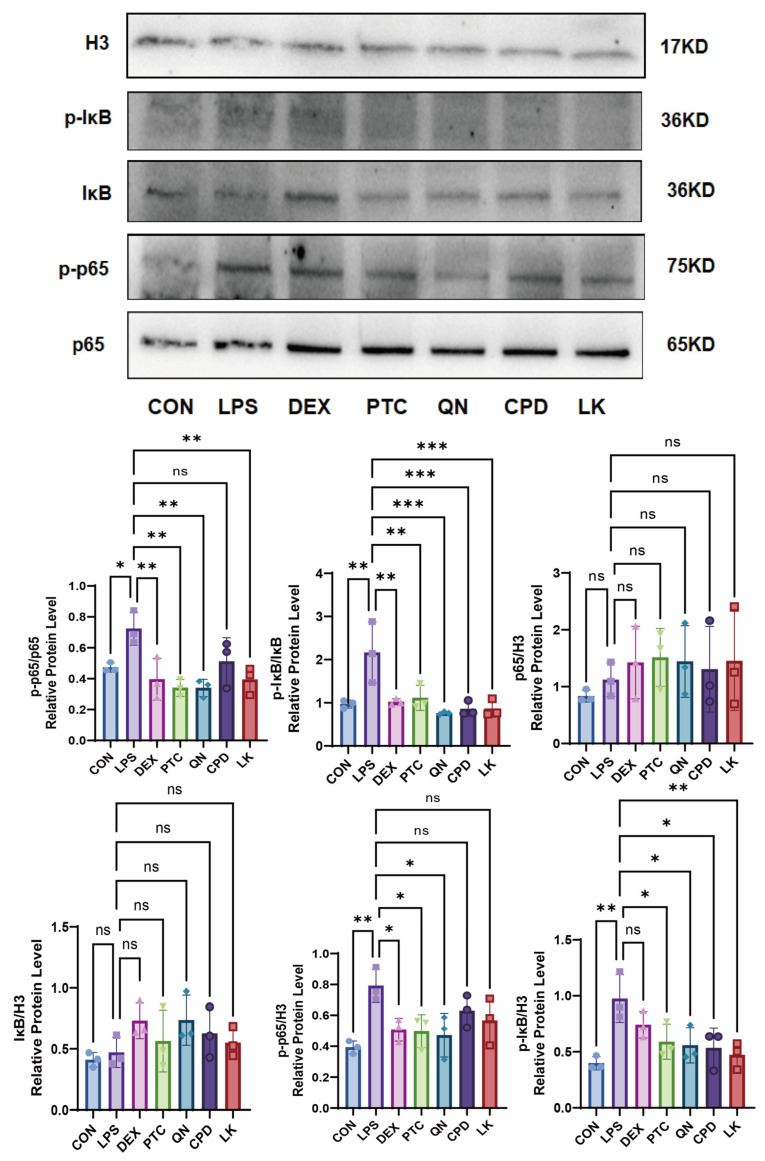 Figure 9
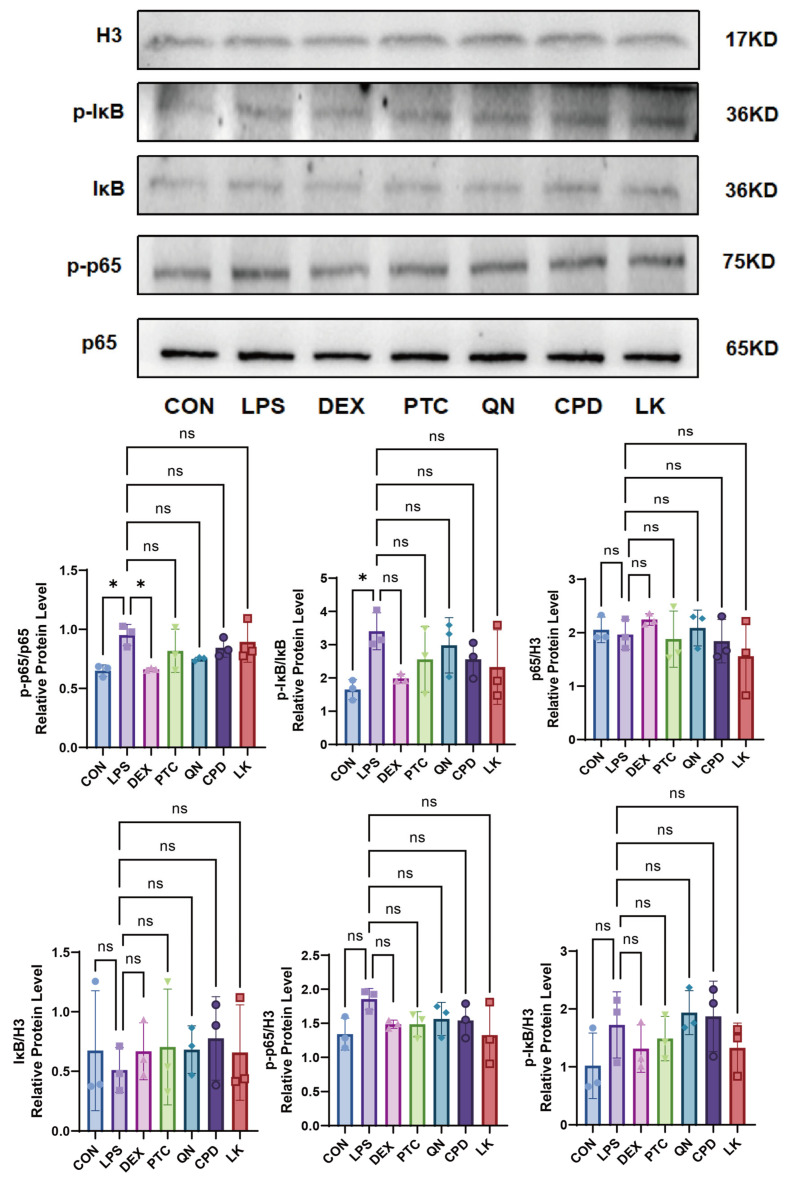 Figure 10
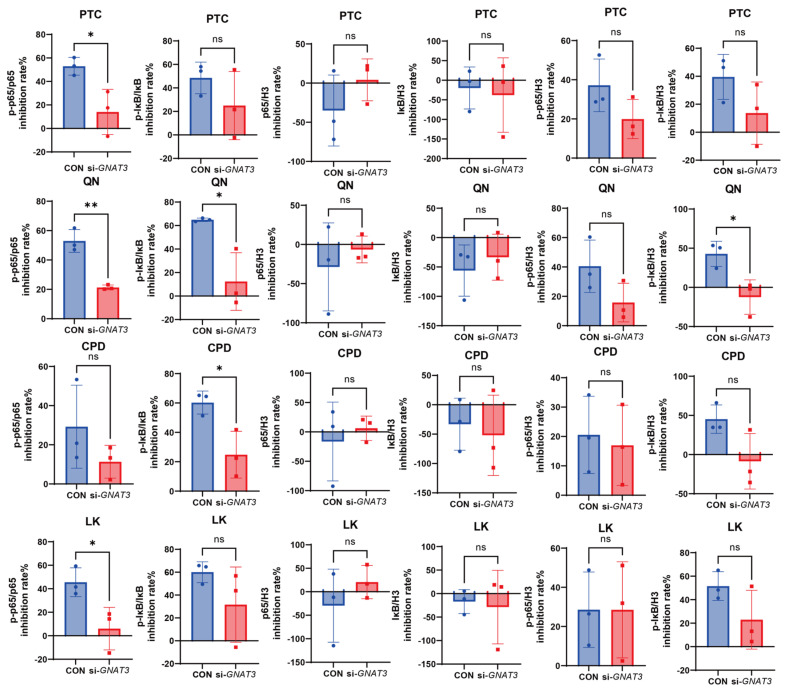 Figure 11
Peer Reviews
No public reviews on file for this paper yet. If you reviewed it on a platform where reviews are public (OpenReview, ICLR, NeurIPS, ICML), you can paste yours below so the community can read it here.
Videos
No videos yet. Explain this paper in a talk, walkthrough, or lecture? Add one.
Taxonomy
TopicsBiochemical Analysis and Sensing Techniques · Advanced Chemical Sensor Technologies · Olfactory and Sensory Function Studies