Stability-Driven Osteoporosis Screening: Multi-View Consensus Feature Selection with External Validation and Sensitivity Analysis
Waragunt Waratamrongpatai, Watcharaporn Cholamjiak, Nontawat Eiamniran, Phatcharapon Udomluck

TL;DR
This study evaluates how stable and effective simplified models are for predicting osteoporosis risk using established factors like age and medication, finding that they perform well compared to more complex models.
Contribution
The study introduces a stability-driven approach to feature selection in osteoporosis screening, validating simplified models across datasets.
Findings
Age and corticosteroid use are dominant predictors of osteoporosis risk across datasets.
Simplified models using age and medication variables achieved high accuracy and AUC comparable to full-feature models.
Naïve Bayes and linear classifiers showed the most stable performance under external validation.
Abstract
Background/Objectives: Osteoporosis is a major global health concern, and early risk assessment plays a crucial role in fracture prevention. Although demographic, clinical, and lifestyle factors are commonly incorporated into screening tools, their relative importance within data-driven prediction frameworks can vary substantially across datasets. Rather than aiming to identify novel predictors, this study evaluates the stability and behavior of established osteoporosis risk factors using statistical inference and machine learning-based feature selection methods across heterogeneous data sources. We further examine whether simplified and near-minimal models can achieve predictive performances comparable to that of full-feature configurations. Methods: An open-access Kaggle dataset (n = 1958) and a retrospective clinical dataset from the University of Phayao Hospital (n = 176) were…
Genes, proteins, chemicals, diseases, species, mutations and cell lines named across the full text — each resolved to its canonical identifier and authoritative record.
Click any figure to enlarge with its caption.
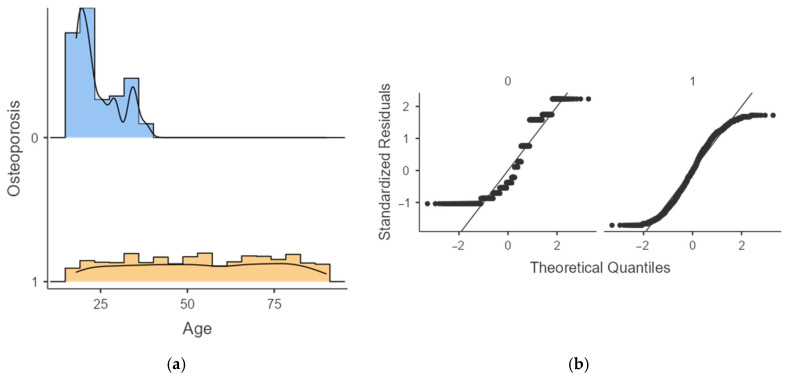 Figure 1
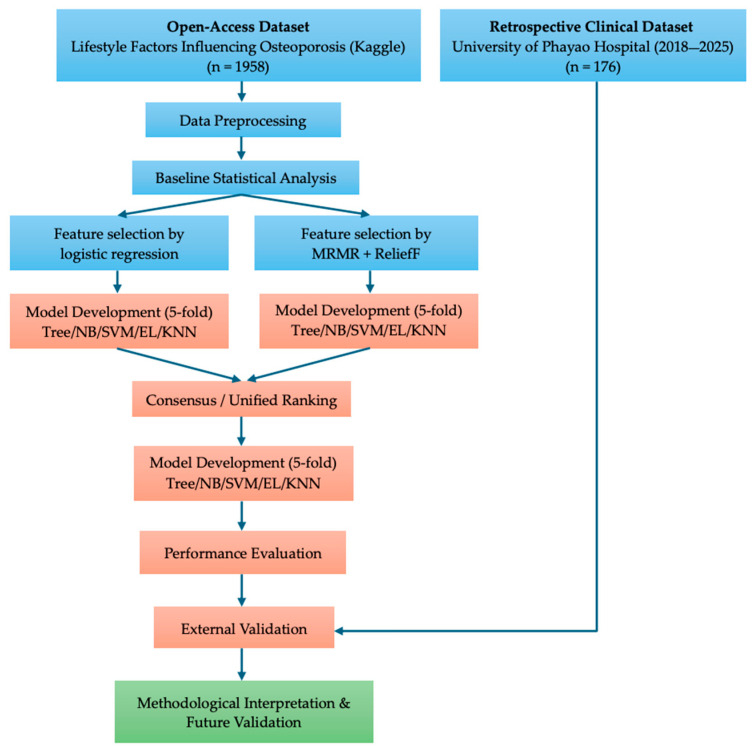 Figure 2
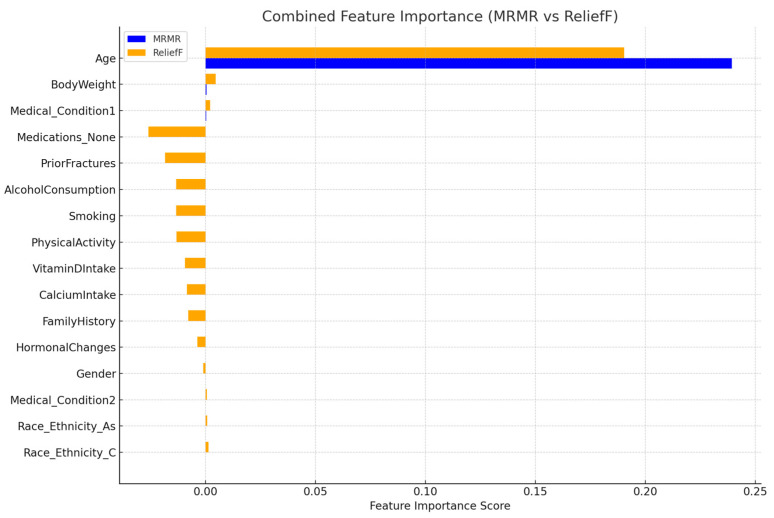 Figure 3
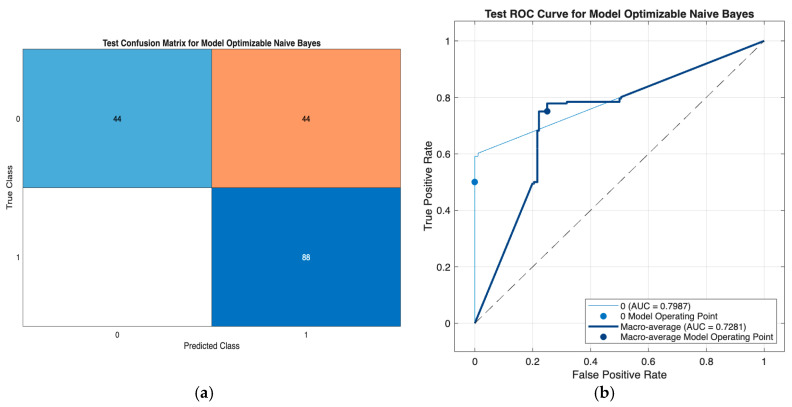 Figure 4
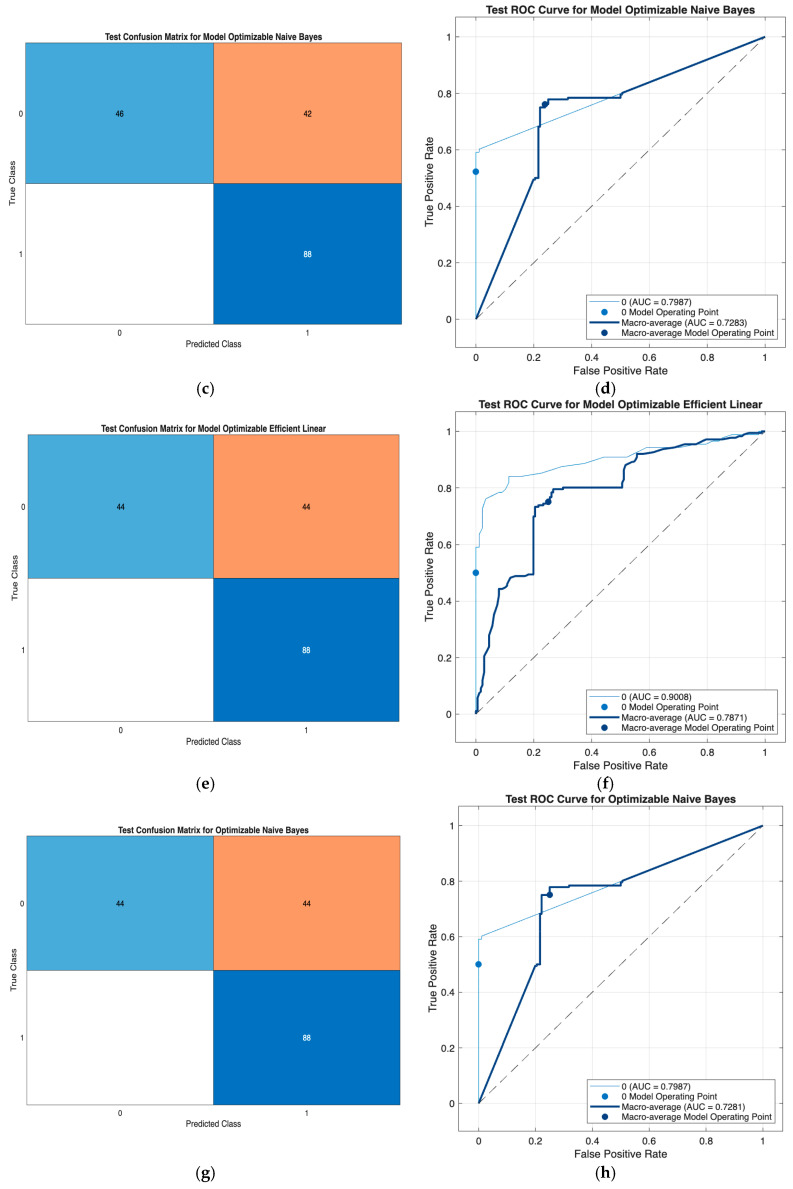 Figure 5
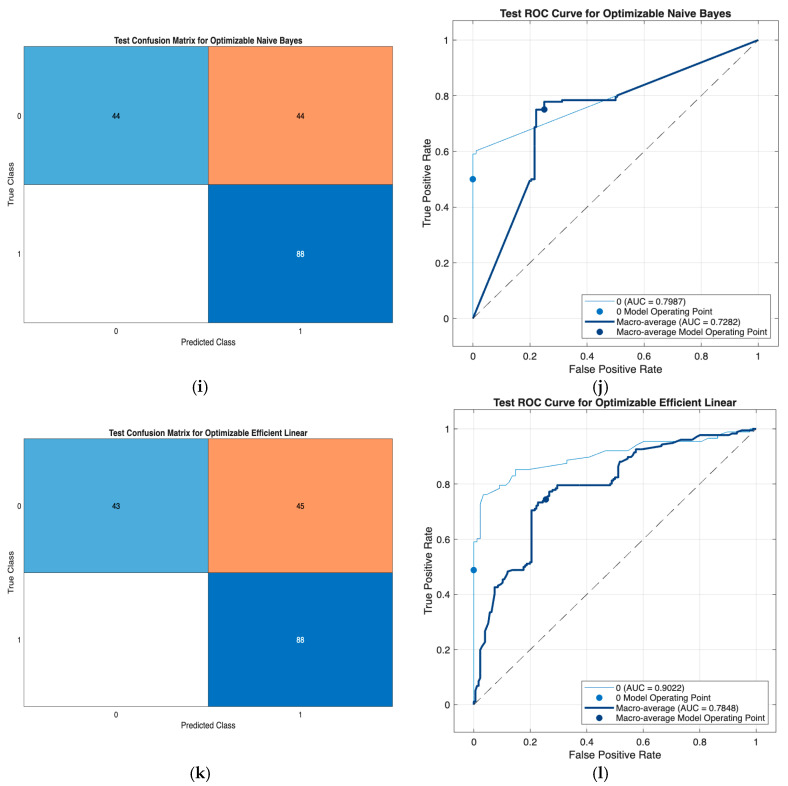 Figure 6
Peer Reviews
No public reviews on file for this paper yet. If you reviewed it on a platform where reviews are public (OpenReview, ICLR, NeurIPS, ICML), you can paste yours below so the community can read it here.
Videos
No videos yet. Explain this paper in a talk, walkthrough, or lecture? Add one.
Taxonomy
TopicsBone health and osteoporosis research · Statistical Methods in Epidemiology · Bone Metabolism and Diseases