Association Between Bone Density and Maxillary Canine Impaction: A CBCT-Based Study
Gianna Dipalma, Angelo Michele Inchingolo, Roberta Morolla, Francesco Inchingolo, Daniela Di Venere, Cinzia Maspero, Andrea Palermo, Grazia Marinelli, Alessio Danilo Inchingolo

TL;DR
This study finds that higher bone density around impacted maxillary canines may hinder their eruption, suggesting the importance of early diagnosis and treatment.
Contribution
The study provides new evidence linking increased periradicular bone density to maxillary canine impaction and its correlation with age.
Findings
Bone density was significantly higher around impacted canines compared to erupted contralateral teeth.
Bone density increased from the cervical to the apical portion of impacted canines.
Age was positively correlated with increased bone density around impacted canines.
Abstract
Background/Objective: Maxillary canine impaction is a frequent orthodontic challenge. Three-dimensional CBCT assessment allows precise evaluation of periradicular bone density, which may play a role in eruption failure. This study aimed to compare bone density (HU) around impacted canines with that of the contralateral erupted tooth and to assess correlations with age and sex. Methods: A total of 26 patients (10 males, 16 females; 13–19 years) with unilateral maxillary canine impaction were examined. Pre-treatment CBCT scans acquired were analyzed. Bone density was measured in HU at three root levels (cervical, middle, apical) and in four regions (buccal, palatal, mesial, distal). Statistical analyses included Student’s t-tests, linear regression, and correlation coefficients, with significance set at p < 0.05. Results: Tooth 2.3 was the most frequently impacted (61.5%), with a slight…
Genes, proteins, chemicals, diseases, species, mutations and cell lines named across the full text — each resolved to its canonical identifier and authoritative record.
Click any figure to enlarge with its caption.
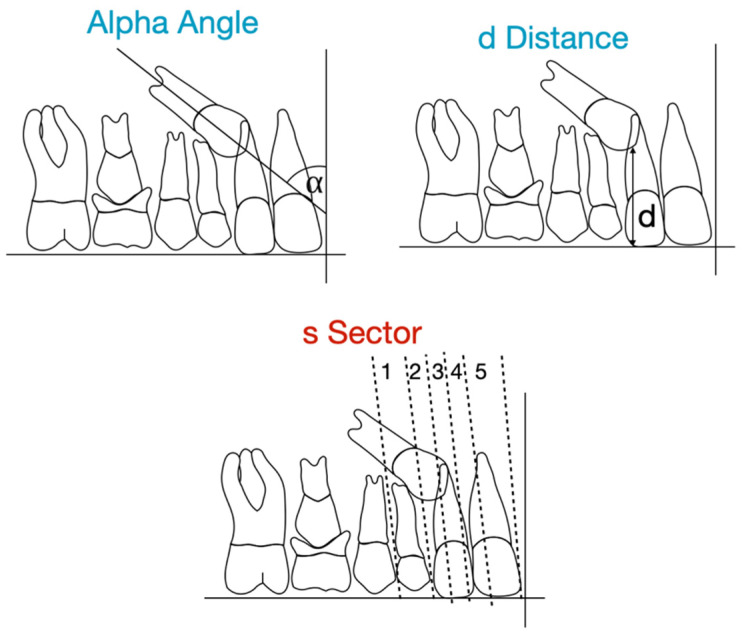 Figure 1
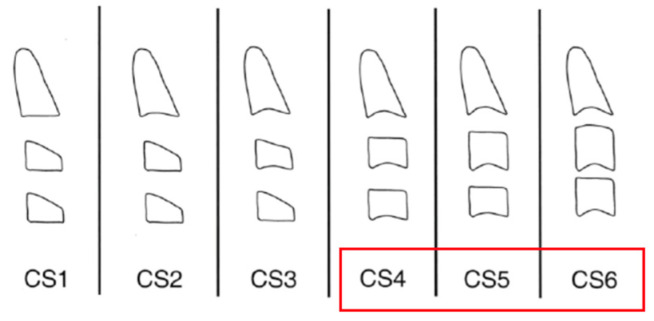 Figure 2
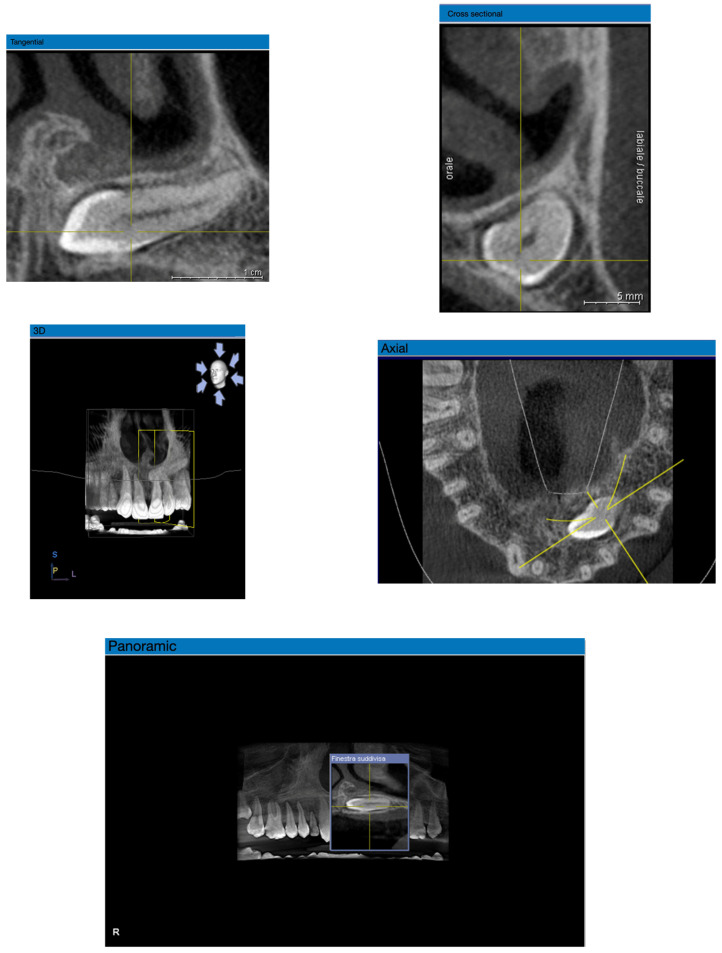 Figure 3
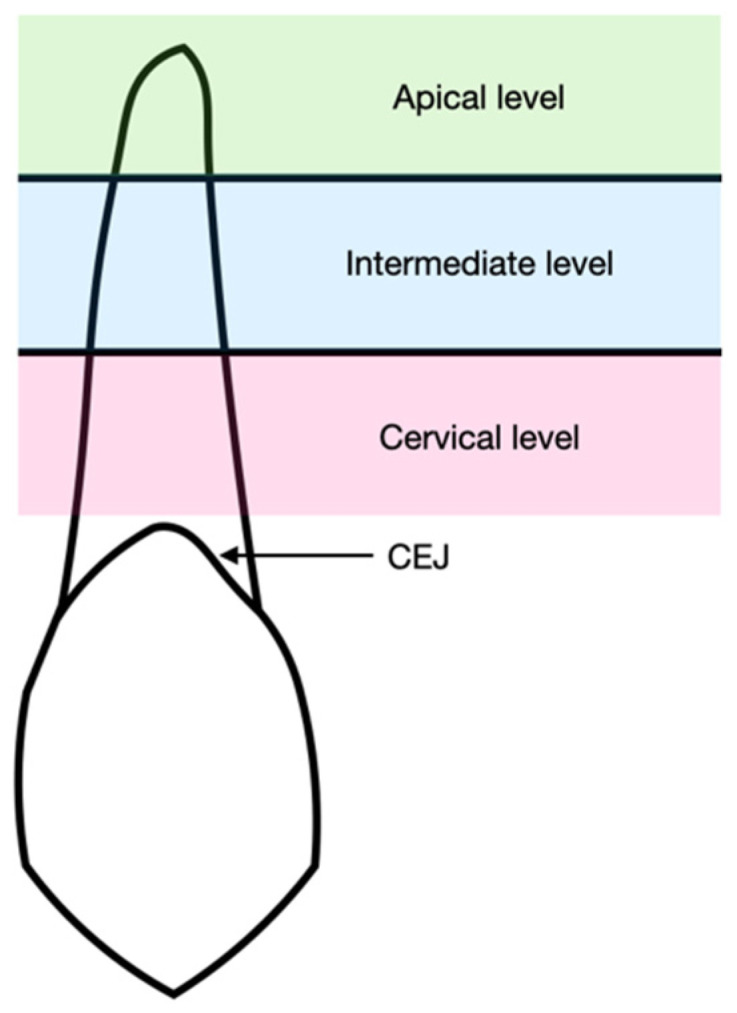 Figure 4
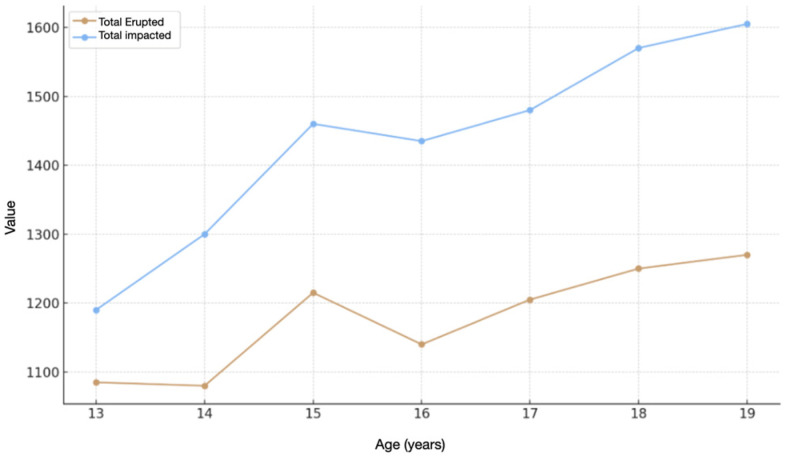 Figure 5
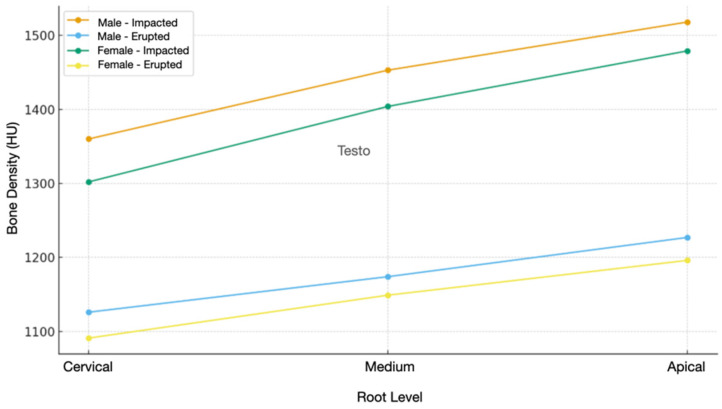 Figure 6
Peer Reviews
No public reviews on file for this paper yet. If you reviewed it on a platform where reviews are public (OpenReview, ICLR, NeurIPS, ICML), you can paste yours below so the community can read it here.
Videos
No videos yet. Explain this paper in a talk, walkthrough, or lecture? Add one.
Taxonomy
Topicsdental development and anomalies · Dental Trauma and Treatments · Orthodontics and Dentofacial Orthopedics