Aortic Stenosis as a Mechanical Stressor and Tissue Energetics: Consistent Clue with Hypertensive Stress Septal Sign
Fatih Yalcin, Nagehan Kücükler, Boran Cagatay, M. Roselle Abraham, Theodore P. Abraham, Mario J. Garcia

TL;DR
The paper explores how aortic stenosis causes specific heart muscle changes and metabolic patterns, offering a new way to assess cardiac stress.
Contribution
Introduces the 'Triple S' imaging paradigm to unify the assessment of cardiac stress across different causes.
Findings
Chronic aortic stenosis leads to basal septal hypertrophy and hypermetabolic activity.
Apical regions show reduced metabolic activity and hypokinesis in severe aortic stenosis.
Triple S identifies adaptive remodeling linked to advanced stages requiring intervention.
Abstract
Background: Hemodynamic overload induces left ventricular remodeling and heart failure across various clinical presentations. While geometric remodeling is classically associated with increased vascular resistance in hypertension, distinct patterns emerge under the mechanical stress of aortic stenosis (AS). Concept: The “Stress Septal Sign” (Triple S) represents a marker of stress-mediated hemodynamic overload driven by diverse stimuli, ranging from mechanical stress in AS to emotional triggers in acute stress cardiomyopathy. Within this spectrum, Stressed Heart Morphology describes a specific phenotype characterized by a predominant and hyperdynamic LV septal base. Results: Chronic hemodynamic stress in severe AS results in prominent basal septal hypertrophy. This remodeling is characterized by distinct tissue energetics: hypermetabolic activity at the basal septum contrasted with…
Genes, proteins, chemicals, diseases, species, mutations and cell lines named across the full text — each resolved to its canonical identifier and authoritative record.
Click any figure to enlarge with its caption.
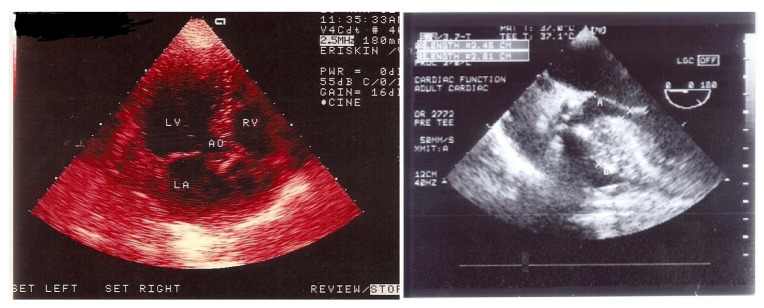 Figure 1
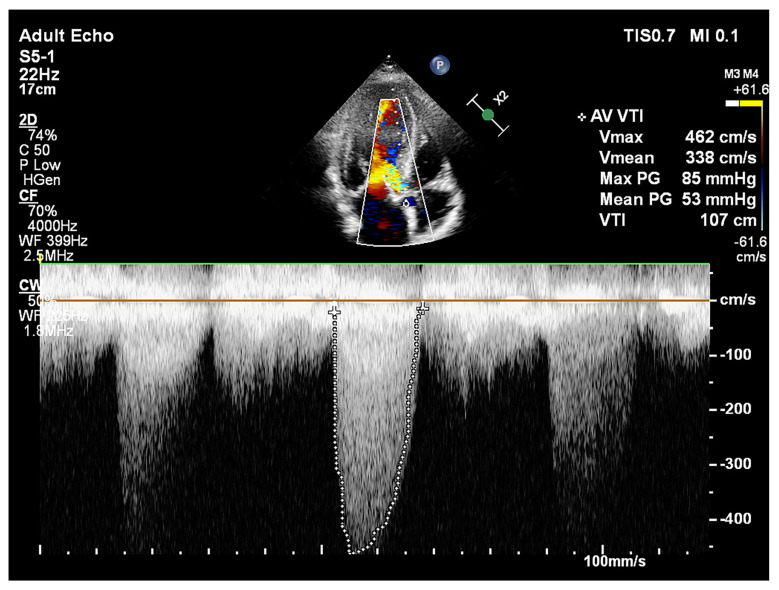 Figure 2
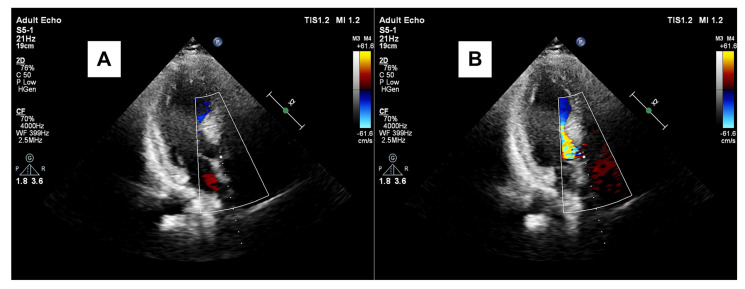 Figure 3
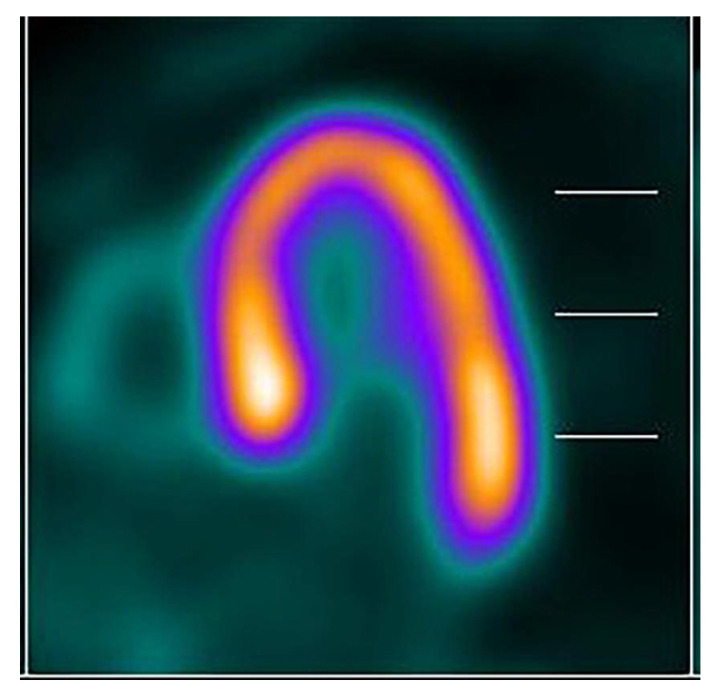 Figure 4
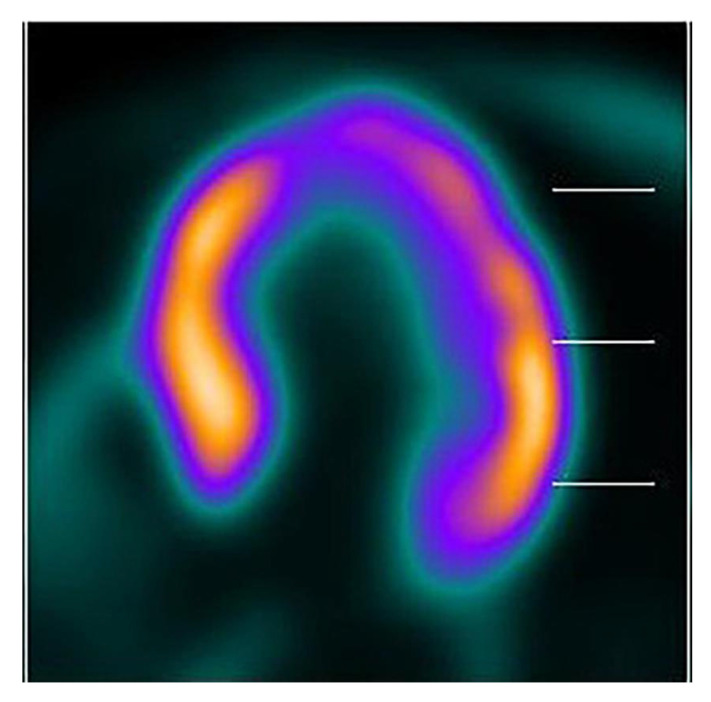 Figure 5
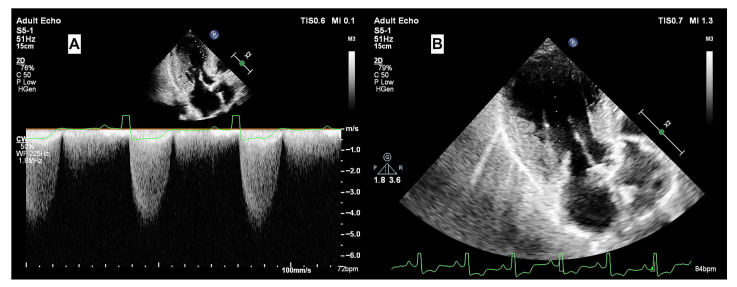 Figure 6
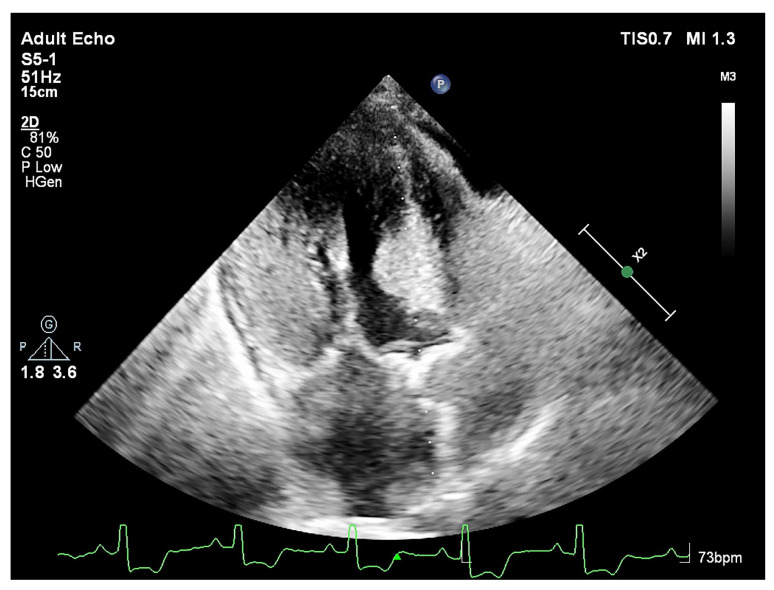 Figure 7
Peer Reviews
No public reviews on file for this paper yet. If you reviewed it on a platform where reviews are public (OpenReview, ICLR, NeurIPS, ICML), you can paste yours below so the community can read it here.
Videos
No videos yet. Explain this paper in a talk, walkthrough, or lecture? Add one.
Taxonomy
TopicsCardiac Fibrosis and Remodeling · Cardiovascular Function and Risk Factors · Elasticity and Material Modeling