3D Printing of Oxygen-Sensing ECM-Based Skin Graft for Personalized Treatment of Chronic Wounds—A Technological Proof of Concept
Yehonatan Zur, Rotem Hayam, Nir Almog, Inna Kovrigina, Limor Baruch, Aharon Blank, Marcelle Machluf

TL;DR
This paper introduces a 3D-printed skin graft with oxygen sensors to help treat chronic diabetic wounds by monitoring and improving healing conditions.
Contribution
A novel 3D-printed, oxygen-sensing extracellular matrix-based skin graft for personalized treatment of chronic wounds is developed and tested.
Findings
A porcine skin decellularization protocol was developed, preserving ECM integrity while removing cellular components.
3D bioprinted grafts with embedded oxygen sensors showed cytocompatibility and low immunogenicity in in vitro and in vivo studies.
The grafts can be tailored to individual wound geometries, enabling personalized treatment approaches.
Abstract
Chronic diabetic wounds are often characterized by persistent hypoxia and poor healing outcomes, highlighting the need for regenerative grafts that not only promote tissue repair but also provide insights into the wound microenvironment. In this study, we introduce a novel strategy for diabetic ulcer treatment through the development of a structurally personalized skin graft. The graft is fabricated via 3D bioprinting of natural porcine skin extracellular matrix (psECM) and integrated with microsensors for oxygen monitoring. We established a porcine skin decellularization protocol that efficiently removed cellular components, while preserving the integrity of the ECM, as verified by DNA quantification and scanning electron microscopy. The resulting psECM bioink demonstrated rheological properties suitable for 3D printing, which depended on psECM concentration and exhibited…
Genes, proteins, chemicals, diseases, species, mutations and cell lines named across the full text — each resolved to its canonical identifier and authoritative record.
Click any figure to enlarge with its caption.
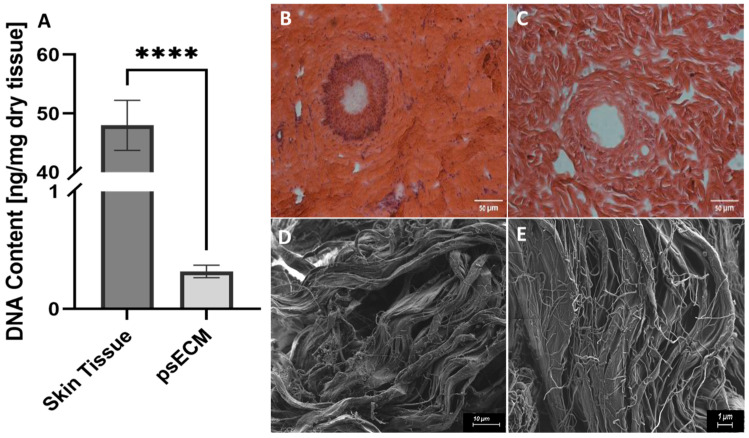 Figure 1
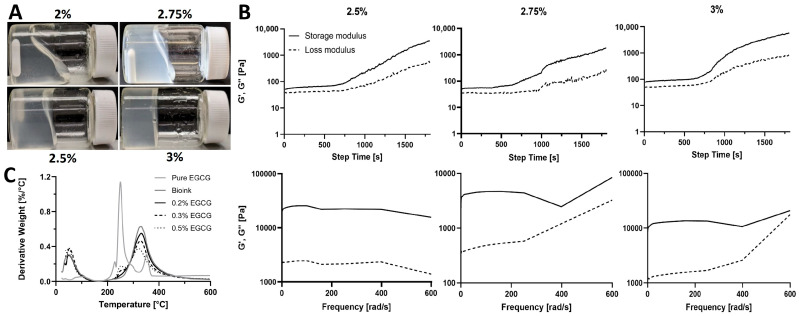 Figure 2
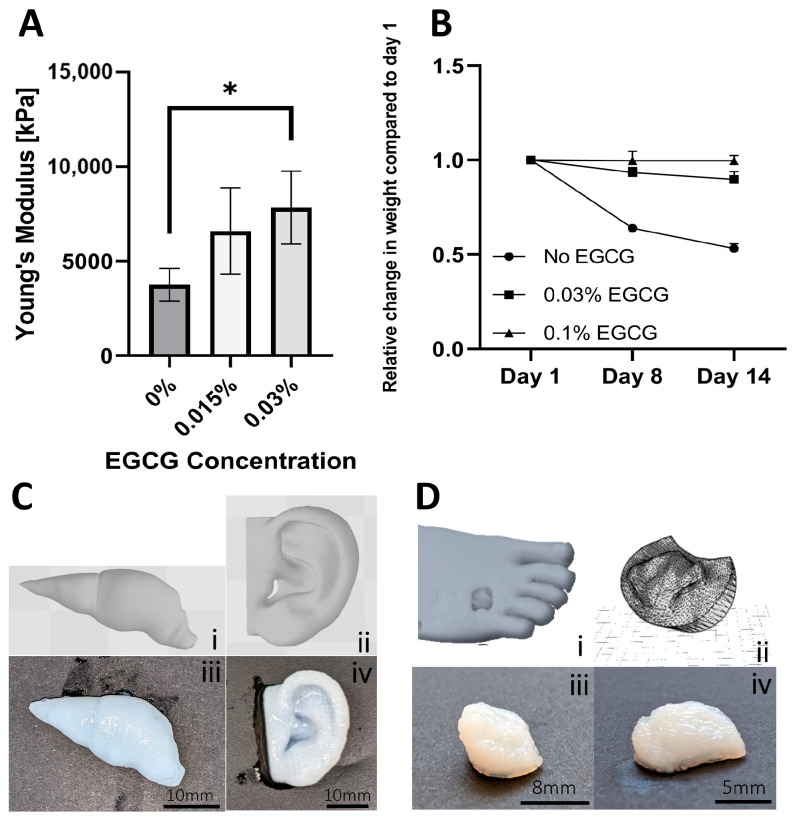 Figure 3
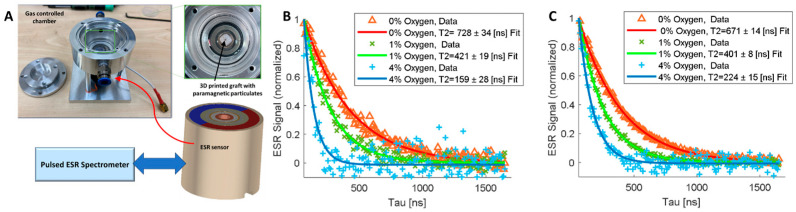 Figure 4
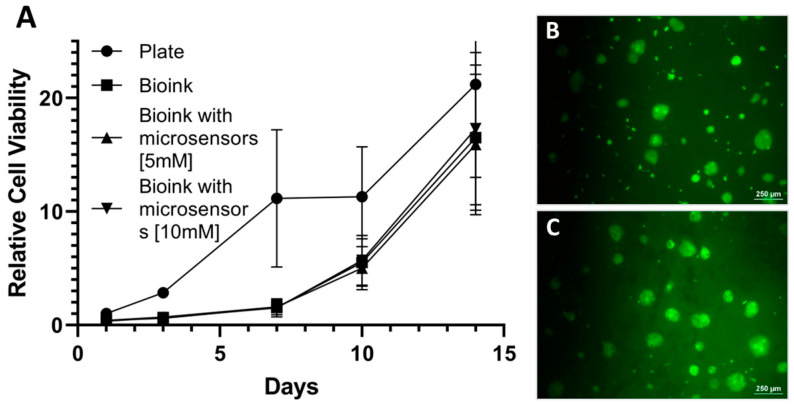 Figure 5
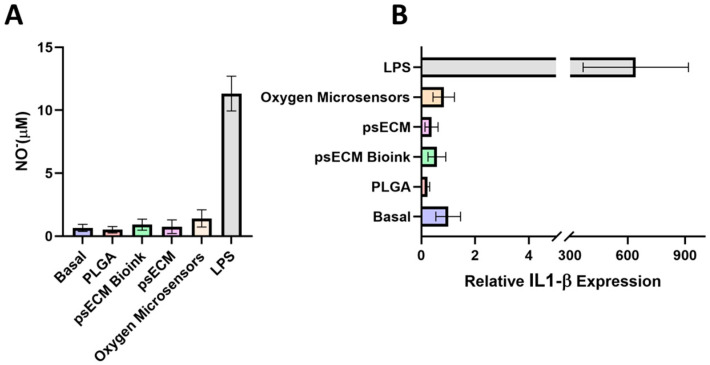 Figure 6
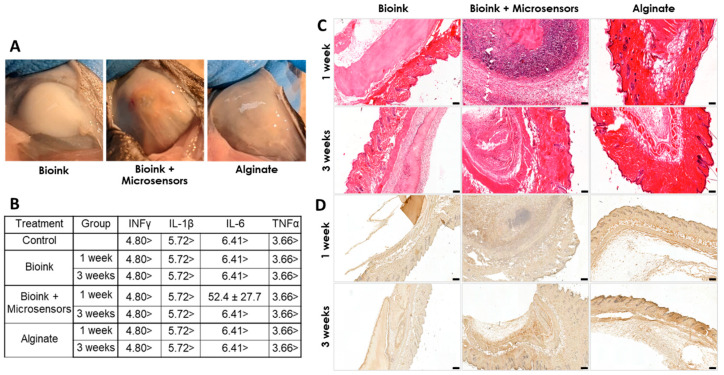 Figure 7
Peer Reviews
No public reviews on file for this paper yet. If you reviewed it on a platform where reviews are public (OpenReview, ICLR, NeurIPS, ICML), you can paste yours below so the community can read it here.
Videos
No videos yet. Explain this paper in a talk, walkthrough, or lecture? Add one.
Taxonomy
Topics3D Printing in Biomedical Research · Wound Healing and Treatments · Tissue Engineering and Regenerative Medicine