A Multimodal Analysis of Serum and Tear Crystallization Patterns in Patients with Obesity
Cosmin Victor Ganea, Anisia Iuliana Alexa, Nicoleta Anton, Calina Anda Sandu, Madalina Ioana Bilha, Vlad Constantin Donica, Irina Andreea Pavel, Roxana Elena Ciuntu, Camelia Margareta Bogdanici

TL;DR
This study explores how tear and serum crystallization patterns differ in people with obesity, suggesting a potential new diagnostic method.
Contribution
The study introduces a novel method using crystallization patterns of tears and serum to detect obesity-related biomarkers.
Findings
Tear crystallization patterns differ significantly among Schirmer classes in patients with obesity.
Serum crystallization patterns show significant differences in visceral fat classes.
Combined analysis of tear and serum patterns may help identify obesity-related biomarkers.
Abstract
Objectives: The study examined tear and serum alterations using the ferning test and quantified the number of branches formed during the controlled drying of these biological fluids (tears and serum), in order to identify a potential diagnostic patterning test in individuals with obesity. Methods: A total of 61 patients aged between 25 and 72 years were enrolled (median age [interquartile range] = 39.0 [26] years). BMI values ranged from 19.1 to 47.5 kg/m2, with a median BMI (interquartile range) of 29.3 (12.1) kg/m2. Results: The Kruskal–Wallis test showed statistically significant differences among at least two Schirmer classes with respect to the number of branches observed in dried tears at a brightness threshold of 220 (H(2) = 8.485, p = 0.014). According to the Dunn post hoc test, Schirmer Class 1 showed a markedly lower number of branches compared with Classes 2 and 3 (p < 0.031…
Genes, proteins, chemicals, diseases, species, mutations and cell lines named across the full text — each resolved to its canonical identifier and authoritative record.
Click any figure to enlarge with its caption.
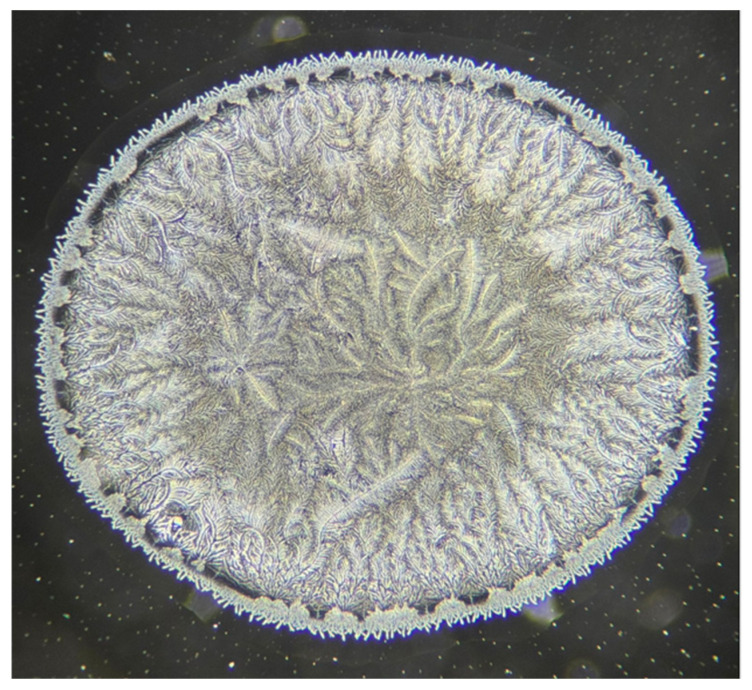 Figure 1
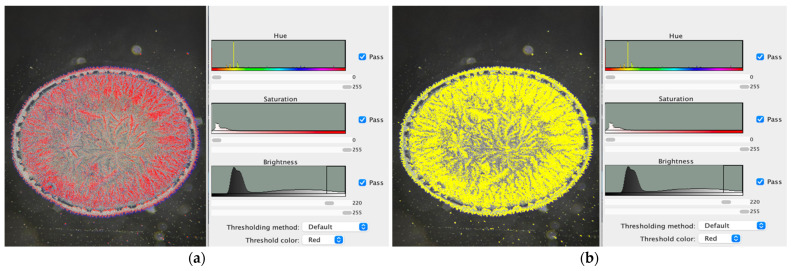 Figure 2
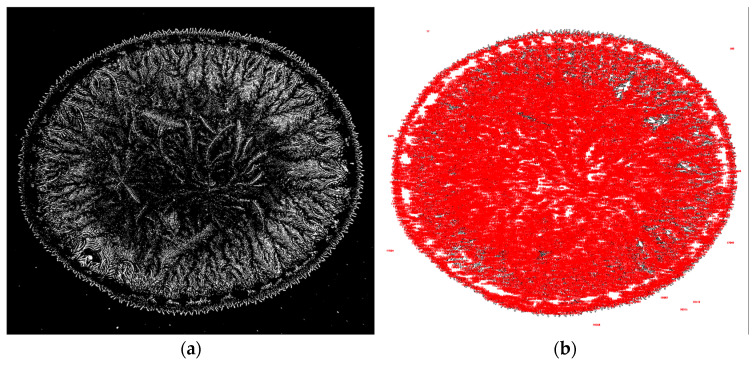 Figure 3
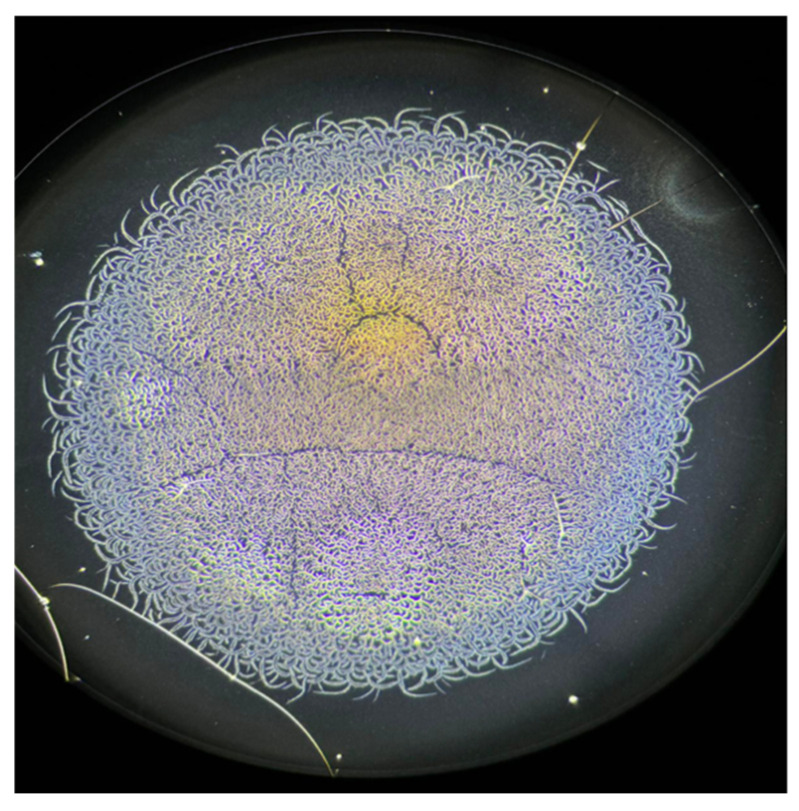 Figure 4
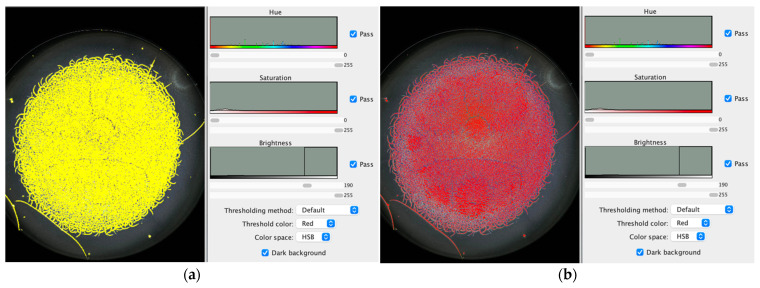 Figure 5
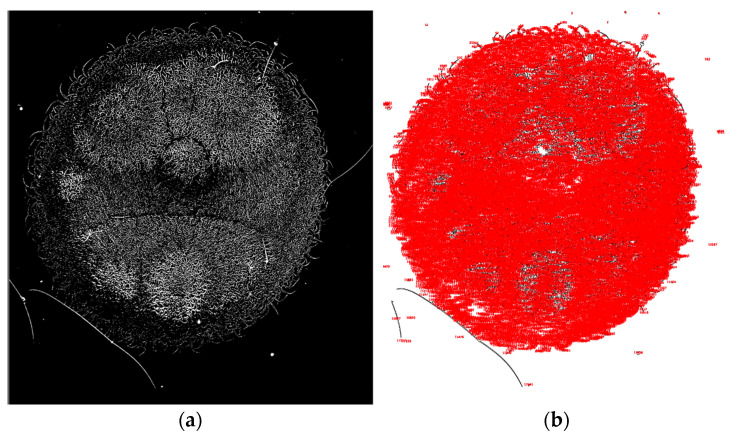 Figure 6
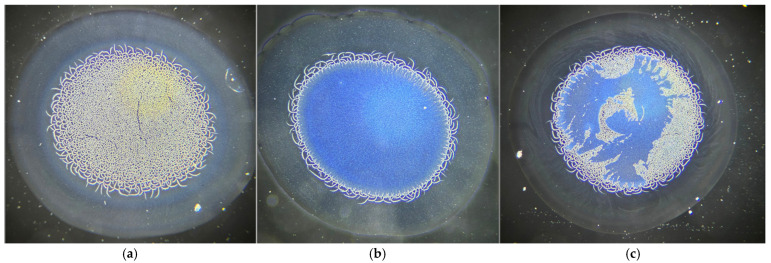 Figure 7
Peer Reviews
No public reviews on file for this paper yet. If you reviewed it on a platform where reviews are public (OpenReview, ICLR, NeurIPS, ICML), you can paste yours below so the community can read it here.
Videos
No videos yet. Explain this paper in a talk, walkthrough, or lecture? Add one.
Taxonomy
TopicsOcular Surface and Contact Lens · Dermatology and Skin Diseases · Salivary Gland Disorders and Functions