Total Saponins from Rhizoma Panacis Majoris Promote Wound Healing in Diabetic Rats by Regulating Inflammatory Dysregulation
Xiang Xu, Mei-Xia Wang, Ya-Ning Zhu, Xiang-Duo Zuo, Di Hu, Jing-Ping Li

TL;DR
This study shows that saponins from Rhizoma Panacis Majoris help heal wounds in diabetic rats by reducing inflammation and promoting tissue repair.
Contribution
The study identifies the molecular mechanisms by which SRPM promotes diabetic wound healing through anti-inflammatory and tissue-regenerative effects.
Findings
SRPM reduces pro-inflammatory mediators like IL-1β, IL-6, and TNF-α in diabetic wound tissues.
SRPM increases anti-inflammatory cytokines such as IL-10 and TGF-β1, and promotes M2 macrophage polarization.
SRPM inhibits neutrophil infiltration and activates the Wnt/β-catenin signaling pathway.
Abstract
In individuals with diabetes, dysregulation of inflammatory processes hinders the progression of wounds into the proliferative phase, resulting in chronic, non-healing wounds. Total saponins from Rhizoma Panacis majoris (SRPM), bioactive compounds naturally extracted from the rhizome of Panax japonicus C.A.Mey. var. major (Burk.) C.Y.Wu and K.M.Feng, have demonstrated extensive anti-inflammatory and immunomodulatory properties. This study aims to elucidate the molecular mechanisms underlying the facilitative effects of SRPM on diabetic wound healing, with particular emphasis on its anti-inflammatory actions. A high-fat diet combined with streptozotocin (STZ) administration was used to induce type 2 diabetes in rats. After two weeks of oral treatment with SRPM suspension, a wound model was established. Subsequently, a two-week course of combined local and systemic therapy was…
Genes, proteins, chemicals, diseases, species, mutations and cell lines named across the full text — each resolved to its canonical identifier and authoritative record.
Click any figure to enlarge with its caption.
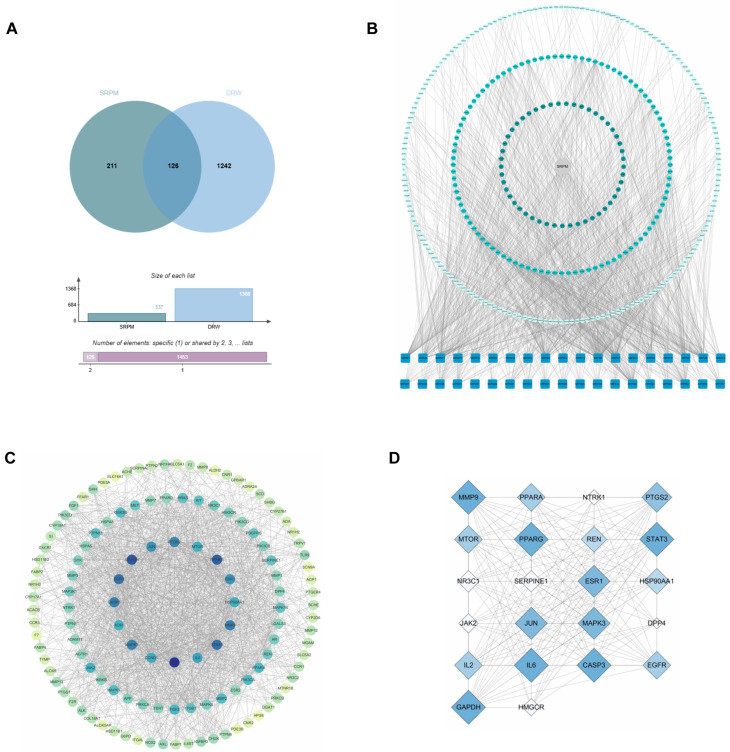 Figure 1
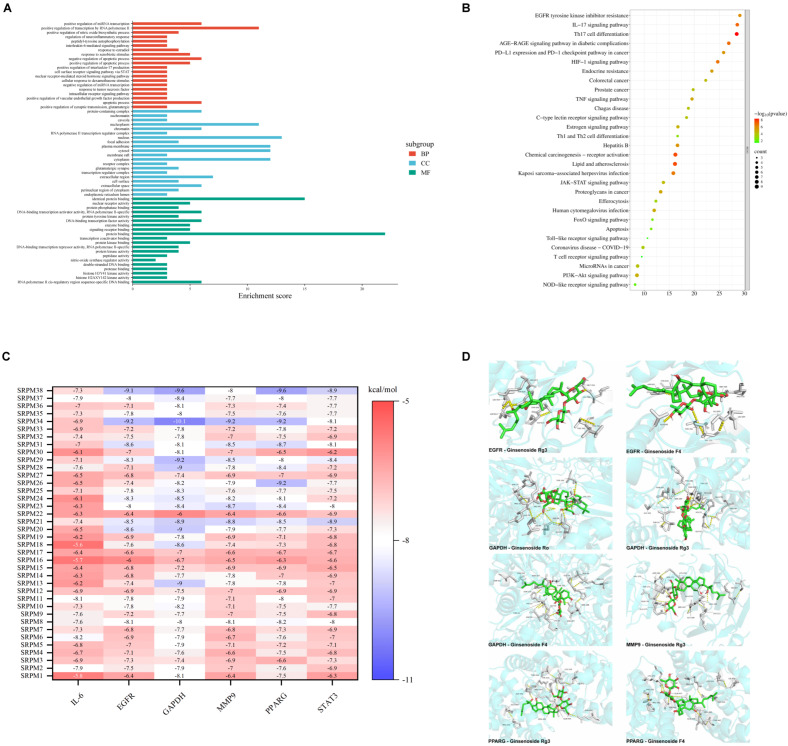 Figure 2
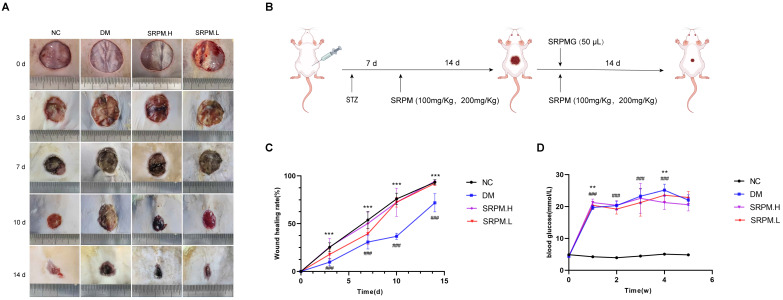 Figure 3
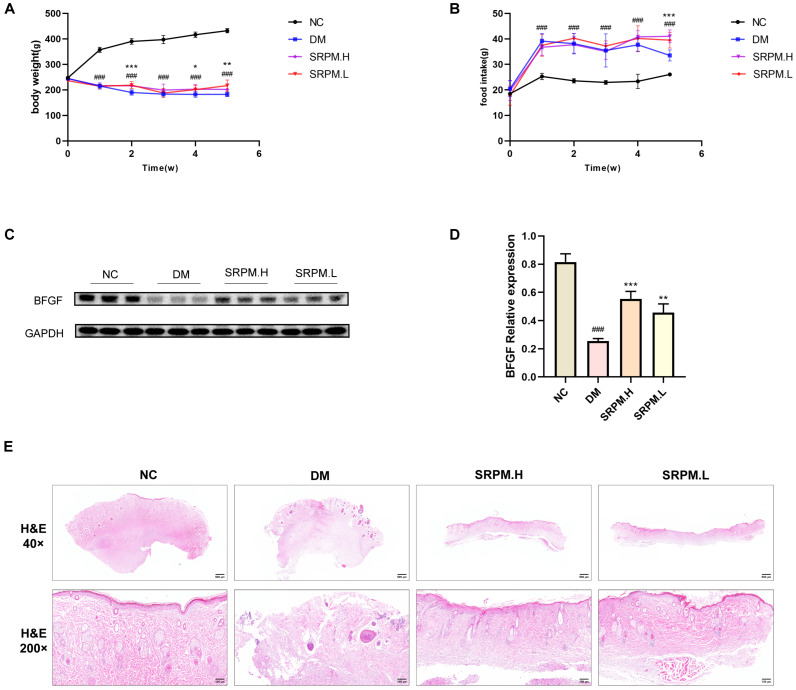 Figure 4
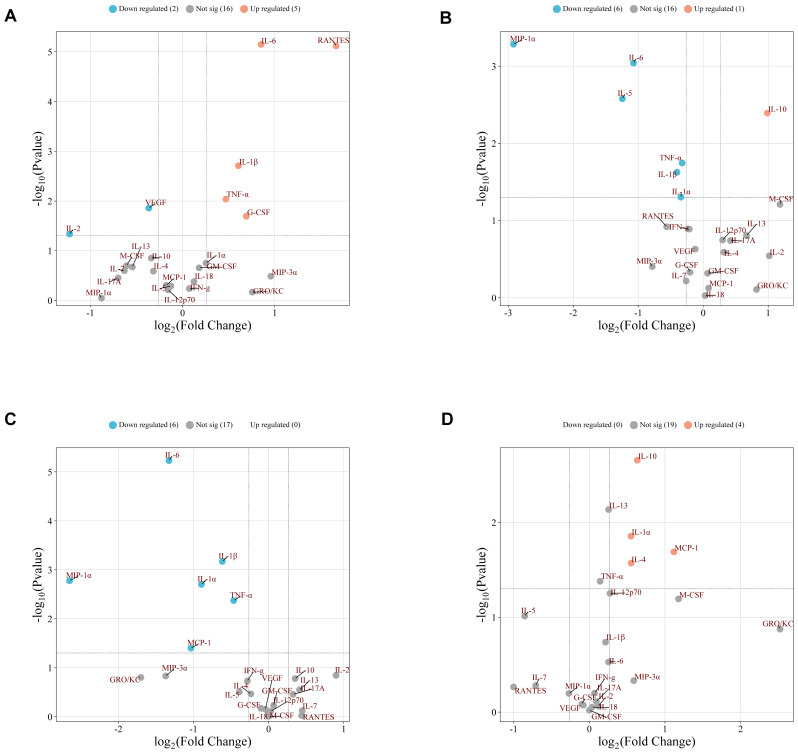 Figure 5
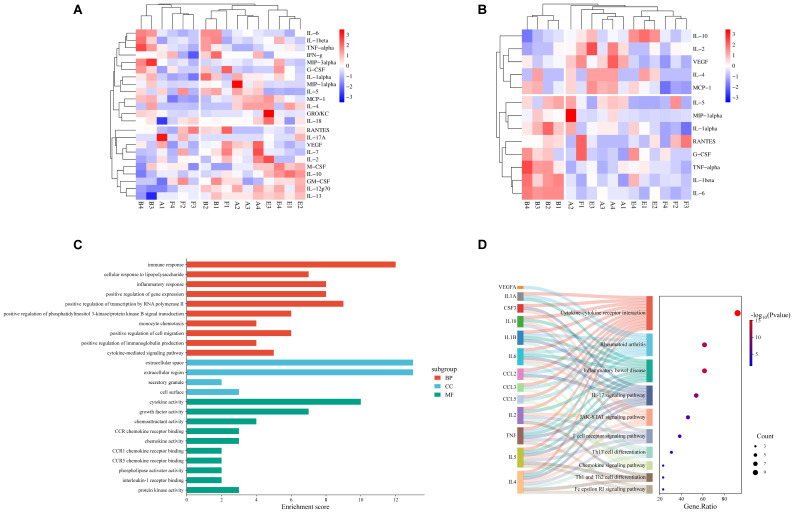 Figure 6
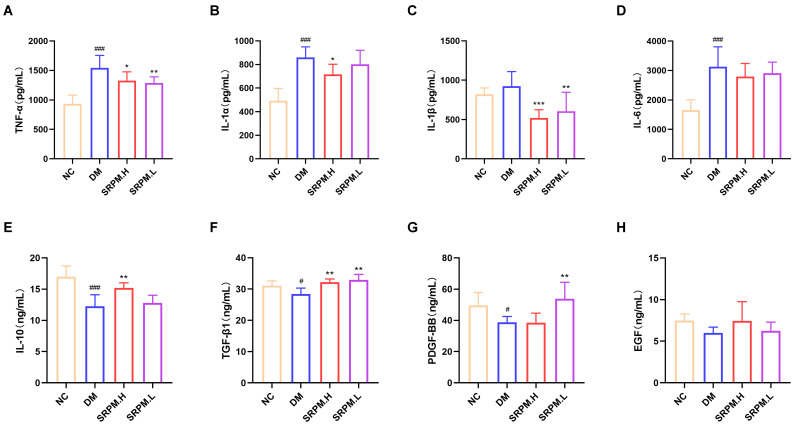 Figure 7
 Figure 8
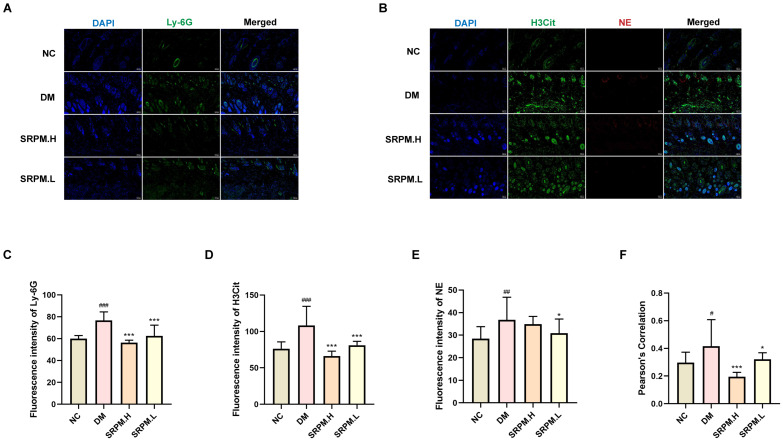 Figure 9
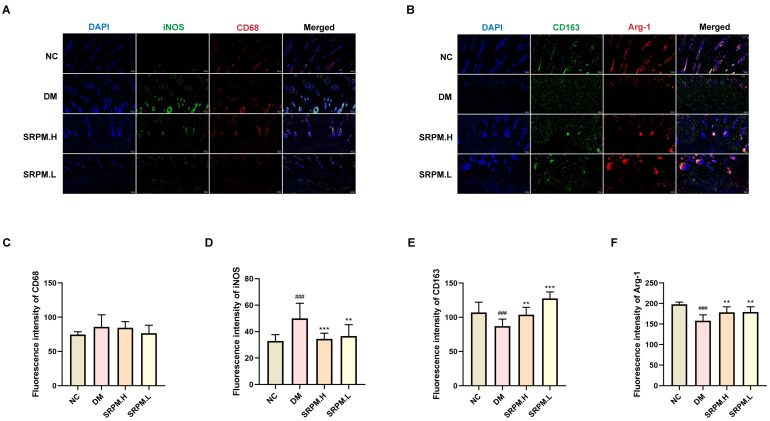 Figure 10
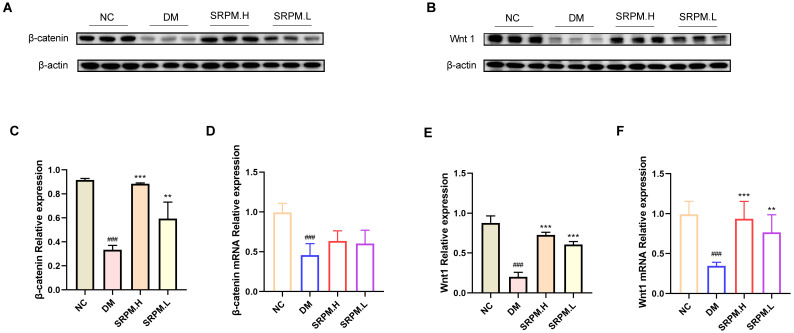 Figure 11
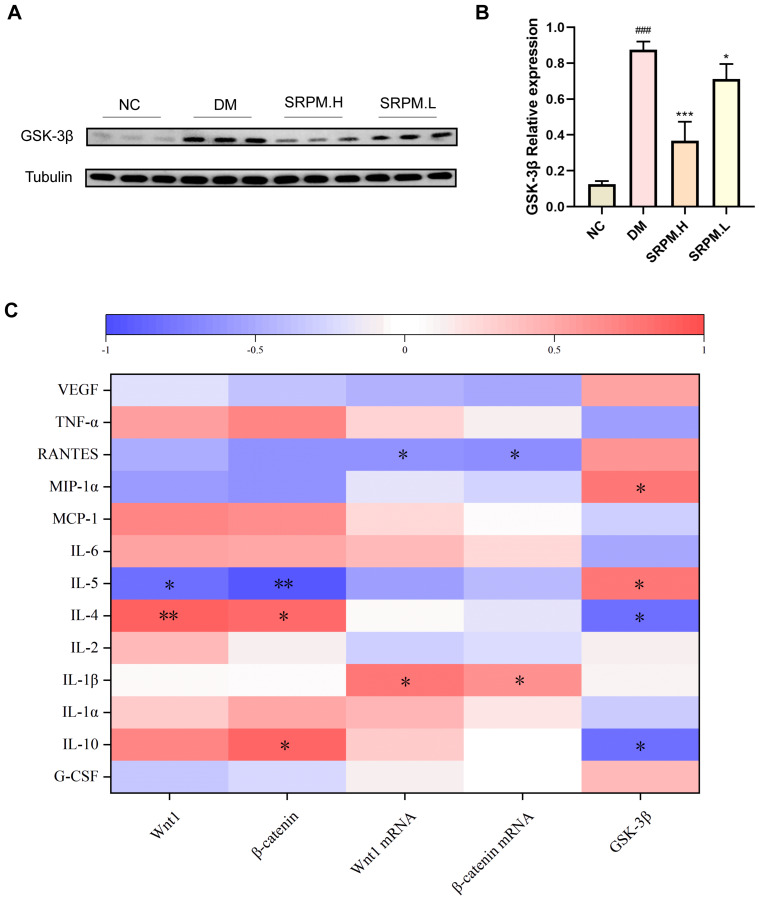 Figure 12
Peer Reviews
No public reviews on file for this paper yet. If you reviewed it on a platform where reviews are public (OpenReview, ICLR, NeurIPS, ICML), you can paste yours below so the community can read it here.
Videos
No videos yet. Explain this paper in a talk, walkthrough, or lecture? Add one.
Taxonomy
TopicsGinseng Biological Effects and Applications · Wound Healing and Treatments · Sphingolipid Metabolism and Signaling