Radioguided Localisation Techniques for Non-Palpable Breast Lesions: An Umbrella Review
Marco Cuzzocrea, Cesare Michele Iacovitti, Nickolas Peradze, Maria Luisa Gasparri, Simone Schiaffino, Lorenzo Rossi, Gaetano Paone, Giorgio Treglia

TL;DR
This umbrella review compares radioguided techniques with traditional wire-guided methods for localizing non-palpable breast lesions, finding radioguided methods to be more effective and efficient.
Contribution
The study provides a comprehensive synthesis of evidence comparing radioguided and wire-guided localization techniques for non-palpable breast lesions.
Findings
Radioguided methods showed high localisation success rates (often over 95%) and fewer positive margins compared to wire-guided localisation.
Operative and localisation times were generally shorter with radioguided techniques, with comparable specimen volume and safety.
Reoperation rates were mixed, but radioguided approaches showed potential for improved workflow and combined lesion-sentinel node evaluation.
Abstract
Background: Accurate localisation of non-palpable breast lesions is essential for the optimization of breast-conserving surgery (BCS) outcomes. While wire-guided localisation (WGL) remains widely used, radioguided techniques—including Radioguided Occult Lesion Localisation (ROLL) and Radioactive Seed Localisation (RSL)—have been proposed to improve margin clearance, reduce reoperations, and enhance patient outcomes. This umbrella review aimed to critically appraise and synthesize evidence from systematic reviews and meta-analyses on radioguided localisation techniques for non-palpable breast lesions, with a primary focus on comparison with wire-guided localisation (WGL). Methods: A comprehensive literature search was conducted using PubMed/Medline and the Cochrane Library databases for eligible systematic reviews/meta-analyses published until 2024, focusing on outcomes such as relative…
Genes, proteins, chemicals, diseases, species, mutations and cell lines named across the full text — each resolved to its canonical identifier and authoritative record.
Click any figure to enlarge with its caption.
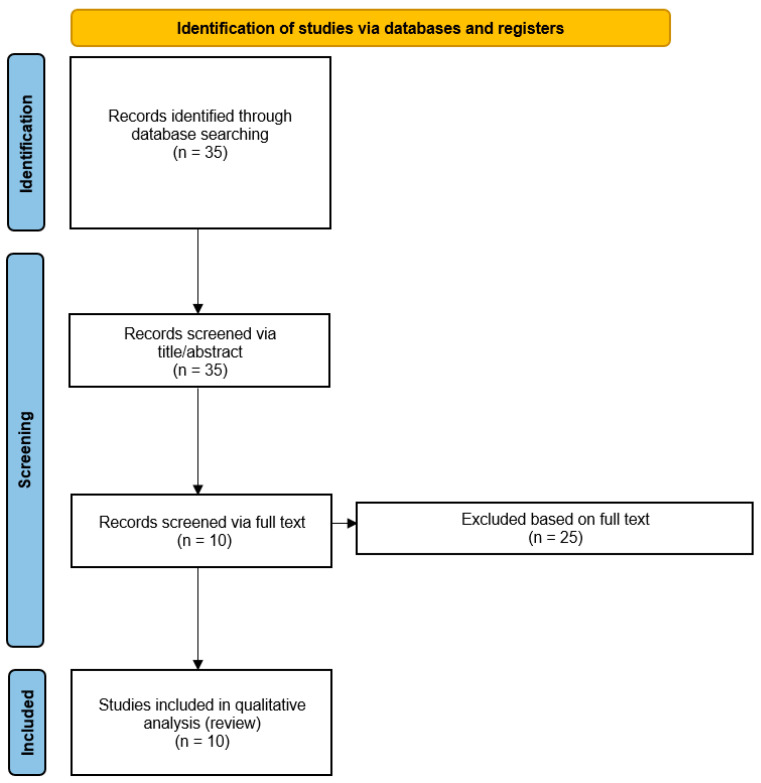 Figure 1
Peer Reviews
No public reviews on file for this paper yet. If you reviewed it on a platform where reviews are public (OpenReview, ICLR, NeurIPS, ICML), you can paste yours below so the community can read it here.
Videos
No videos yet. Explain this paper in a talk, walkthrough, or lecture? Add one.
Taxonomy
TopicsBreast Cancer Treatment Studies · Breast Implant and Reconstruction · MRI in cancer diagnosis