Bioactive Compounds of Momordica charantia L. Downregulate the Protein Expression of ACE2 and TMPRSS2 In Vivo and In Vitro
Che-Yi Chao, Woei-Cheang Shyu, Chih-Lung Lin, Wen-Ping Jiang, Atsushi Inose, Song-Jie Chiang, Wen-Liang Wu, Jaung-Geng Lin, Guan-Jhong Huang

TL;DR
Bitter melon compounds reduce proteins that help SARS-CoV-2 enter cells, suggesting potential for natural prevention or treatment of COVID-19.
Contribution
The study identifies bitter melon's bioactive compounds as potential inhibitors of SARS-CoV-2 cell entry mechanisms.
Findings
Ethanol extract of bitter melon downregulates ACE2 and TMPRSS2 proteins in vitro and in vivo.
Phytochemicals like p-coumaric acid, rutin, and quercetin show similar inhibitory effects.
The compounds do not induce cytotoxicity, supporting their safety as natural agents.
Abstract
The emergence of SARS-CoV-2, the etiological agent of COVID-19, has resulted in widespread global infection and millions of deaths. Viral entry is initiated by the interaction between the viral spike (S) protein and the host cell receptor ACE2, followed by TMPRSS2-mediated proteolytic activation that facilitates membrane fusion. Bitter melon (Momordica charantia L., MC), a traditional medicinal and edible plant widely used in tropical Asia, possesses notable anti-inflammatory, antioxidant, antitumor, and hypoglycemic properties. In this study, the ethanol extract of bitter melon (EMC) markedly downregulated ACE2 and TMPRSS2 expression in both in vitro and in vivo models without inducing cytotoxicity. Furthermore, phytochemicals isolated from EMC—including p-coumaric acid, rutin, and quercetin—exhibited comparable inhibitory effects. These results indicate that EMC and its bioactive…
Genes, proteins, chemicals, diseases, species, mutations and cell lines named across the full text — each resolved to its canonical identifier and authoritative record.
Click any figure to enlarge with its caption.
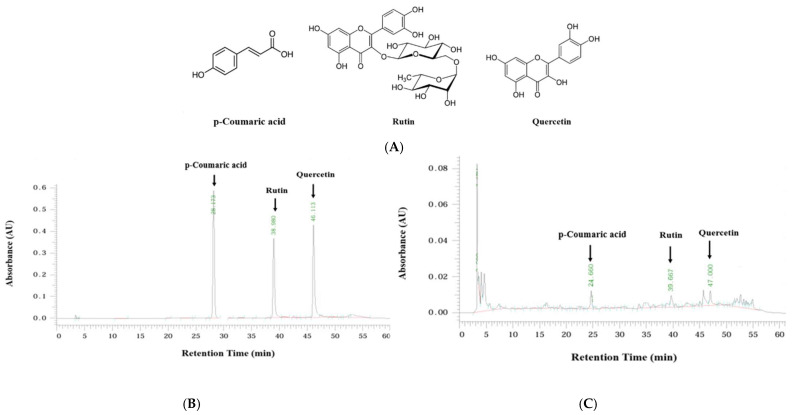 Figure 1
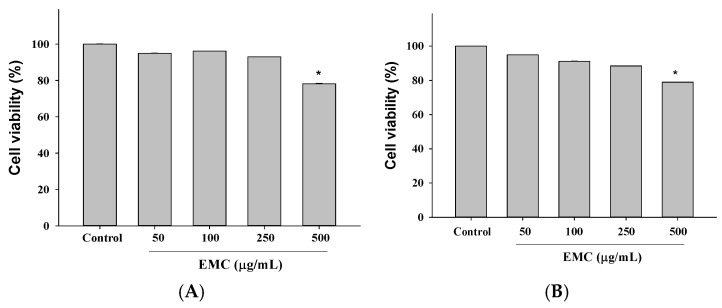 Figure 2
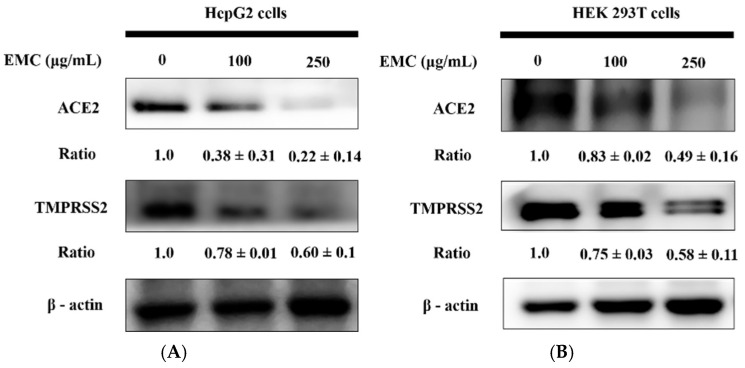 Figure 3
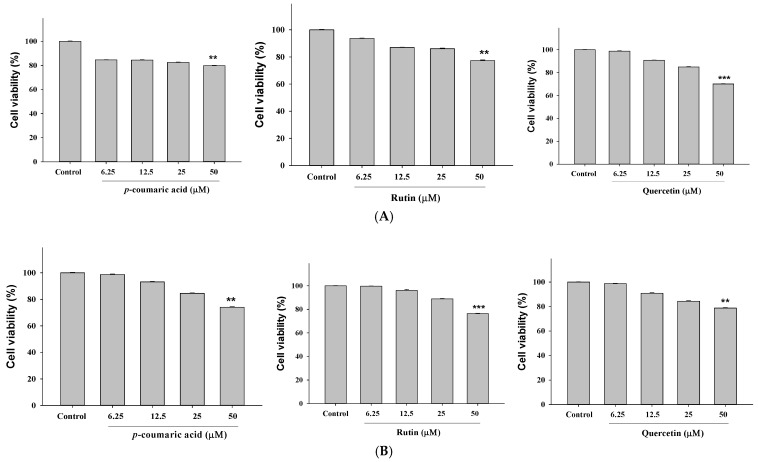 Figure 4
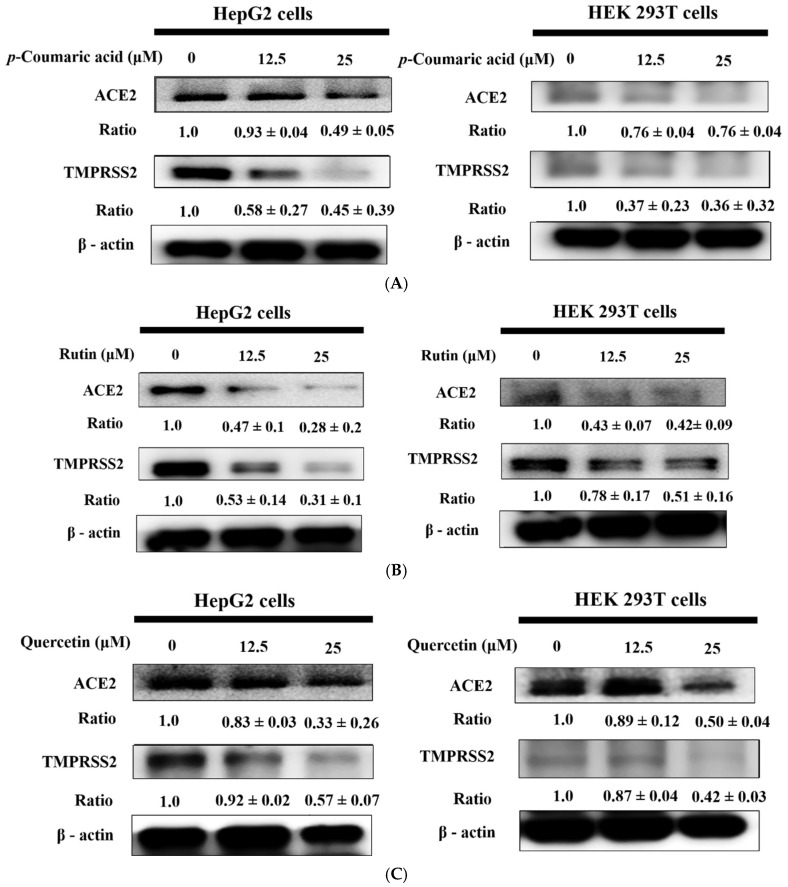 Figure 5
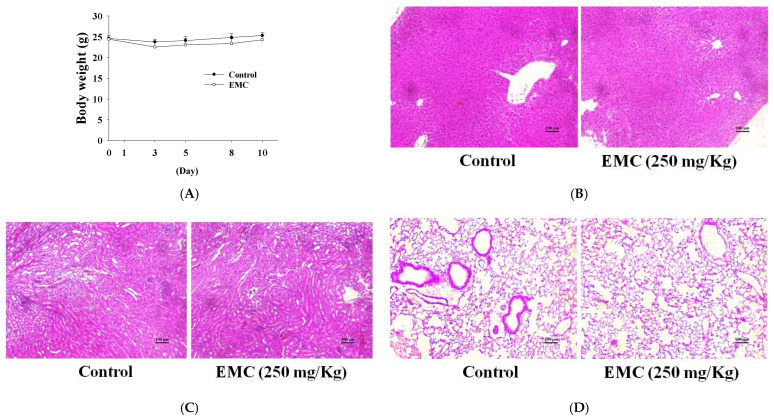 Figure 6
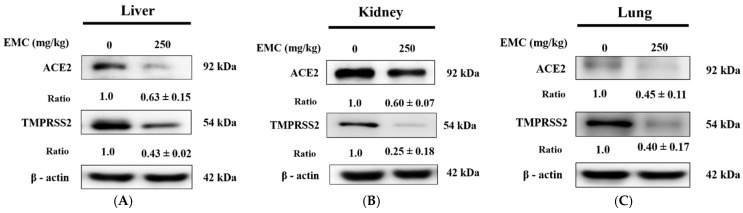 Figure 7
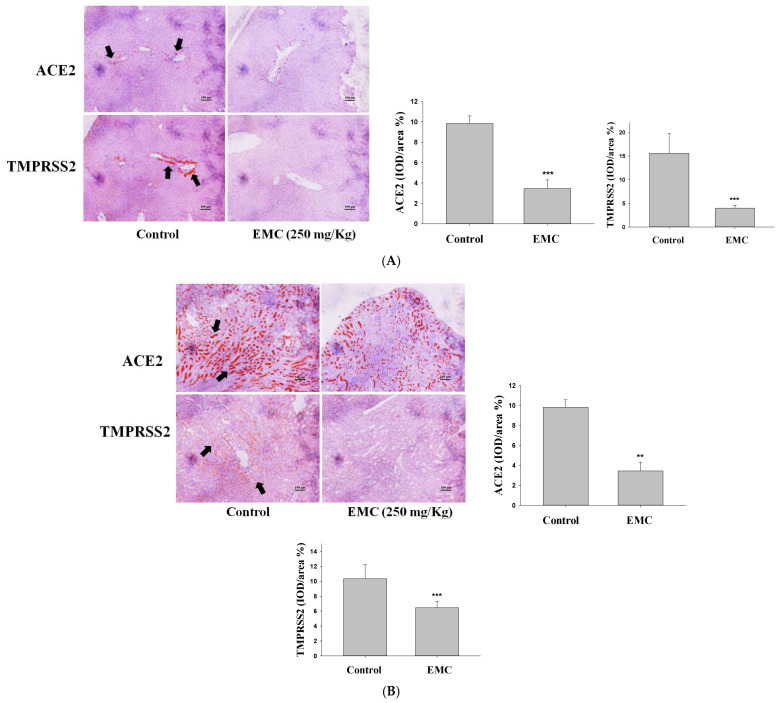 Figure 8
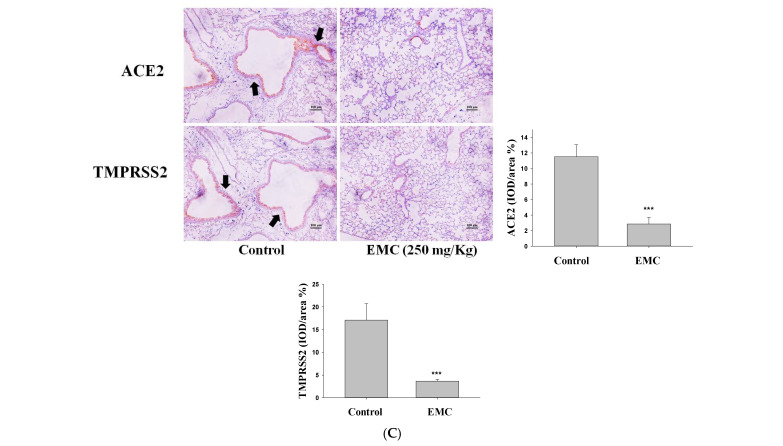 Figure 9
Peer Reviews
No public reviews on file for this paper yet. If you reviewed it on a platform where reviews are public (OpenReview, ICLR, NeurIPS, ICML), you can paste yours below so the community can read it here.
Videos
No videos yet. Explain this paper in a talk, walkthrough, or lecture? Add one.
Taxonomy
TopicsNatural Antidiabetic Agents Studies · Biochemical and Structural Characterization · Diverse Scientific Research Studies