Niche Differentiation and Predicted Functions of Microbiomes in a Tri-Trophic Willow–Gall (Euura viminalis)–Parasitoid Wasp System
Yuhao Nie, Gaopeng Yu, Hongying Hu

TL;DR
This study explores how the microbiomes of a willow-gall-parasitoid system differ based on their niches and what functions they perform.
Contribution
The paper reveals niche-specific patterns and predicted functions of bacterial and fungal communities in a tri-trophic system.
Findings
Fungal communities were richer in open, air-exposed sites, while bacteria thrived in sealed gall interiors.
Fungi showed positive connectivity in exposed niches, while bacteria had negative associations in enclosed environments.
Microbiome patterns suggest roles in transport, metabolism, and biocontrol in different habitats.
Abstract
Symbiotic microbes support insect survival and development, yet how niches shape them in a willow–gall–parasitoid system is unclear. We sampled six types of sites—leaf and gall surfaces, gall interiors, sawfly larvae, and wasps—and used genetic sequencing to identify bacteria and fungi. A clear pattern emerged: open, air-exposed sites (leaf and gall surfaces and wasps) held richer, more balanced fungal communities, whereas the sealed gall interiors and larvae contained few fungi. Bacteria showed the opposite pattern, with the highest diversity inside galls. Habitats organized these communities more than host identity, informing more precise, microbe-aware pest control programs. Chalcidoids (Hymenoptera: Chalcidoidea), the most important natural enemies of parasitoids, serve as a pivotal factor in the regulation and management of pest populations. Microbiotas mediate interactions among…
Genes, proteins, chemicals, diseases, species, mutations and cell lines named across the full text — each resolved to its canonical identifier and authoritative record.
Click any figure to enlarge with its caption.
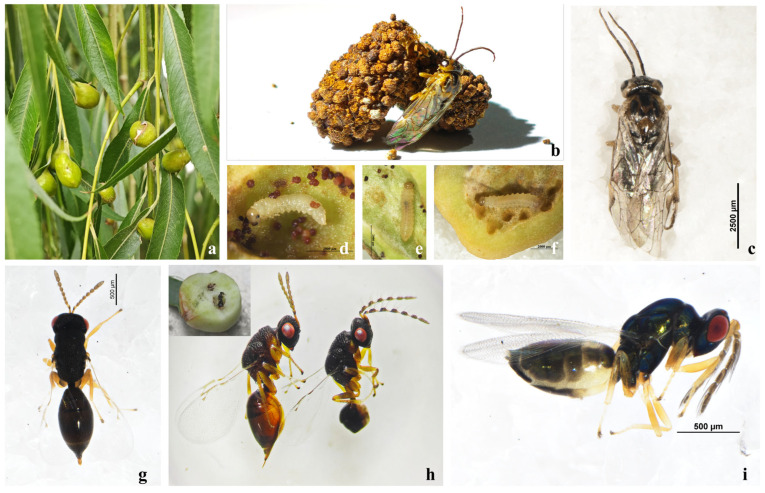 Figure 1
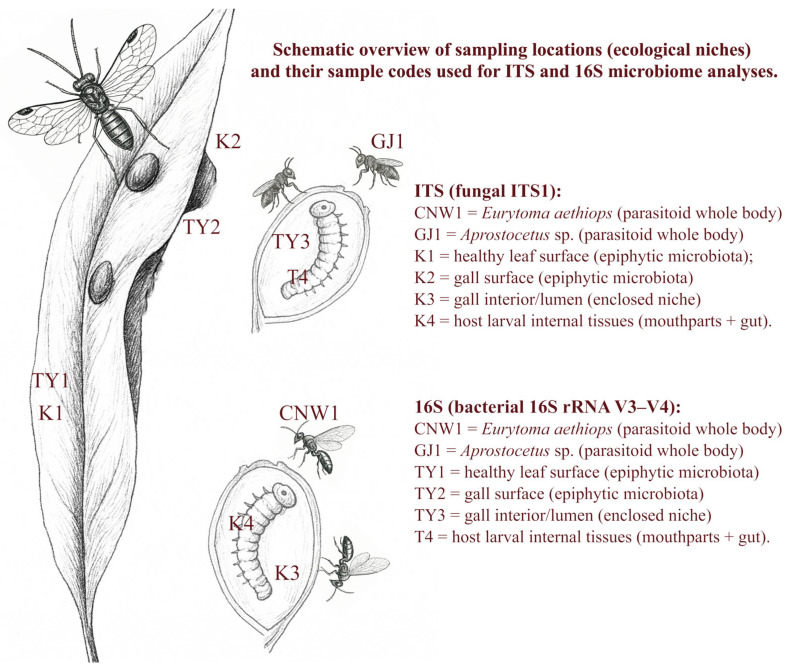 Figure 2
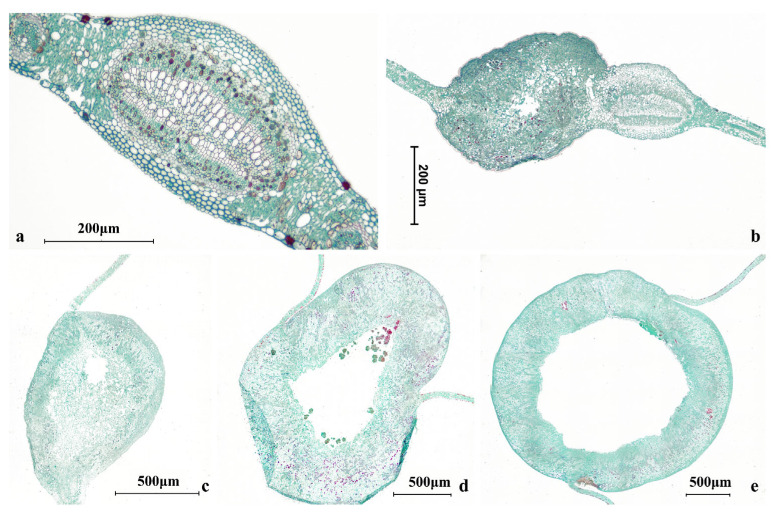 Figure 3
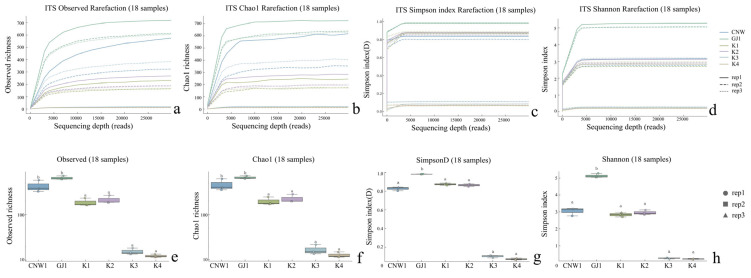 Figure 4
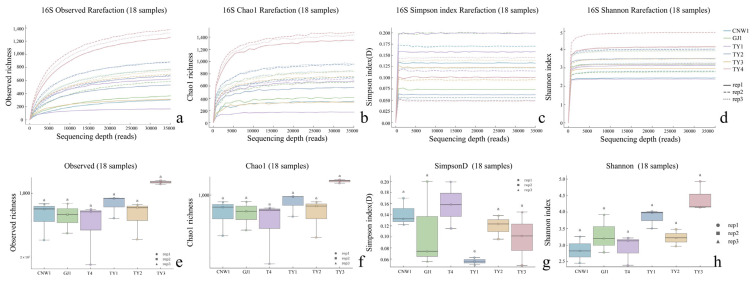 Figure 5
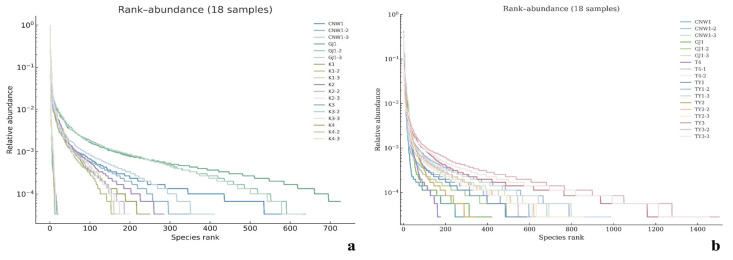 Figure 6
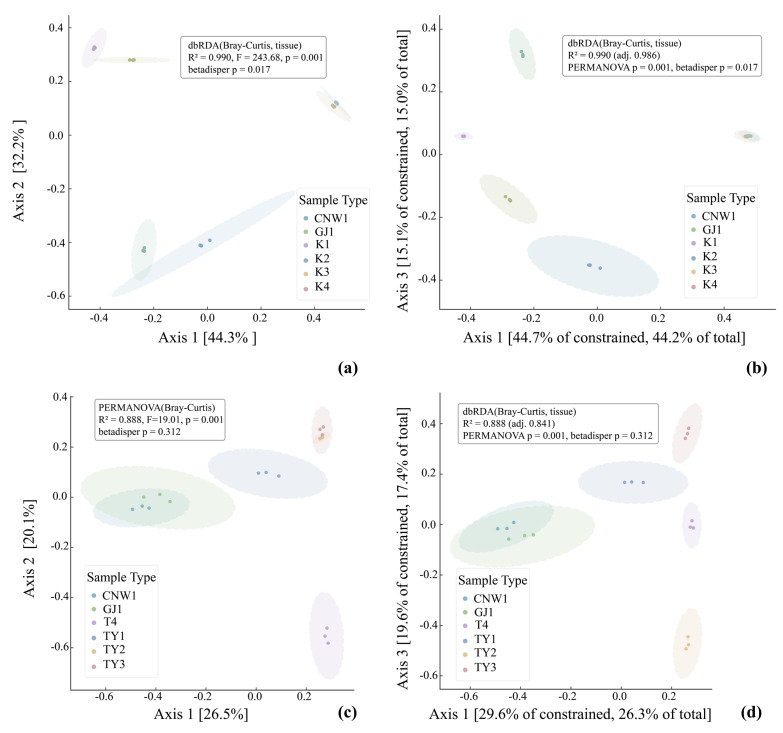 Figure 7
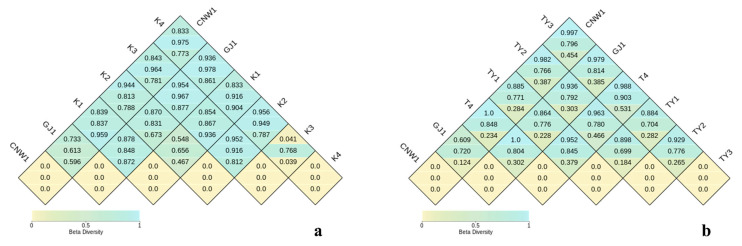 Figure 8
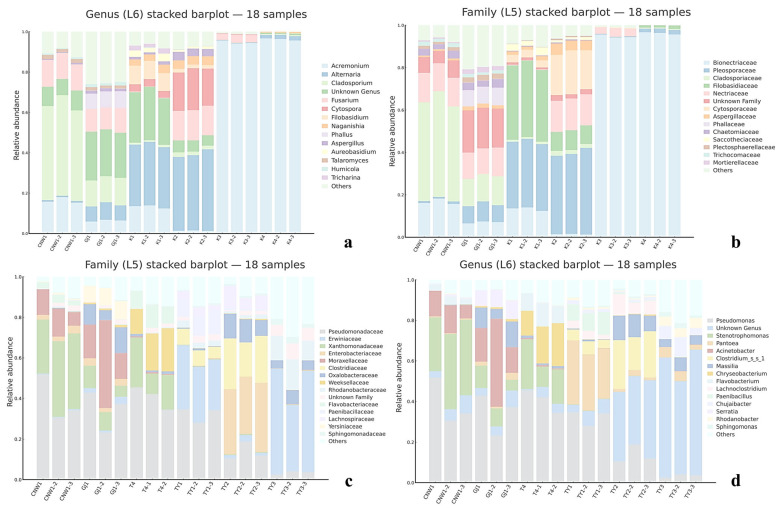 Figure 9
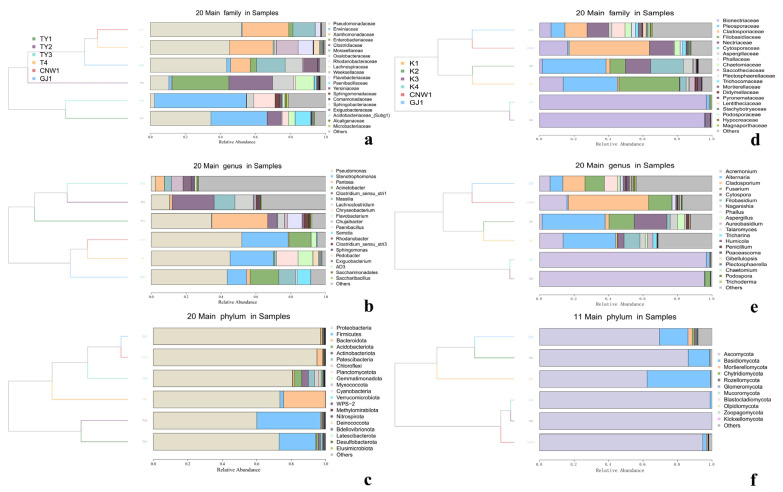 Figure 10
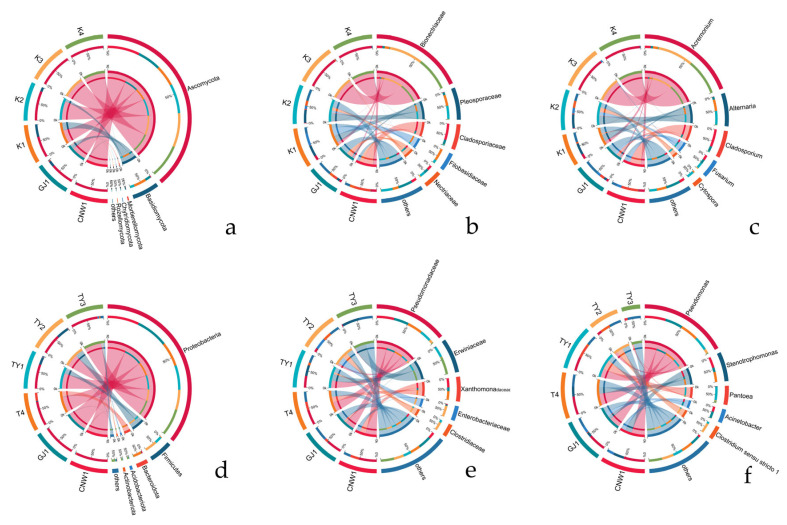 Figure 11
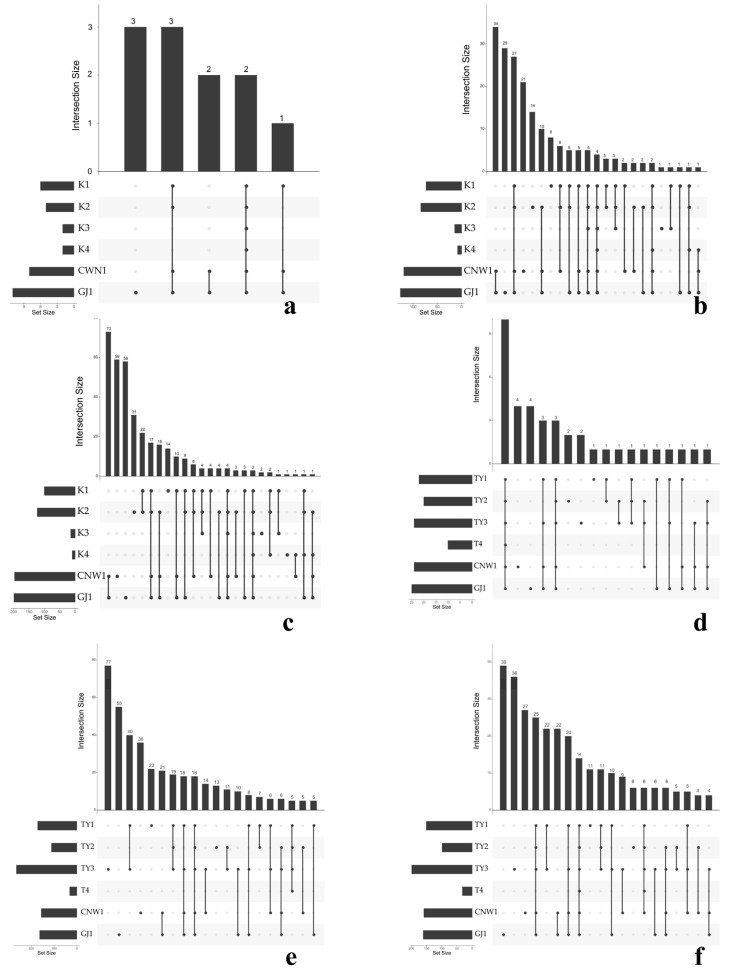 Figure 12
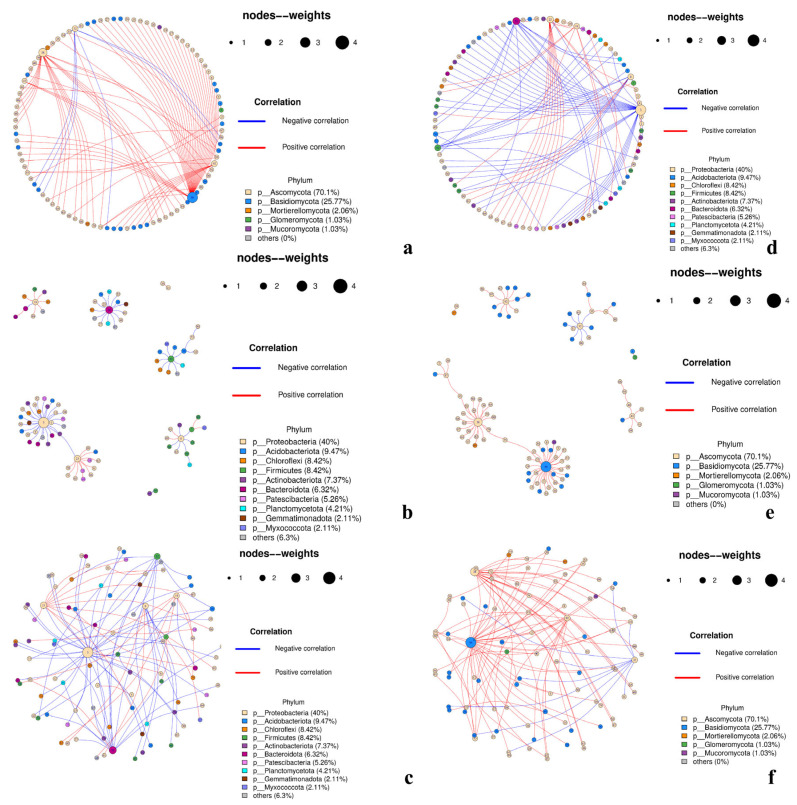 Figure 13
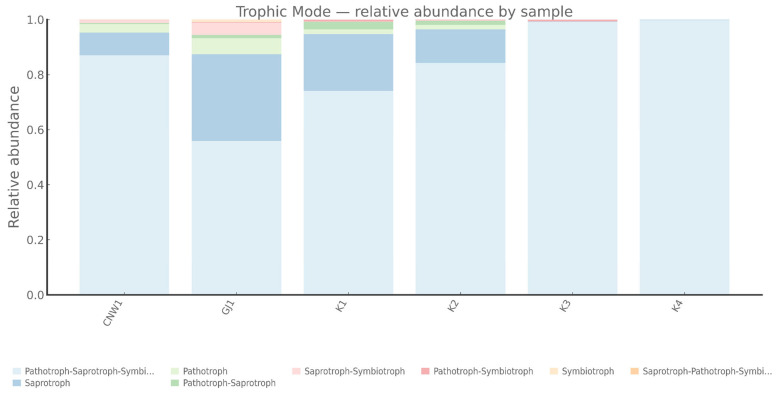 Figure 14
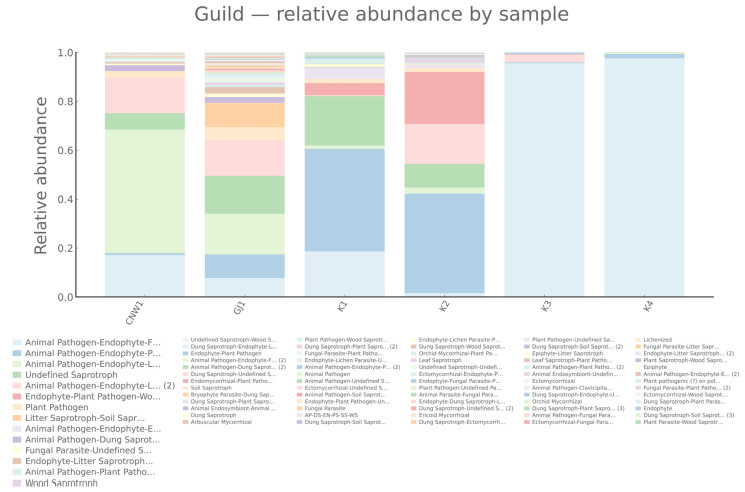 Figure 15
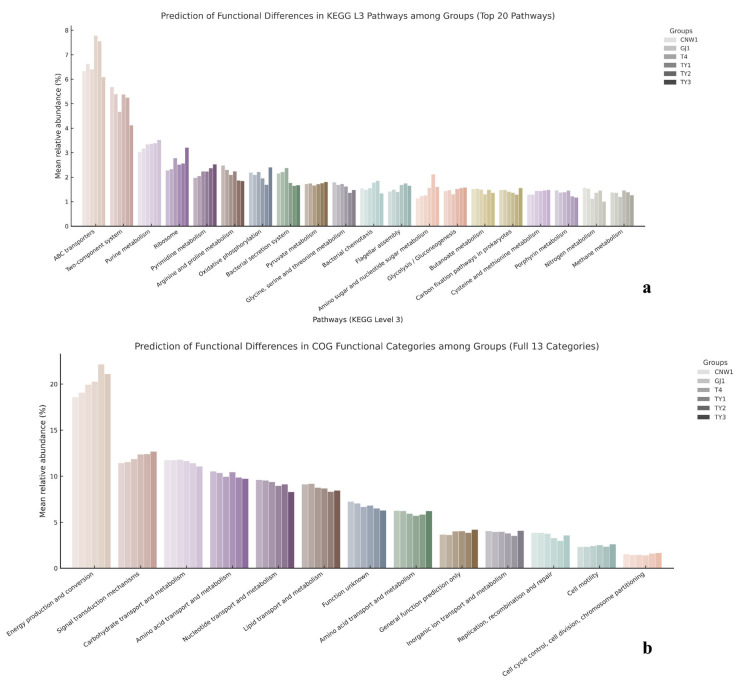 Figure 16
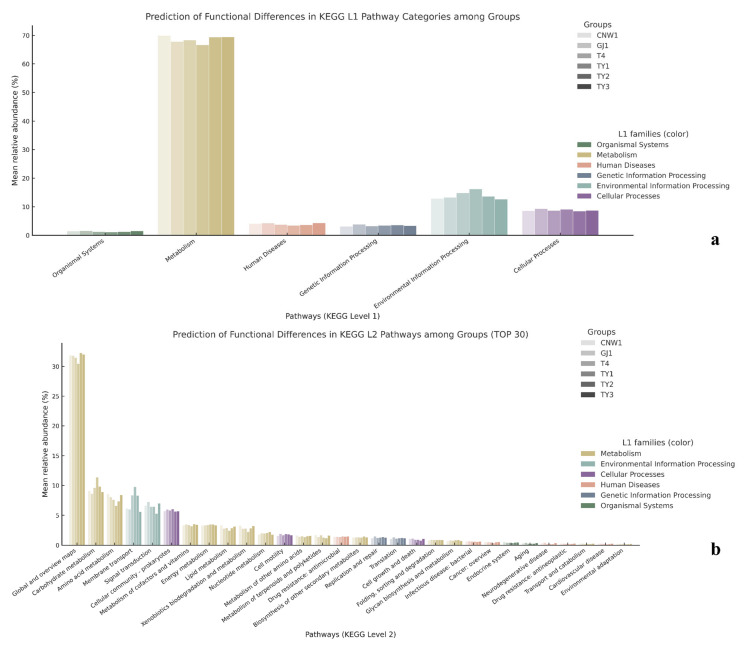 Figure 17
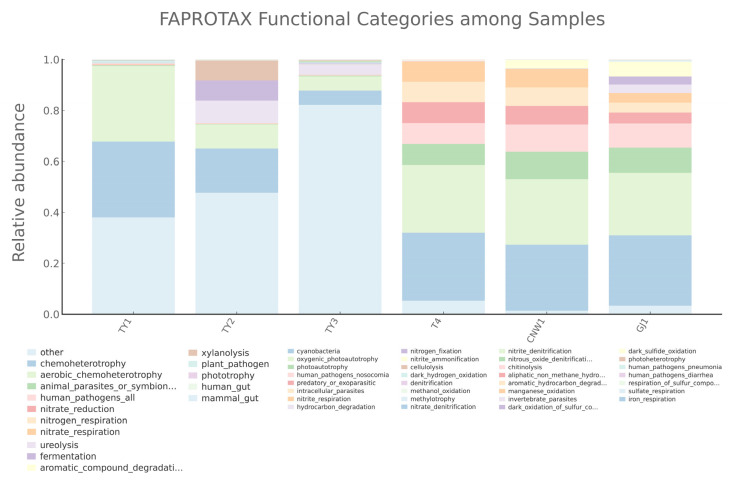 Figure 18
Peer Reviews
No public reviews on file for this paper yet. If you reviewed it on a platform where reviews are public (OpenReview, ICLR, NeurIPS, ICML), you can paste yours below so the community can read it here.
Videos
No videos yet. Explain this paper in a talk, walkthrough, or lecture? Add one.
Taxonomy
TopicsInsect-Plant Interactions and Control · Hymenoptera taxonomy and phylogeny · Insect symbiosis and bacterial influences