Ultrastructural Analysis of Johnston’s Organ and Brain Organization in Philaenus spumarius (Hemiptera: Aphrophoridae)
Milos Sevarika, Christoph Kleineidam, Roberto Romani

TL;DR
This study explores how the spittlebug Philaenus spumarius uses a simplified sensory system to effectively communicate and navigate, focusing on its brain and antennal structures.
Contribution
The study reveals how a reduced sensory system in P. spumarius is adapted for efficient communication and movement through specific neural organization.
Findings
P. spumarius integrates limited sensory input through a specialized neural organization.
The brain's primary neuropils support effective communication despite reduced antennal structures.
Antennal nerve pathways were traced to the central nervous system, revealing adaptation mechanisms.
Abstract
The spittlebug Philaenus spumarius is a key vector of a plant-pathogenic bacterium and mostly depends on its antennae to detect environmental and inter/intraspecific stimuli. Compared with many other insects, P. spumarius shows a reduced number of antennal sensory structures, but despite of this, it can efficiently orient and communicate. This study investigates how such a simplified sensory system is reflected in the organization of its brain by examining the fine structure of Johnston’s organ and analyzing the main regions of the brain. We also traced the pathways of antennal nerves up to the central nervous system. The results show how P. spumarius integrates limited sensory input through a neural organization that supports effective communication and movement. These findings provide insight into how insects can adapt their nervous systems to different sensory abilities, giving a…
Genes, proteins, chemicals, diseases, species, mutations and cell lines named across the full text — each resolved to its canonical identifier and authoritative record.
Click any figure to enlarge with its caption.
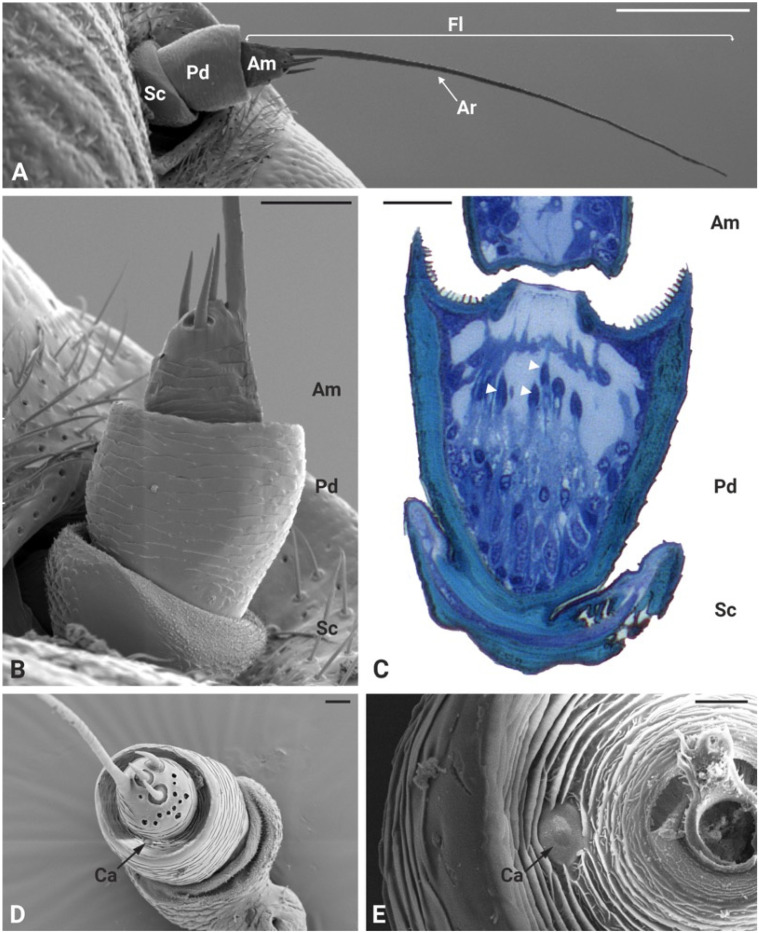 Figure 1
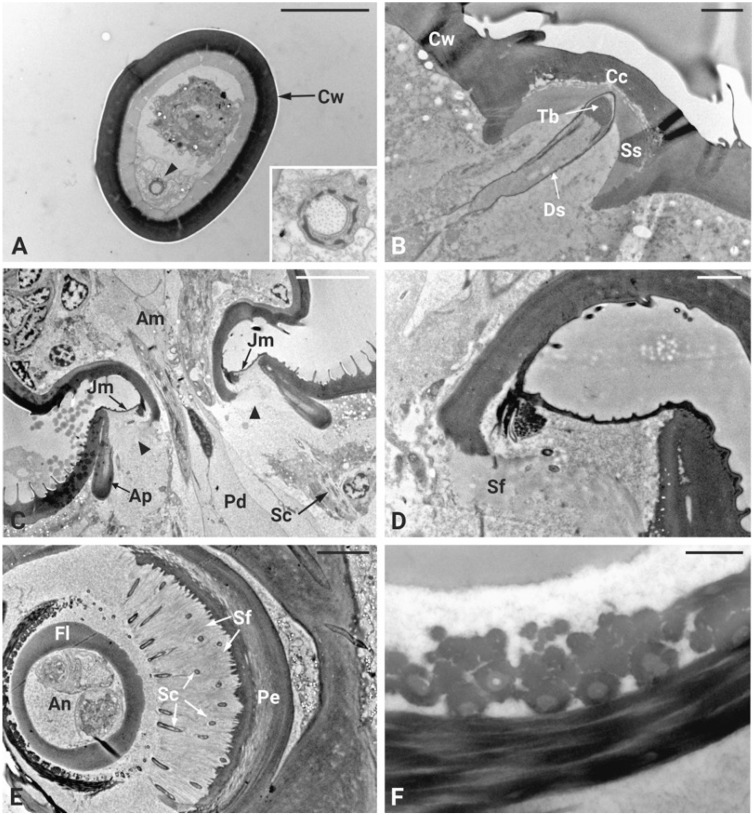 Figure 2
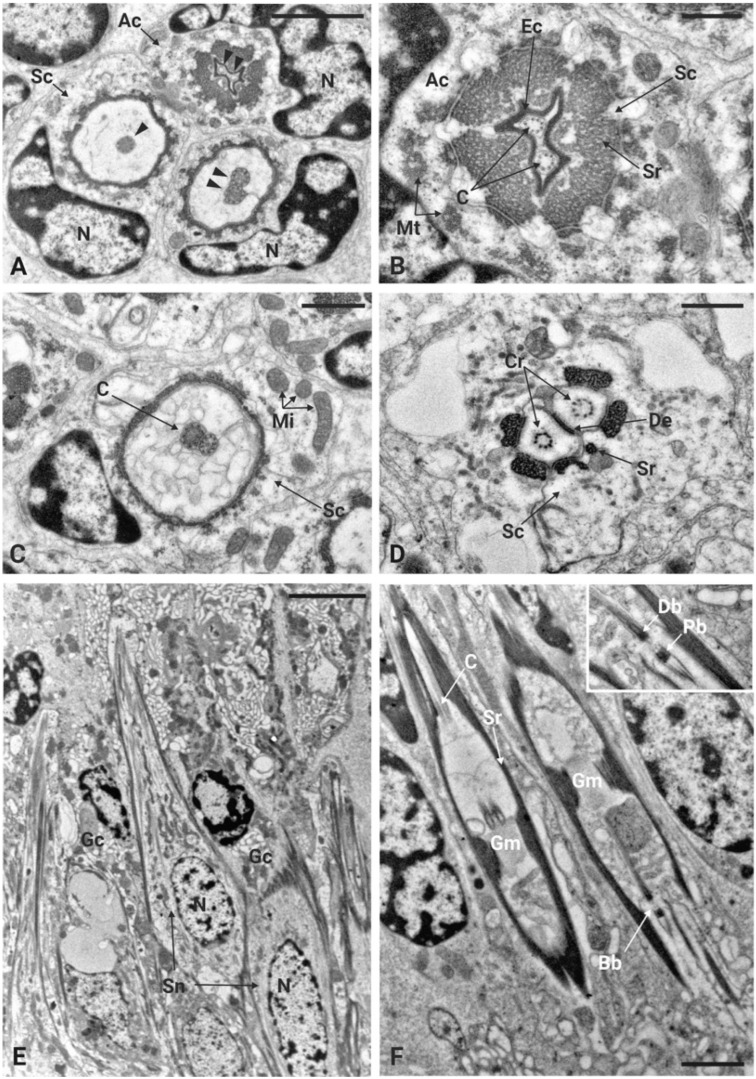 Figure 3
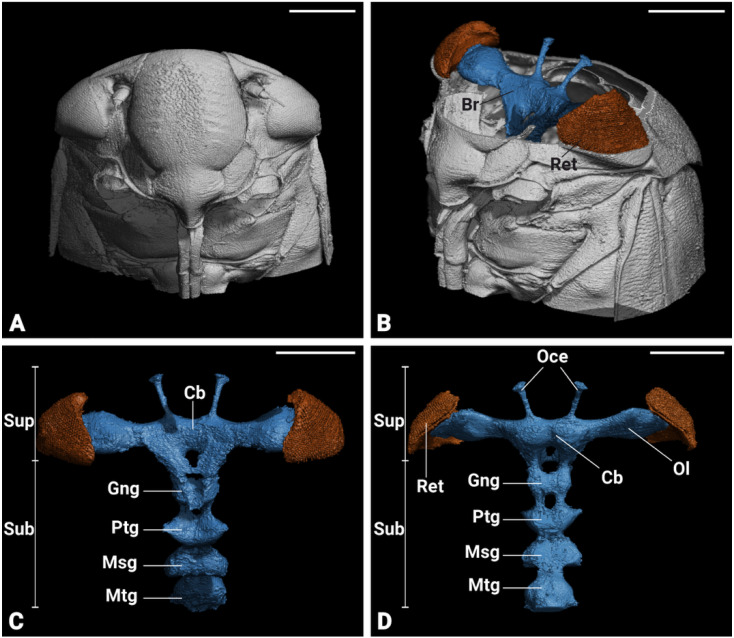 Figure 4
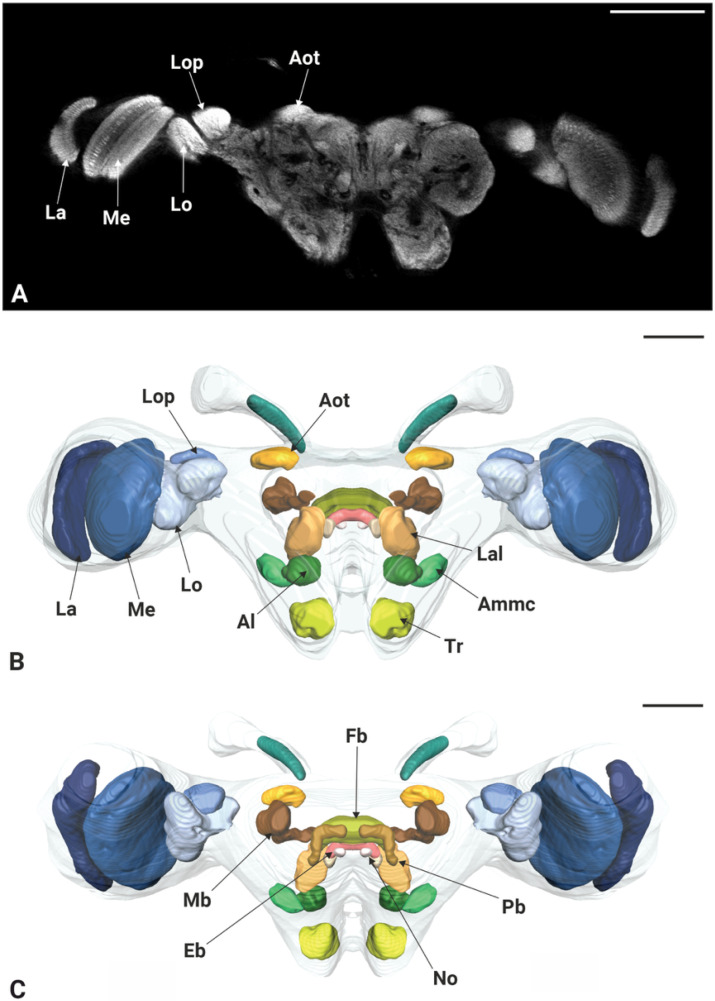 Figure 5
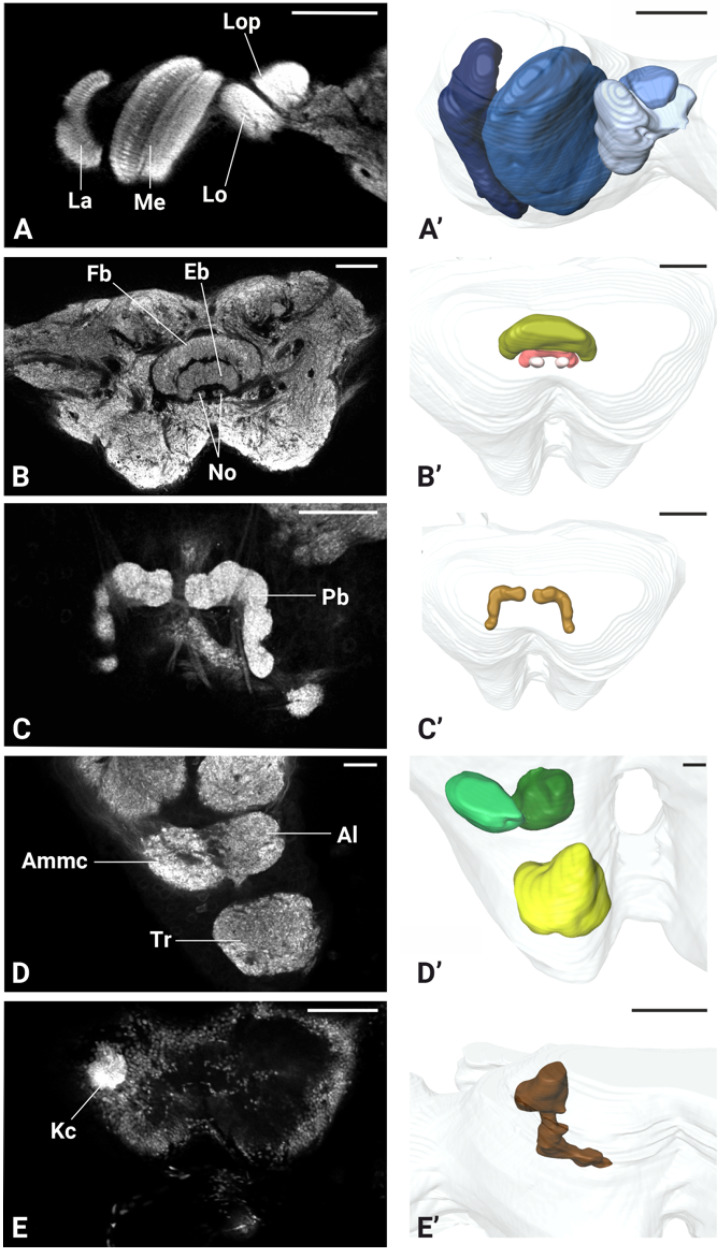 Figure 6
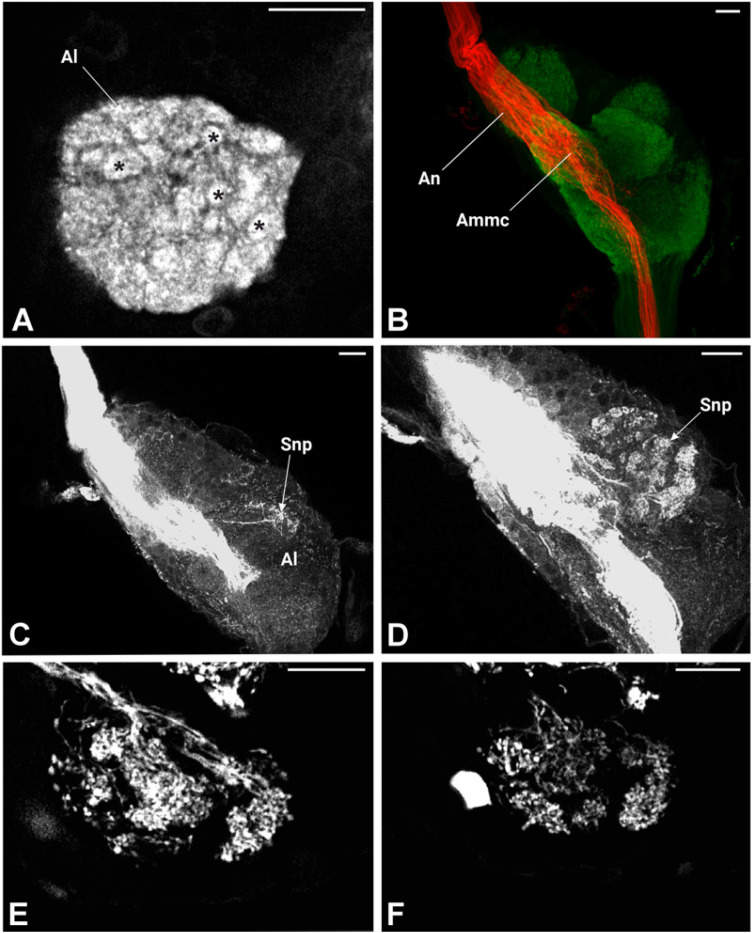 Figure 7
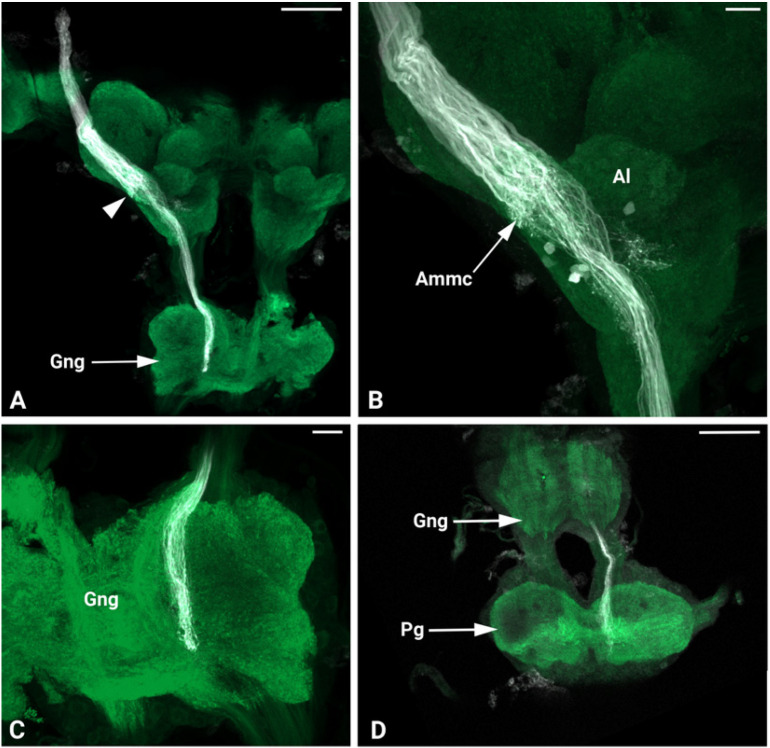 Figure 8
Peer Reviews
No public reviews on file for this paper yet. If you reviewed it on a platform where reviews are public (OpenReview, ICLR, NeurIPS, ICML), you can paste yours below so the community can read it here.
Videos
No videos yet. Explain this paper in a talk, walkthrough, or lecture? Add one.
Taxonomy
TopicsNeurobiology and Insect Physiology Research · Phytoplasmas and Hemiptera pathogens · Hemiptera Insect Studies