Impact of UGT1A1*28 Allele on the Safety and Effectiveness of Sacituzumab Govitecan in Metastatic Triple-Negative Breast Cancer: Real-World Evidence
Fernando do Pazo-Oubiña, Betel del Rosario García, Marta Miarons, Eva M. Legido Perdices, Elena Prado Mel, Ruth Ramos Díaz, Fernando Gutiérrez Nicolás

TL;DR
This study shows that a specific gene variant increases the risk of severe side effects from a cancer drug, suggesting genetic testing could help personalize treatment.
Contribution
The study provides real-world evidence linking UGT1A1*28 genotype to SG toxicity in mTNBC patients, supporting routine genotyping for safer treatment.
Findings
UGT1A1*28 homozygous patients had higher grade ≥ 2 adverse events compared to others.
Febrile neutropenia was significantly more common in UGT1A1*28 homozygous patients.
Dose reductions were associated with better survival outcomes, regardless of genotype.
Abstract
Background: The UGT1A1 gene is associated with the toxicity caused by SN38, the cytotoxic component of Sacituzumab govitecan (SG) used in the treatment of metastatic triple-negative breast cancer (mTNBC), among other approved indications. In this study, we aimed to analyze the effect of UGT1A1*28 allele on the safety and, secondarily, the effectiveness of SG in mTNBC. Methods: This was a multicenter, ambispective study that included patients treated with SG for mTNBC. Genotyping for UGT1A1*28 was performed using real-time polymerase chain reaction (PCR). Adverse events (AEs) of grade ≥ 2 during the first three cycles were compared between patients who were homozygous mutant (UGT1A1*28/*28) and those with wild-type (WT) or heterozygous genotypes. Effectiveness between the two groups was also compared using progression-free survival (PFS) and overall survival (OS) assessed with the…
Genes, proteins, chemicals, diseases, species, mutations and cell lines named across the full text — each resolved to its canonical identifier and authoritative record.
Click any figure to enlarge with its caption.
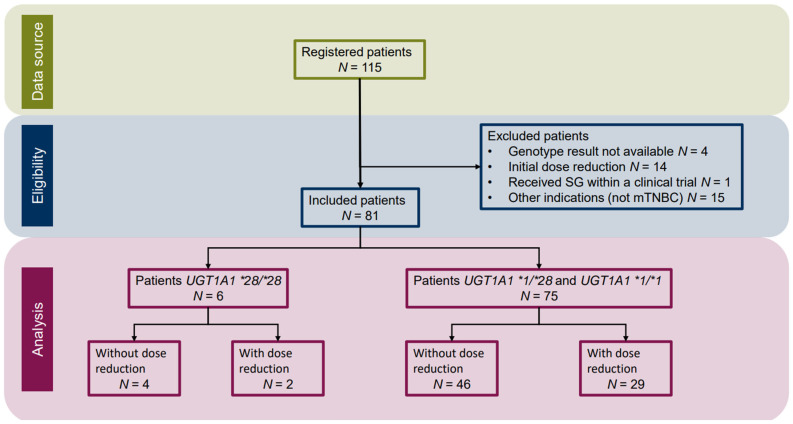 Figure 1
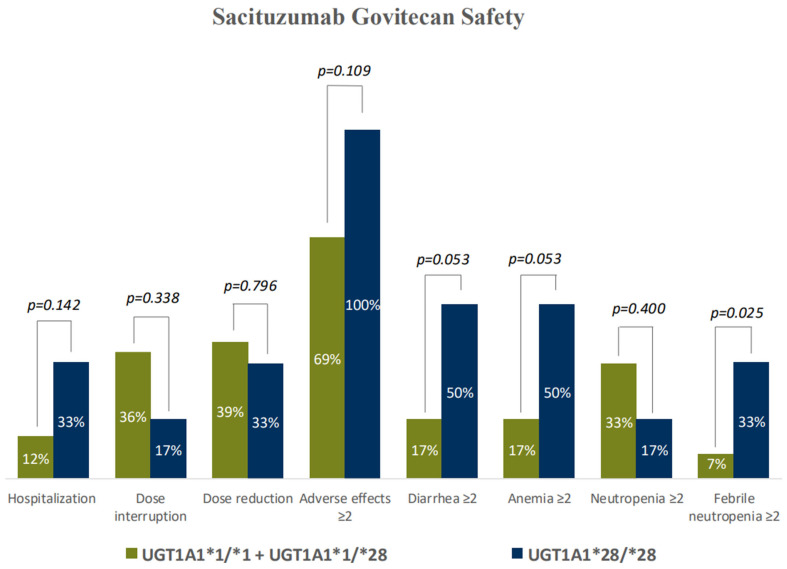 Figure 2
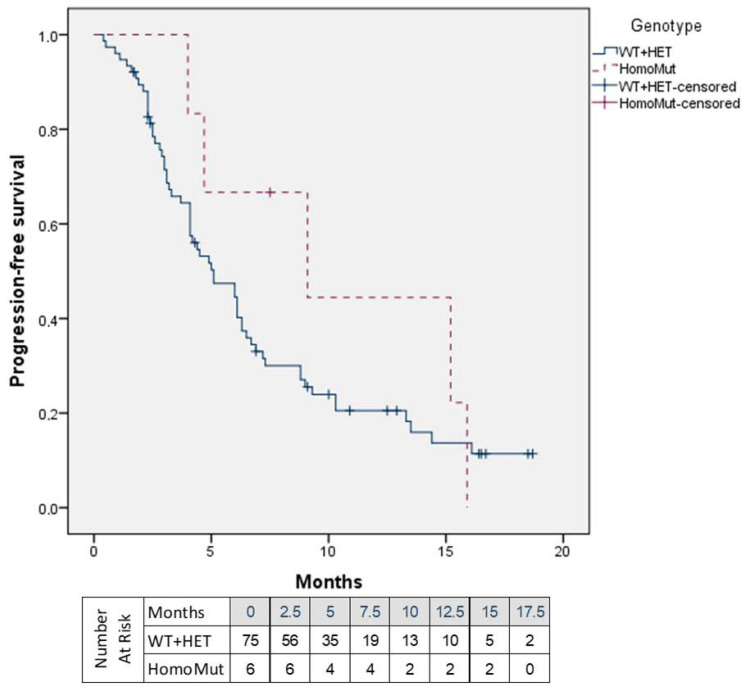 Figure 3
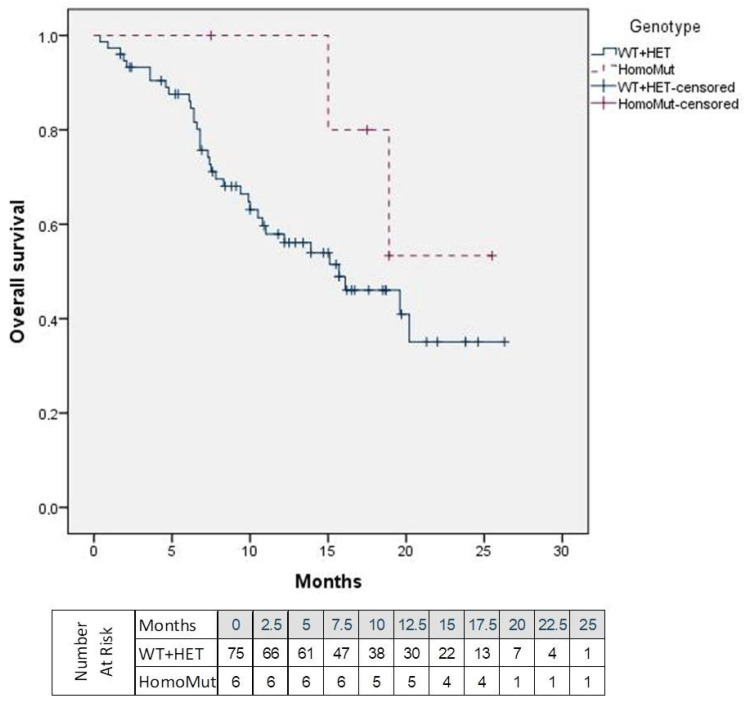 Figure 4
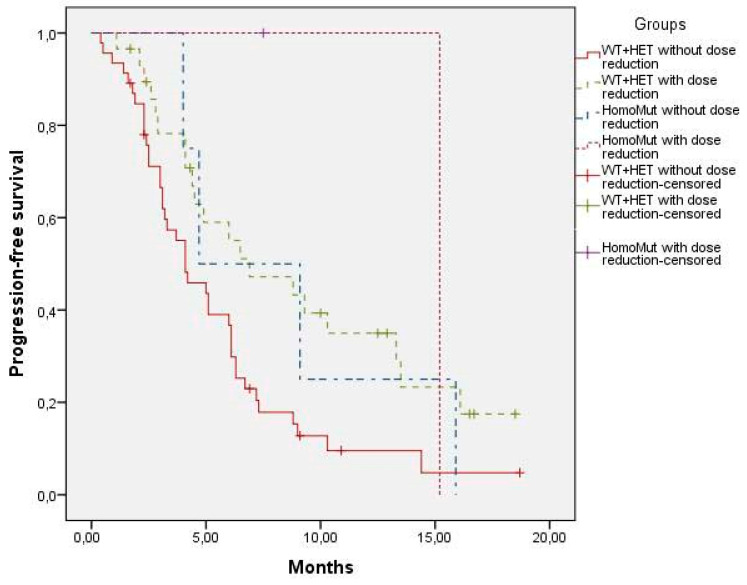 Figure 5
Peer Reviews
No public reviews on file for this paper yet. If you reviewed it on a platform where reviews are public (OpenReview, ICLR, NeurIPS, ICML), you can paste yours below so the community can read it here.
Videos
No videos yet. Explain this paper in a talk, walkthrough, or lecture? Add one.
Taxonomy
TopicsHER2/EGFR in Cancer Research · Estrogen and related hormone effects · PARP inhibition in cancer therapy