Extracellular Vesicles (EVs) Derived from Senescent Endothelial Cells Promote Platelet Activation
Whitney Venturini, Angel Cayo, Gabriel Diaz-Serrano, Sofia Sanhueza, Ricardo Huilcaman, Diego Méndez, Danitza Rebolledo-Mira, Catalina Silva-Pereira, Francisca Torres-Orellana, Felipe Troncoso, Carlos Escudero, Eduardo Fuentes, Andrew F. G. Quest, Claudio Valenzuela

TL;DR
Senescent endothelial cells release EVs that enhance platelet activation, potentially increasing the risk of blood clots in cancer patients treated with Doxorubicin.
Contribution
EVs from senescent endothelial cells promote platelet activation independently of their concentration or size.
Findings
Doxorubicin induces senescence and endothelial dysfunction in HMEC-1 cells.
EVs from senescent cells more strongly activate platelets than those from non-senescent cells.
EVs alone do not cause platelet aggregation, indicating a need for soluble factors.
Abstract
Thrombotic cardiovascular diseases are frequent side effects of cancer therapy with cytotoxic drugs such as Doxorubicin. Endothelial cell senescence is emerging as a critical mechanism underlying endothelial dysfunction in this context. Senescent cells, although unable to proliferate, secrete bioactive molecules that alter the tissue microenvironment, a feature known as the senescence-associated secretory phenotype (SASP). Besides soluble molecules, senescent cells also release extracellular vesicles (EVs). Previous studies indicate that senescent endothelial cells produce a secretome that promotes platelet activation; however, the contribution of EVs remains unclear. Here, we show that human microvascular endothelial cells (HMEC-1) exposed to Doxorubicin undergo senescence, display endothelial dysfunction, and release EVs. We found no differences in the concentration or size…
Genes, proteins, chemicals, diseases, species, mutations and cell lines named across the full text — each resolved to its canonical identifier and authoritative record.
Click any figure to enlarge with its caption.
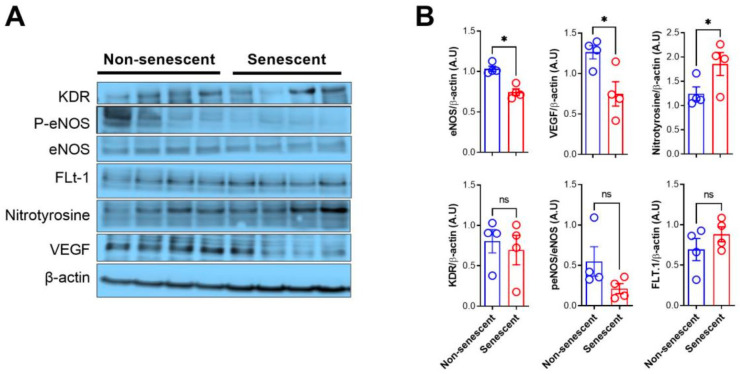 Figure 1
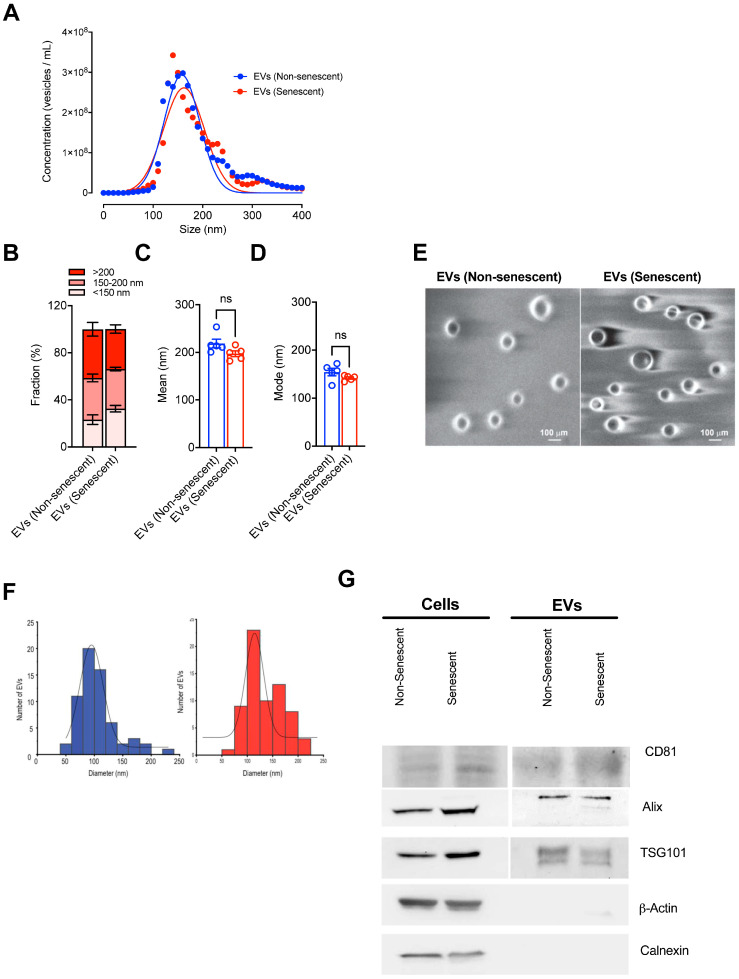 Figure 2
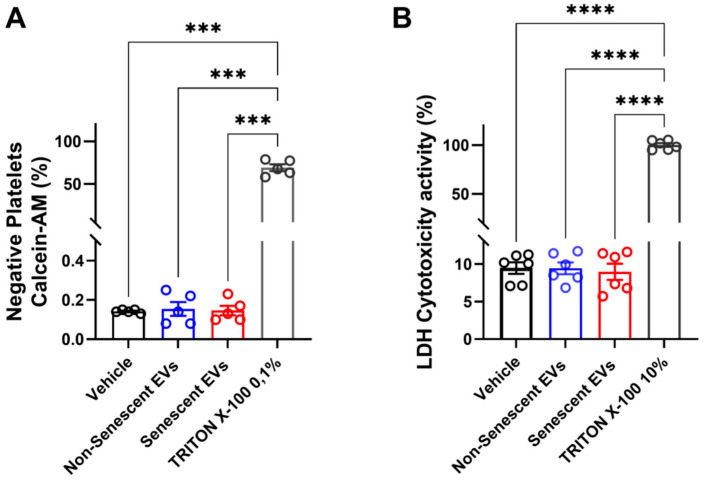 Figure 3
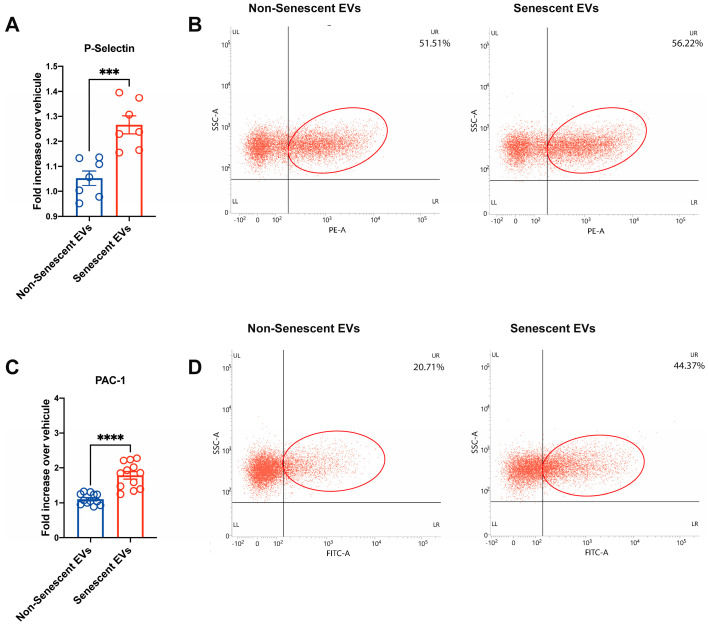 Figure 4
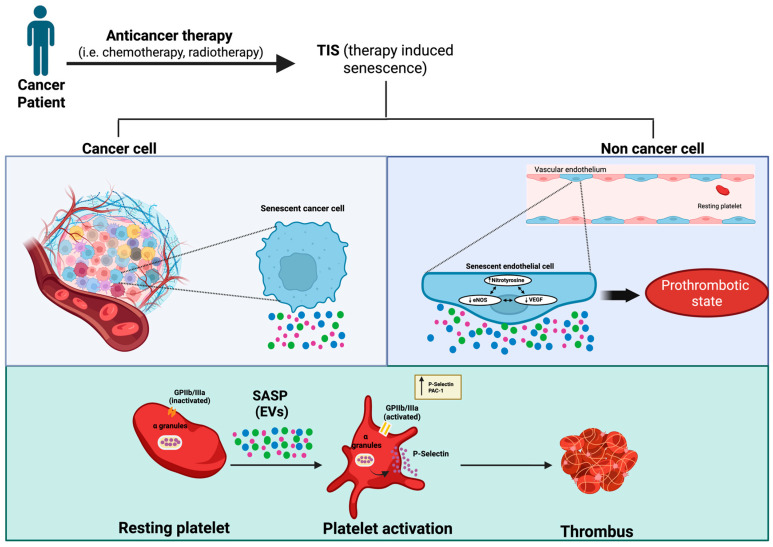 Figure 5
Peer Reviews
No public reviews on file for this paper yet. If you reviewed it on a platform where reviews are public (OpenReview, ICLR, NeurIPS, ICML), you can paste yours below so the community can read it here.
Videos
No videos yet. Explain this paper in a talk, walkthrough, or lecture? Add one.
Taxonomy
TopicsExtracellular vesicles in disease · Telomeres, Telomerase, and Senescence · Pulmonary Hypertension Research and Treatments