Euphorbia bicolor Xylene Extract Induces Mitochondrial and Endoplasmic Reticulum Stress-Mediated Apoptotic Pathways in MDA-MB-231 and T47D Cells
Mafia Mahabub Rumpa, Nguyen Linh Ngo, Camelia Maier

TL;DR
A plant extract from Euphorbia bicolor kills breast cancer cells by triggering cell death through mitochondrial and endoplasmic reticulum stress pathways.
Contribution
The study reveals a novel mechanism of apoptosis induction by Euphorbia bicolor extract in different breast cancer cell types.
Findings
E. bicolor xylene extract reduced viability of T47D and MDA-MB-231 cells in a dose-dependent manner.
Apoptosis in MDA-MB-231 cells was mediated by TRPV1 activation and intracellular calcium overload.
In T47D cells, apoptosis was linked to ROS generation and mitochondrial calcium overload.
Abstract
Breast cancer is a significant cause of death worldwide. Recent research has focused on identifying natural compounds for developing effective cancer treatments. Resiniferatoxin, a transient receptor potential vanilloid 1 (TRPV1) agonist, is a common diterpene in Euphorbia bicolor Engelm. & A. Gray (Euphorbiaceae), a plant native to the southern United States that has not been studied before. We investigated the antiproliferative activities and mechanisms of action of E. bicolor xylene extract in estrogen receptor-positive T47D and triple-negative MDA-MB-231 cell lines. The extract significantly reduced the viability of T47D and MDA-MB-231 cells in a dose-dependent manner. In MDA-MB-231 cells, the extract induced apoptosis via intracellular calcium overload, triggered by TRPV1 activation. This effect was diminished by the TRPV1 antagonist capsazepine and the calcium chelator BAPTA-AM.…
Genes, proteins, chemicals, diseases, species, mutations and cell lines named across the full text — each resolved to its canonical identifier and authoritative record.
Click any figure to enlarge with its caption.
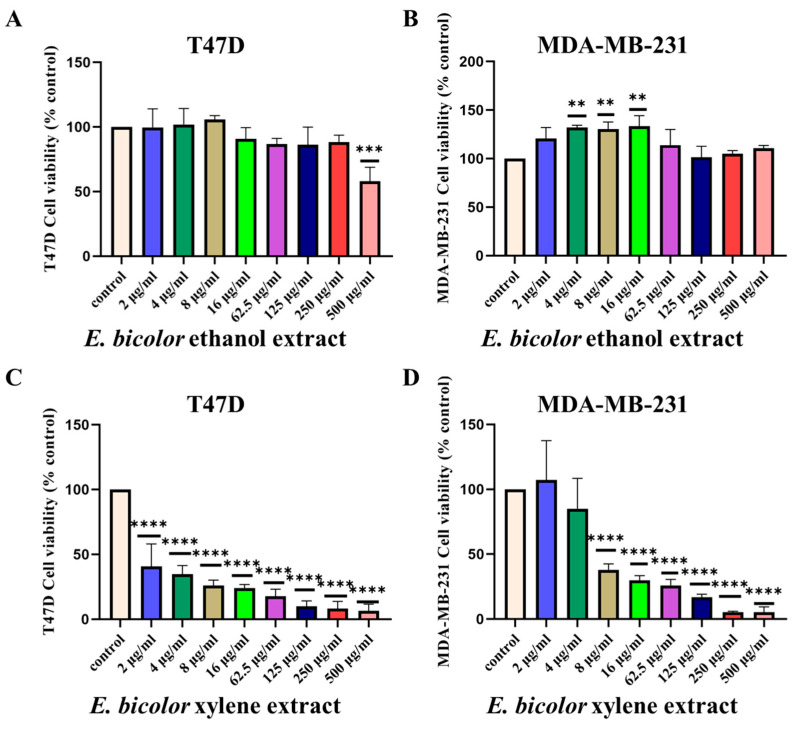 Figure 1
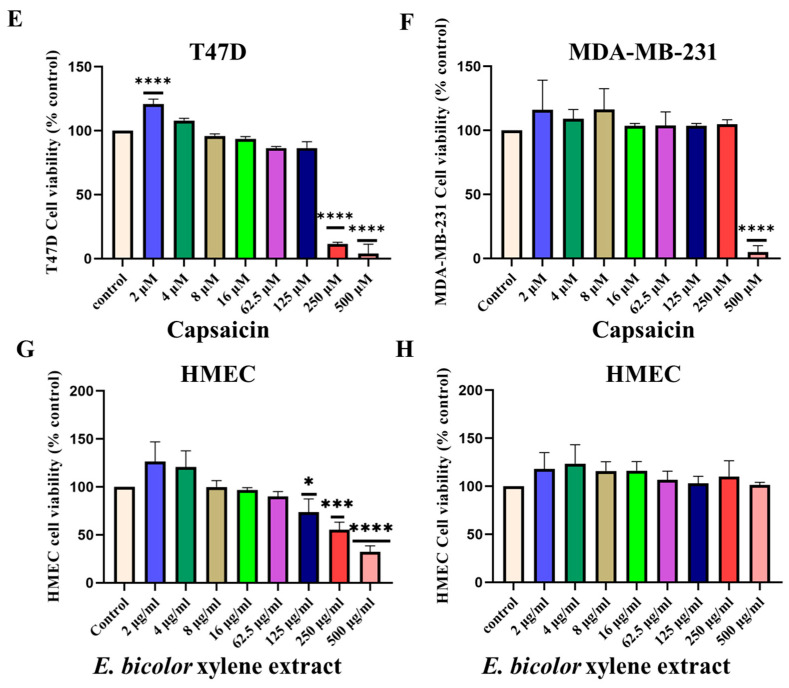 Figure 2
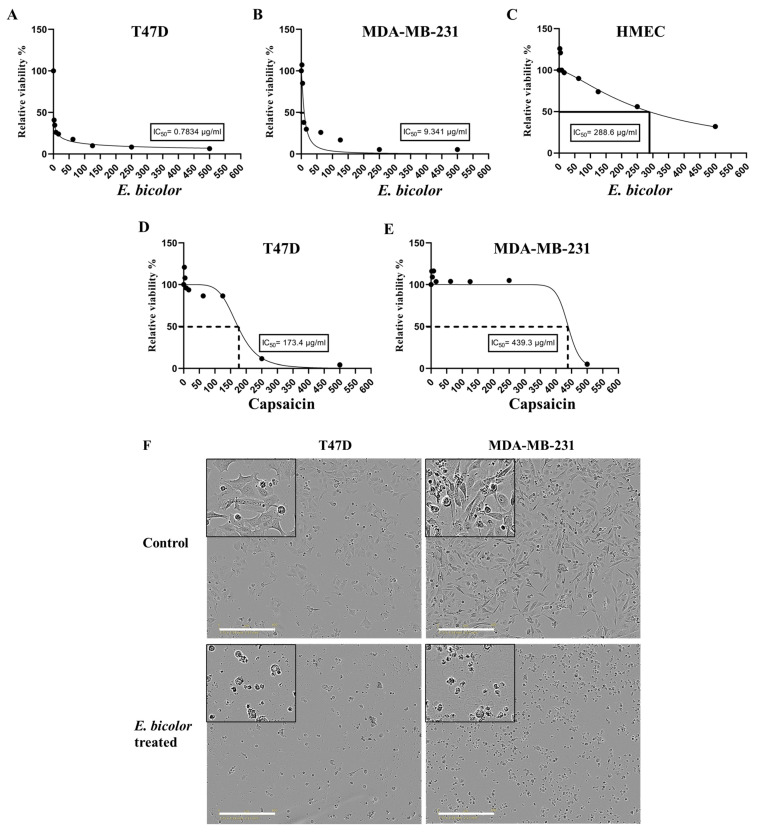 Figure 3
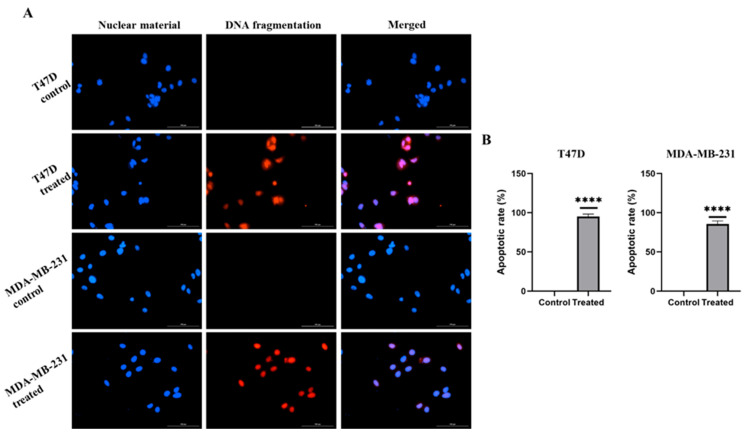 Figure 4
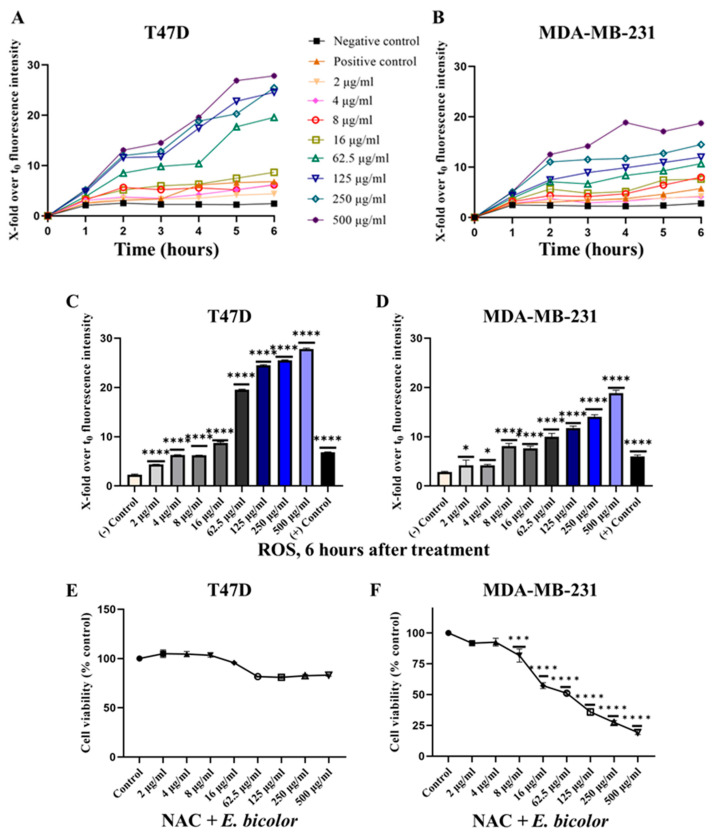 Figure 5
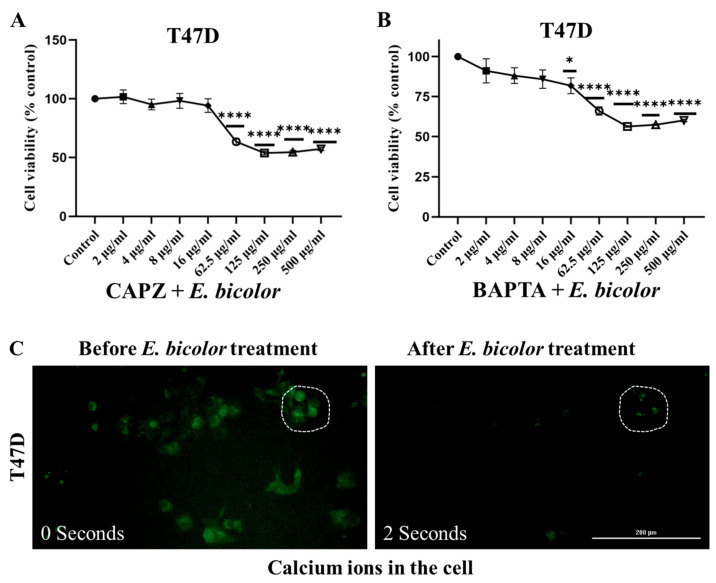 Figure 6
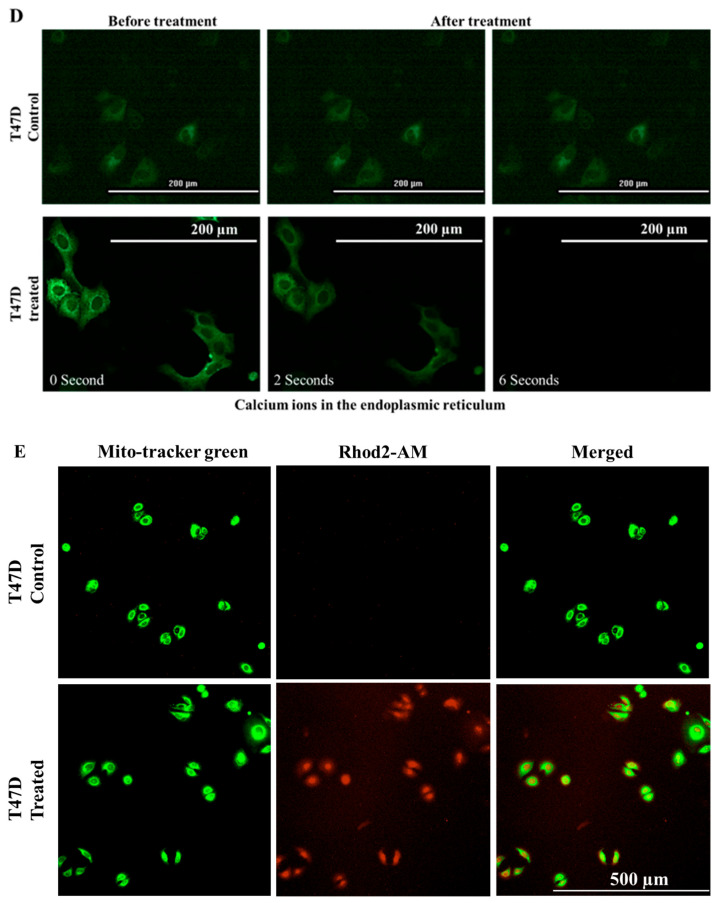 Figure 7
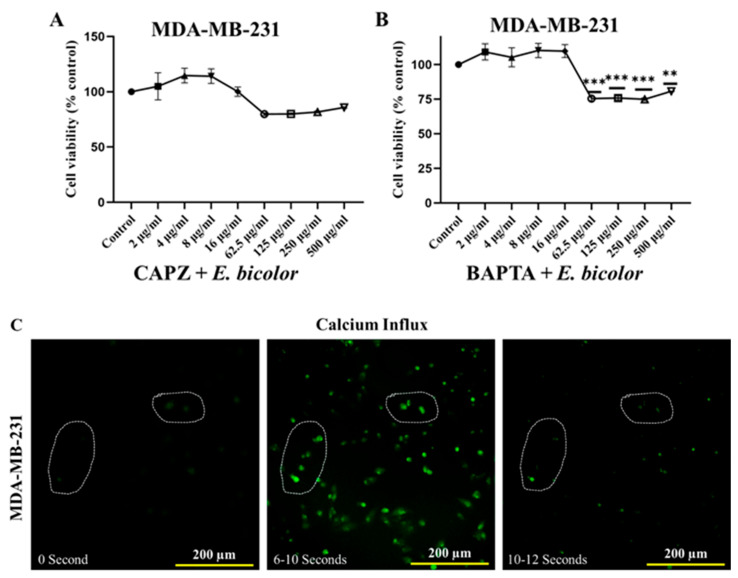 Figure 8
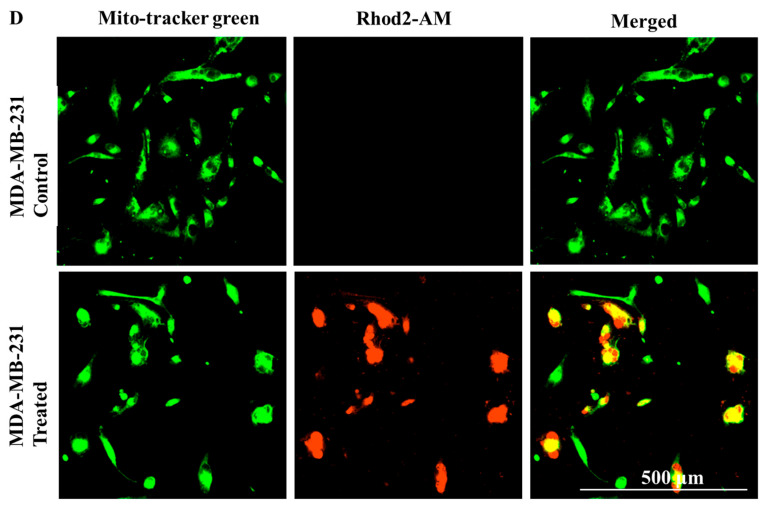 Figure 9
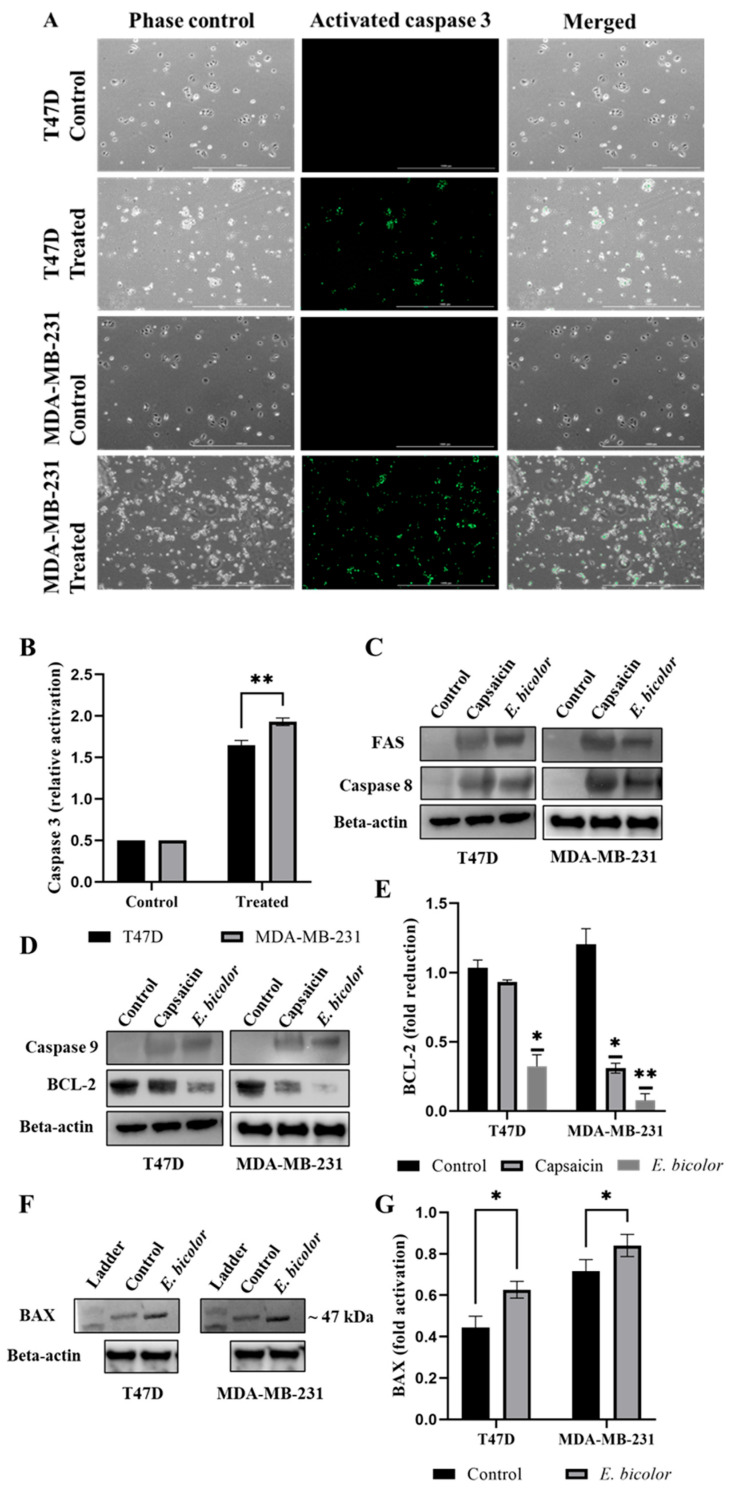 Figure 10
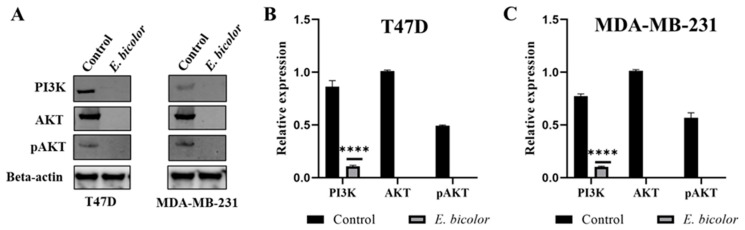 Figure 11
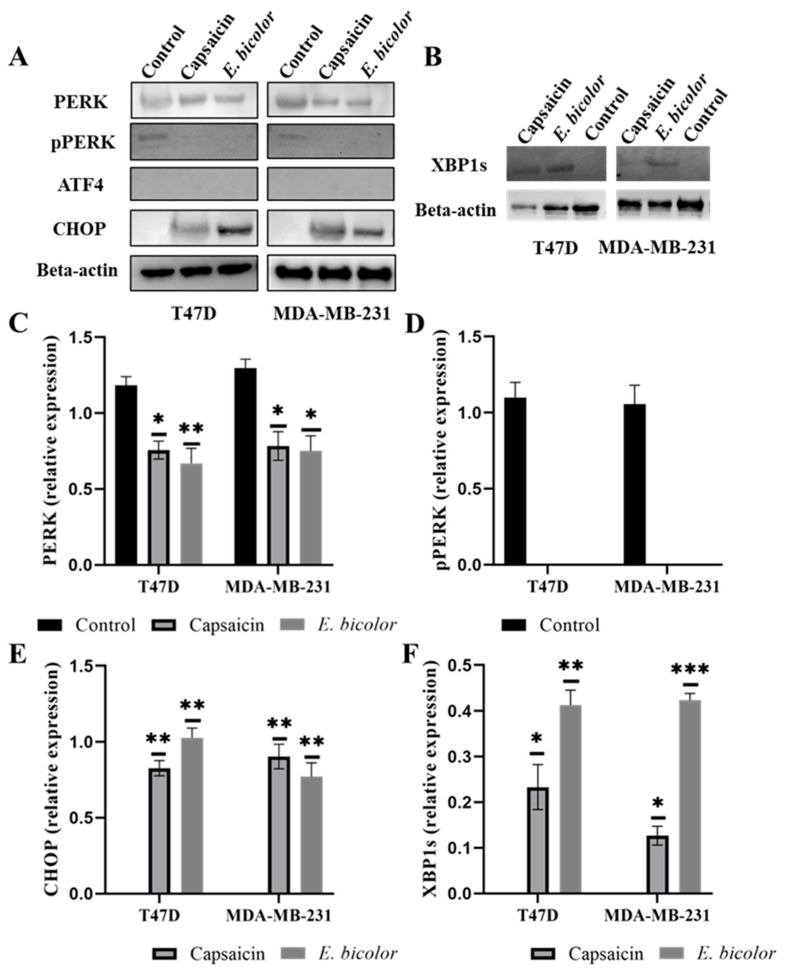 Figure 12
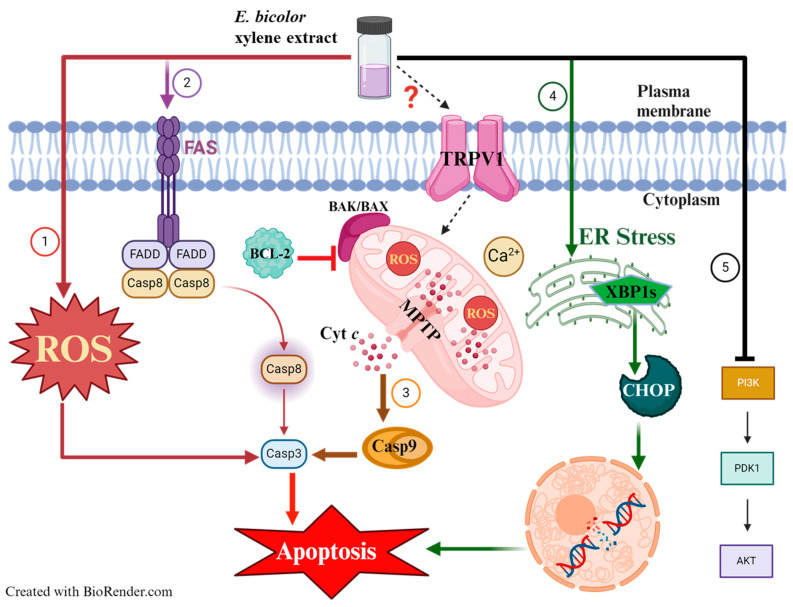 Figure 13
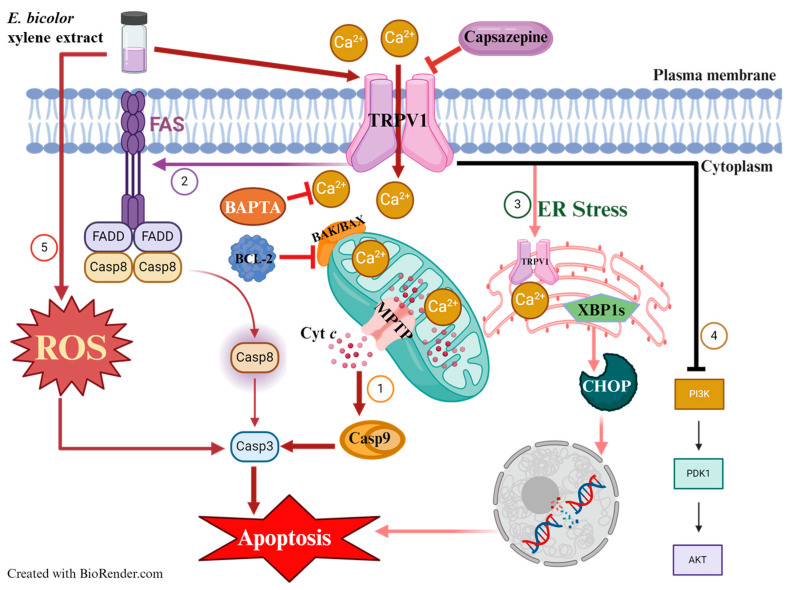 Figure 14
Peer Reviews
No public reviews on file for this paper yet. If you reviewed it on a platform where reviews are public (OpenReview, ICLR, NeurIPS, ICML), you can paste yours below so the community can read it here.
Videos
No videos yet. Explain this paper in a talk, walkthrough, or lecture? Add one.
Taxonomy
TopicsBioactive Natural Diterpenoids Research · Cell death mechanisms and regulation · Plant-based Medicinal Research