Pathogen Evasion of Humoral Innate Immunity: Coping with C-Reactive Protein and Serum Amyloid A
Weichen Gong, Xuefei Cheng, Julio Villena, Haruki Kitazawa

TL;DR
This paper reviews how pathogens evade the immune proteins CRP and SAA, which are part of the body's first-line defense against infections.
Contribution
The paper systematically summarizes pathogen evasion strategies against CRP and SAA, highlighting their role in host-pathogen interactions.
Findings
CRP and SAA are upregulated during infection and contribute to pathogen recognition and inflammation.
Pathogens evade CRP and SAA through surface modification, proteolytic degradation, and biofilm shielding.
Understanding these evasion mechanisms could lead to new therapies targeting microbial survival strategies.
Abstract
C-reactive protein (CRP) and serum amyloid A (SAA) are classical acute-phase proteins that exemplify humoral innate immunity, the soluble arm of the host’s first-line defense. Beyond their traditional use as biomarkers of inflammation, both proteins function as active effectors against pathogens by binding microbial components, activating complements, and modulating inflammation. However, bacteria, viruses, and fungi have co-evolved diverse mechanisms to cope with or evade these host defenses. This review aims to summarize the current understanding of CRP and SAA as soluble innate immune effectors and to highlight pathogen strategies to counteract their antimicrobial pressure. We systematically surveyed and summarized evidence from experimental and clinical studies describing “function of CRP and SAA during infection”, “CRP and SAA in innate immune defense”, and “evasion mechanisms…
Genes, proteins, chemicals, diseases, species, mutations and cell lines named across the full text — each resolved to its canonical identifier and authoritative record.
Click any figure to enlarge with its caption.
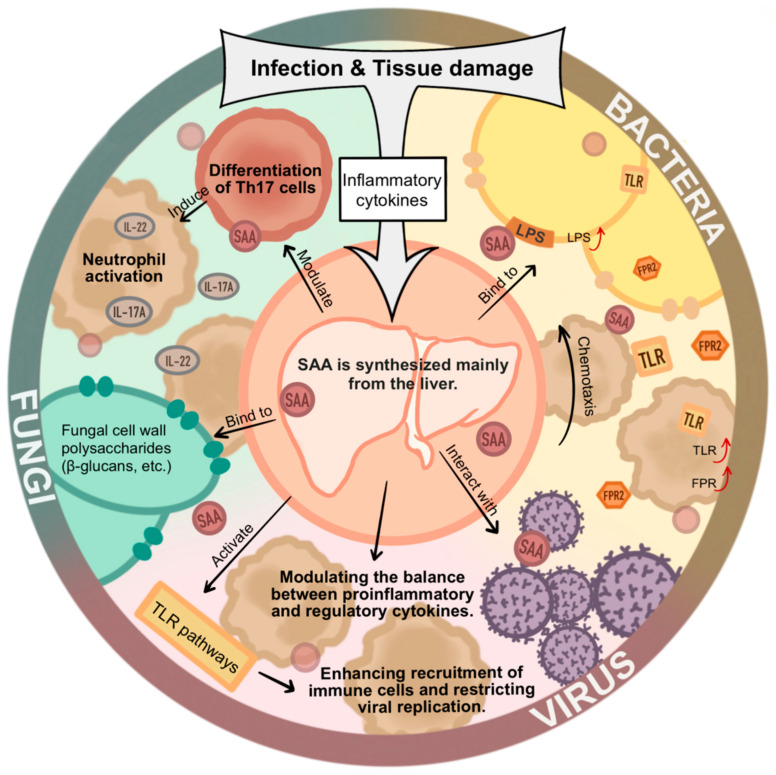 Figure 1
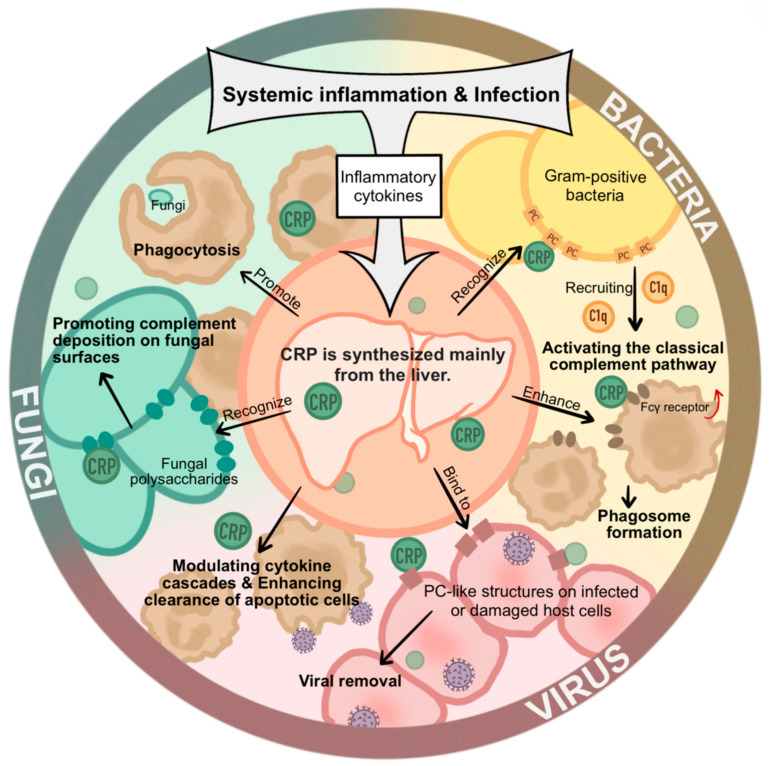 Figure 2
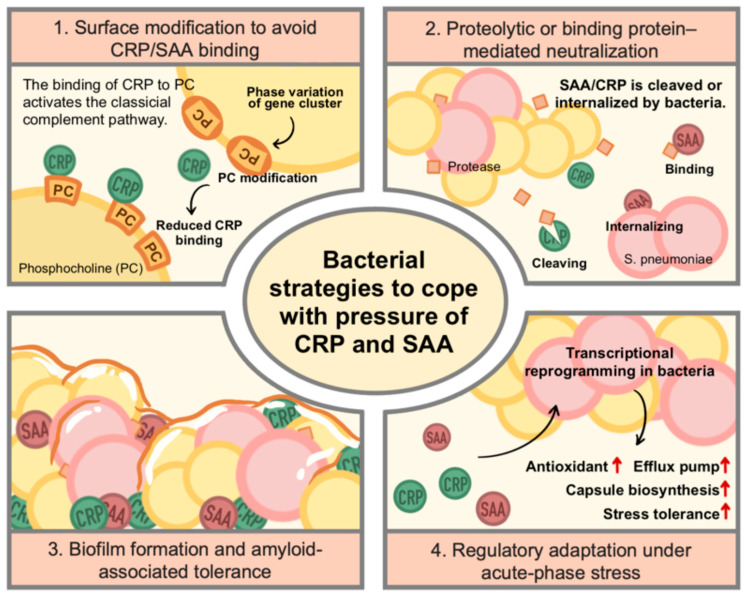 Figure 3
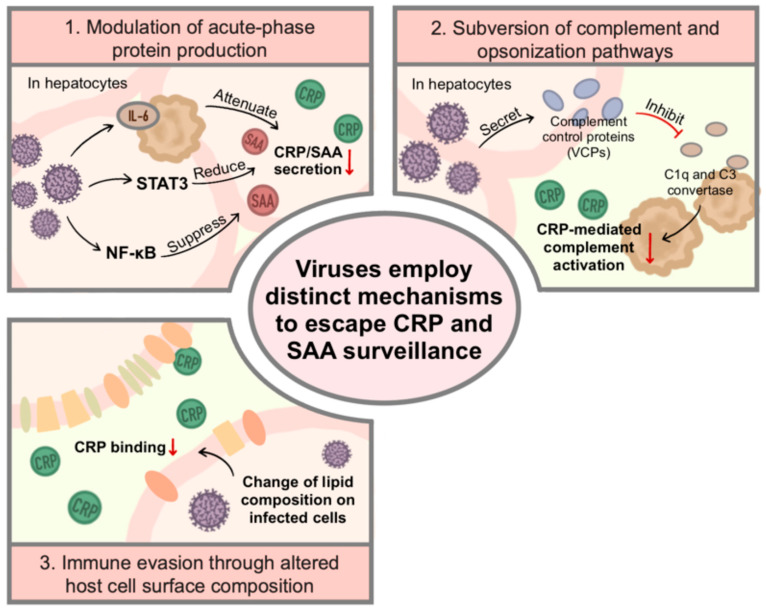 Figure 4
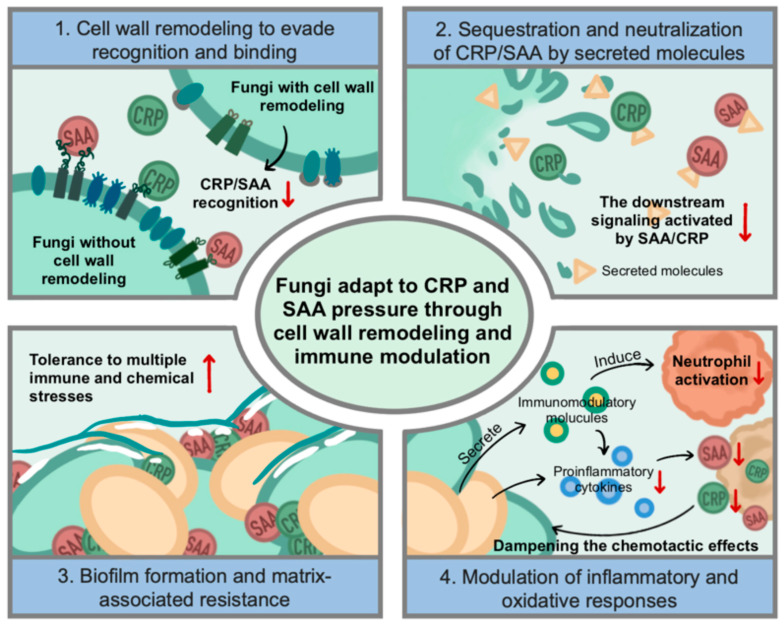 Figure 5
Peer Reviews
No public reviews on file for this paper yet. If you reviewed it on a platform where reviews are public (OpenReview, ICLR, NeurIPS, ICML), you can paste yours below so the community can read it here.
Videos
No videos yet. Explain this paper in a talk, walkthrough, or lecture? Add one.
Taxonomy
TopicsAmyloidosis: Diagnosis, Treatment, Outcomes · Immune Response and Inflammation · Invertebrate Immune Response Mechanisms