Higher Anti-Drug Antibody Levels to Anti-Tumor Necrosis Factor Therapies Are Associated with Treatment Failure in Patients with Inflammatory Bowel Disease
Alessandra Saraga, Tina Deyhim, Ajay Gade, Grace Geeganage, Mostafa Soliman, Nathan David Vanshelboym Rothschild, Samantha Zullow, Loren G. Rabinowitz, Laurie B. Grossberg, Adam S. Cheifetz, Konstantinos Papamichael

TL;DR
Higher levels of antibodies against anti-TNF drugs are linked to treatment failure in inflammatory bowel disease patients.
Contribution
This study identifies specific antibody thresholds that predict treatment failure in IBD patients using anti-TNF therapies.
Findings
Higher anti-drug antibody levels significantly correlate with treatment failure in IBD patients.
Thresholds of 5.2 U/mL for adalimumab and 8.8 U/mL for infliximab antibodies predict treatment failure.
The study used a large cohort and time-to-event analysis to establish these associations.
Abstract
Background/Objectives: There is limited data regarding the association of anti-drug antibody (ADA) levels with the efficacy of anti-tumor necrosis factor (anti-TNF) therapy in patients with inflammatory bowel disease (IBD). We aimed to investigate the association between antibody to adalimumab (ATA) and antibody to infliximab (ATI) levels and treatment failure in IBD. Methods: This single-center, retrospective cohort study included consecutive IBD patients with ADA evaluated with a drug-tolerant assay between September 2012 and February 2023. A time-to-event analysis was performed for treatment failure, defined as the need for drug discontinuation due to primary non-response, loss of response, a serious adverse event, or an IBD-related surgery. Patients were followed from first positive ADA until treatment failure or the end of the follow-up (May 2024). Results: The study population…
Genes, proteins, chemicals, diseases, species, mutations and cell lines named across the full text — each resolved to its canonical identifier and authoritative record.
Click any figure to enlarge with its caption.
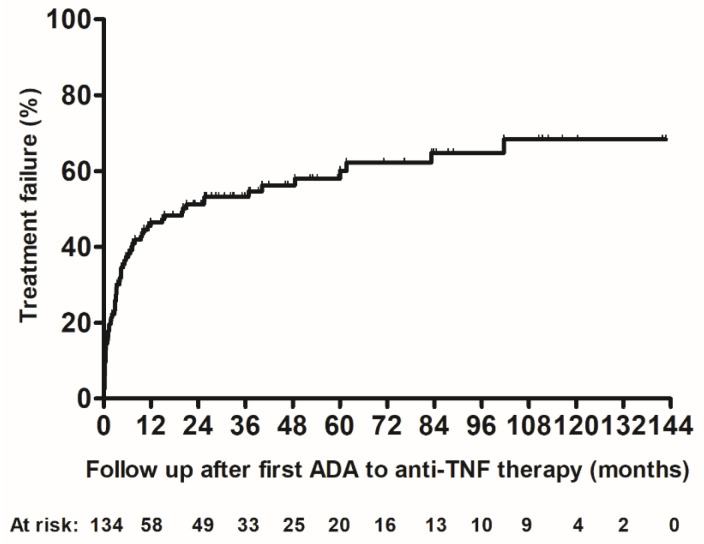 Figure 1
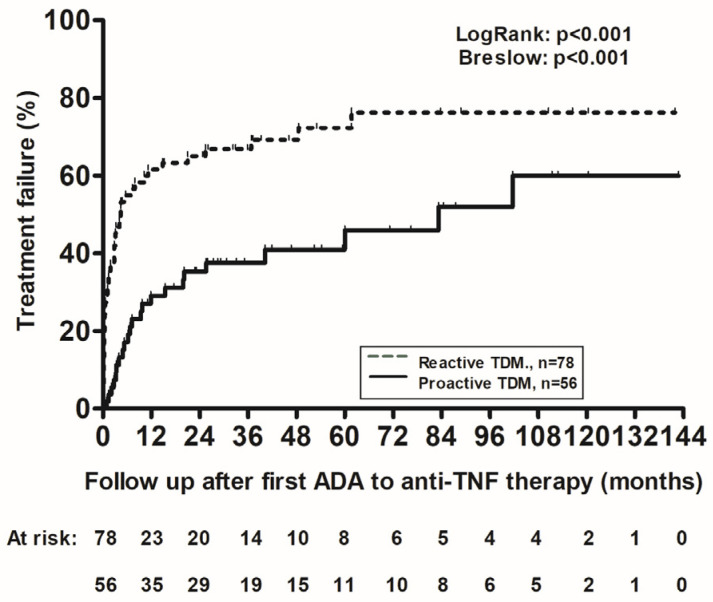 Figure 2
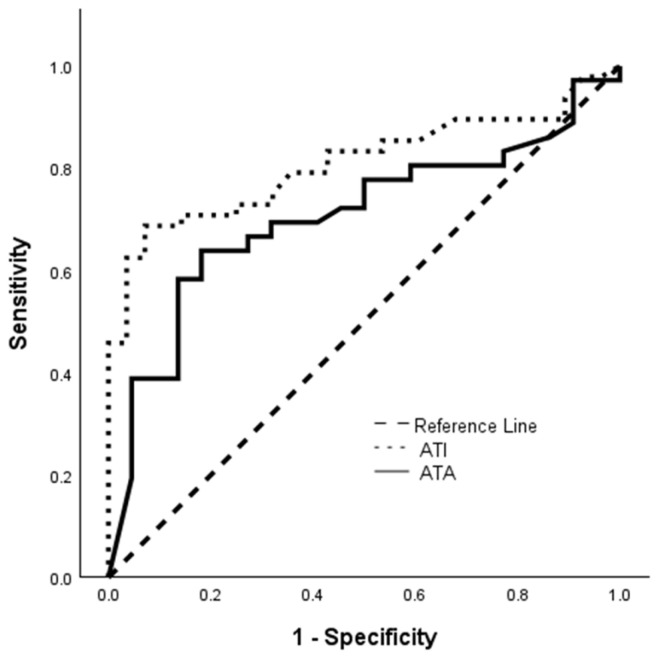 Figure 3
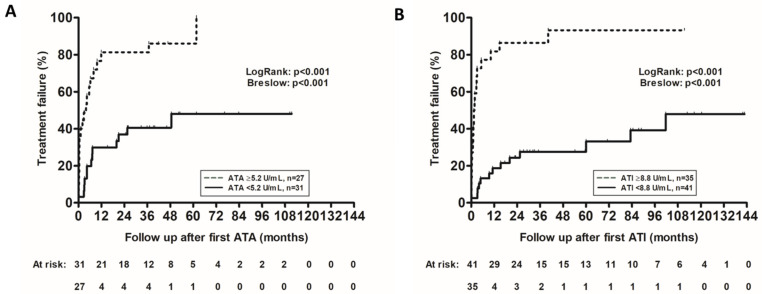 Figure 4
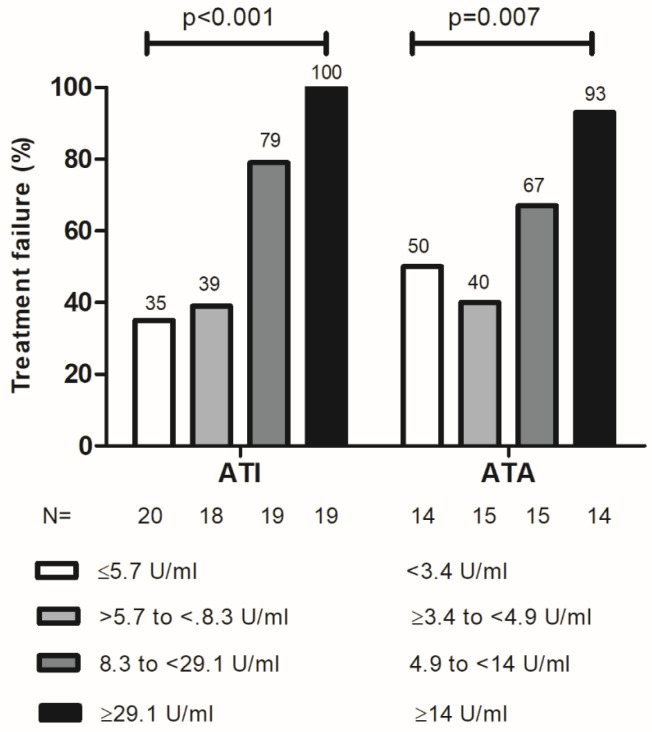 Figure 5
Peer Reviews
No public reviews on file for this paper yet. If you reviewed it on a platform where reviews are public (OpenReview, ICLR, NeurIPS, ICML), you can paste yours below so the community can read it here.
Videos
No videos yet. Explain this paper in a talk, walkthrough, or lecture? Add one.
Taxonomy
TopicsInflammatory Bowel Disease · Biosimilars and Bioanalytical Methods · Microscopic Colitis