Herring-Based Diets Provide Robust Support for Anopheles gambiae Development and Colony Maintenance
Samuel S. Akporh, Ibrahim K. Gyimah, Aaron A. Lartey, Samuel O. Darkwah, Godwin K. Amlalo, Sampson Gbagba, Ali Bin Idrees Alhassan, Godwin Hamenu, Dominic Acquah-Baidoo, Joannitta Joannides, Gladys N. Doughan, Godwin A. Koffa, Enyonam A. Akpakli, Akua O. Y. Danquah

TL;DR
This study shows that dried herring can be used as a cost-effective and sustainable alternative to commercial feed for raising Anopheles mosquitoes in labs.
Contribution
The study introduces herring-based diets as a viable, locally available alternative to commercial feeds for mosquito rearing.
Findings
Herring-based diets supported the best larval survival and adult emergence rates.
Maize-based diets led to higher mortality and poor pupation rates.
Herring combined with maize improved mosquito development and fecundity.
Abstract
The maintenance of mosquitoes in the laboratory is important for vector biology research. Obtaining healthy adult mosquitoes starts with ensuring that the larvae are fed well. The established standard protocols, however, suggest the use of feeds that are usually commercial, presenting procurement challenges for laboratories, particularly in low-resource settings. Therefore, this study assessed the use of local produce, including maize, beans, and dried herrings, as feed for mosquito larvae. We tested how well these feeds supported the development of the larvae, and tested their effect on adult size, weight, and the ability of the female adult to reproduce the next generation of offspring. Our results showed that herrings performed best among all feeds tested and were comparable to the commercial feed. Although beans often resulted in lower estimates, the negative effect could be reduced…
Genes, proteins, chemicals, diseases, species, mutations and cell lines named across the full text — each resolved to its canonical identifier and authoritative record.
Click any figure to enlarge with its caption.
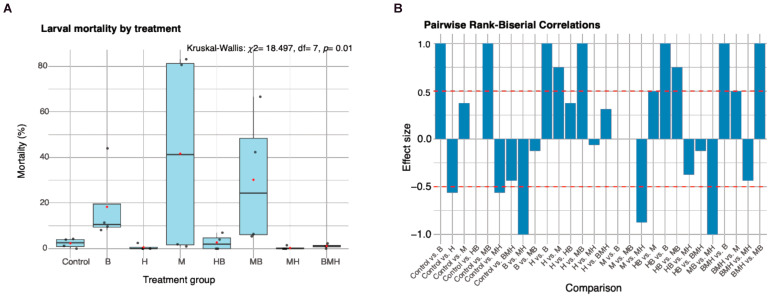 Figure 1
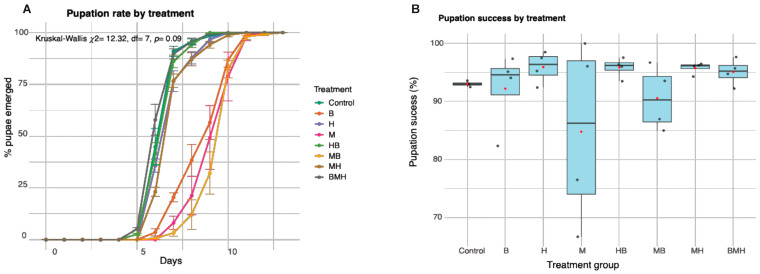 Figure 2
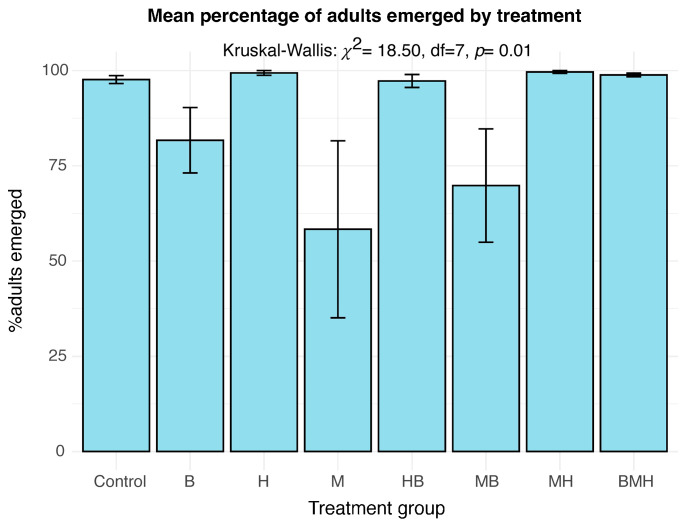 Figure 3
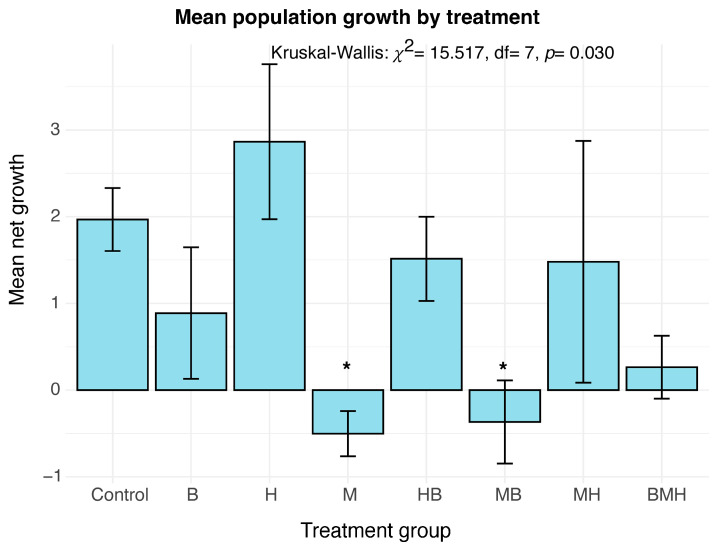 Figure 4
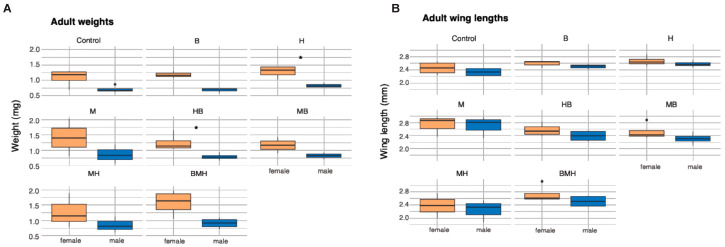 Figure 5
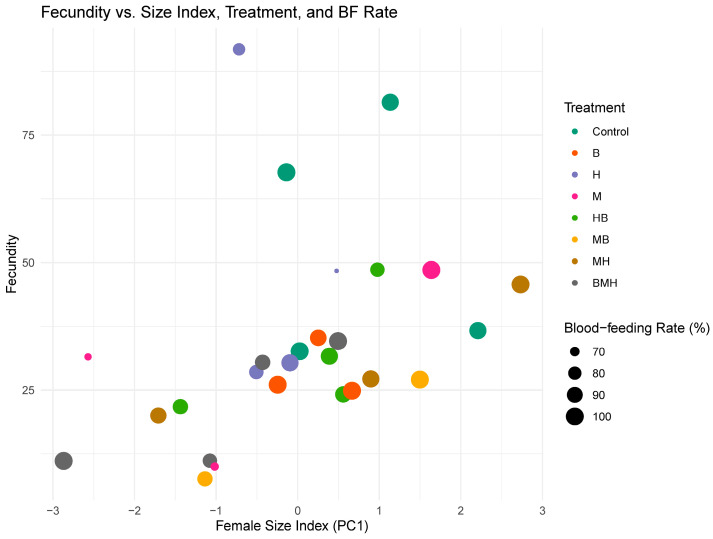 Figure 6
Peer Reviews
No public reviews on file for this paper yet. If you reviewed it on a platform where reviews are public (OpenReview, ICLR, NeurIPS, ICML), you can paste yours below so the community can read it here.
Videos
No videos yet. Explain this paper in a talk, walkthrough, or lecture? Add one.
Taxonomy
TopicsMalaria Research and Control · Mosquito-borne diseases and control · Insect Utilization and Effects