Impact of Diabetes on Management and Outcomes in Patients with Borderline FFRCT
Yanchun Chen, Zhan Feng, Wenjing Jia, Xiaoyu Ma, Zhengjie He, Hui Lou, Hongjie Hu, Zhen Zhou, Lei Xu

TL;DR
This study found that revascularization reduces heart-related risks in patients with borderline FFRCT, regardless of whether they have diabetes.
Contribution
The study clarifies the consistent benefit of revascularization in reducing MACE for both diabetic and non-diabetic patients with borderline FFRCT.
Findings
Revascularization was independently associated with reduced MACE risk in both diabetic and non-diabetic patients.
A non-linear relationship between FFRCT and MACE was observed in non-diabetic patients.
The protective effect of revascularization was stronger in diabetic patients compared to non-diabetic patients.
Abstract
Background: The impact of diabetes on the management and outcomes of patients with borderline CT-derived fractional flow reserve (FFRCT) remains unclear. Methods: This multicenter study enrolled symptomatic patients with suspected coronary artery disease who underwent Coronary computed tomography angiography (CCTA) between June 2021 and May 2023, yielding FFRCT values between 0.70 and 0.80. Revascularization occurring within 90 days after CCTA was documented. The endpoint was major adverse cardiovascular events (MACE), as a composite of all-cause death, nonfatal myocardial infarction, and unplanned revascularization. Outcomes were analyzed using Cox proportional hazards models, while the relationship between FFRCT and MACE was examined using restricted cubic spline analysis (RCS). Results: This analysis included 1515 patients with borderline FFRCT values, comprising 503 (33.2%) with…
Genes, proteins, chemicals, diseases, species, mutations and cell lines named across the full text — each resolved to its canonical identifier and authoritative record.
Click any figure to enlarge with its caption.
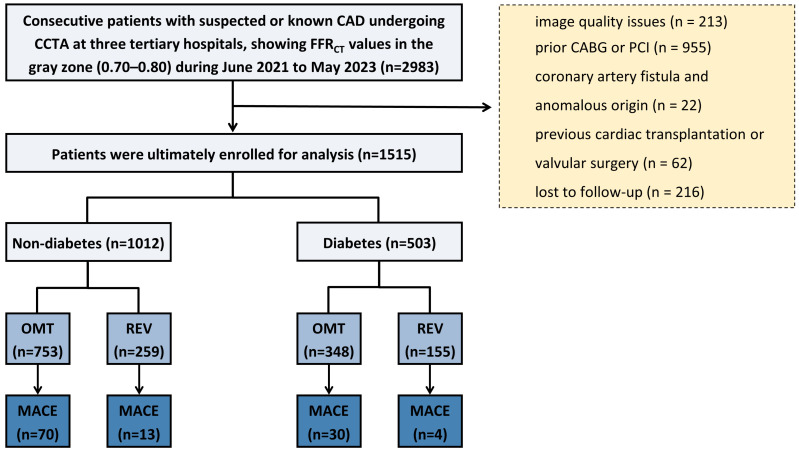 Figure 1
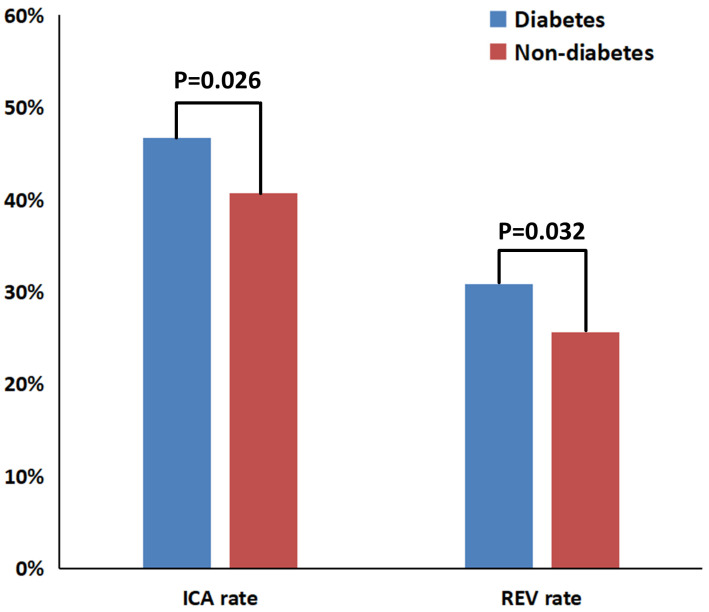 Figure 2
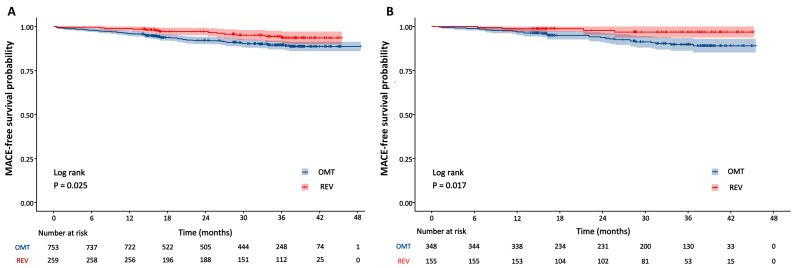 Figure 3
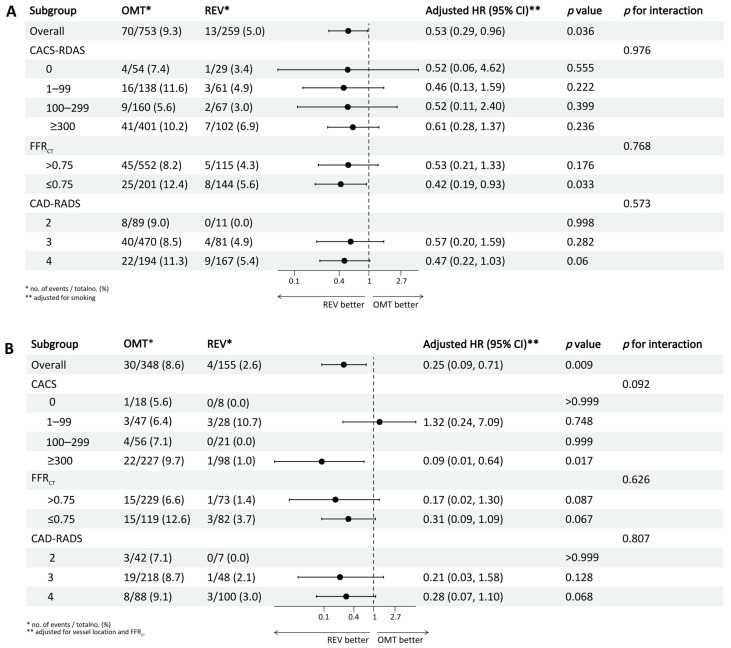 Figure 4
Peer Reviews
No public reviews on file for this paper yet. If you reviewed it on a platform where reviews are public (OpenReview, ICLR, NeurIPS, ICML), you can paste yours below so the community can read it here.
Videos
No videos yet. Explain this paper in a talk, walkthrough, or lecture? Add one.
Taxonomy
TopicsCardiac Imaging and Diagnostics · Coronary Interventions and Diagnostics · Cerebrovascular and Carotid Artery Diseases