A Tandem Metabarcoding and Taxonomic Forensics Approach to Surveillance of Mosquito–Plant Interactions for Culex quinquefasciatus in Florida
Mba-Tihssommah Mosore, Shova Mishra, Milani Villa, Bright Agbodzi, Alden S. Estep, Agne Prasauskas, Whitney A. Qualls, Daniel Killingsworth, Isik Unlu, Miranda Tressler, Rhoel R. Dinglasan, Edwin R. Burgess

TL;DR
This study identifies the plants that Culex quinquefasciatus mosquitoes feed on in Florida using DNA metabarcoding, providing insights for better mosquito control.
Contribution
The study presents the first statewide survey of plant-mosquito interactions for Culex quinquefasciatus in Florida using DNA metabarcoding.
Findings
Cx. quinquefasciatus feeds on a wide range of cultivated and non-cultivated plants in Florida.
The identified plants matched well with plant vouchers in the respective counties.
The findings could help develop new mosquito control strategies.
Abstract
Sugar is an important nutritional resource for mosquitoes that they often acquire from plants. Mosquito–plant interactions have been proposed as significant drivers of mosquito vector abundance and prevalence of mosquito-borne pathogens. A recent focus on mosquito–plant interactions has used sensitive techniques in molecular biology to screen for plant-specific genes from field-collected mosquitoes to identify plant families, genera, and species. This technique has been underutilized for mosquito species in the United States. Culex quinquefasciatus is a vector of many important pathogens and is found abundantly in Florida. The subject of this study was to produce a list of plants found in Cx. quinquefasciatus adult females using molecular detection of a plant-specific gene, rbcL, and to cross-reference the identified plants to a plant voucher database for the state of Florida. Culex…
Genes, proteins, chemicals, diseases, species, mutations and cell lines named across the full text — each resolved to its canonical identifier and authoritative record.
Click any figure to enlarge with its caption.
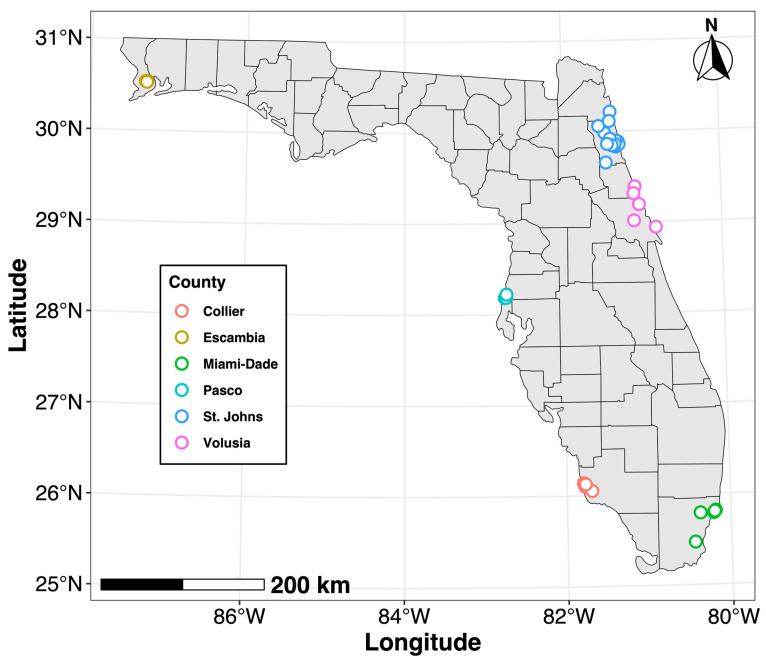 Figure 1
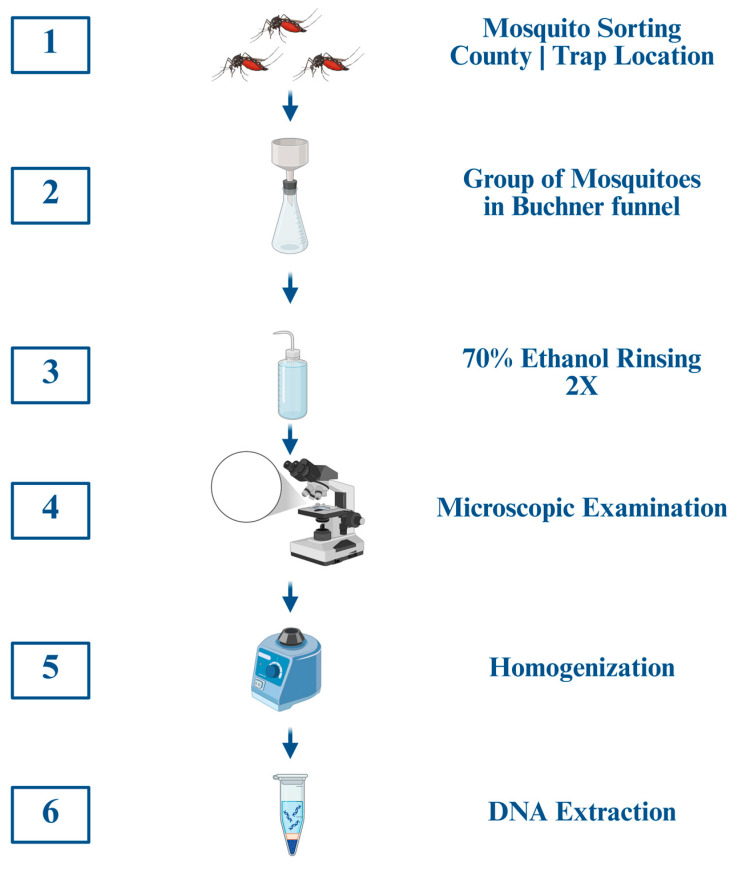 Figure 2
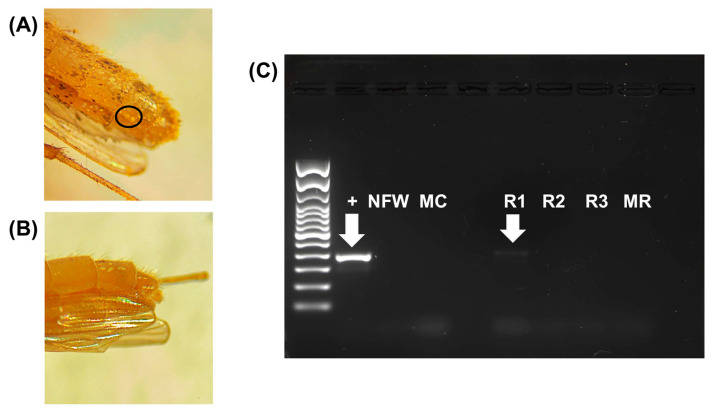 Figure 3
Peer Reviews
No public reviews on file for this paper yet. If you reviewed it on a platform where reviews are public (OpenReview, ICLR, NeurIPS, ICML), you can paste yours below so the community can read it here.
Videos
No videos yet. Explain this paper in a talk, walkthrough, or lecture? Add one.
Taxonomy
TopicsEnvironmental DNA in Biodiversity Studies · Insect symbiosis and bacterial influences · CRISPR and Genetic Engineering