Percutaneous Endoscopic Necrosectomy of Walled-Off Pancreatic and Peripancreatic Necrosis
Mateusz Jagielski, Agata Chwarścianek, Damian Dudek, Jacek Piątkowski, Marek Jackowski

TL;DR
A new minimally invasive technique called percutaneous endoscopic necrosectomy is shown to be effective in treating severe pancreatic and peripancreatic necrosis when traditional methods are insufficient.
Contribution
The study introduces and evaluates a novel percutaneous endoscopic necrosectomy technique as an adjunct to transmural drainage for treating extensive walled-off necrosis.
Findings
Percutaneous endoscopic necrosectomy was used in 9 out of 39 patients requiring additional drainage.
Clinical and long-term success was achieved in 88.89% of patients who underwent the procedure.
Treatment-related complications occurred in 22.22% of patients who received percutaneous endoscopic necrosectomy.
Abstract
Background: Minimally invasive approaches for managing complications of acute necrotizing pancreatitis have advanced significantly in recent decades. When extensive walled-off pancreatic or peripancreatic necrosis is present, a single transluminal access may be insufficient. This study aimed to prospectively evaluate the effectiveness and safety of a novel percutaneous endoscopic necrosectomy technique used as an adjunct to transmural drainage in patients with symptomatic walled-off necrosis. Methods: A total of 513 consecutive patients with symptomatic walled-off pancreatic or peripancreatic necrosis treated between 2018 and 2025 at a single tertiary center in Poland were included. All patients underwent minimally invasive endoscopic management. Among them, a subgroup required additional percutaneous drainage. The innovative technique involved creating retroperitoneal percutaneous…
Genes, proteins, chemicals, diseases, species, mutations and cell lines named across the full text — each resolved to its canonical identifier and authoritative record.
Click any figure to enlarge with its caption.
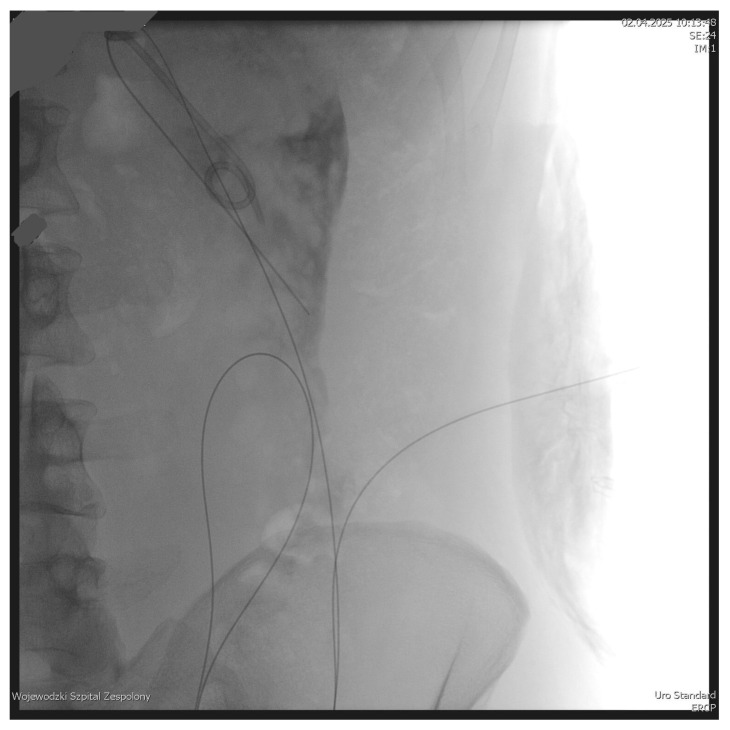 Figure 1
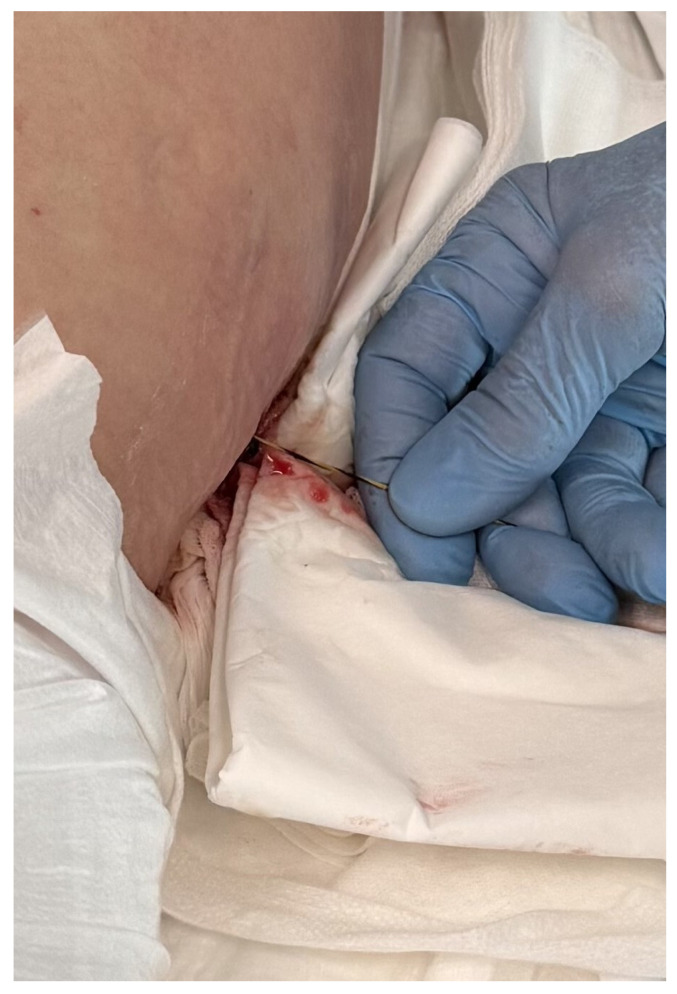 Figure 2
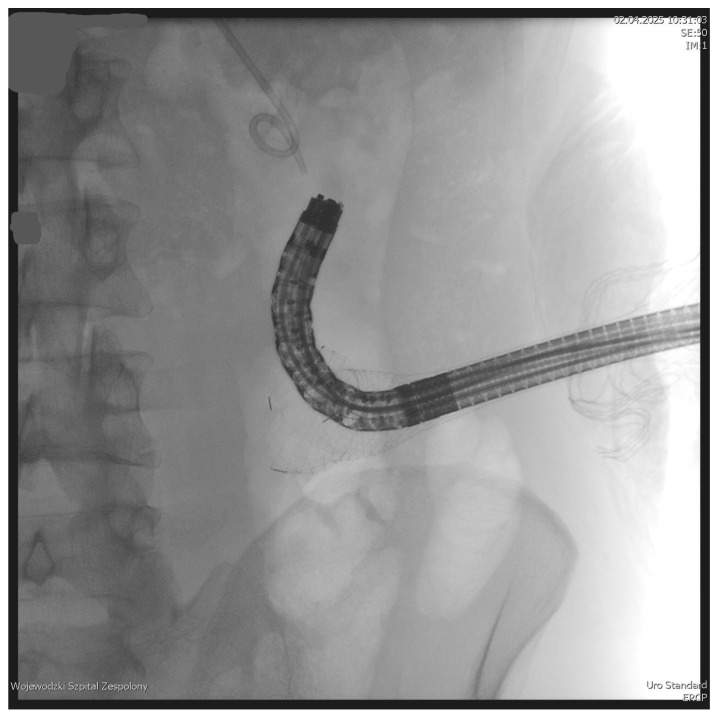 Figure 3
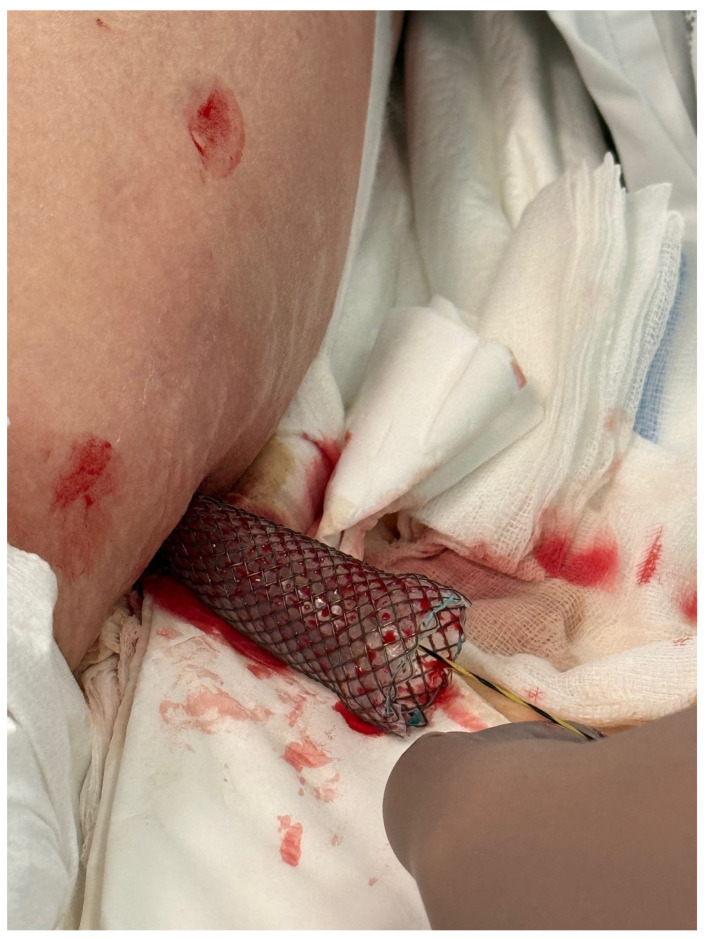 Figure 4
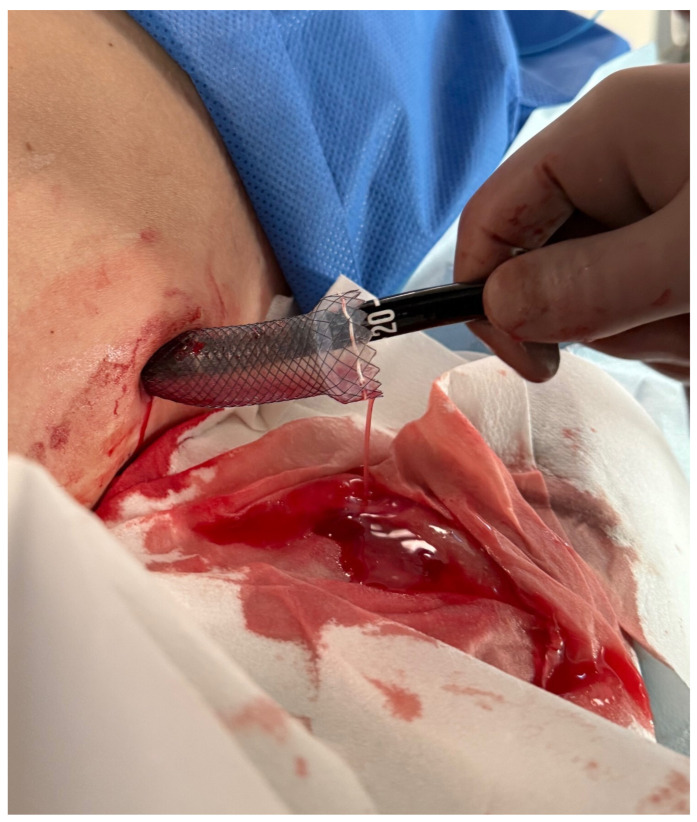 Figure 5
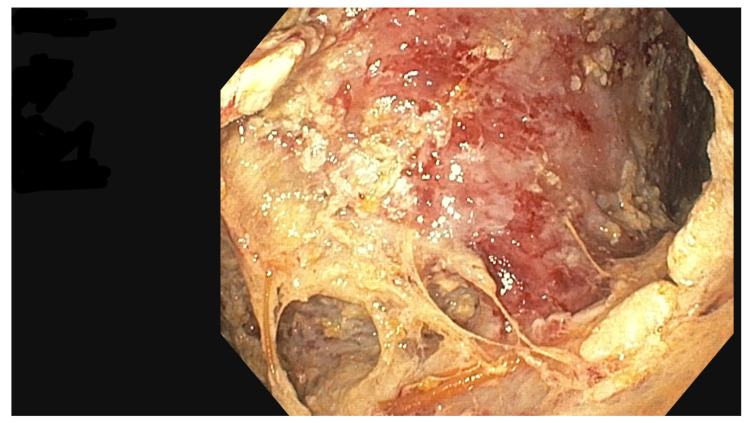 Figure 6
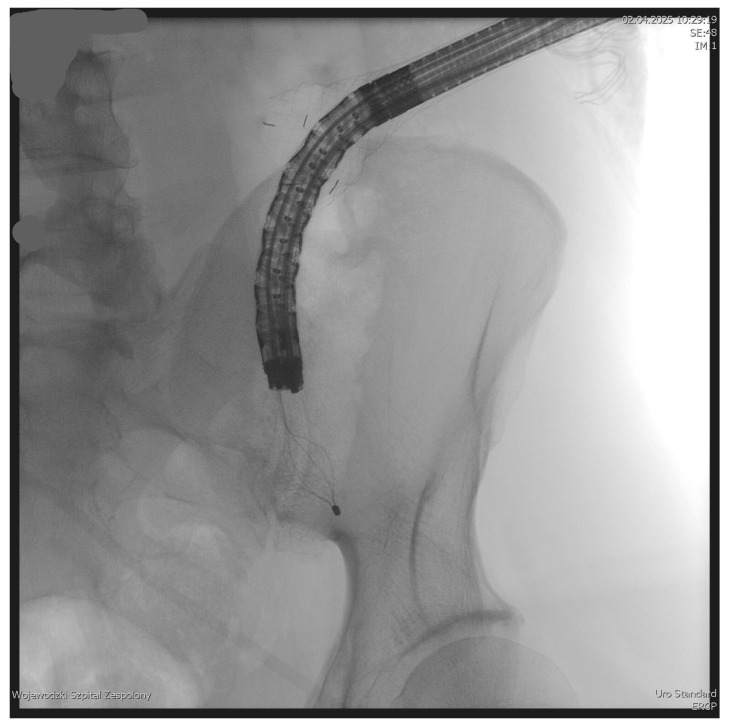 Figure 7
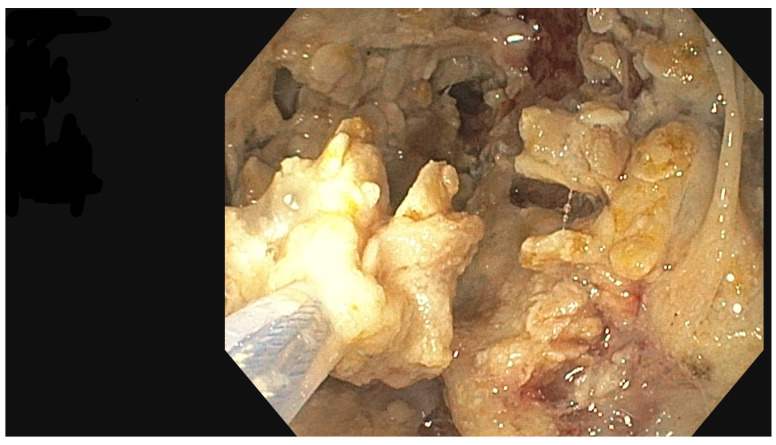 Figure 8
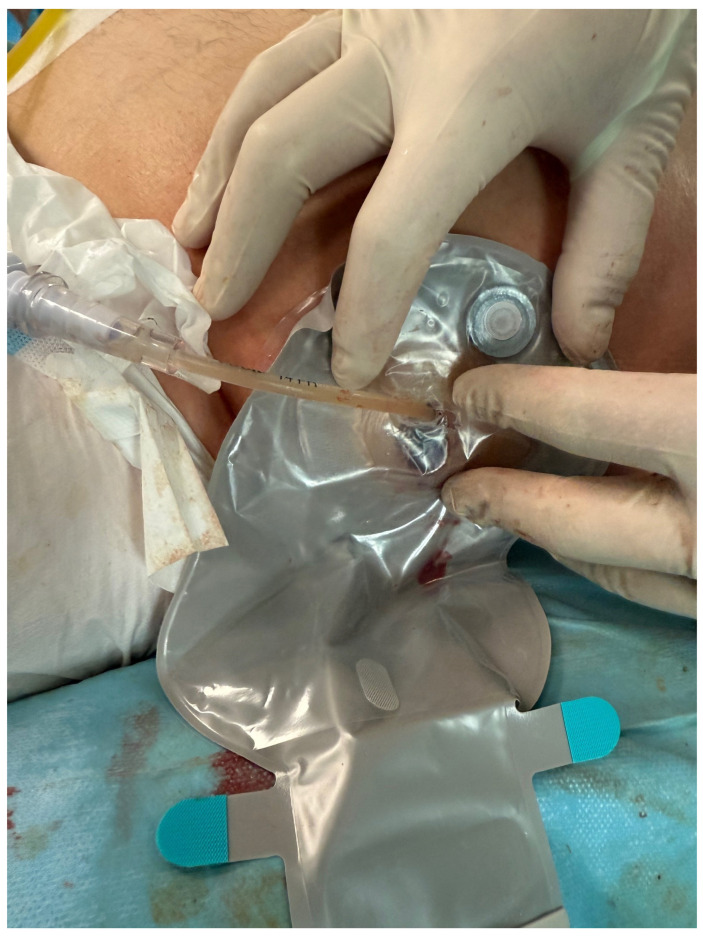 Figure 9
Peer Reviews
No public reviews on file for this paper yet. If you reviewed it on a platform where reviews are public (OpenReview, ICLR, NeurIPS, ICML), you can paste yours below so the community can read it here.
Videos
No videos yet. Explain this paper in a talk, walkthrough, or lecture? Add one.
Taxonomy
TopicsPancreatitis Pathology and Treatment · Gallbladder and Bile Duct Disorders · Pancreatic and Hepatic Oncology Research