A Possible Recently Identified Evolutionary Strategy Using Membrane-Bound Vesicle Transfer of Genetic Material to Induce Bacterial Resistance, Virulence and Pathogenicity in Klebsiella oxytoca
Yahaira de Jesús Tamayo-Ordóñez, Ninfa María Rosas-García, Juan Manuel Bello-López, María Concepción Tamayo-Ordóñez, Francisco Alberto Tamayo-Ordóñez, Claudia Camelia Calzada-Mendoza, Benjamín Abraham Ayil-Gutiérrez

TL;DR
This paper explores how Klebsiella oxytoca may use membrane-bound vesicles to spread resistance and virulence genes, offering a new evolutionary strategy inferred from genomic data.
Contribution
The study proposes a genomic framework suggesting OMVs as a complementary mechanism for horizontal gene transfer in Klebsiella.
Findings
Envelope-associated and stress-responsive genes are conserved in vesiculogenic pathways of Klebsiella oxytoca.
The genus Klebsiella exhibits an extensive mobilome and resistome.
Genomic features suggest OMVs may complement established gene transfer routes but lack direct functional evidence.
Abstract
Klebsiella oxytoca has emerged as an important opportunistic pathogen in nosocomial infections, particularly during the COVID-19 pandemic, due to its capacity to acquire and disseminate resistance and virulence genes through horizontal gene transfer (HGT). This study presents a genome-based comparative analysis of K. oxytoca within the genus Klebsiella, aimed at exploring the evolutionary plausibility of outer membrane vesicle (OMV) associated processes in bacterial adaptation. Using publicly available reference genomes, we analyzed pangenome structure, phylogenetic relationships, and the distribution of mobile genetic elements, resistance determinants, virulence factors, and genes related to OMV biogenesis. Our results reveal a conserved set of envelope associated and stress responsive genes involved in vesiculogenic pathways, together with an extensive mobilome and resistome…
Genes, proteins, chemicals, diseases, species, mutations and cell lines named across the full text — each resolved to its canonical identifier and authoritative record.
Click any figure to enlarge with its caption.
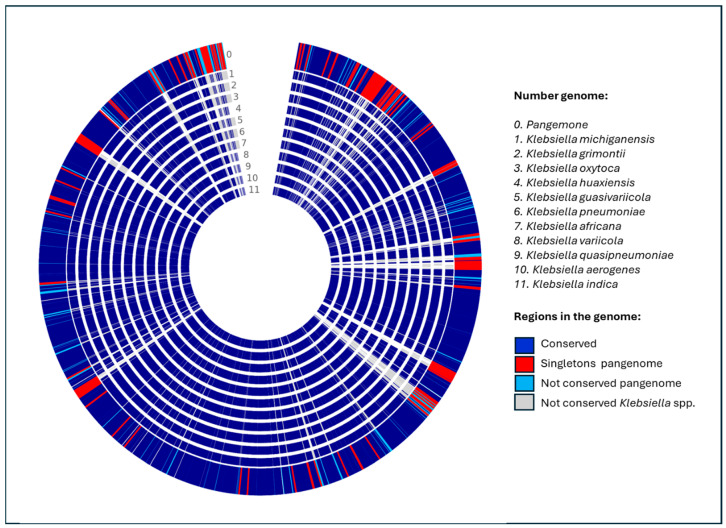 Figure 1
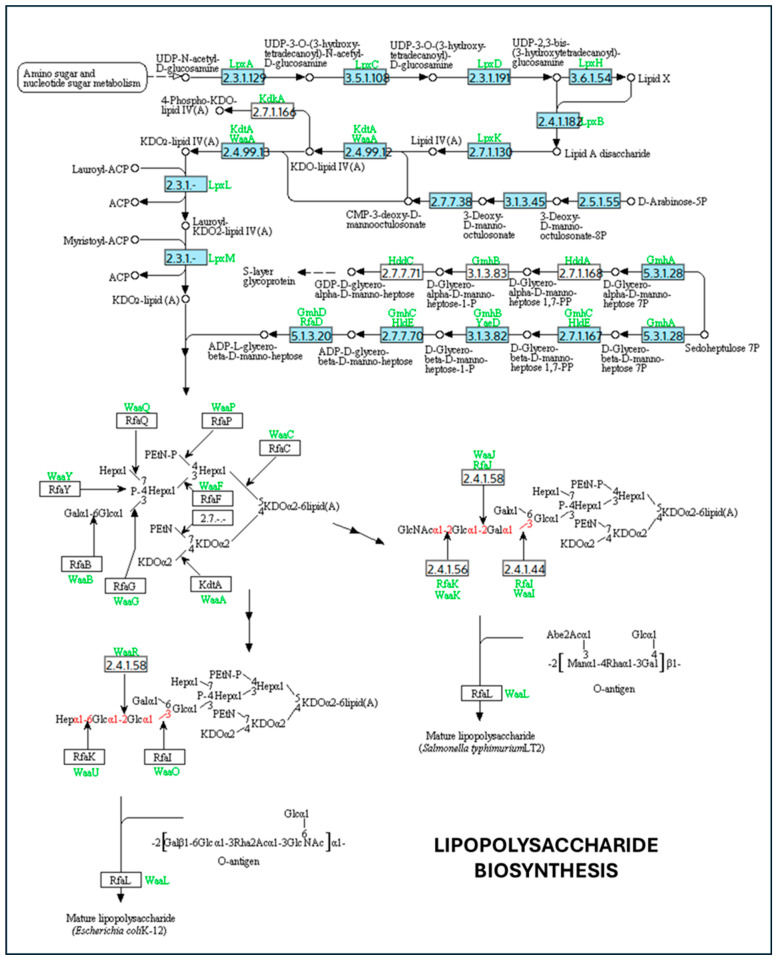 Figure 2
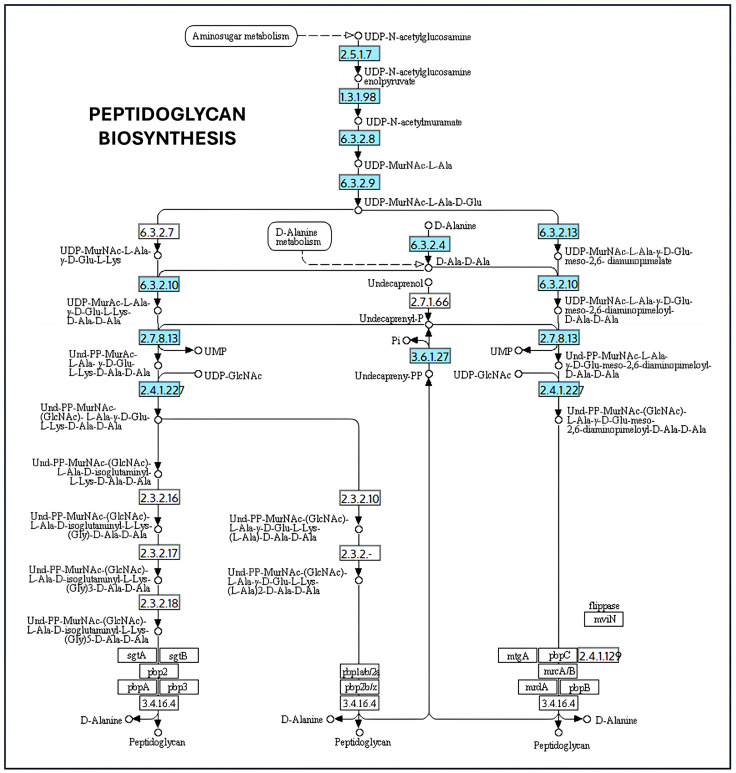 Figure 3
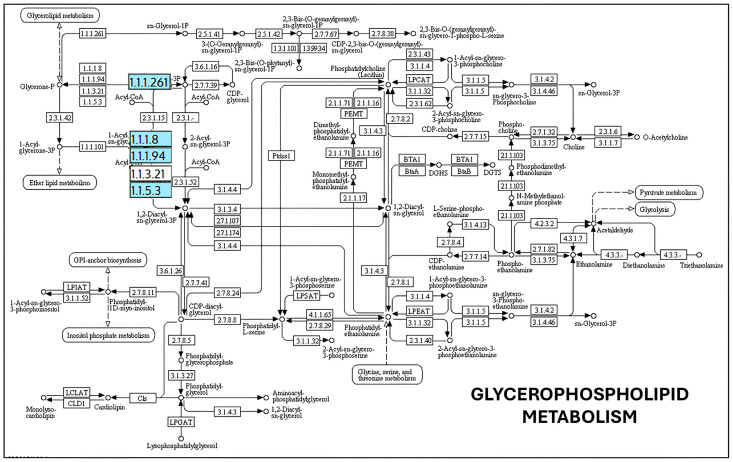 Figure 4
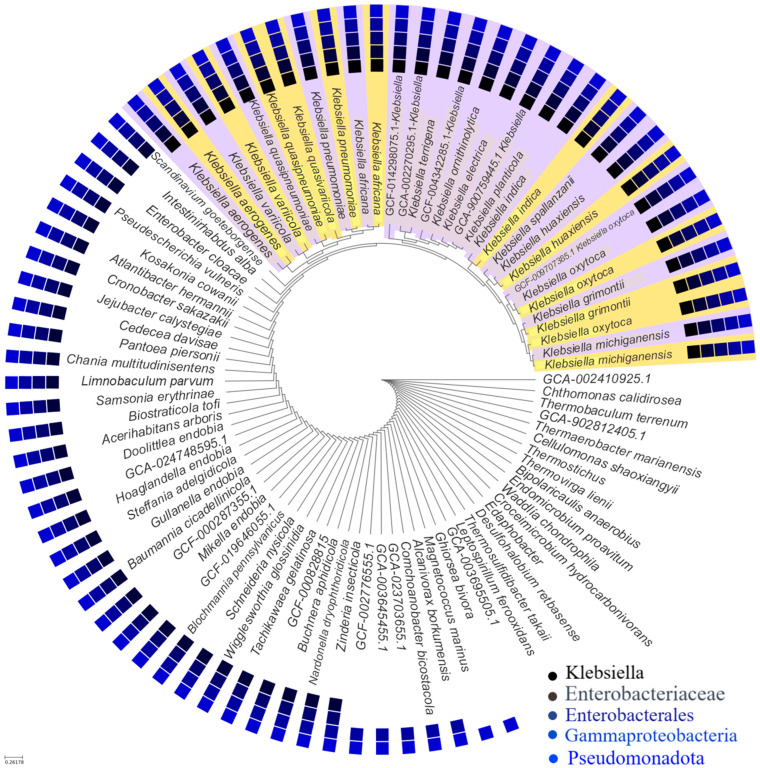 Figure 5
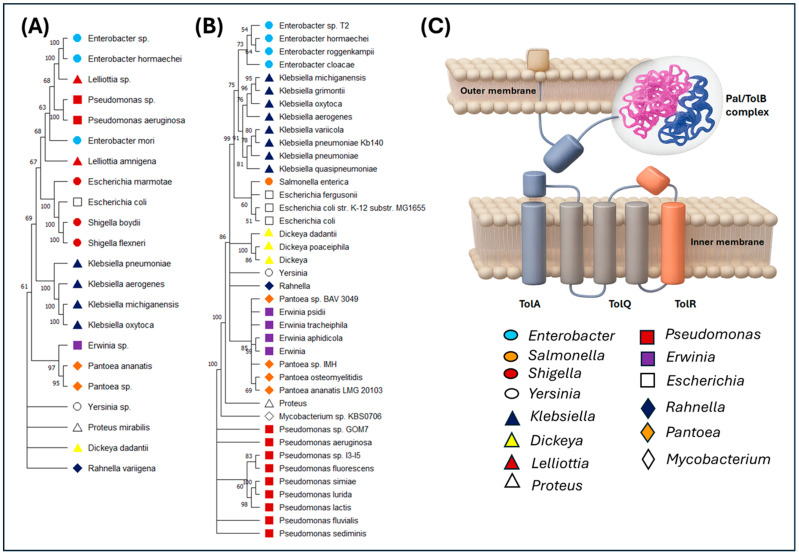 Figure 6
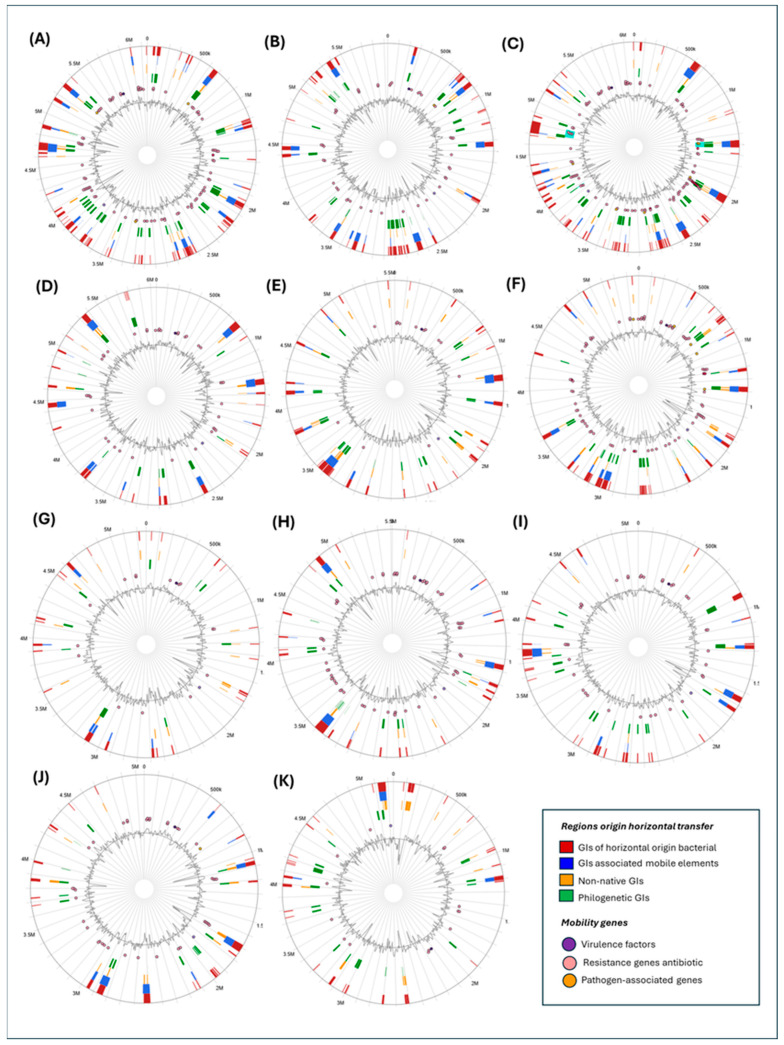 Figure 7
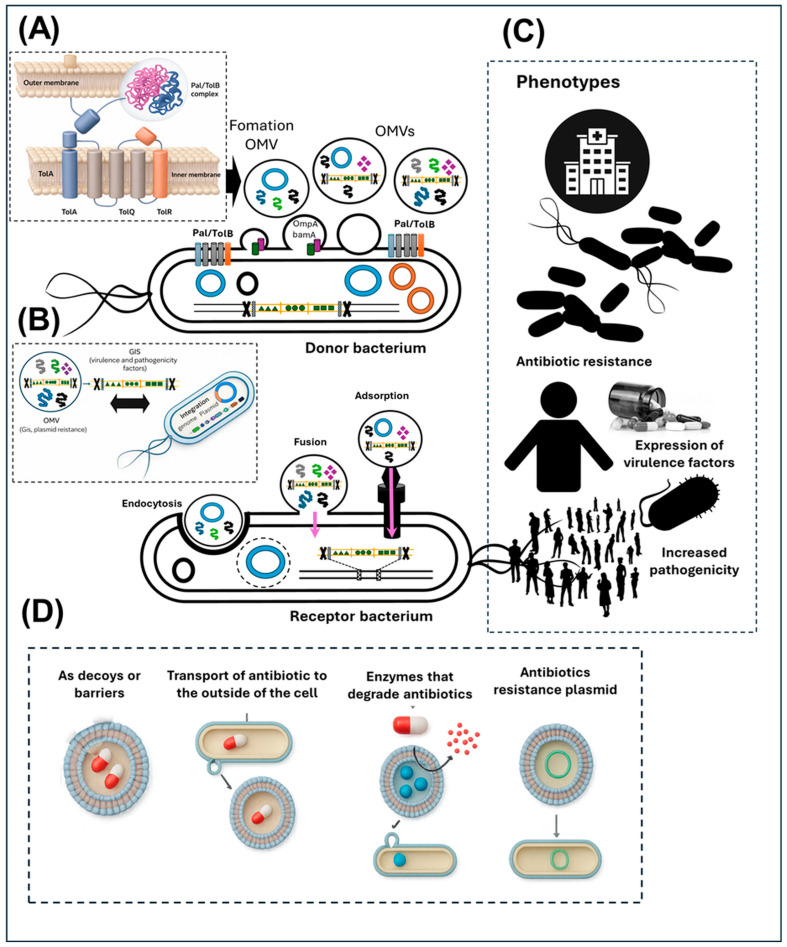 Figure 8
Peer Reviews
No public reviews on file for this paper yet. If you reviewed it on a platform where reviews are public (OpenReview, ICLR, NeurIPS, ICML), you can paste yours below so the community can read it here.
Videos
No videos yet. Explain this paper in a talk, walkthrough, or lecture? Add one.
Taxonomy
TopicsBacterial Infections and Vaccines · Yersinia bacterium, plague, ectoparasites research · Bacterial Genetics and Biotechnology