N, N-Dimethyl-4-Aminopyridine- and Aluminum Isopropoxide-Catalysed Ring-Opening Polymerizations of β-Butyrolactone for the Antimicrobial Oligohydroxybutyrate
Qi Bao, Pui-Kin So, Siu Lun Leung, Polly Hang-Mei Leung, Xiaoming Tao

TL;DR
This study shows that PHB oligomers made from β-butyrolactone can quickly and effectively kill bacteria and viruses, making them promising for use in disinfectants and antiseptics.
Contribution
The paper introduces a novel catalytic method for producing PHB oligomers with strong antimicrobial and antiviral properties.
Findings
PHB oligomers showed >95% inhibition against influenza and SARS-CoV-2 within 20 minutes.
They exhibited broad-spectrum antibacterial activity against E. coli and S. aureus.
Structural analysis confirmed terminal hydroxyl group loss during polymerization.
Abstract
Infectious pathogens pose serious threats to public health, necessitating the development of more antimicrobials. In this study, oligohydroxybutyrates were obtained through the catalyzed polymerization of β-butyrolactone using N, N-dimethyl-4-aminopyridine (DMAP) and aluminum isopropoxide [Al(OiPr)3] and applied as sustainable antimicrobial agents. The poly3-hydroxybutyrate (PHB) oligomers exhibited broad-spectrum antibacterial activities against both Gram-negative (E. coli) and Gram-positive (S. aureus) model bacteria. Additionally, PHB oligomers displayed robust (inhibiting rate: >95%) and rapid (action time: <20 min) antiviral activity against three notorious single-stranded RNA viruses, that is, influenza A virus (H1N1 and H3N2) and coronavirus (SARS-CoV-2). In particular, a comprehensive set of advanced experimental characterizations, including FT-IR, 1H- and 13C-NMR, and…
Genes, proteins, chemicals, diseases, species, mutations and cell lines named across the full text — each resolved to its canonical identifier and authoritative record.
Click any figure to enlarge with its caption.
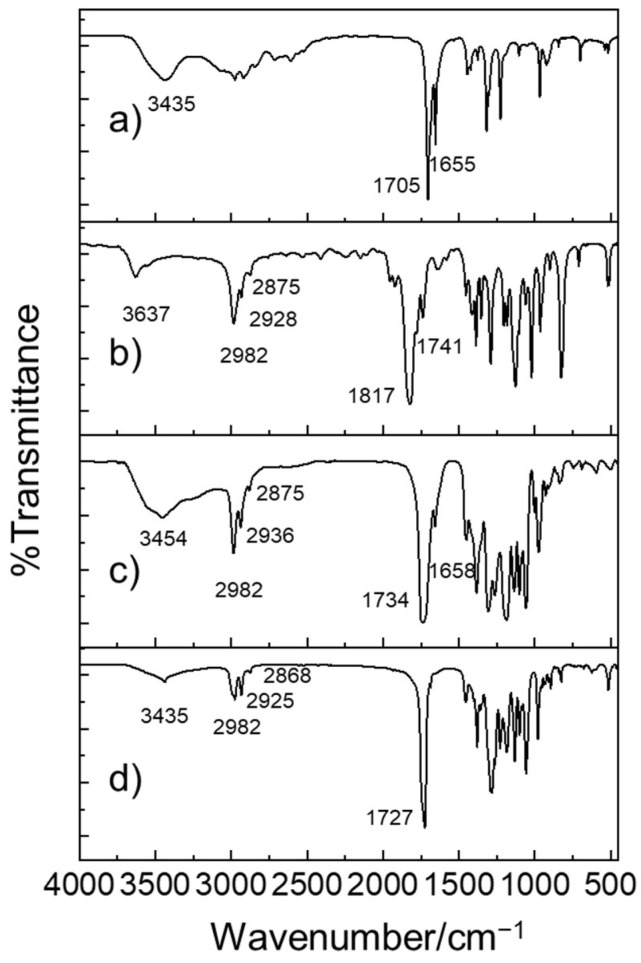 Figure 1
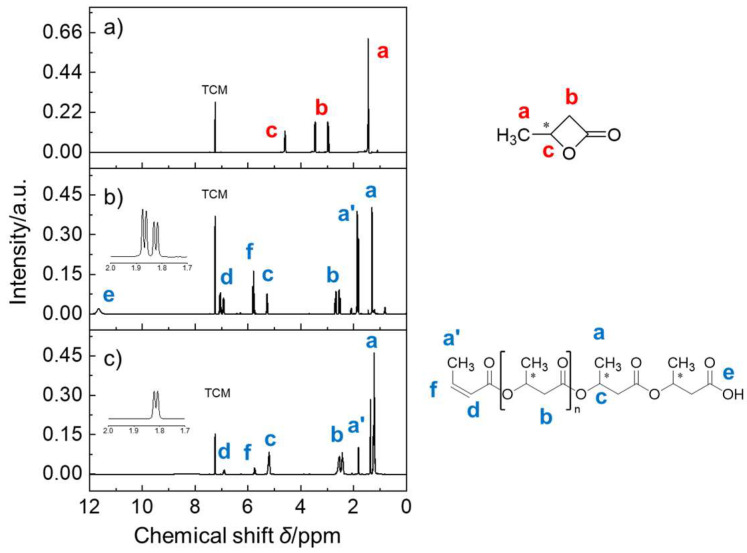 Figure 2
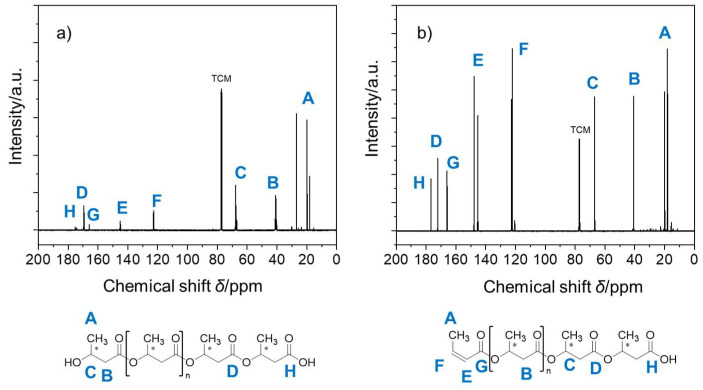 Figure 3
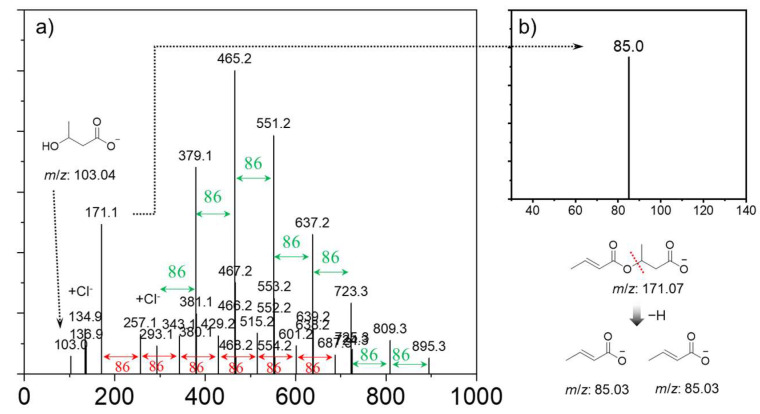 Figure 4
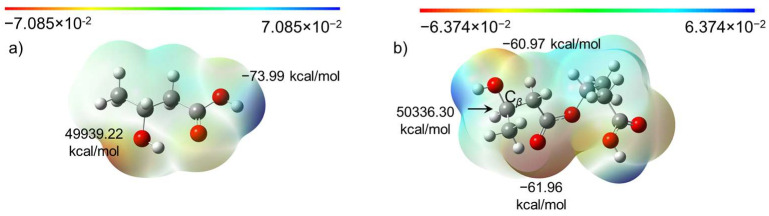 Figure 5
 Figure 6
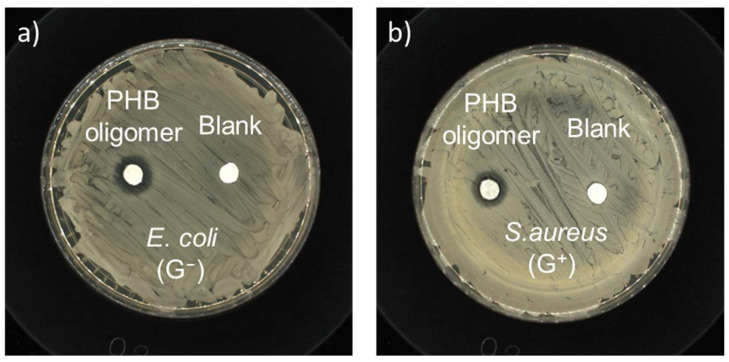 Figure 7
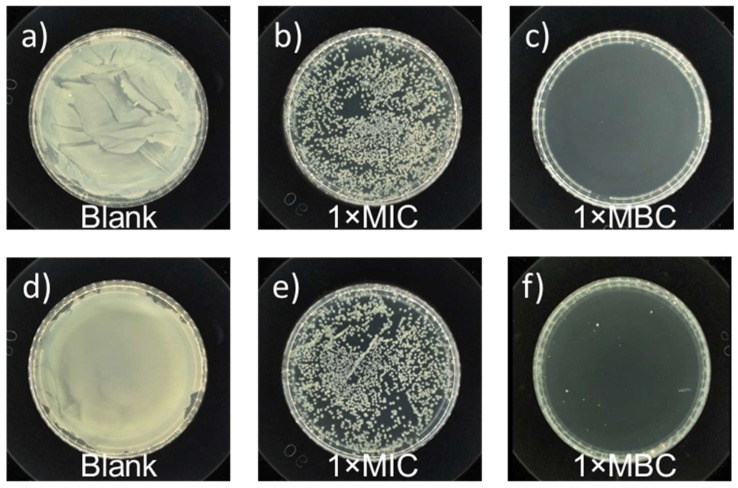 Figure 8
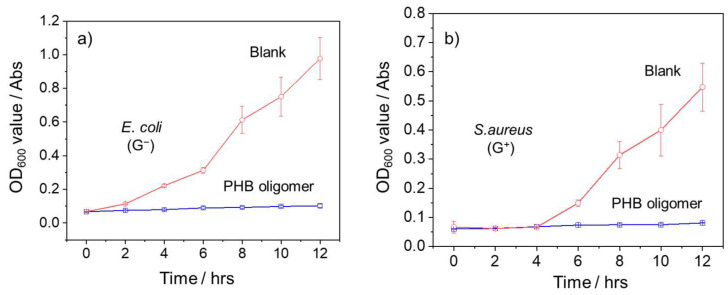 Figure 9
Peer Reviews
No public reviews on file for this paper yet. If you reviewed it on a platform where reviews are public (OpenReview, ICLR, NeurIPS, ICML), you can paste yours below so the community can read it here.
Videos
No videos yet. Explain this paper in a talk, walkthrough, or lecture? Add one.
Taxonomy
Topicsbiodegradable polymer synthesis and properties · Polymer crystallization and properties · Antimicrobial agents and applications