Learning Curve of Cardiac Surgery Residents in Transit-Time Flow Measurement and High-Resolution Epicardial Ultrasonography During Coronary Surgery
Federico Cammertoni, Gabriele Di Giammarco, Nicola Testa, Natalia Pavone, Alberta Marcolini, Serena D’Avino, Piergiorgio Bruno, Maria Grandinetti, Francesco Bianchini, Antonio E. Trapani, Massimo Massetti

TL;DR
This study shows that cardiac surgery residents can quickly learn to use transit-time flow measurement and high-resolution epicardial ultrasonography during coronary surgery.
Contribution
The study quantifies a short and attainable learning curve for residents acquiring TTFM and HRUS skills during CABG procedures.
Findings
Residents achieved the primary endpoint after a median of 3 cases and 7 anastomoses.
A shorter interval between attempts was associated with faster skill acquisition.
TTFM acquisition time was 25 seconds with low inter-observer variability.
Abstract
Objectives: This study aimed to define the learning curve required for cardiac surgery residents to acquire basic technical and interpretive skills in transit-time flow measurement (TTFM) and high-resolution epicardial ultrasonography (HRUS) during coronary artery bypass grafting (CABG). Methods: Prospective, observational, single-center study evaluating performance using a novel scoring system combining functional (TTFM) and anatomical (HRUS) assessment criteria. This study was registered on ClinicalTrials.gov (Identifier: NCT06589323). Nine cardiac surgery residents without prior hands-on experience in TTFM or HRUS were enrolled. Twenty-seven elective CABG patients (67 grafts) were analyzed. Each measurement was compared with those obtained by an expert benchmark surgeon (N.T.) under standardized hemodynamic conditions. Results: Residents achieved the predefined primary endpoint…
Genes, proteins, chemicals, diseases, species, mutations and cell lines named across the full text — each resolved to its canonical identifier and authoritative record.
Click any figure to enlarge with its caption.
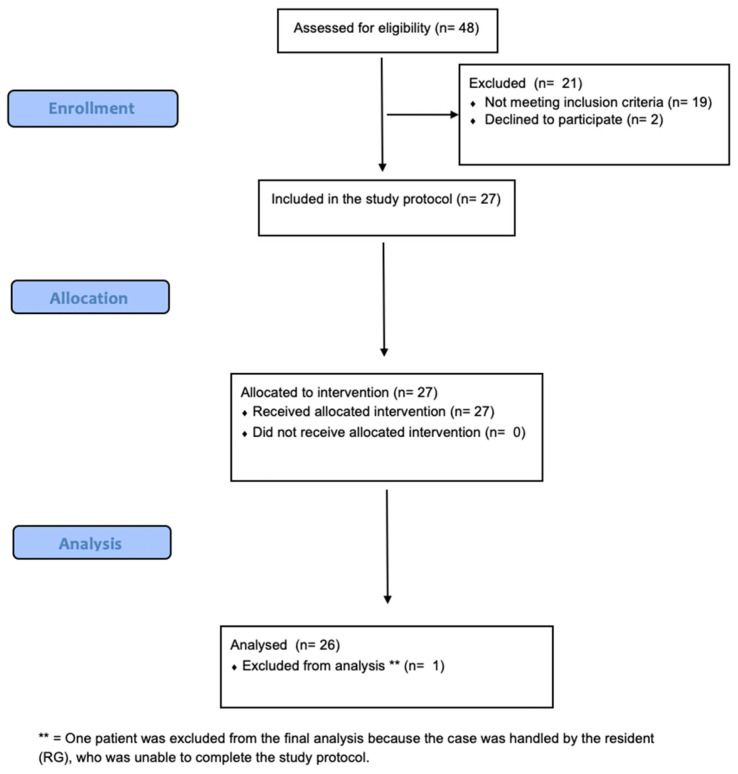 Figure 1
 Figure 2
 Figure 3
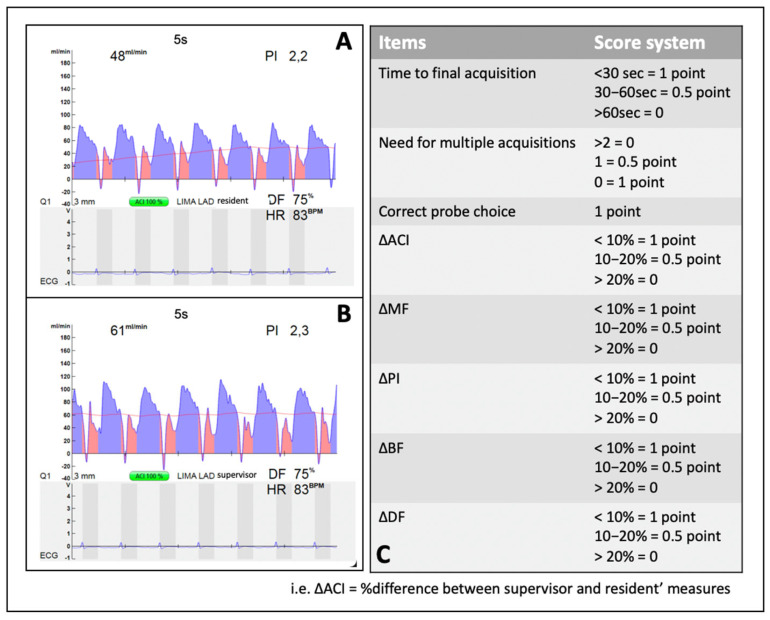 Figure 4
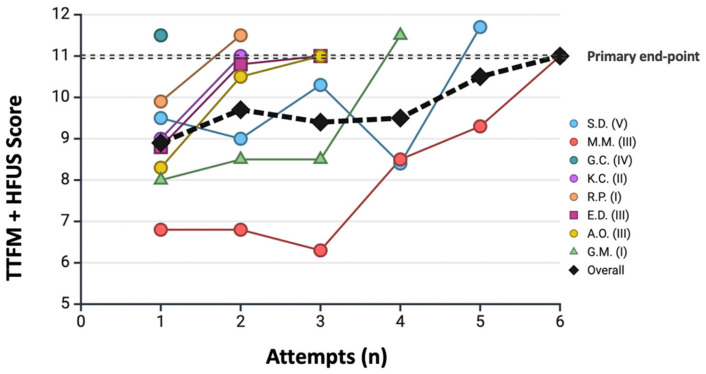 Figure 5
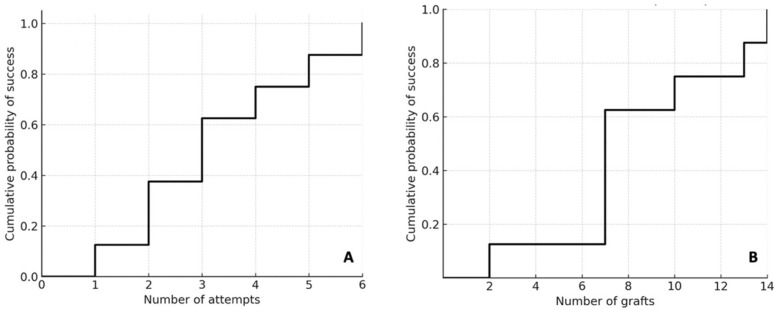 Figure 6
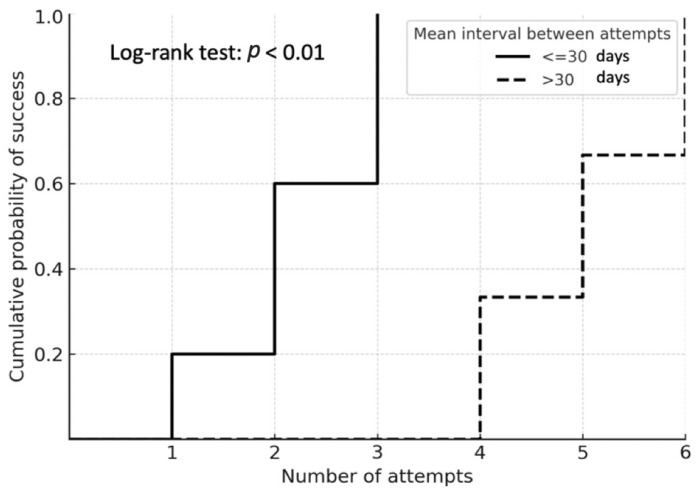 Figure 7
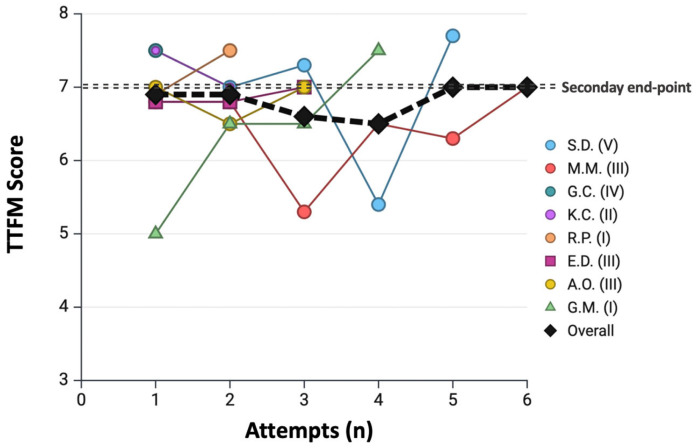 Figure 8
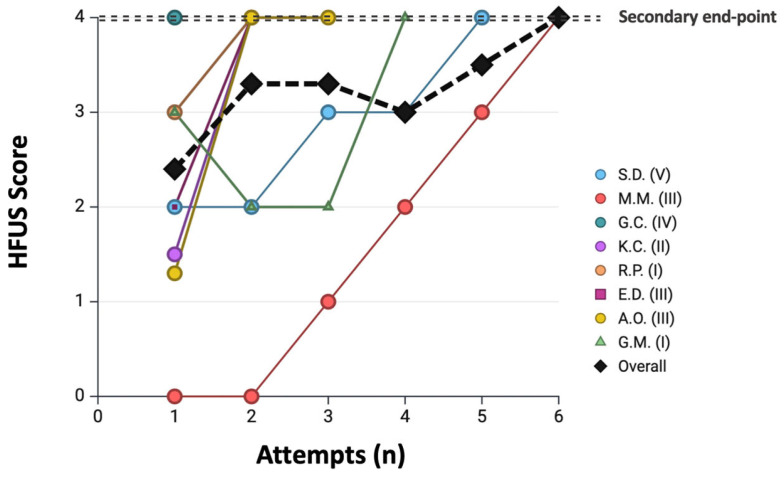 Figure 9
Peer Reviews
No public reviews on file for this paper yet. If you reviewed it on a platform where reviews are public (OpenReview, ICLR, NeurIPS, ICML), you can paste yours below so the community can read it here.
Videos
No videos yet. Explain this paper in a talk, walkthrough, or lecture? Add one.
Taxonomy
TopicsHemodynamic Monitoring and Therapy · Cardiac and Coronary Surgery Techniques · Ultrasound in Clinical Applications