Validamycin Inhibits the Reproductive Capacity of Spodoptera frugiperda (Lepidoptera: Noctuidae) by Suppressing the Activity of Trehalase
Fan Zhong, Sijing Wan, Shangrong Hu, Yuxin Ge, Ye Han, Xinyu Zhang, Min Zhou, Yan Li, Bin Tang

TL;DR
Validamycin, a natural compound, disrupts the reproduction of fall armyworm by inhibiting a key sugar-processing enzyme, offering a safe and eco-friendly pest control option.
Contribution
Validamycin is shown to inhibit trehalase activity and reduce reproductive capacity in Spodoptera frugiperda, offering a novel bioinsecticidal strategy.
Findings
Validamycin injection reduced egg production, caused ovarian atrophy, and shortened the lifespan of female moths.
Validamycin inhibited trehalase activity, leading to reduced glycogen levels and disrupted eclosion in S. frugiperda.
Egg blackening and clumping in the oviduct were observed at low validamycin doses, impairing reproduction.
Abstract
The fall armyworm is a highly destructive crop pest that now threatens global food security. Current control relies on chemical sprays and genetically modified crops, but the worm has become resistant to both, so safe, green alternatives are urgently needed. We tested a natural compound called validamycin that blocks the insect’s main energy sugar and upsets its reproduction. Tiny doses injected into pupae greatly reduced the number of eggs laid by female moths, shortened their lives, and caused many eggs to fail to hatch, leading to smaller future populations. Because validamycin comes from a soil microbe and is harmless to humans and wildlife, it could form the basis of a new generation of eco-friendly pesticides that help farmers use fewer chemicals while still protecting harvests and the environment. Spodoptera frugiperda (J. E. Smith, 1797), an omnivorous crop pest worldwide,…
Genes, proteins, chemicals, diseases, species, mutations and cell lines named across the full text — each resolved to its canonical identifier and authoritative record.
Click any figure to enlarge with its caption.
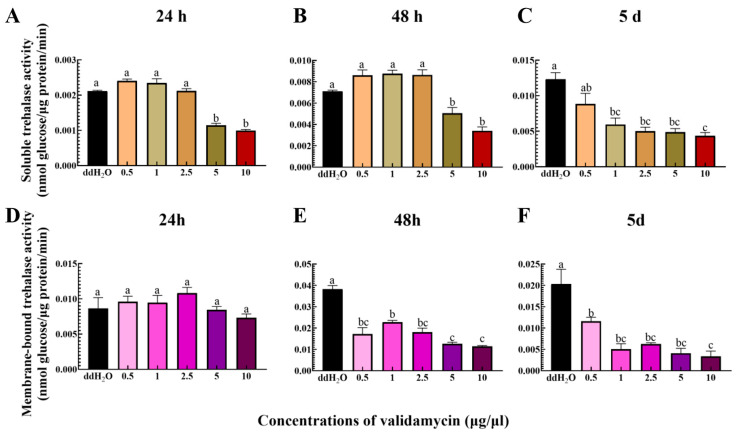 Figure 1
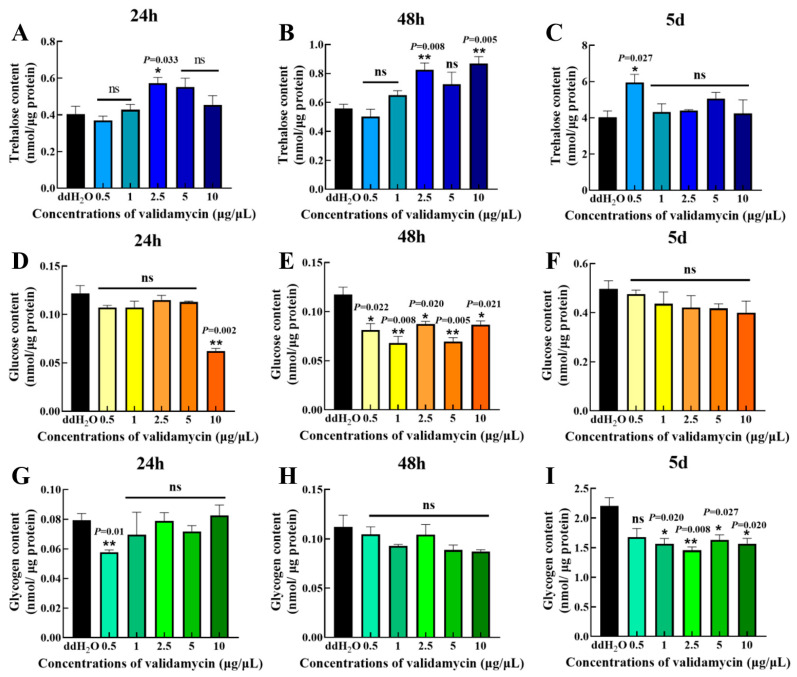 Figure 2
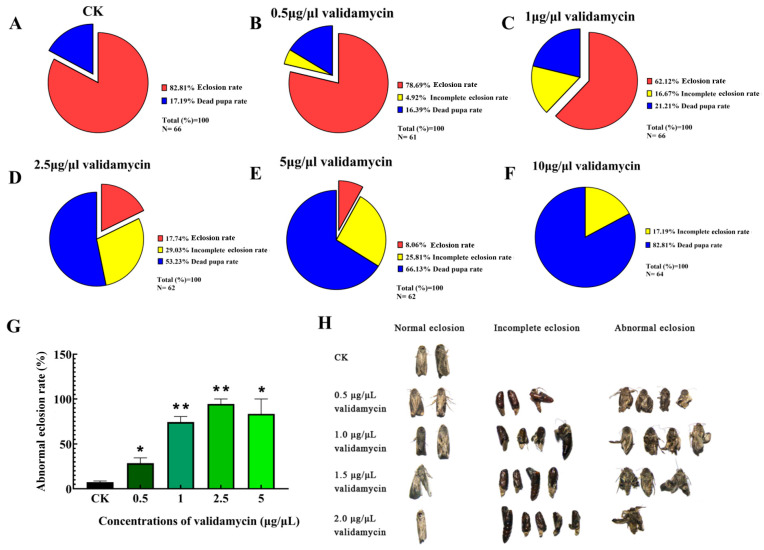 Figure 3
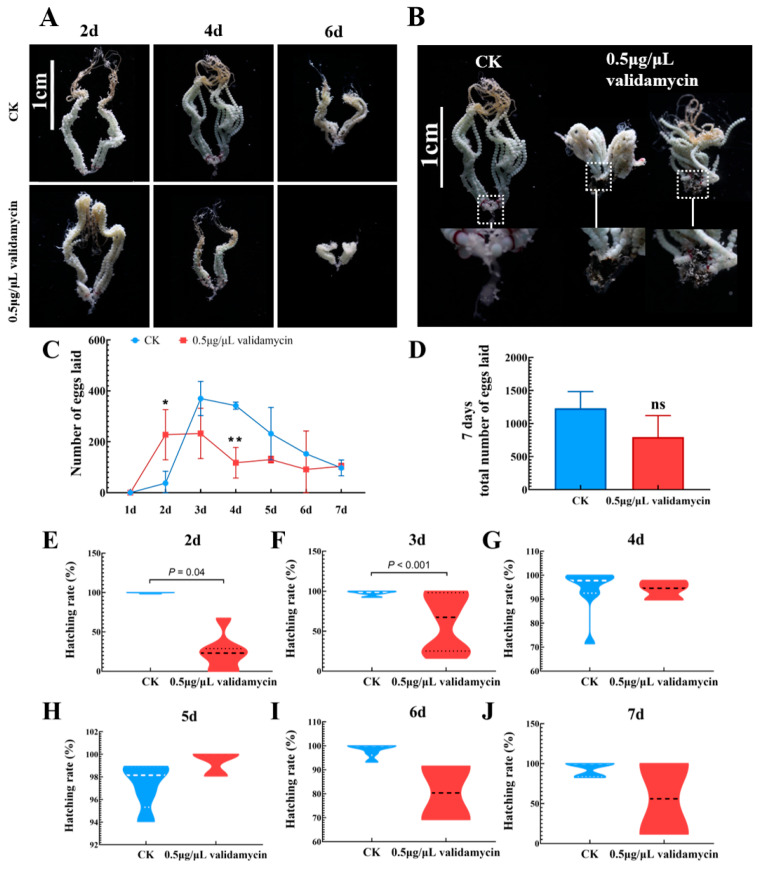 Figure 4
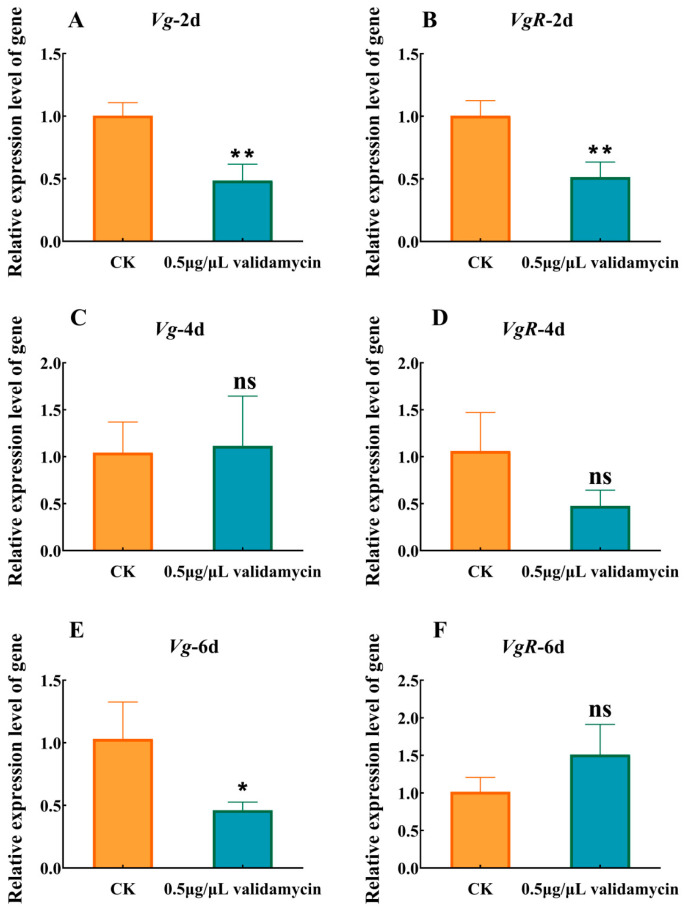 Figure 5
Peer Reviews
No public reviews on file for this paper yet. If you reviewed it on a platform where reviews are public (OpenReview, ICLR, NeurIPS, ICML), you can paste yours below so the community can read it here.
Videos
No videos yet. Explain this paper in a talk, walkthrough, or lecture? Add one.
Taxonomy
TopicsNeurobiology and Insect Physiology Research · Insect Resistance and Genetics · Insect-Plant Interactions and Control