Population Admixture and APOB Variant Landscape in Ecuadorian Mestizo Patients with Cardiac Diseases: Potential Implications for Familial Hypercholesterolemia Genetics
Santiago Cadena-Ullauri, Patricia Guevara-Ramírez, Viviana A. Ruiz-Pozo, Rafael Tamayo-Trujillo, Elius Paz-Cruz, Manuel Becerra-Fernández, Nieves Doménech, José Luis Laso-Bayas, Rita Ibarra-Castillo, Alejandro Cabrera-Andrade, Ana Karina Zambrano

TL;DR
This study explores APOB gene variants in Ecuadorian mestizo patients with heart conditions, highlighting genetic diversity and the need for regional data in admixed populations.
Contribution
The study provides the first comprehensive analysis of APOB variants in Ecuadorian mestizos, emphasizing the importance of regional genomic data for admixed populations.
Findings
227 APOB variants were identified, mostly benign or likely benign.
APOB variant frequencies in Ecuadorian mestizos align with other Latin American populations.
No pathogenic APOB variants were detected in the cohort.
Abstract
Apolipoprotein B (APOB) is a key structural component of atherogenic lipoproteins and one of the principal genes implicated in familial hypercholesterolemia (FH). However, APOB genetic variation remains poorly characterized in Latin American and admixed populations. In this study, we performed a descriptive analysis of APOB variants in 60 Ecuadorian mestizo patients with inherited cardiac conditions using next-generation sequencing (NGS) and genetic ancestry inference. A total of 227 APOB variants were identified, the majority of which were classified as benign (n = 220) or likely benign (n = 3) according to ACMG criteria, while three variants were classified as variants of uncertain significance (VUS). The most frequently observed variants included rs1042034, rs679899, rs676210, and rs1367117. Comparative allele-frequency analyses using ALFA and PAGE Latin American reference datasets…
Genes, proteins, chemicals, diseases, species, mutations and cell lines named across the full text — each resolved to its canonical identifier and authoritative record.
Click any figure to enlarge with its caption.
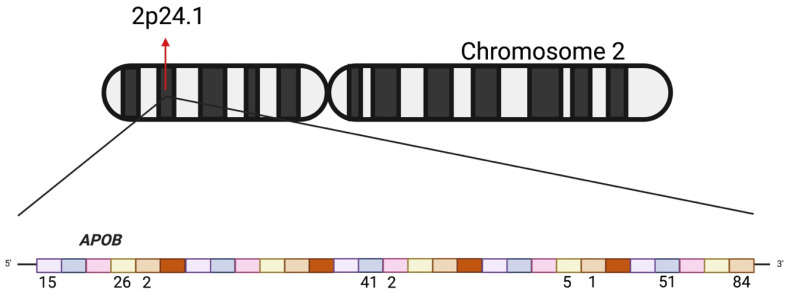 Figure 1
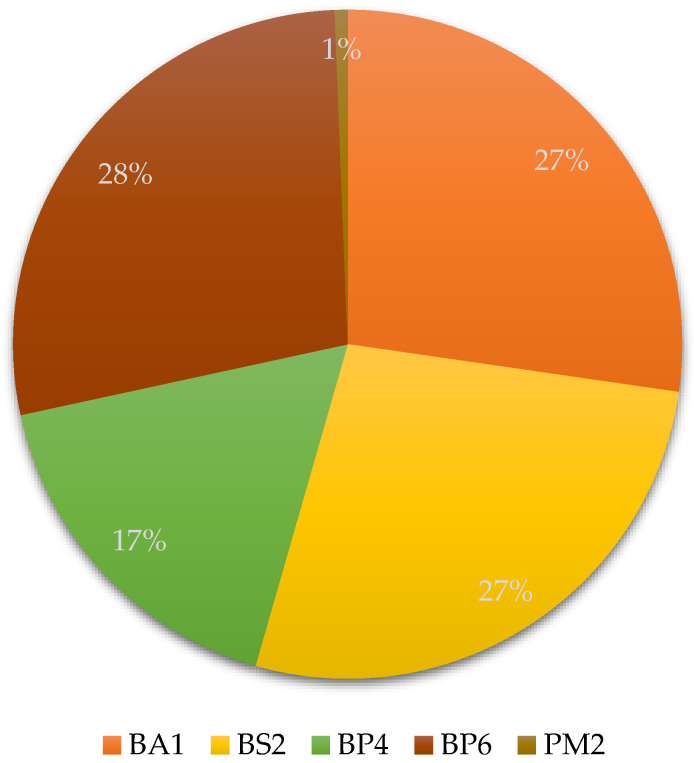 Figure 2
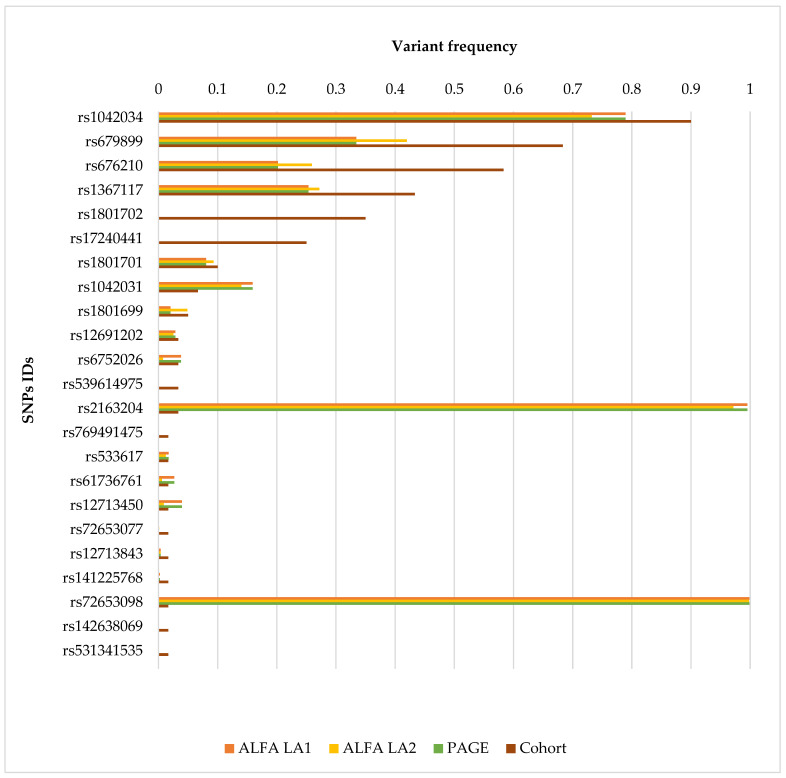 Figure 3
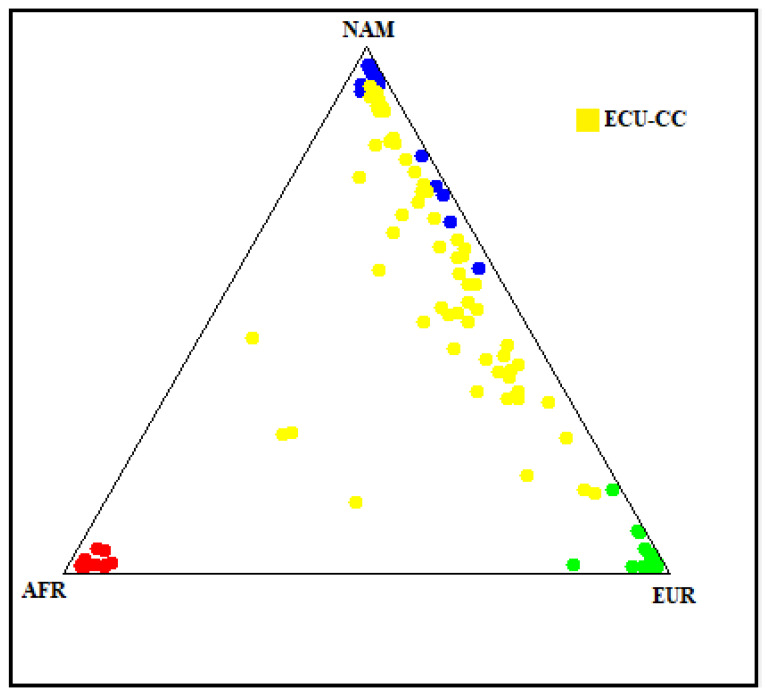 Figure 4
Peer Reviews
No public reviews on file for this paper yet. If you reviewed it on a platform where reviews are public (OpenReview, ICLR, NeurIPS, ICML), you can paste yours below so the community can read it here.
Videos
No videos yet. Explain this paper in a talk, walkthrough, or lecture? Add one.
Taxonomy
TopicsLipoproteins and Cardiovascular Health · Diabetes, Cardiovascular Risks, and Lipoproteins · Genetic Associations and Epidemiology