Characterization of the Bacteriome of Culicoides reevesi from Chihuahua, Northern Mexico: Symbiotic and Pathogenic Associations
Rodolfo González-Peña, David Orlando Hidalgo-Martínez, Stephanie V. Laredo-Tiscareño, Herón Huerta, Erick de Jesús de Luna-Santillana, Jaime R. Adame-Gallegos, Carlos A. Rodríguez-Alarcón, Ezequiel Rubio-Tabares, Julián E. García-Rejón, Zilia Y. Muñoz-Ramírez, Chandra Tangudu

TL;DR
This study explores the bacteria living inside Culicoides reevesi midges from northern Mexico, revealing both helpful and harmful microbes that could impact disease transmission.
Contribution
This is the first characterization of the bacteriome of Culicoides reevesi, revealing symbiotic and pathogenic associations.
Findings
The bacteriome is dominated by Pseudomonadota, with symbiotic taxa like Asaia and Cardinium and pathogenic bacteria such as Escherichia coli.
Functional analysis shows pathways related to energy use, amino acid biosynthesis, and microbial communication.
Bacterial composition varied between midge groups, suggesting host or environmental variability.
Abstract
Biting midges are very small insects that can transmit diseases to animals and humans, yet we know little about the bacteria that live inside them. In this study, we examined the bacteria associated with Culicoides reevesi, a species found in northern Mexico that has not been well studied. We collected groups of adult midges and analyzed their bacteria using genomic and bioinformatic methods. We found that some of the bacteria may help in the metabolic process of insects, while others are known to cause disease in animals or humans. The bacteria also showed signs of being involved in important processes such as energy use, production of essential nutrients, and communication between microbes. Interestingly, even though all insects were collected from the same place and time, the types of bacteria varied between groups, suggesting that local conditions or differences among the insects…
Genes, proteins, chemicals, diseases, species, mutations and cell lines named across the full text — each resolved to its canonical identifier and authoritative record.
Click any figure to enlarge with its caption.
 Figure 1
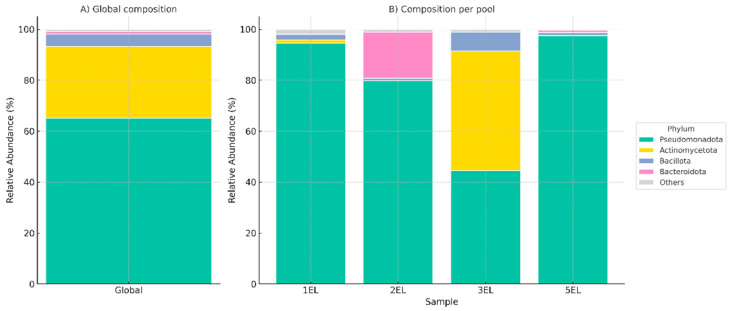 Figure 2
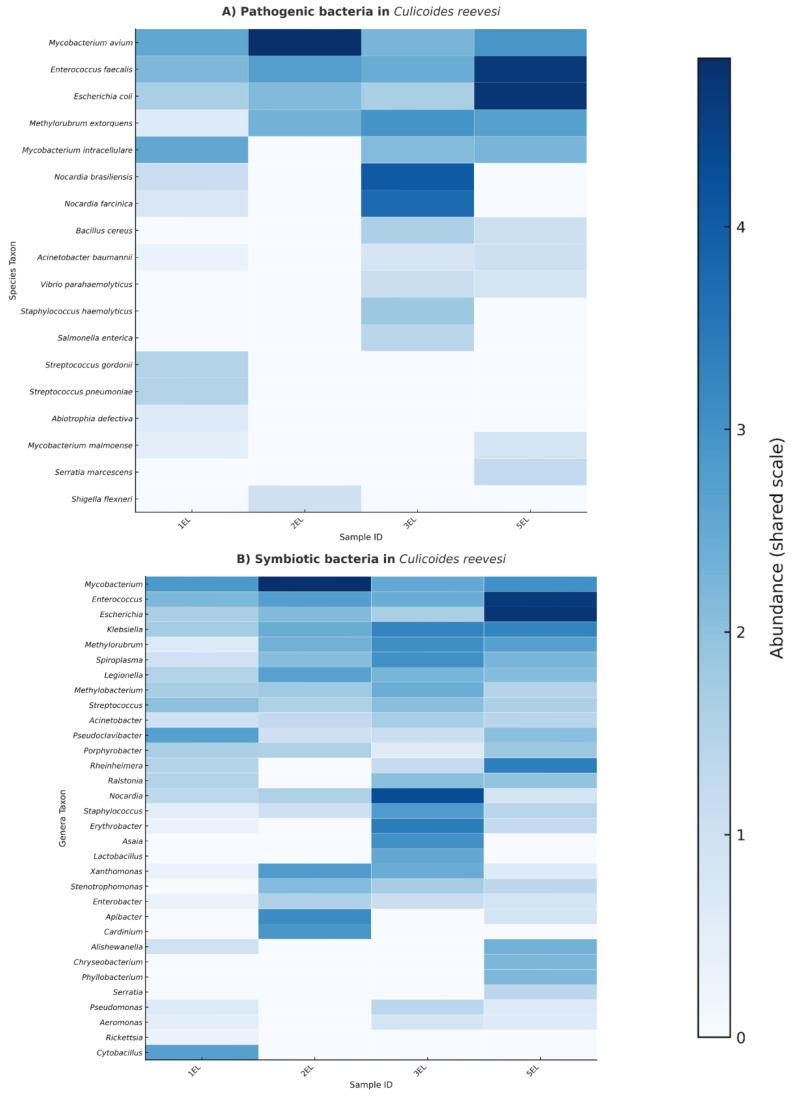 Figure 3
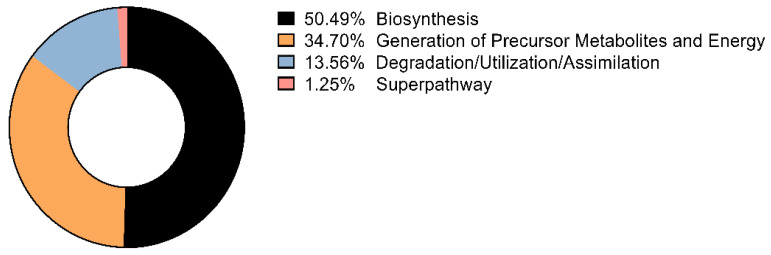 Figure 4
Peer Reviews
No public reviews on file for this paper yet. If you reviewed it on a platform where reviews are public (OpenReview, ICLR, NeurIPS, ICML), you can paste yours below so the community can read it here.
Videos
No videos yet. Explain this paper in a talk, walkthrough, or lecture? Add one.
Taxonomy
TopicsVector-Borne Animal Diseases · Insect symbiosis and bacterial influences · Bird parasitology and diseases