Pupillary Pain Index-Guided Postoperative Pain Therapy in ENT Surgery: A Randomized Trial
Marita Windpassinger, Michal Prusak, Lusine Yeghiazaryan, Robin Ristl, Sascha Ott, Lukas M. Müller-Wirtz, Kurt Ruetzler

TL;DR
This study tested using a pupillary pain index to guide opioid use after ENT surgery, finding a trend toward lower pain and opioid use, though not statistically significant.
Contribution
The study introduces a novel approach to postoperative pain management using real-time pupillary measurements to guide opioid administration.
Findings
Pupillary pain index-guided analgesia showed a 25% reduction in opioid consumption compared to standard care.
Pain scores were lower in the pupillary pain index group, though differences were not statistically significant.
The results suggest PPI-guided analgesia is not inferior to standard care for postoperative pain management.
Abstract
Background: Postoperative pain levels and opioid requirements vary considerably, even among patients undergoing similar surgical interventions. The pupillary pain index—a pupillometry-derived measure of nociception-antinociception balance—may help individualize postoperative analgesia. We therefore tested the hypothesis that a pupillary pain index-guided opioid titration at the end of surgery reduces postoperative pain and opioid consumption compared with standard care. Methods: At the end of surgery, a portable infrared pupilometer was used to measure pupillary dilation reflex during stepwise tetanic stimulation (10–60 mA), generating a pupillary pain index score. Adult patients undergoing elective ear-nose-throat surgery under general anesthesia were randomized to pupillary pain index-guided opioid therapy or standard care. Opioid administration in the pupillary pain index group…
Genes, proteins, chemicals, diseases, species, mutations and cell lines named across the full text — each resolved to its canonical identifier and authoritative record.
Click any figure to enlarge with its caption.
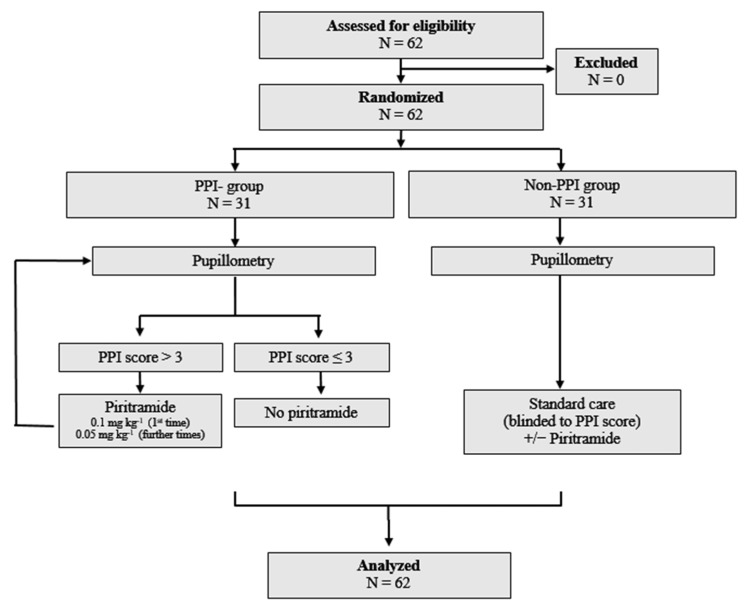 Figure 1
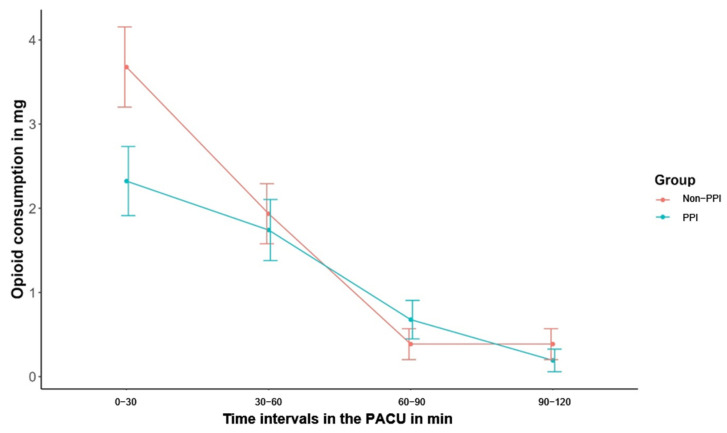 Figure 2
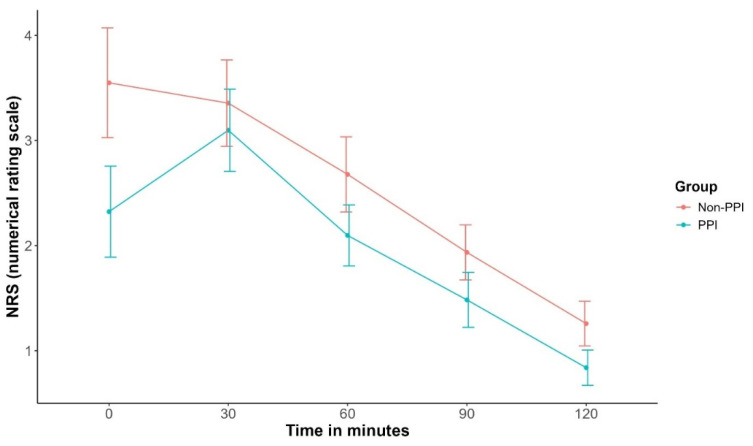 Figure 3
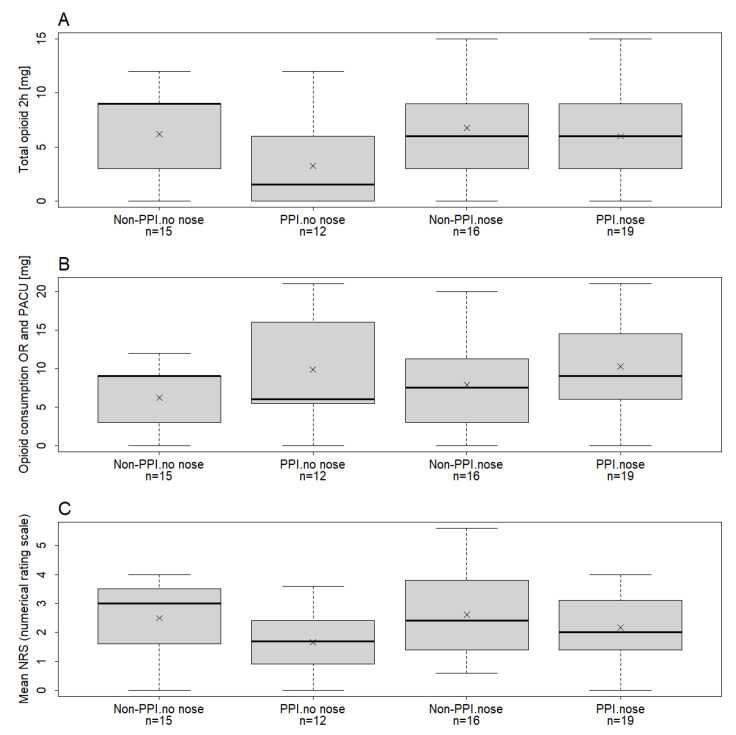 Figure 4
Peer Reviews
No public reviews on file for this paper yet. If you reviewed it on a platform where reviews are public (OpenReview, ICLR, NeurIPS, ICML), you can paste yours below so the community can read it here.
Videos
No videos yet. Explain this paper in a talk, walkthrough, or lecture? Add one.
Taxonomy
TopicsAnesthesia and Pain Management · Anesthesia and Sedative Agents · Pediatric Pain Management Techniques