A Nasal Spray Combining Camostat with a Natural Polysaccharide for the Prevention of Viral Infection via Nasal Mucosal Barrier Formation and Entry Inhibition
Yujeong Na, Byeongyong Kim, Dongjin Lee, Jongseo Choi, Sangeun Cho, Kyungmin Lee, Gwanyoung Kim, Eunyoung Cho, Jonggeun Kim, Seong Kug Eo, Sokho Kim

TL;DR
This study develops a nasal spray combining camostat and xanthan gum to prevent respiratory viral infections by forming a protective barrier and inhibiting virus entry.
Contribution
The novel dual-action nasal spray formulation offers a non-invasive method to prevent viral infection at the nasal mucosa.
Findings
The combination of xanthan gum and camostat showed significantly enhanced muco-adhesiveness compared to individual components.
The formulation inhibited viral penetration and replication in human nasal epithelial cells and an influenza-infected mouse model.
The spray suppressed TMPRSS2 expression, a key factor in influenza virus entry, in mouse lung tissues.
Abstract
In recent years, numerous researchers have investigated various preventive strategies against respiratory viruses that pose a threat to human health. This study aims to develop a nasal spray formulation based on the natural polysaccharide xanthan gum (XG) and camostat, and to evaluate its dual protective mechanism at the nasal mucosa, the primary entry point for respiratory viral infections. The efficacy of the formulation was assessed through physicochemical characterization, cell-based assays, and animal experiments. Initially, muco-adhesiveness was evaluated by monitoring the drying dispersion area of the test formulation over time on a Petri dish. The combination of XG and camostat exhibited a dispersion area more than ten times larger than that of each component used alone. The antiviral efficacy was demonstrated in both human nasal epithelial cells (HNEc) and an influenza-infected…
Genes, proteins, chemicals, diseases, species, mutations and cell lines named across the full text — each resolved to its canonical identifier and authoritative record.
Click any figure to enlarge with its caption.
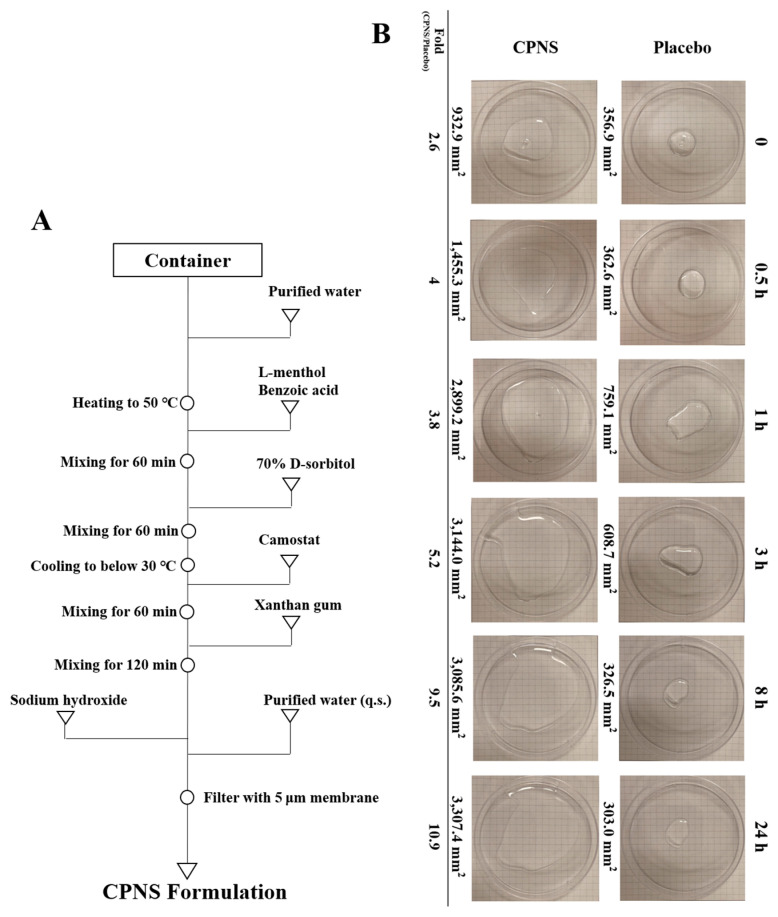 Figure 1
 Figure 2
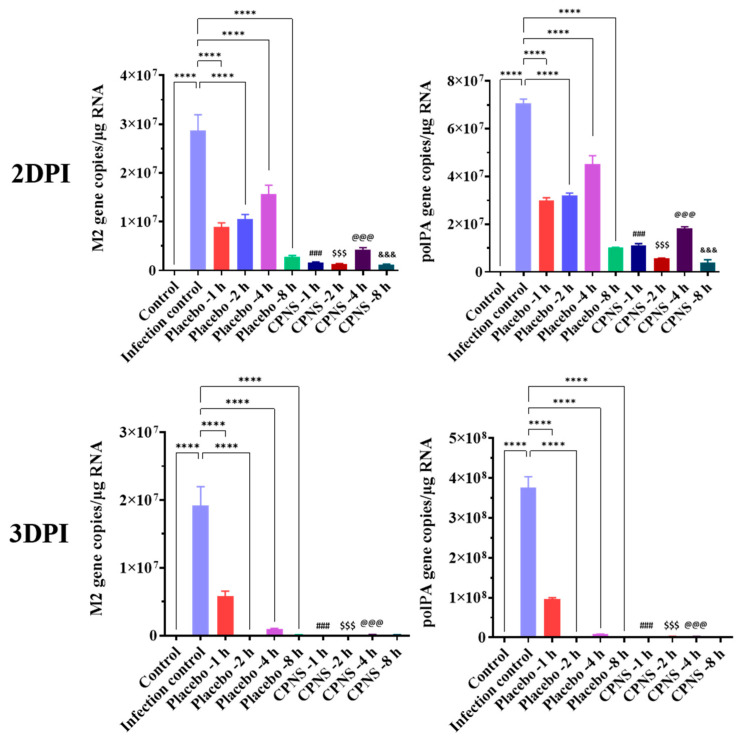 Figure 3
 Figure 4
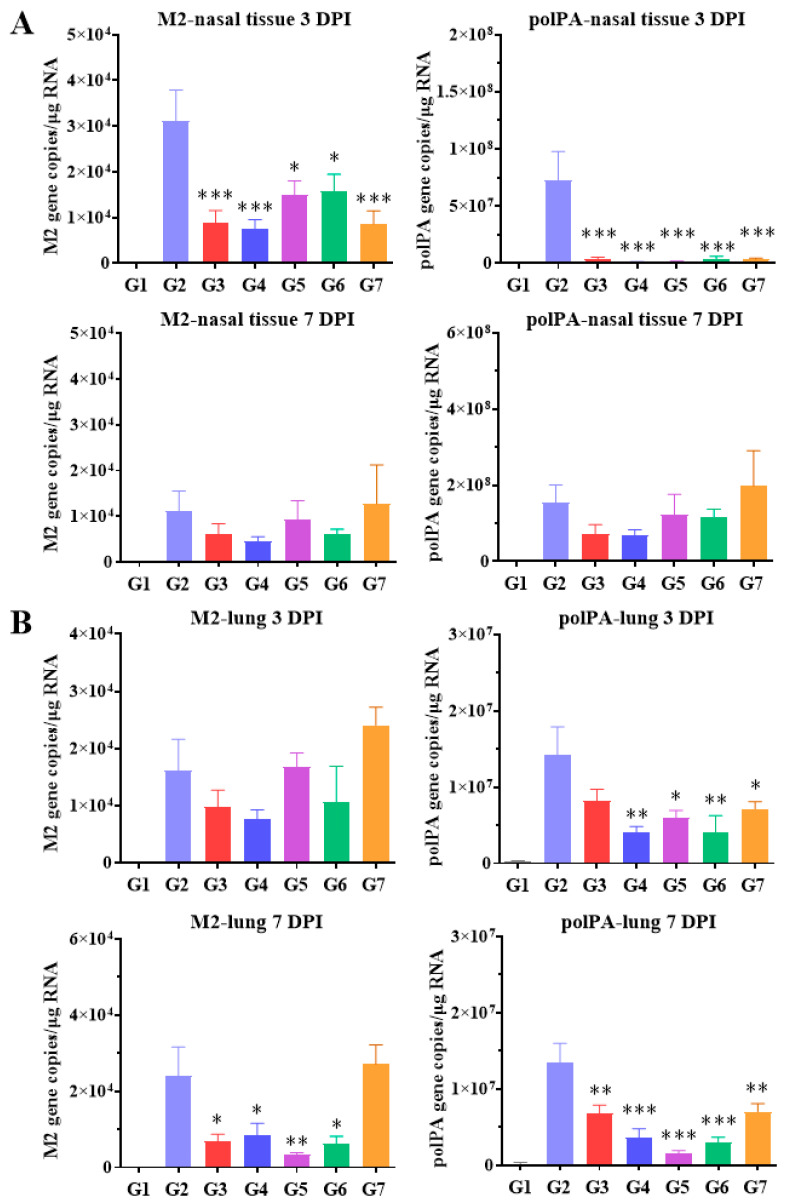 Figure 5
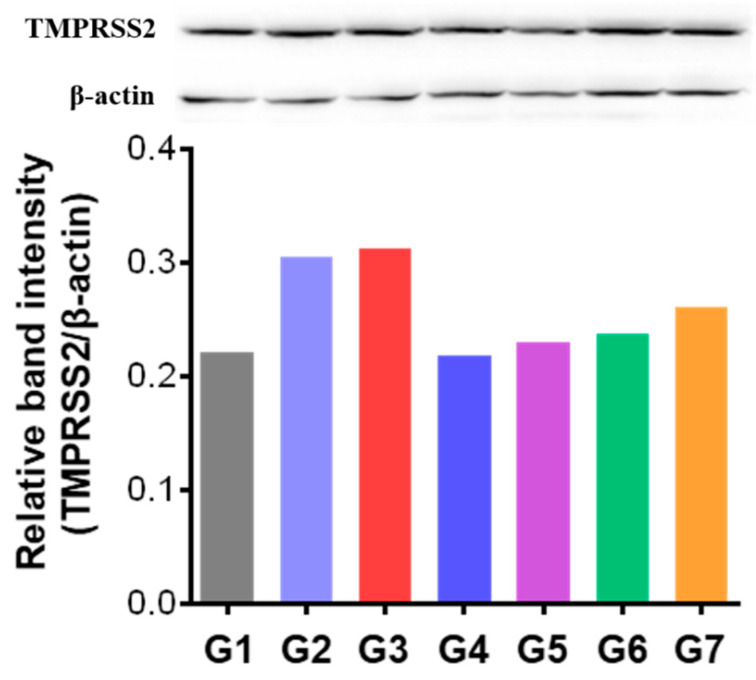 Figure 6
Peer Reviews
No public reviews on file for this paper yet. If you reviewed it on a platform where reviews are public (OpenReview, ICLR, NeurIPS, ICML), you can paste yours below so the community can read it here.
Videos
No videos yet. Explain this paper in a talk, walkthrough, or lecture? Add one.
Taxonomy
TopicsAdvanced Drug Delivery Systems · Inhalation and Respiratory Drug Delivery · Microencapsulation and Drying Processes