Transcriptomic Analysis Reveals Novel Mechanisms Underlying Neutrophil Activation Induced by High Salt
Ignacio Mazzitelli, Lucía Bleichmar, Federico Rivelli, Ingrid Feijoo, Alan Adamczyk, Gonzalo Cabrerizo, Fernando Erra Díaz, Jorge Geffner

TL;DR
High salt levels significantly alter neutrophil gene activity, revealing new pathways and roles for these immune cells in inflammation and disease.
Contribution
The study identifies novel high salt-induced pathways in neutrophils, including mitochondrial ROS and signaling through p38 MAPK, BTK, and COX2.
Findings
High salt exposure causes greater transcriptomic changes in neutrophils than conventional agonists.
Neutrophil activation by high salt involves mitochondrial ROS production and p38 MAPK activation.
High salt induces expression of genes typically found in other cell types, suggesting expanded neutrophil roles.
Abstract
Elevated sodium concentrations are commonly observed in tumors and sites of inflammation. Previous studies have shown that high salt levels modulate the phenotype and function of CD4+ and CD8+ T cells, regulatory T cells, and macrophages. In this study, we performed transcriptomic studies that revealed profound alterations in the neutrophil transcriptome upon high salt exposure, with changes that significantly exceeded those triggered by conventional agonists. By integrating transcriptomic data with functional assays, our findings suggest that high salt-induced neutrophil activation involves mitochondrial ROS production, which subsequently activates p38 MAPK and engages FOS-, Bruton’s tyrosine kinase (BTK)-, and cyclooxygenase 2 (COX2)-dependent pathways. Remarkably, the plasticity of the neutrophil transcriptome in response to high salt was further evidenced by the upregulation of…
Genes, proteins, chemicals, diseases, species, mutations and cell lines named across the full text — each resolved to its canonical identifier and authoritative record.
Click any figure to enlarge with its caption.
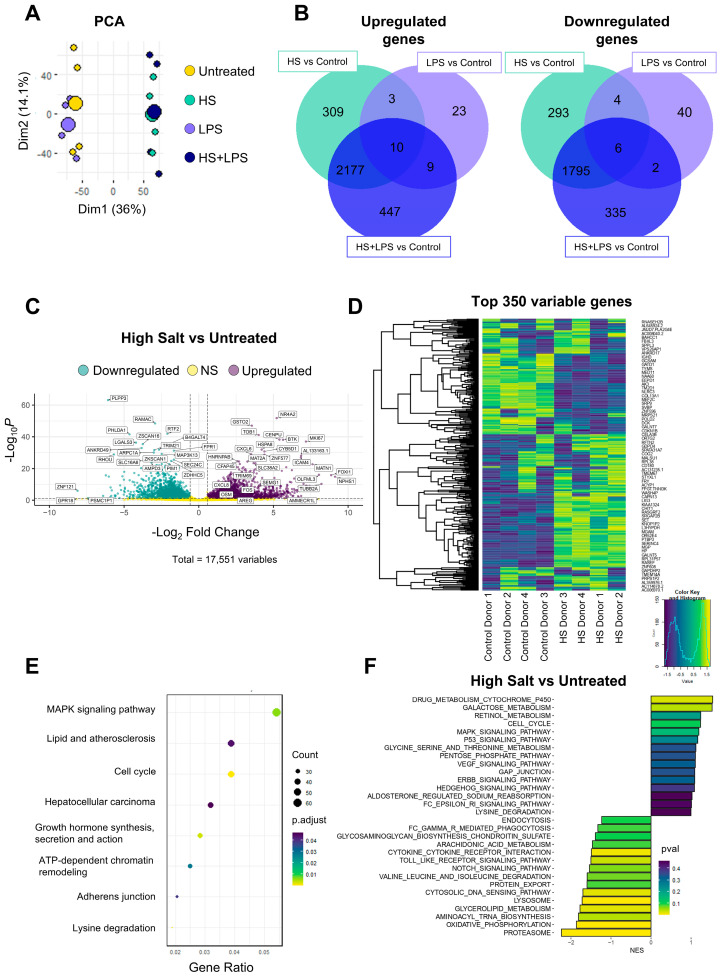 Figure 1
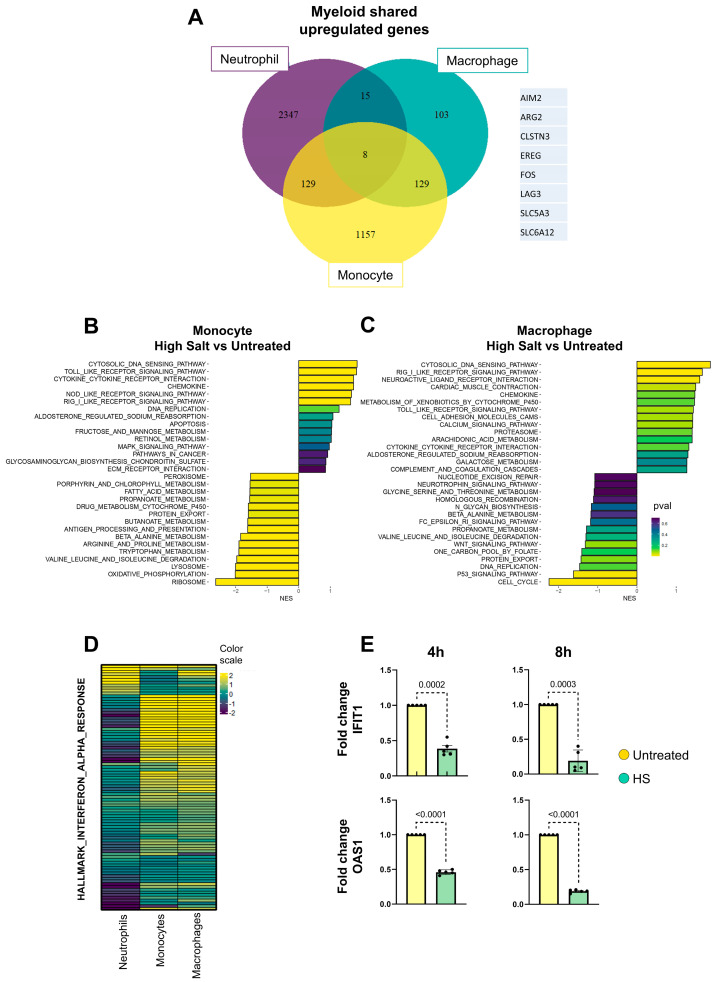 Figure 2
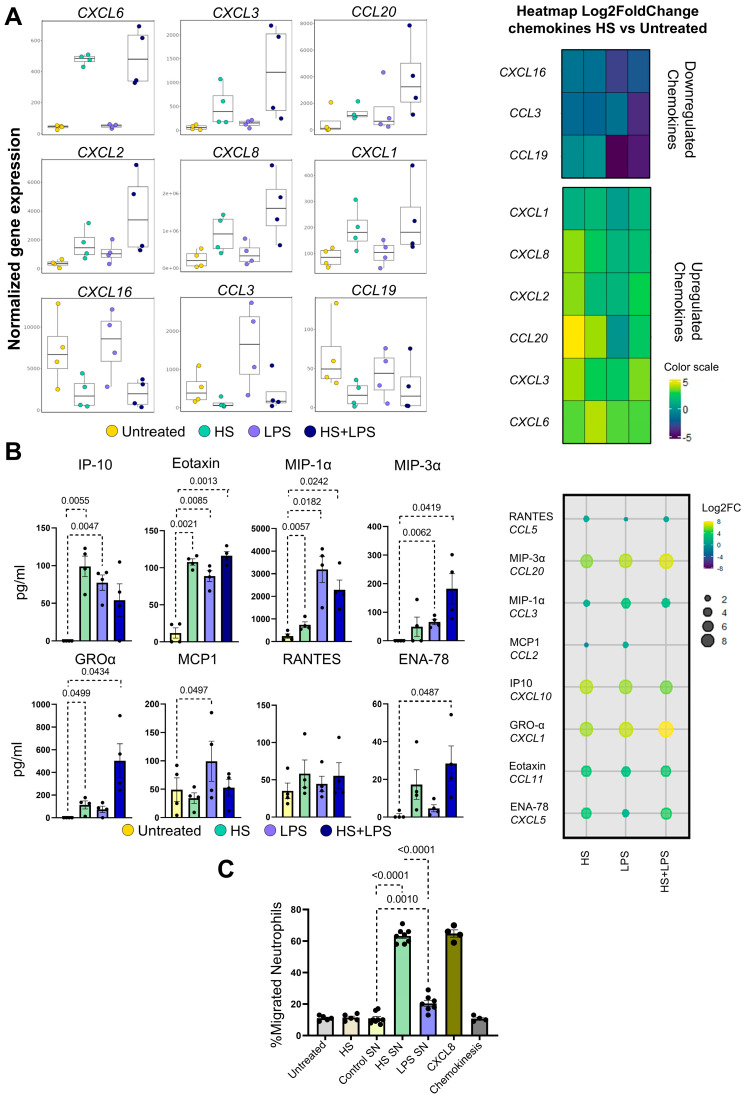 Figure 3
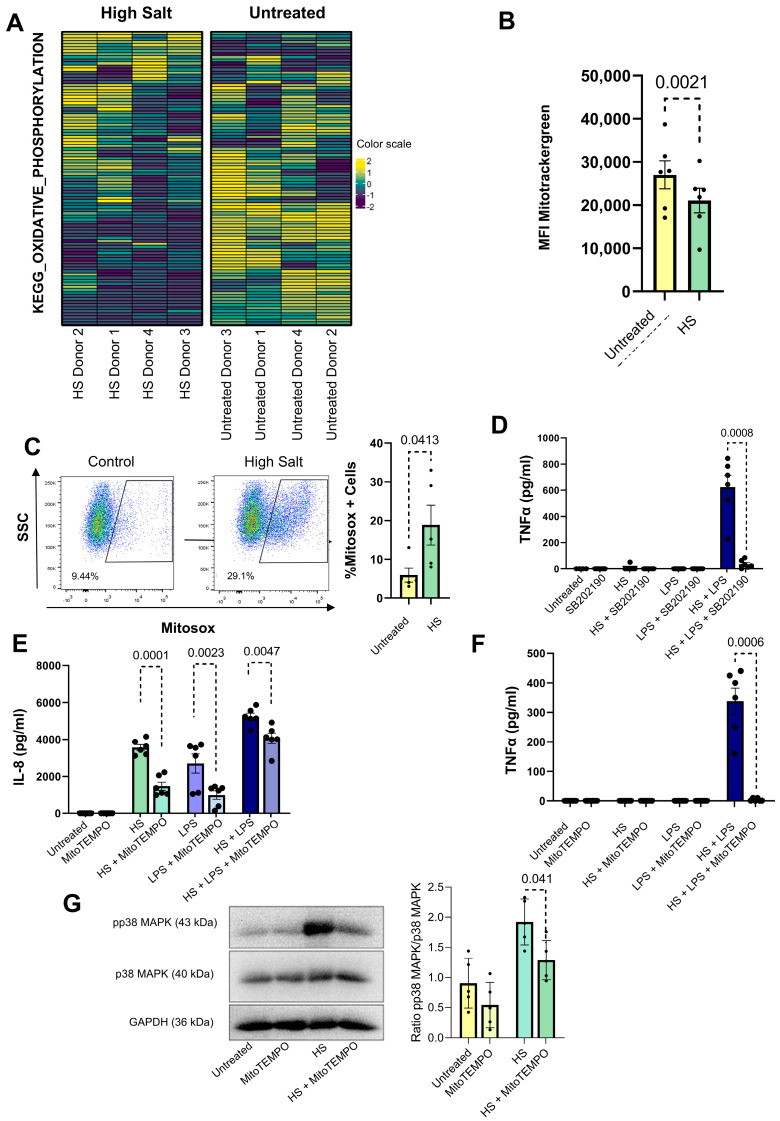 Figure 4
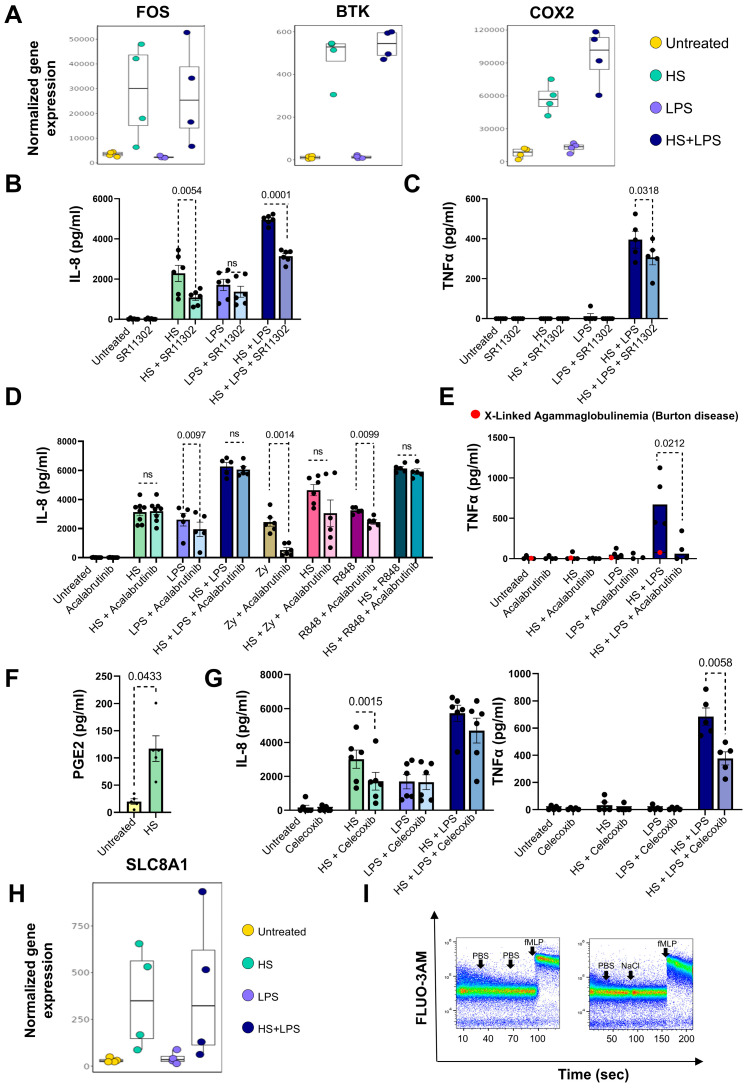 Figure 5
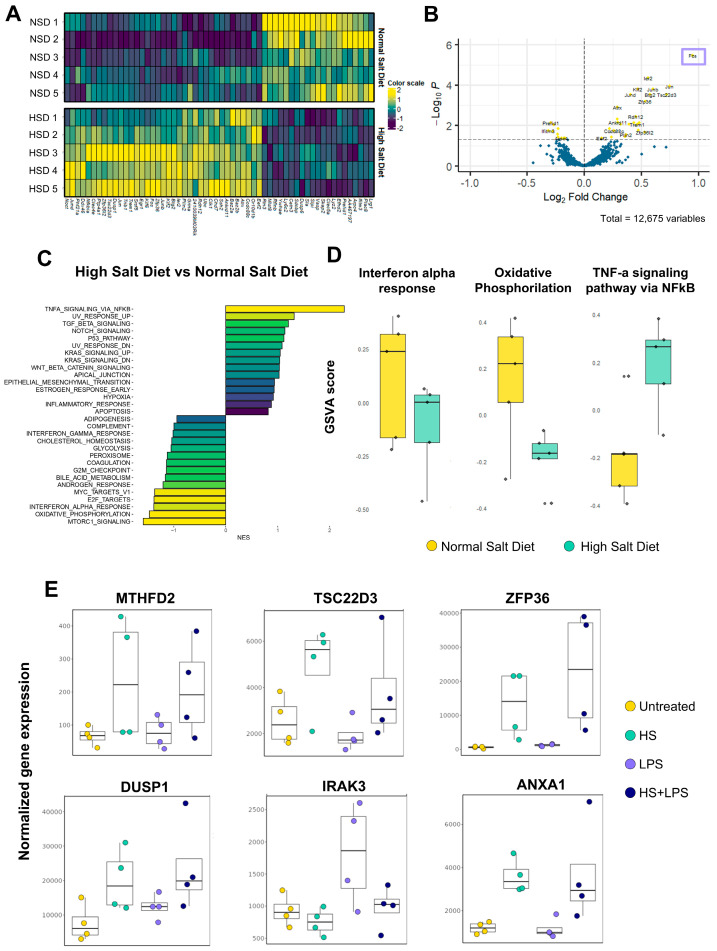 Figure 6
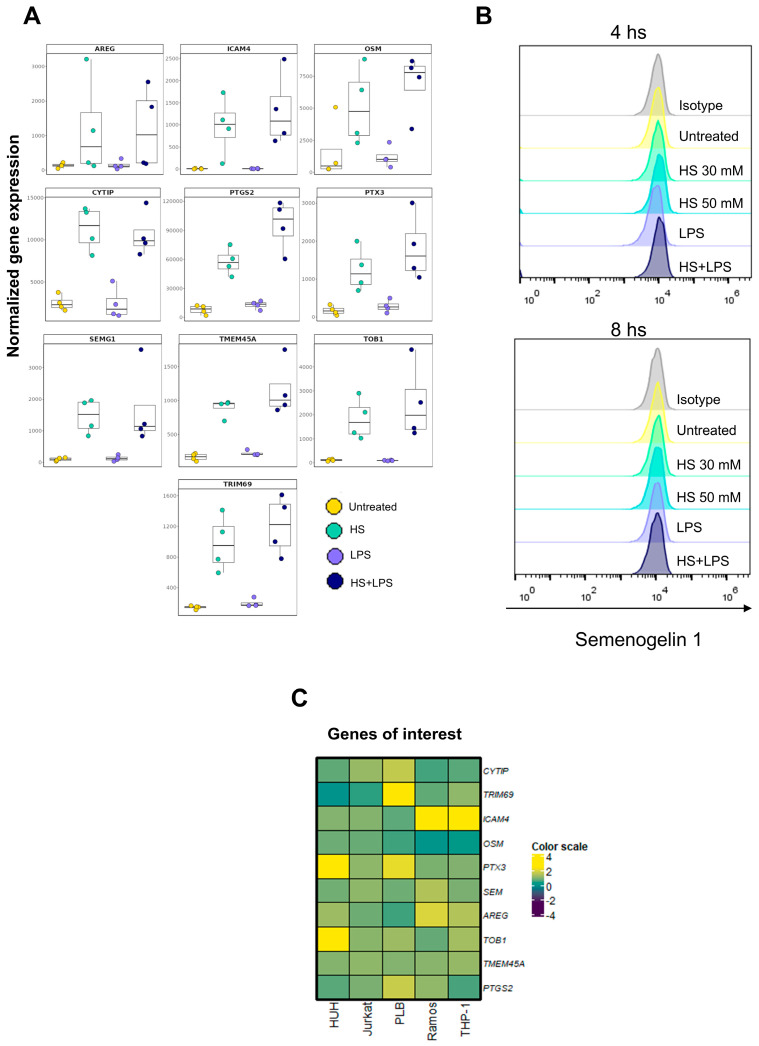 Figure 7
Peer Reviews
No public reviews on file for this paper yet. If you reviewed it on a platform where reviews are public (OpenReview, ICLR, NeurIPS, ICML), you can paste yours below so the community can read it here.
Videos
No videos yet. Explain this paper in a talk, walkthrough, or lecture? Add one.
Taxonomy
TopicsSodium Intake and Health · Exercise and Physiological Responses · Adipokines, Inflammation, and Metabolic Diseases