Thermal Ecology and Homeostasis in Colonies of the Neotropical Arboricolous Ant Azteca chartifex spiriti (Formicidae: Dolichoderinae)
Josieia Teixeira dos Santos, Elmo Borges de Azevedo Koch, Julya Lopes dos Santos, Laís da Silva Bomfim, Jacques Hubert Charles Delabie, Cléa dos Santos Ferreira Mariano

TL;DR
This study explores how a tropical tree-dwelling ant species maintains a stable internal environment in its nests despite changing weather conditions.
Contribution
The research reveals how nest architecture and worker behavior work together to maintain thermal and moisture homeostasis in ant colonies.
Findings
Nest structure buffers internal temperature and moisture against external fluctuations.
Worker size distribution and activity patterns change with the time of day to meet colony needs.
Moisture levels are significantly higher at the lower part of the nest.
Abstract
Ant colonies require a stable internal environment to thrive, yet they must also adapt to daily fluctuations in temperature and humidity. We studied a tropical ant species that constructs large paper-like nests in trees to explore how daily activity, size variations among workers, and nest structure contribute to the colony’s well-being. We measured temperature and moisture levels within several nests and observed worker behavior throughout the day. We found that the nest structure effectively buffered internal conditions against external weather changes, with moisture levels varying from the top to the bottom of the nest. These factors influenced the ants’ distribution and the variation in heat within the structure. Additionally, we found that ants of different sizes were active at distinct times of day, suggesting that workers adjust their roles to meet the colony’s changing needs.…
Genes, proteins, chemicals, diseases, species, mutations and cell lines named across the full text — each resolved to its canonical identifier and authoritative record.
Click any figure to enlarge with its caption.
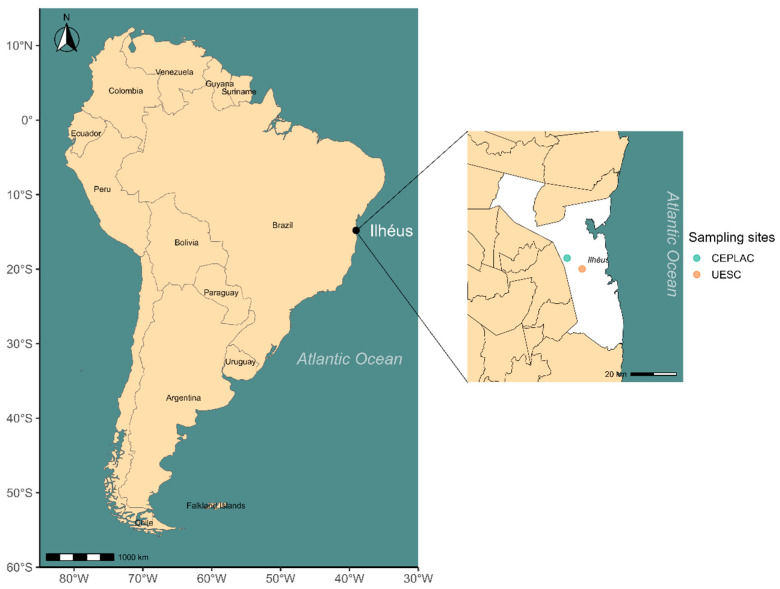 Figure 1
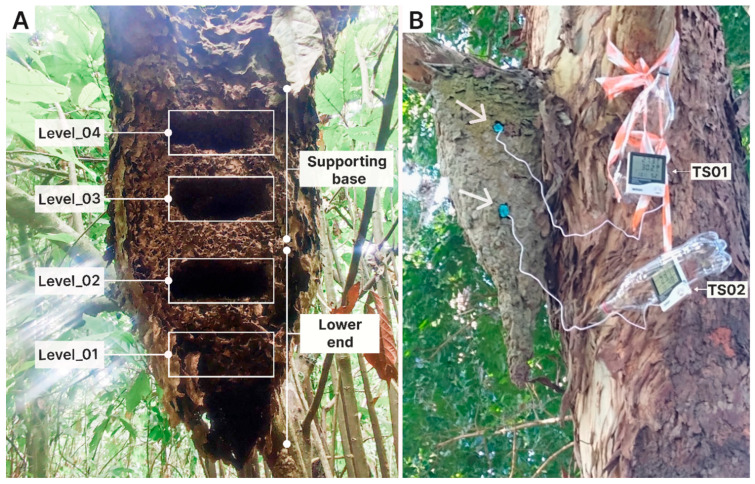 Figure 2
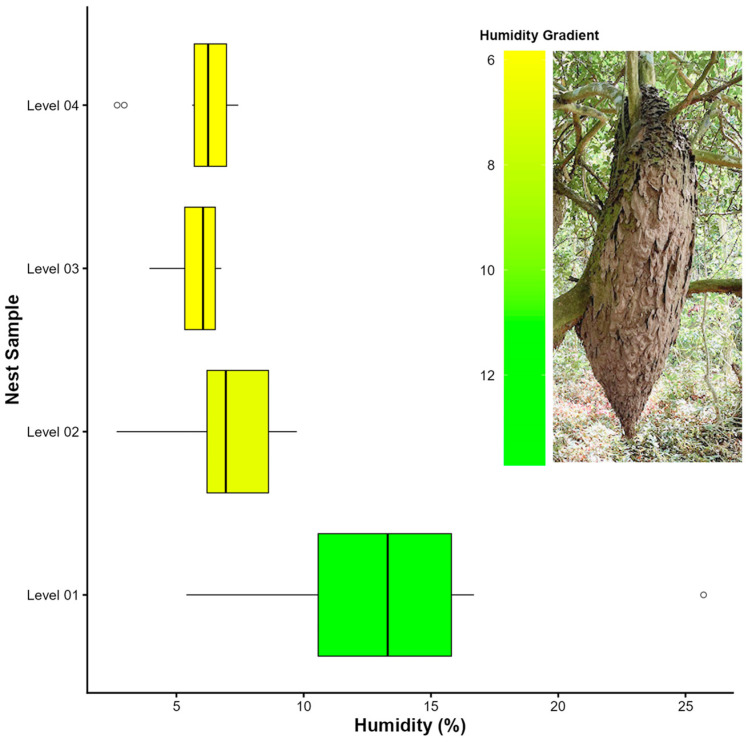 Figure 3
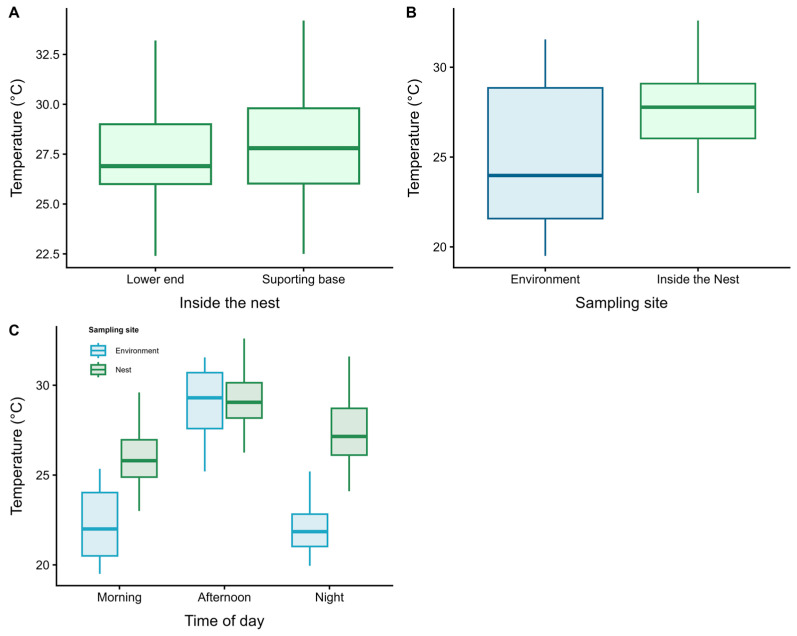 Figure 4
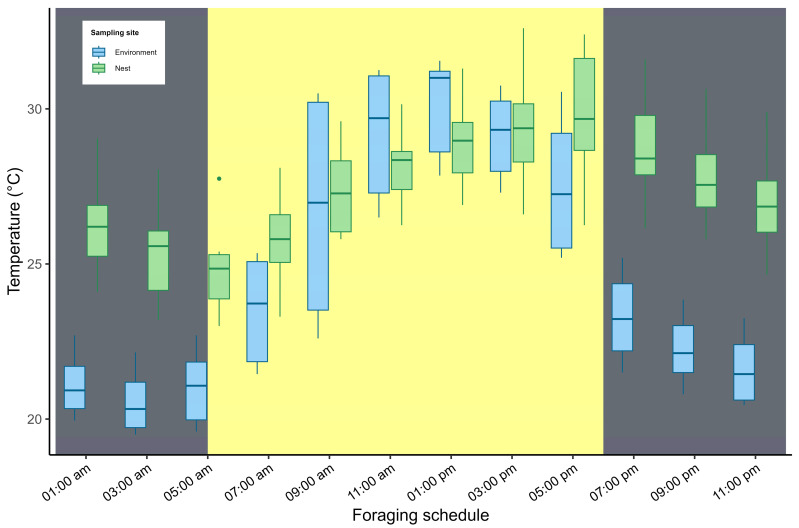 Figure 5
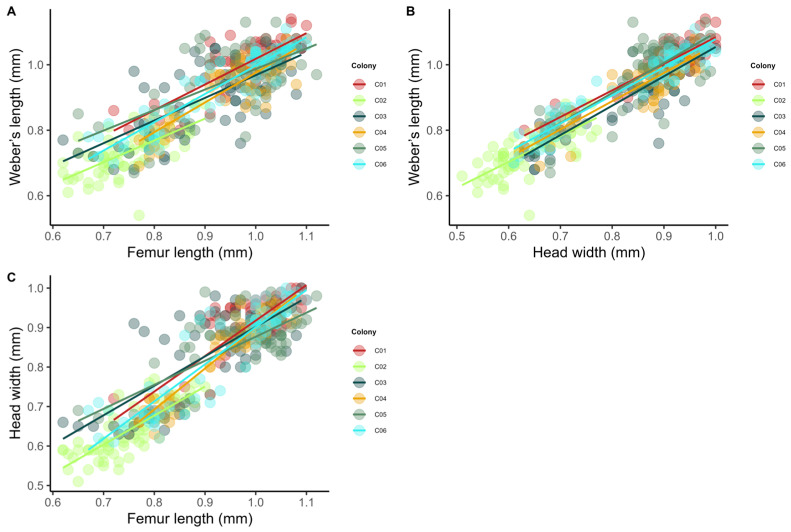 Figure 6
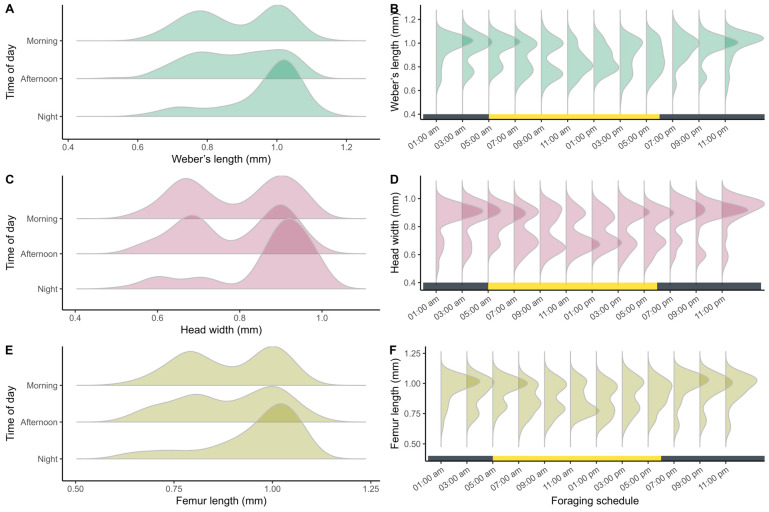 Figure 7
Peer Reviews
No public reviews on file for this paper yet. If you reviewed it on a platform where reviews are public (OpenReview, ICLR, NeurIPS, ICML), you can paste yours below so the community can read it here.
Videos
No videos yet. Explain this paper in a talk, walkthrough, or lecture? Add one.
Taxonomy
TopicsInsect and Arachnid Ecology and Behavior · Neurobiology and Insect Physiology Research · Physiological and biochemical adaptations