Advent of Artificial Intelligence in Spine Research: An Updated Perspective
Apratim Maity, Ethan D. L. Brown, Ryan A. McCann, Aryaa Karkare, Emily A. Orsino, Shaila D. Ghanekar, Barnabas Obeng-Gyasi, Sheng-fu Larry Lo, Daniel M. Sciubba, Aladine A. Elsamadicy

TL;DR
Artificial intelligence is transforming spine research by improving imaging analysis, surgical decisions, and outcome predictions, but challenges remain in making these tools widely usable in real-world clinical settings.
Contribution
This paper provides an updated synthesis of post-2019 AI advancements in spine research, focusing on clinical readiness and integration challenges.
Findings
AI has enabled automated image interpretation and patient-specific risk stratification in spine care.
Persistent challenges include dataset heterogeneity and transportability across institutions.
Hybrid and language-based AI frameworks are emerging as promising tools for spine research.
Abstract
Artificial intelligence (AI) has rapidly evolved from an experimental tool in spine research to a multi-domain framework that has significantly influenced imaging analysis, surgical decision-making, and individualized outcome prediction. Recent advances have expanded beyond isolated applications, enabling automated image interpretation, patient-specific risk stratification, discovery of qualitative phenotypes, and integration of heterogeneous clinical and biomechanical data. These developments signal a shift toward more comprehensive, context-aware analytic systems capable of supporting complex clinical workflows in spine care. Despite these gains, widespread clinical adoption remains limited. High internal performance metrics do not consistently translate into reliable generalizability, interpretability, or real-world clinical readiness. Persistent challenges, which include dataset…
Genes, proteins, chemicals, diseases, species, mutations and cell lines named across the full text — each resolved to its canonical identifier and authoritative record.
Click any figure to enlarge with its caption.
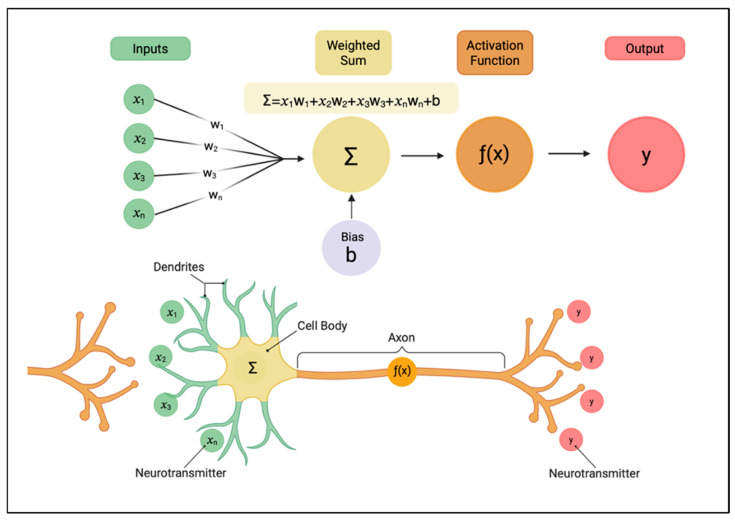 Figure 1
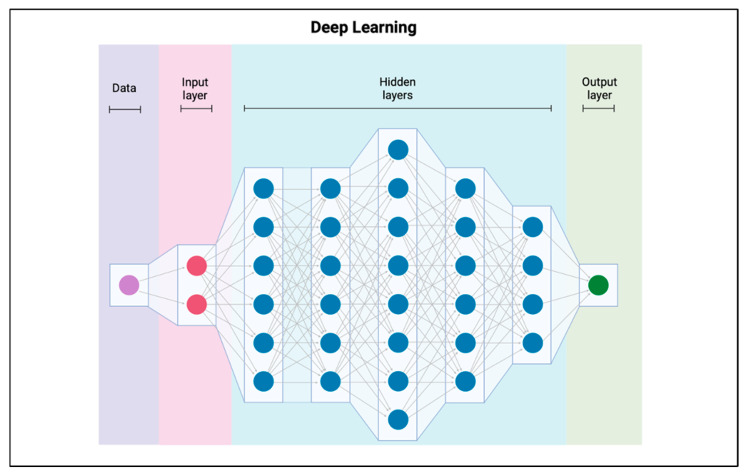 Figure 2
Peer Reviews
No public reviews on file for this paper yet. If you reviewed it on a platform where reviews are public (OpenReview, ICLR, NeurIPS, ICML), you can paste yours below so the community can read it here.
Videos
No videos yet. Explain this paper in a talk, walkthrough, or lecture? Add one.
Taxonomy
TopicsMedical Imaging and Analysis · Scoliosis diagnosis and treatment · Spine and Intervertebral Disc Pathology