Traditional Medicinal Plant Dahlia pinnata Selectively Suppresses TNF-α Expression Through Modulation of NF-κB and p38 Signaling
HyeRin Woo, Yeji Lee, Jongmin Ahn, Yongxin Jin, Weihui Wu, Un-Hwan Ha

TL;DR
This study shows that an extract from the plant Dahlia pinnata can selectively reduce a key inflammation molecule (TNF-α) in immune and lung cells without harming them.
Contribution
The novel finding is that Dahlia pinnata extract suppresses TNF-α more effectively than dexamethasone by modulating NF-κB and p38 pathways.
Findings
D. pinnata extract selectively suppresses TNF-α in THP-1 and BEAS-2B cells without affecting other cytokines or causing toxicity.
The extract inhibits TNF-α induction from Pseudomonas aeruginosa infection or LPS stimulation more effectively than dexamethasone.
Two active fractions of the extract inhibit NF-κB and activate p38 signaling to suppress TNF-α expression.
Abstract
Tumor necrosis factor-α (TNF-α) is a central mediator of inflammatory pathology; thus, the selective suppression of TNF-α without causing broad immunosuppression remains a critical therapeutic goal. This study investigated the anti-inflammatory potential and underlying mechanisms of Dahlia pinnata (D. pinnata) extract in human monocytes and epithelial cells. We demonstrate that D. pinnata extract selectively suppresses basal TNF-α expression in THP-1 monocytes and BEAS-2B bronchial epithelial cells, with minimal impact on IL-1β, IL-6, or IL-10 and without inducing cytotoxicity. The extract also potently attenuated TNF-α induction triggered by Pseudomonas aeruginosa infection or lipopolysaccharide (LPS) stimulation. Notably, D. pinnata extract exhibited stronger and broader TNF-α-suppressive effects than dexamethasone, particularly in monocytes where dexamethasone was ineffective under…
Genes, proteins, chemicals, diseases, species, mutations and cell lines named across the full text — each resolved to its canonical identifier and authoritative record.
Click any figure to enlarge with its caption.
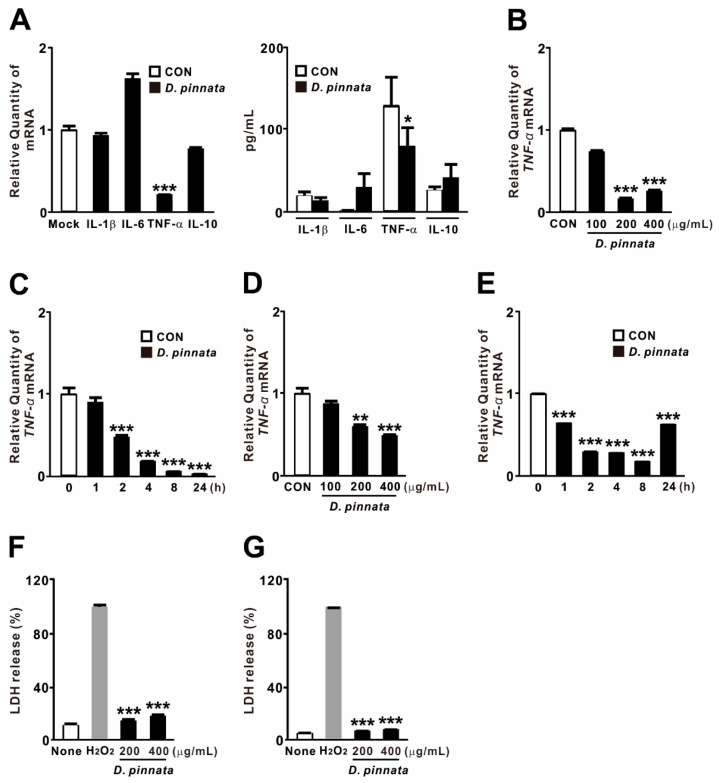 Figure 1
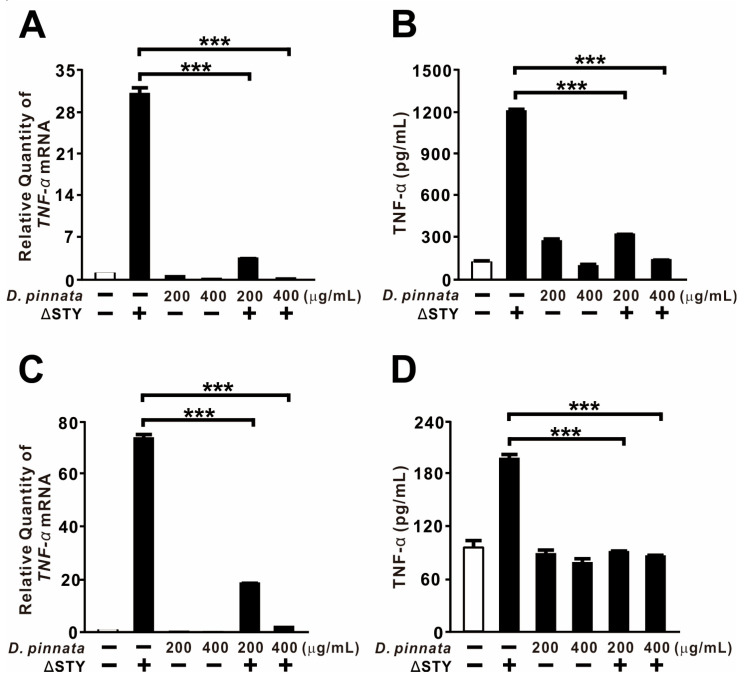 Figure 2
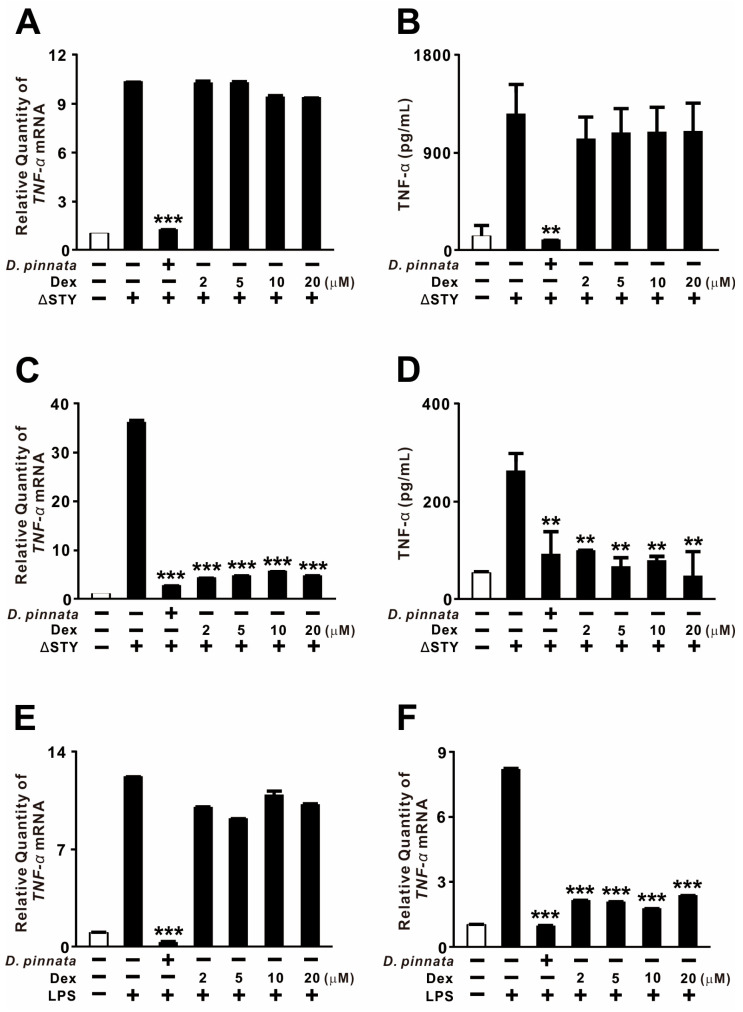 Figure 3
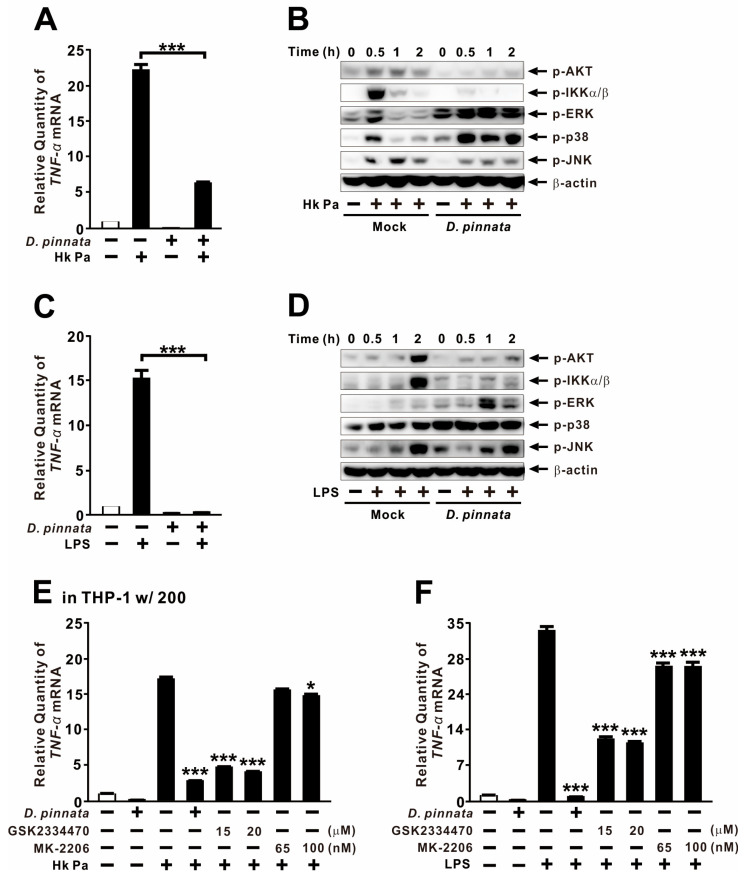 Figure 4
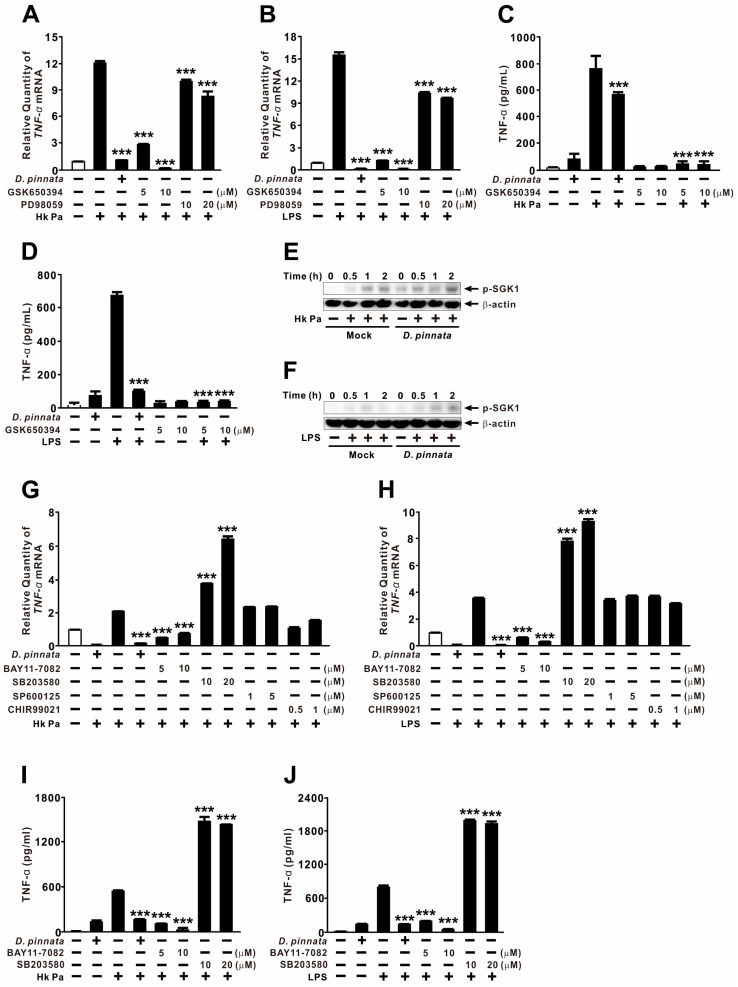 Figure 5
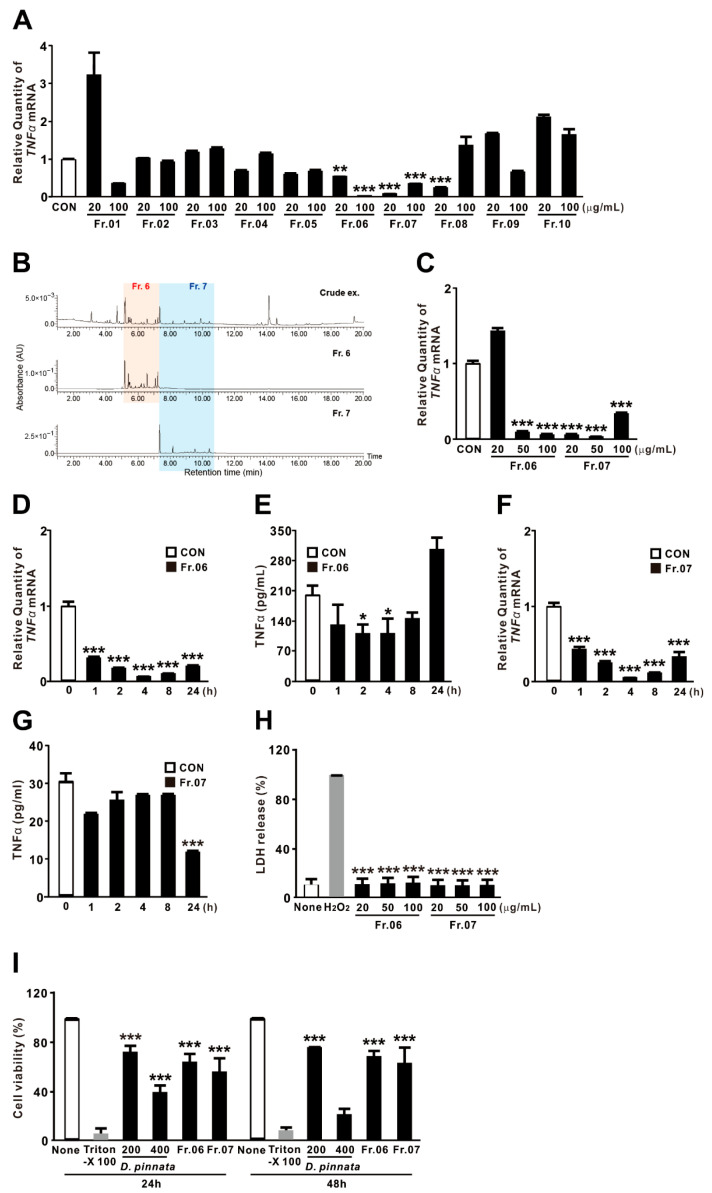 Figure 6
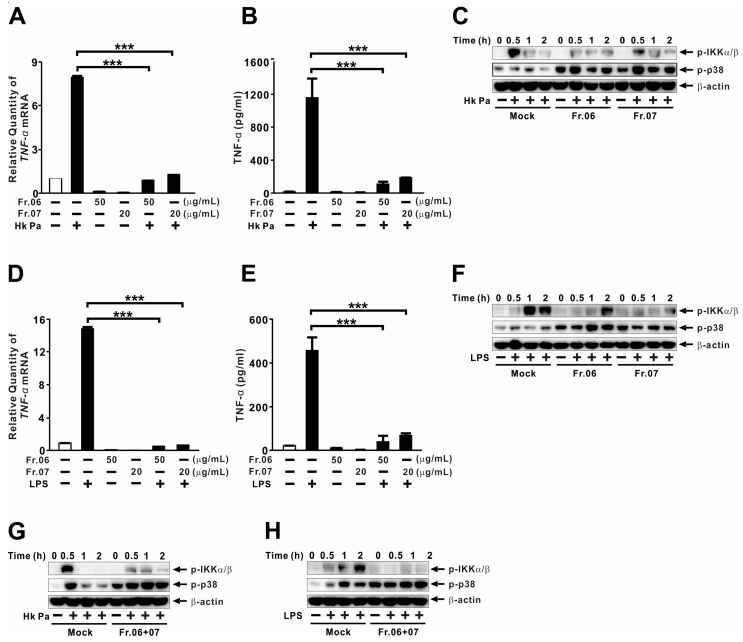 Figure 7
Peer Reviews
No public reviews on file for this paper yet. If you reviewed it on a platform where reviews are public (OpenReview, ICLR, NeurIPS, ICML), you can paste yours below so the community can read it here.
Videos
No videos yet. Explain this paper in a talk, walkthrough, or lecture? Add one.
Taxonomy
TopicsNF-κB Signaling Pathways · Phytochemistry and Biological Activities · Natural product bioactivities and synthesis