Evaluating the Influence of Trap Type and Crop Phenological Stage on Insect Population Diversity in Mediterranean Open-Field Tomatoes
Nada Abdennour, Mehdia Fraj, Ramzi Mansour, Amal Ghazouani, Ahmed Mahmoud Ismail, Hossam S. El-Beltagi, Mohamed M. El-Mogy, Sherif Mohamed El-Ganainy, Wael Elmenofy, Mohamed J. Hajjar, Shimat V. Joseph, Sabrine Attia

TL;DR
This study shows that using yellow pan traps and considering crop growth stages helps better monitor insect diversity in Mediterranean tomato fields.
Contribution
The study introduces a multi-trap sampling strategy for accurately capturing hymenopteran insect diversity in tomato agroecosystems.
Findings
Yellow pan traps captured the highest insect diversity compared to other trap types.
Insect diversity was highest at the start of planting and during flowering, declining sharply at harvest.
Pollinators like Apidae and parasitoids like Braconidae were associated with specific crop stages.
Abstract
We evaluated how different trap types and phenological stages of open-field tomato crops affect the diversity of insects belonging to the order Hymenoptera in southern Mediterranean conditions. We found that colored pan traps, especially the yellow ones, captured the highest diversity of insects, while Malaise traps captured fewer but different insect groups. Insect diversity was highest at the beginning of the crop cycle and during flowering and declined sharply at harvest. Pollinating insects belonging to the families Apidae, Halictidae, and Megachilidae were the most abundant during flowering, whereas parasitoid wasps belonging to the families Braconidae and Eulophidae were more commonly found during the fruit development stage. These results show that using a combination of trap types and considering the timing of crop development stage are essential to accurately monitor…
Genes, proteins, chemicals, diseases, species, mutations and cell lines named across the full text — each resolved to its canonical identifier and authoritative record.
Click any figure to enlarge with its caption.
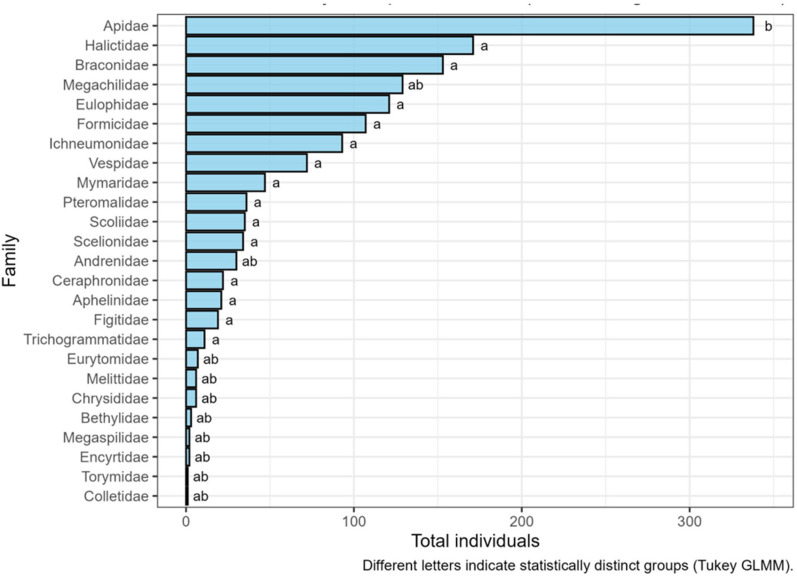 Figure 1
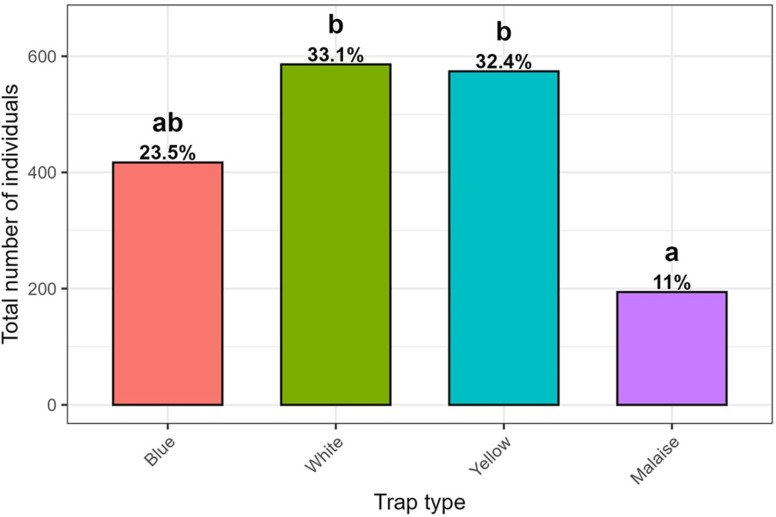 Figure 2
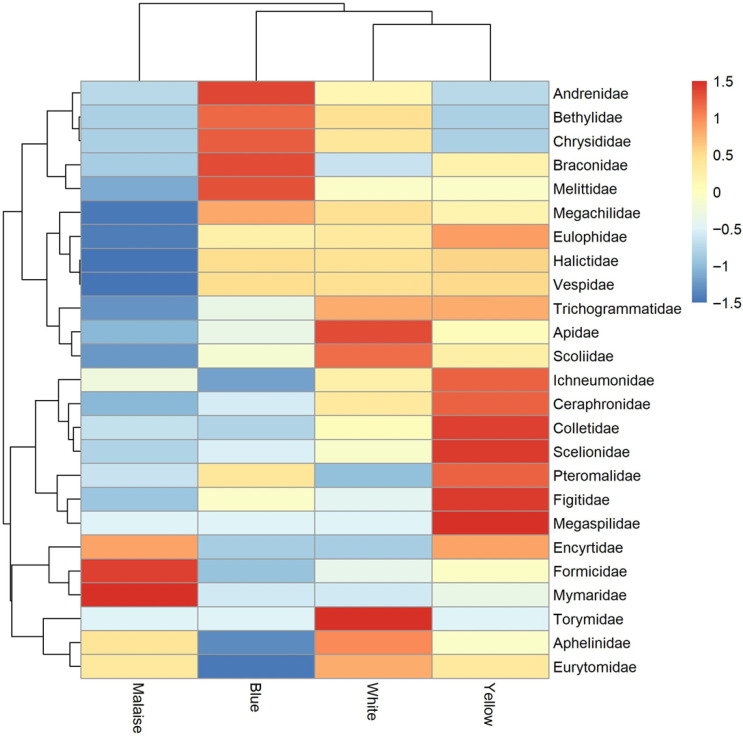 Figure 3
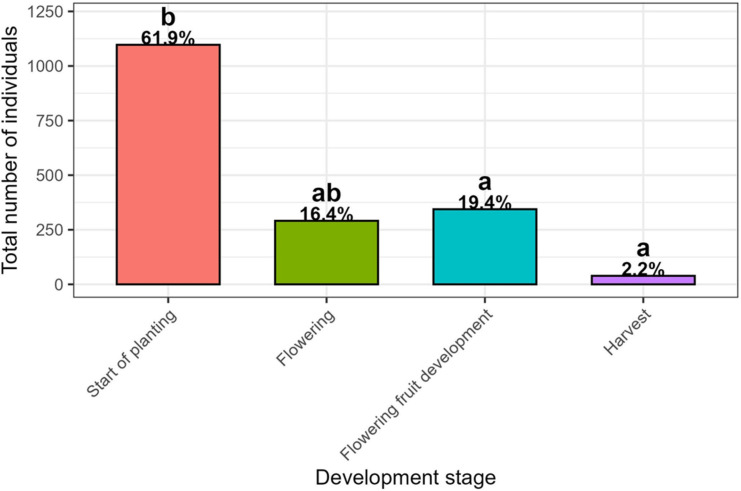 Figure 4
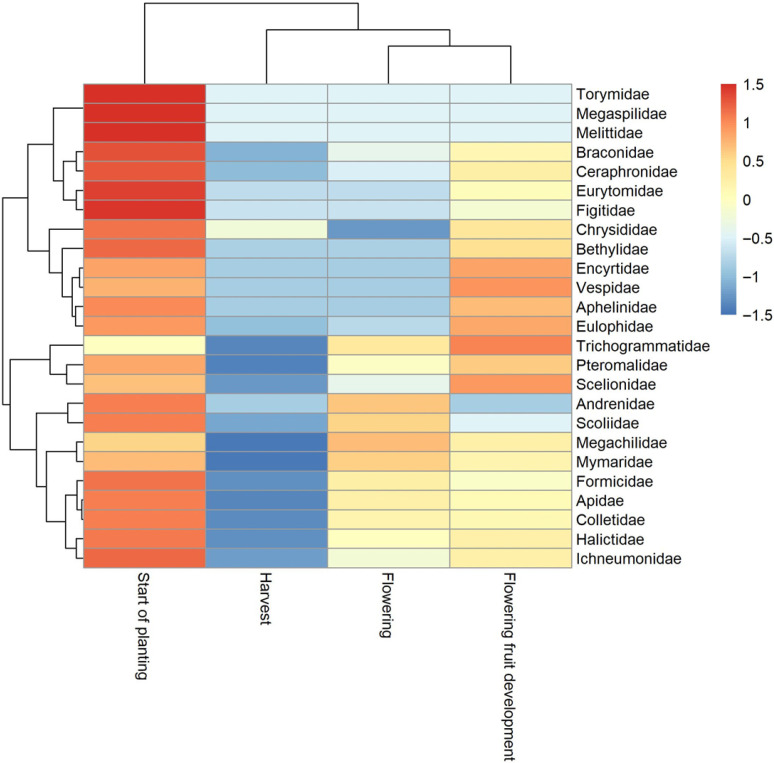 Figure 5
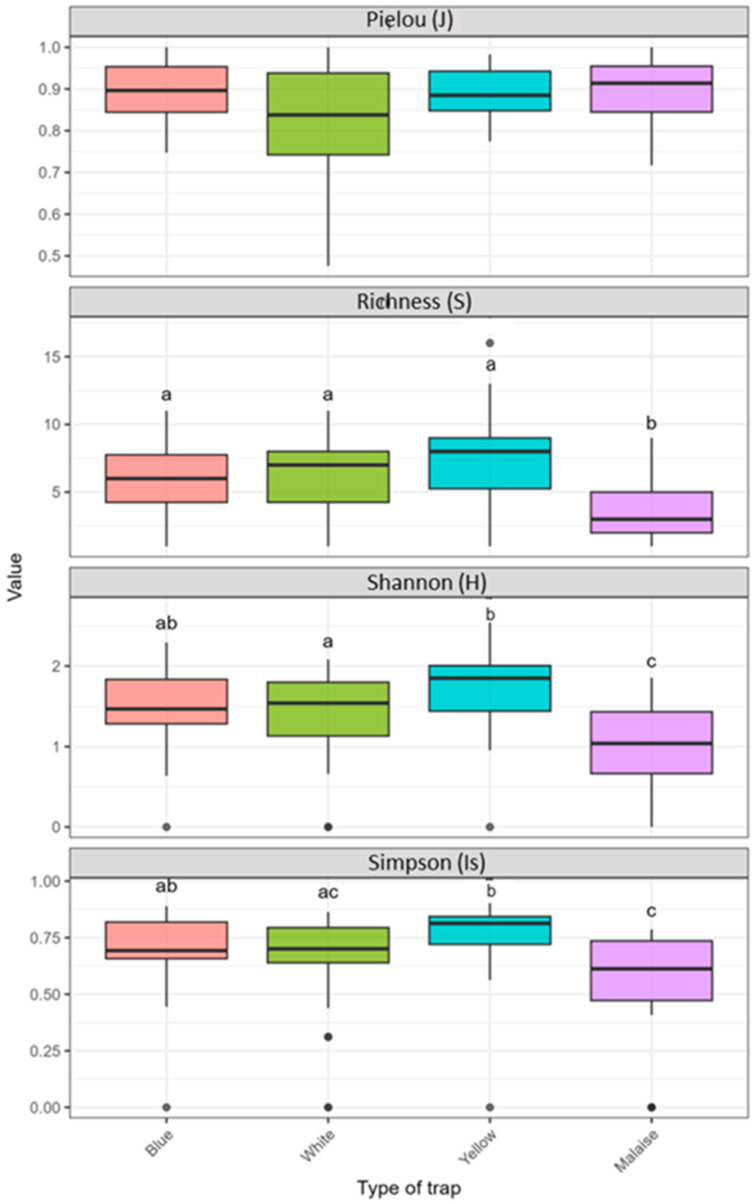 Figure 6
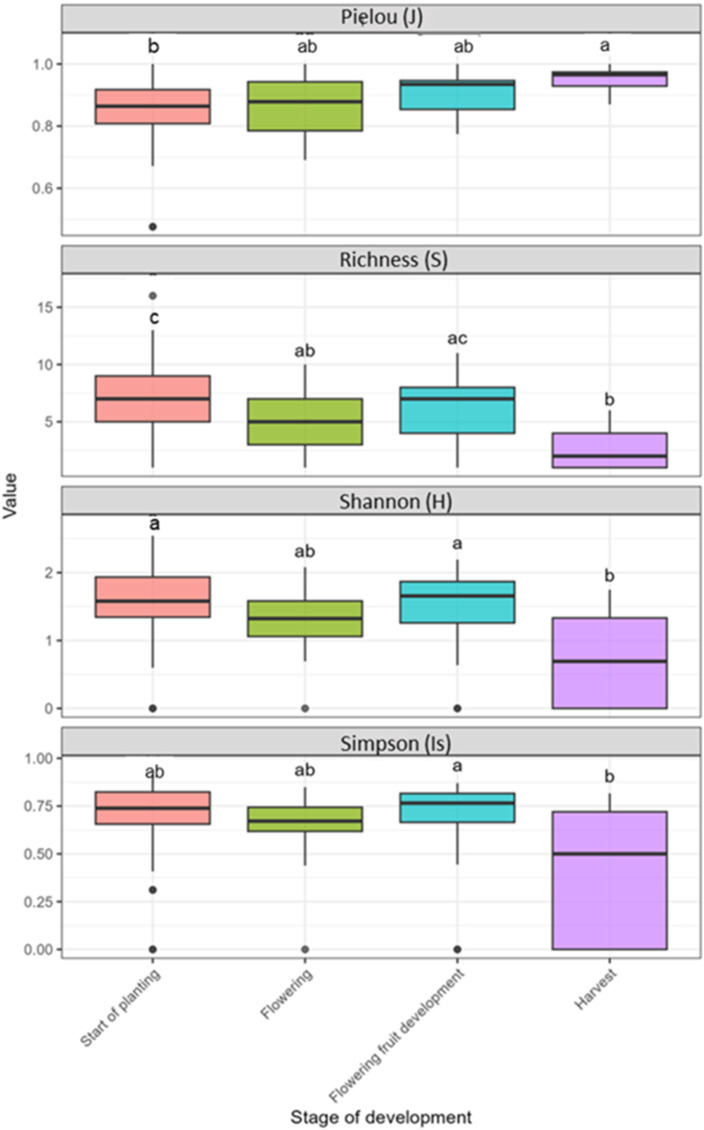 Figure 7
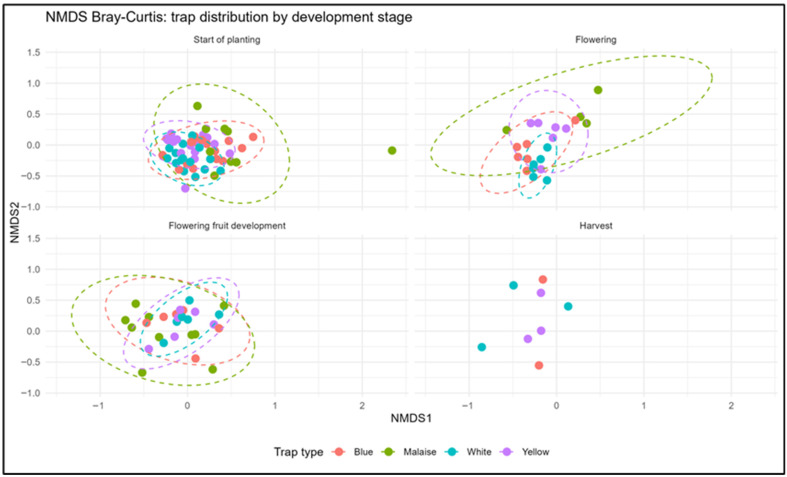 Figure 8
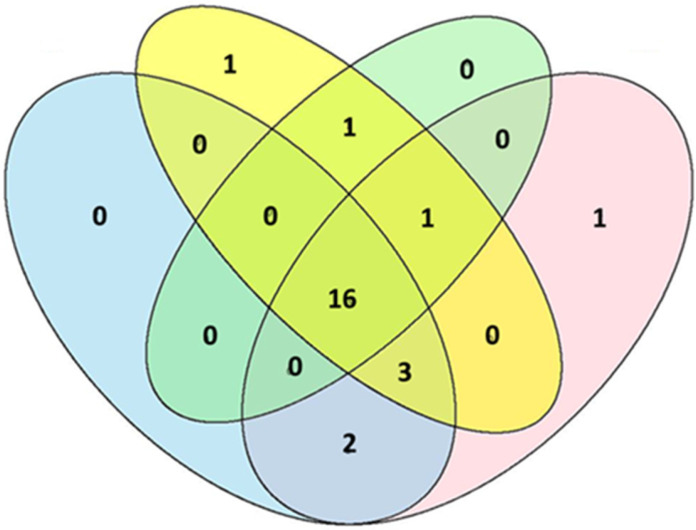 Figure 9
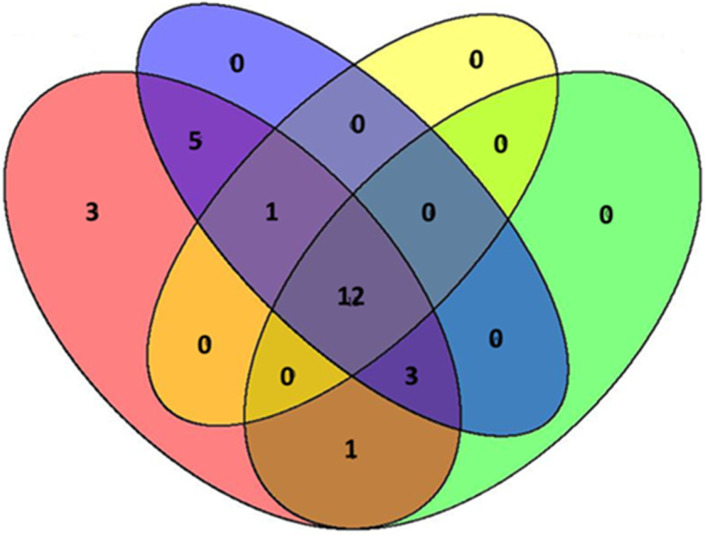 Figure 10
Peer Reviews
No public reviews on file for this paper yet. If you reviewed it on a platform where reviews are public (OpenReview, ICLR, NeurIPS, ICML), you can paste yours below so the community can read it here.
Videos
No videos yet. Explain this paper in a talk, walkthrough, or lecture? Add one.
Taxonomy
TopicsInsect-Plant Interactions and Control · Insect Pheromone Research and Control · Insect behavior and control techniques