Evolutionary History, Transcriptome Expression Profiles, and Abiotic Stress Responses of the SBP Family Genes in the Three Endangered Medicinal Notopterygium Species
Dan-Ting Zhang, Yan-Jun Cheng, Rui Yang, Hui-Ling Wang, Xiao-Jing He, Cai-Yun Luo, Zhong-Hu Li, Mi-Li Liu

TL;DR
This study explores the SBP gene family in three endangered Notopterygium species, revealing their evolutionary history and roles in stress responses.
Contribution
The study provides the first genome-wide analysis of SBP genes in Notopterygium and identifies key genes involved in abiotic stress tolerance.
Findings
SBP genes in Notopterygium are organized into eight subfamilies, with some regulated by miR156.
NinSBP08 and NinSBP10/12 are key in heat tolerance and drought resistance, respectively.
SBP gene expansion was driven by genome duplication and transposable elements.
Abstract
Squamosa promoter binding protein (SBP) plays a vital role in plant growth, development, and responses to abiotic stresses. The genus Notopterygium is an endangered perennial herbaceous plant mainly distributed in the high-altitude Qinghai–Tibet Plateau and adjacent areas, which possibly occurred the adaptive evolution to the extreme environmental conditions. In this study, we firstly determined the genome-wide structural characteristics, evolutionary history, and expression profiles of the SBP family genes in Notopterygium species by using genome, transcriptome, and DNA resequencing data. We have also investigated the response patterns of SBPs of N. franchetii to the drought and high-temperature stresses. The 21, 18, and 18 SBP family genes of three Notopterygium species, N. incisum, N. franchetii, and N. forrestii, were, respectively, identified and classified into eight subfamilies,…
Genes, proteins, chemicals, diseases, species, mutations and cell lines named across the full text — each resolved to its canonical identifier and authoritative record.
Click any figure to enlarge with its caption.
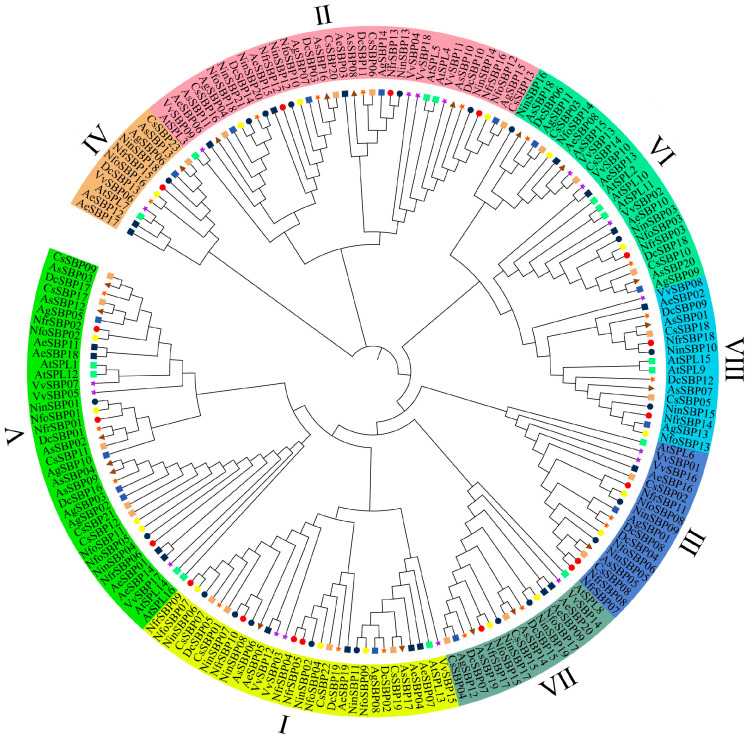 Figure 1
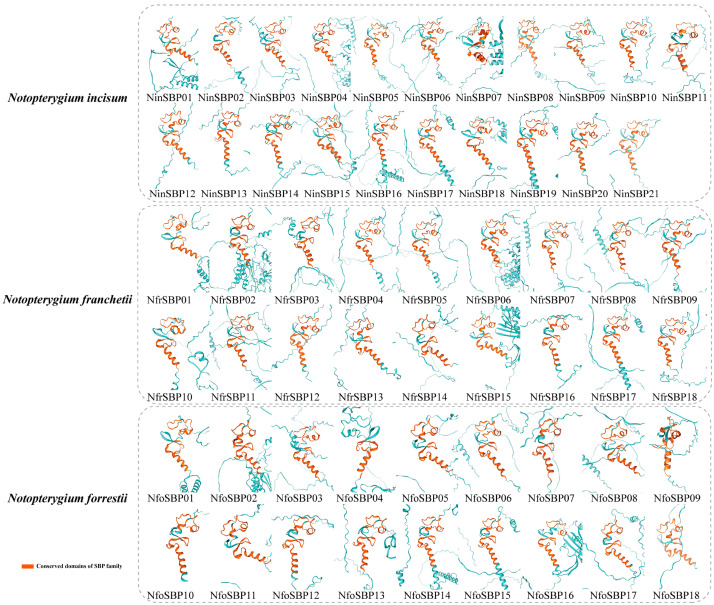 Figure 2
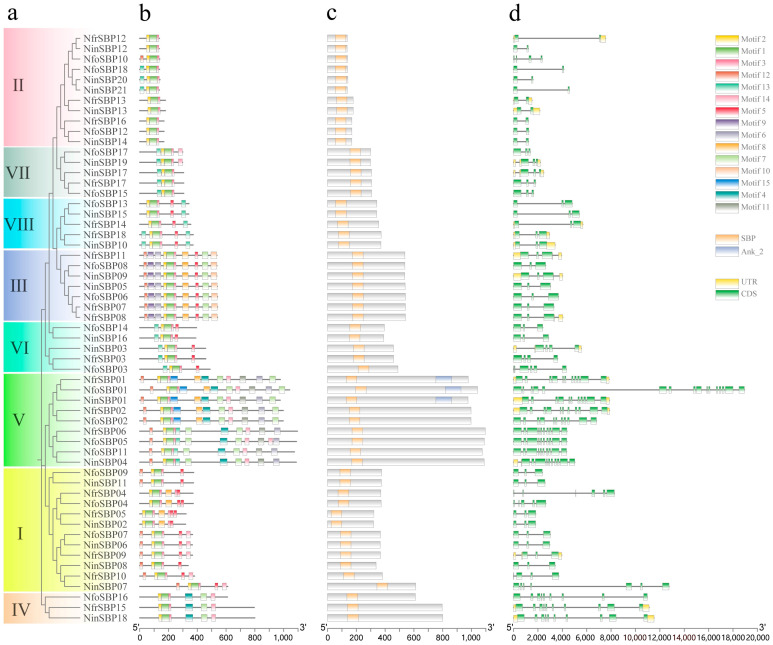 Figure 3
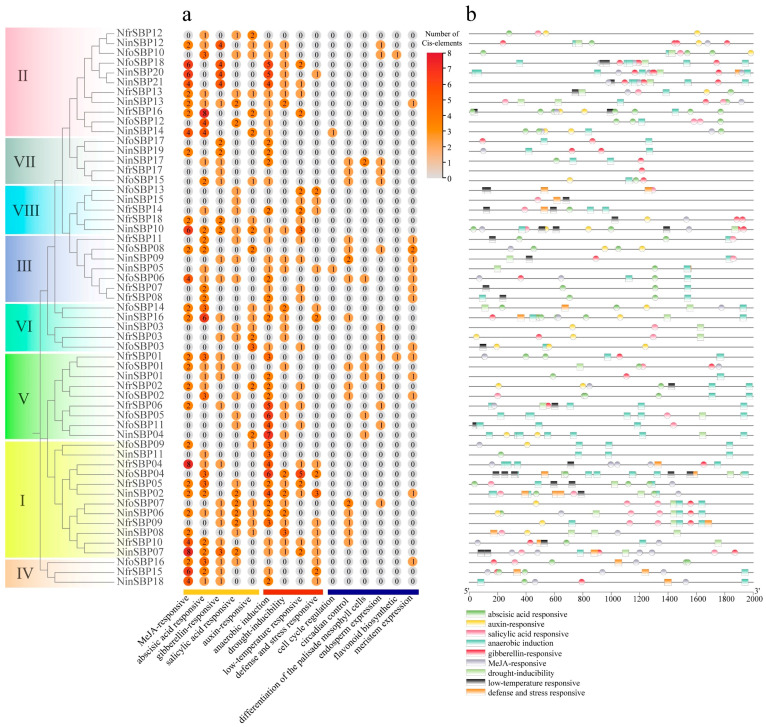 Figure 4
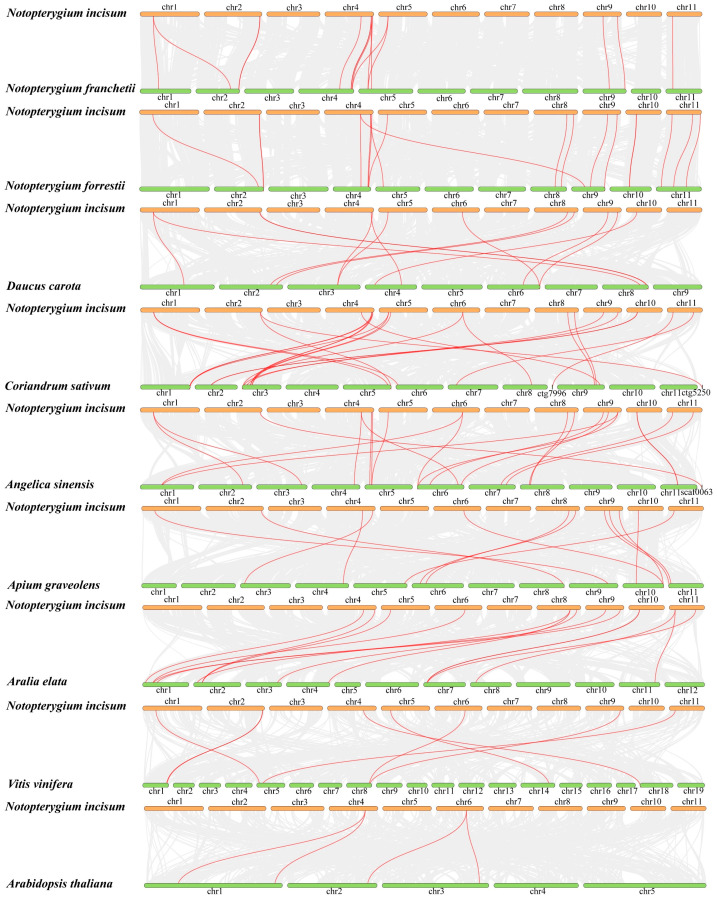 Figure 5
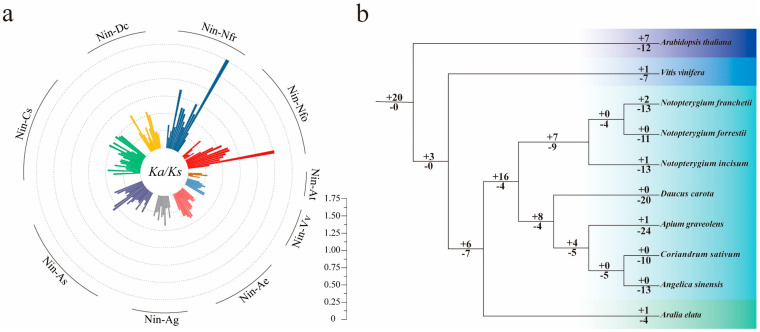 Figure 6
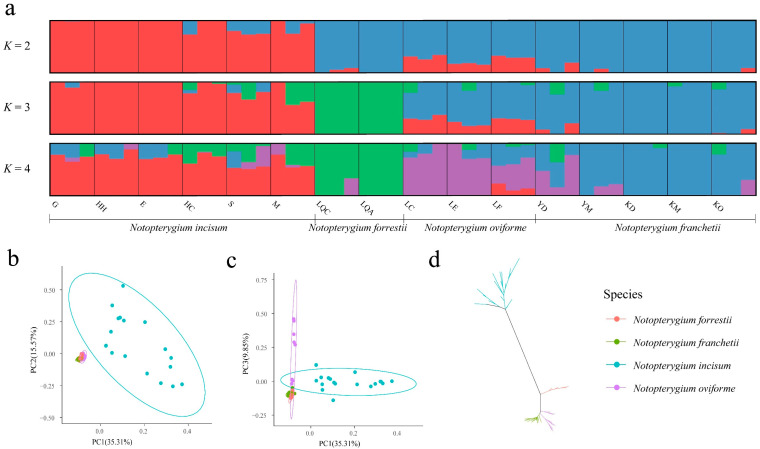 Figure 7
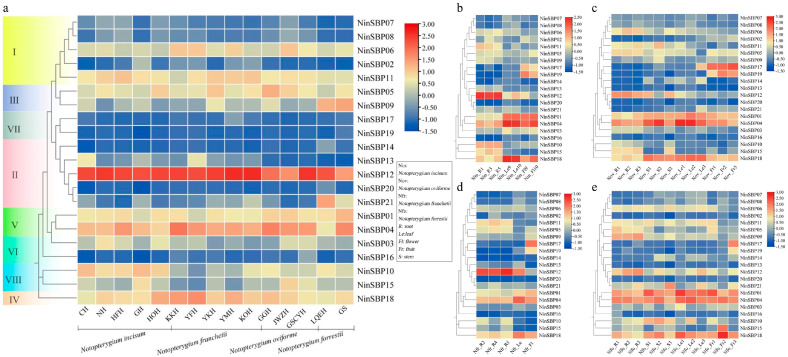 Figure 8
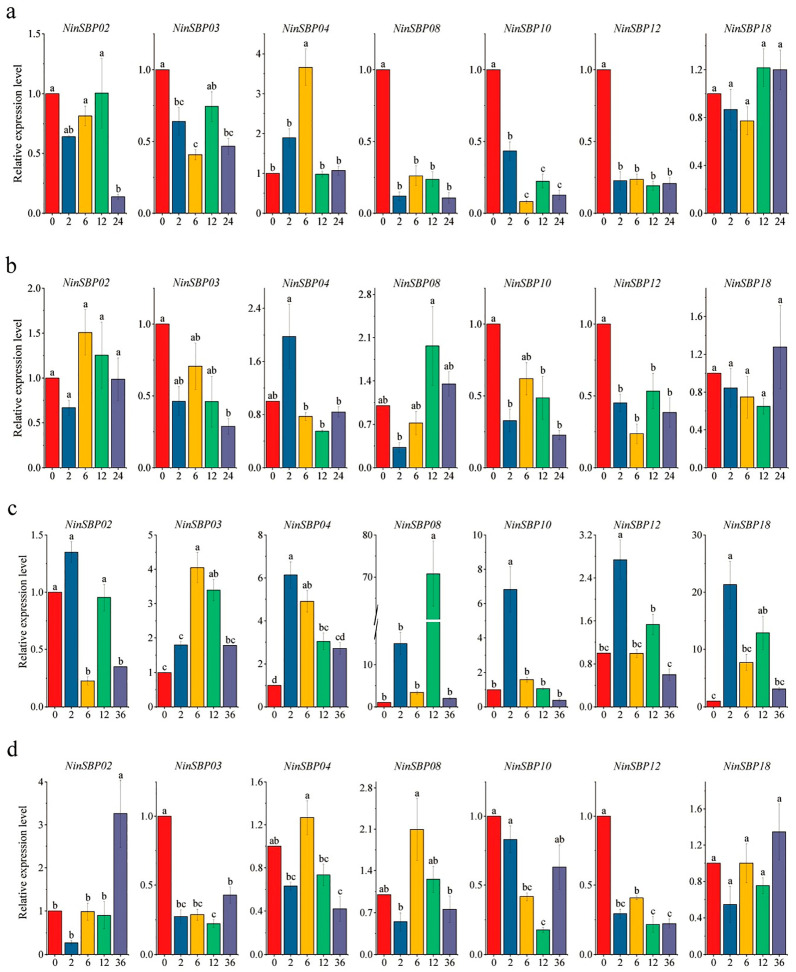 Figure 9
Peer Reviews
No public reviews on file for this paper yet. If you reviewed it on a platform where reviews are public (OpenReview, ICLR, NeurIPS, ICML), you can paste yours below so the community can read it here.
Videos
No videos yet. Explain this paper in a talk, walkthrough, or lecture? Add one.
Taxonomy
TopicsPlant Molecular Biology Research · Plant Reproductive Biology · Heat shock proteins research