Ectoparasite- and Vector-Borne-Related Dermatoses: A Single-Centre Study with Practical Diagnostic and Management Insights in a One Health Perspective
Giovanni Paolino, Barbara Moroni, Antonio Podo Brunetti, Anna Cerullo, Carlo Mattozzi, Giovanni Gaiera, Manuela Cirami, Dino Zilio, Mario Valenti, Andrea Carugno, Giuseppe Esposito, Nicola Zerbinati, Carmen Cantisani, Franco Rongioletti, Santo Raffaele Mercuri

TL;DR
This study examines various parasitic skin conditions, emphasizing the importance of accurate diagnosis and tailored treatment approaches in a One Health context.
Contribution
The study provides a practical, clinician-oriented overview of parasitic skin infestations with insights into non-invasive diagnostic tools and therapeutic resistance.
Findings
Non-invasive imaging tools like dermoscopy and RCM were critical in confirming ambiguous parasitic infestations.
Therapeutic resistance was observed in cases of pediculosis and scabies, necessitating systemic therapy.
The study highlights the need for multidisciplinary approaches and updated treatment strategies due to evolving parasitic challenges.
Abstract
Background: Parasitic skin-related conditions represent a frequent and evolving challenge in human dermatology, as they often mimic other dermatoses, and are increasingly complicated by therapeutic resistance. With this study, we aimed to provide a practical, clinician-oriented overview of our experience, contextualising it within the current literature. Materials and Methods: We conducted a retrospective, single-centre observational study, reporting a case series of 88 patients diagnosed with parasitic or arthropod-related skin infestations at the San Raffaele Hospital Dermatology Unit (Milan) between 2019 and 2024, and integrated a concise narrative review of contemporary evidence on diagnosis, non-invasive imaging and management. For each case, we documented clinical presentation, dermoscopic or reflectance confocal microscopy (RCM) findings, and treatment response. Non-invasive…
Genes, proteins, chemicals, diseases, species, mutations and cell lines named across the full text — each resolved to its canonical identifier and authoritative record.
Click any figure to enlarge with its caption.
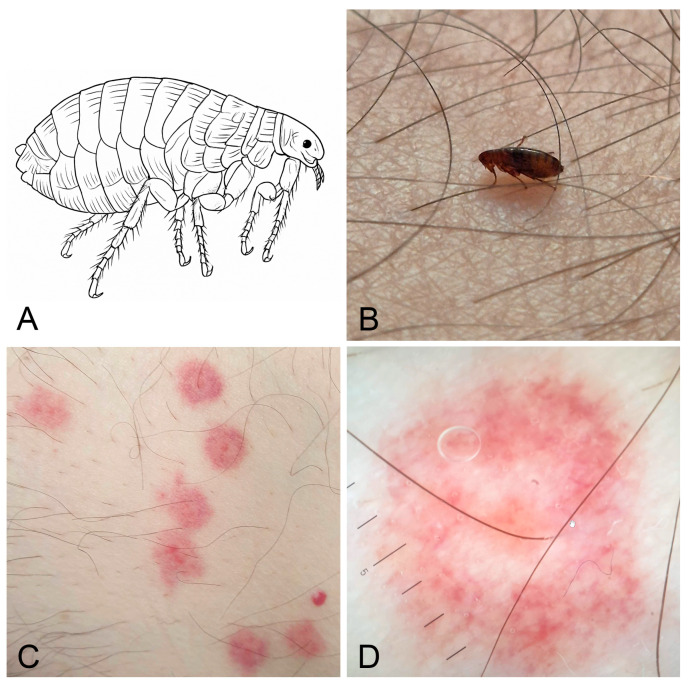 Figure 1
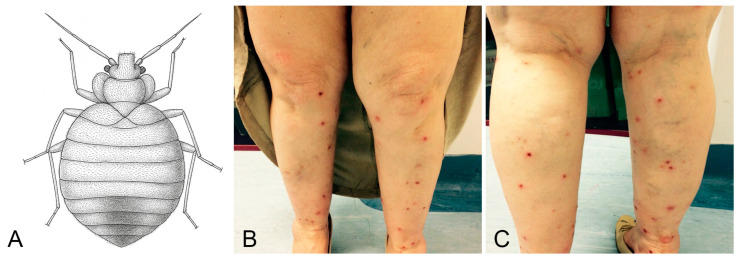 Figure 2
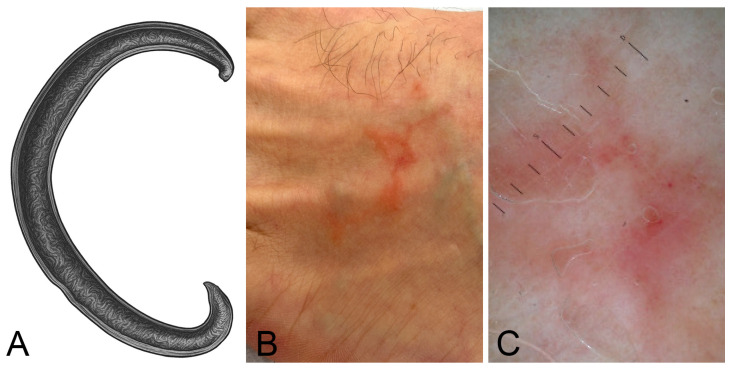 Figure 3
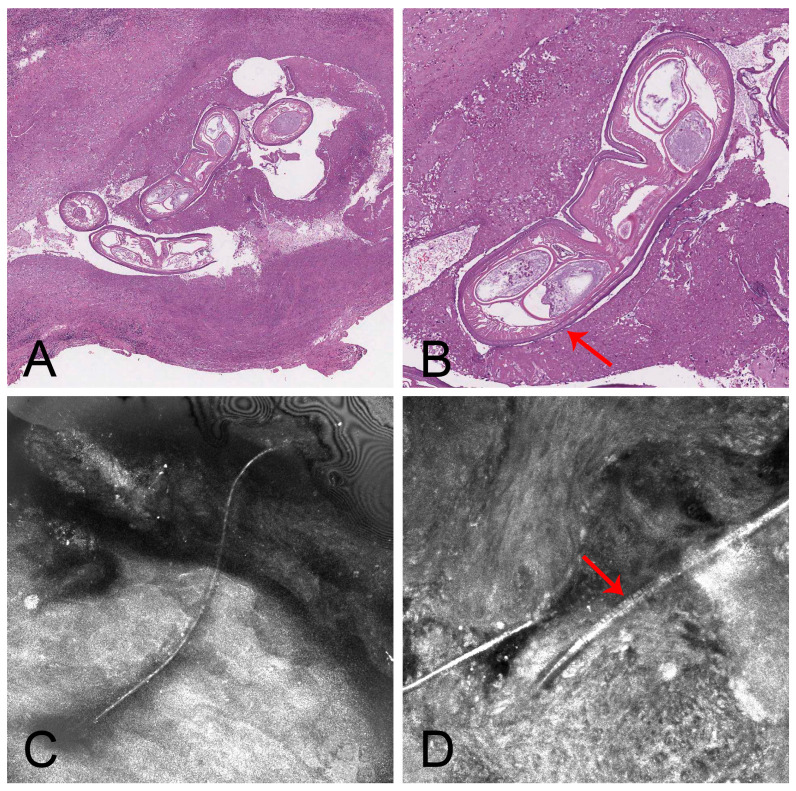 Figure 4
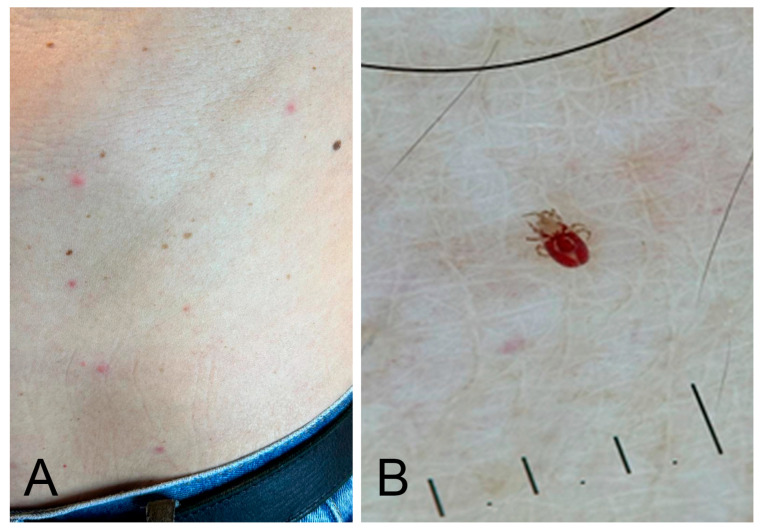 Figure 5
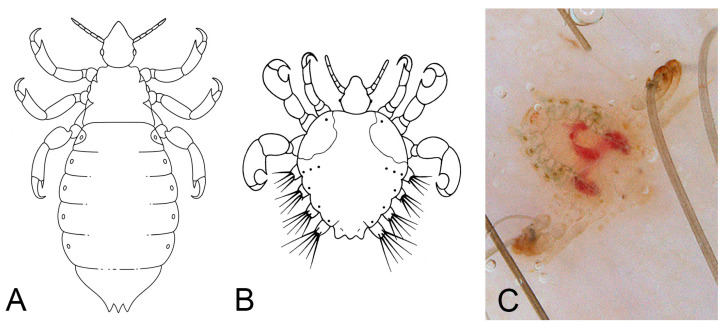 Figure 6
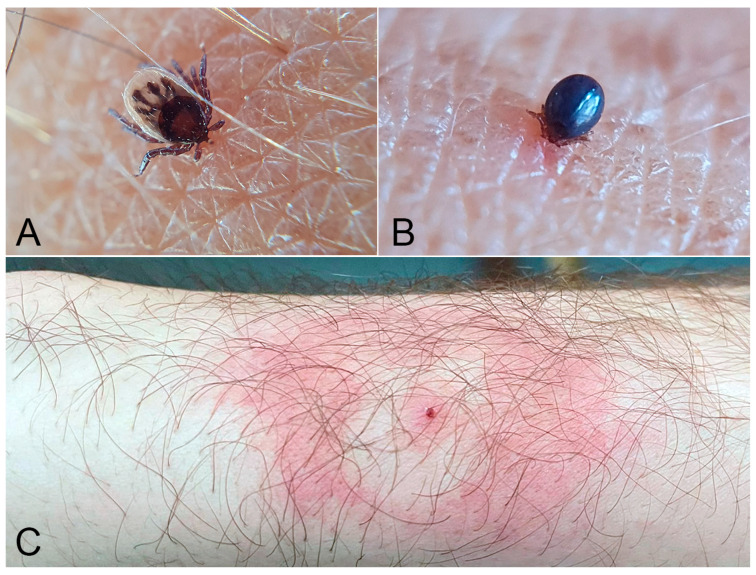 Figure 7
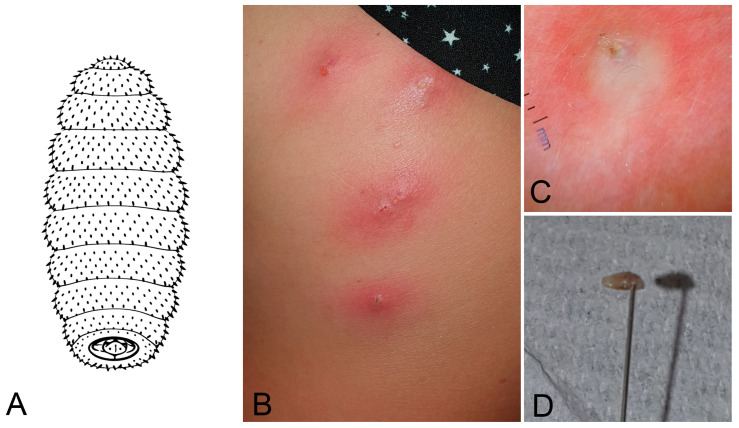 Figure 8
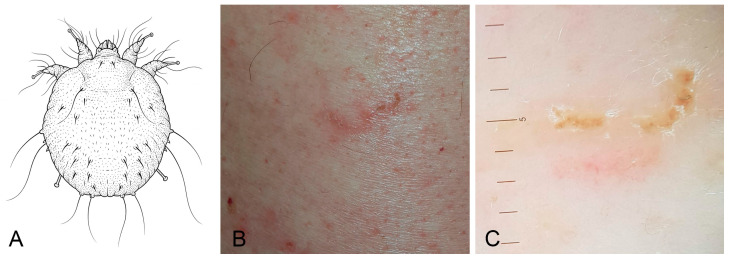 Figure 9
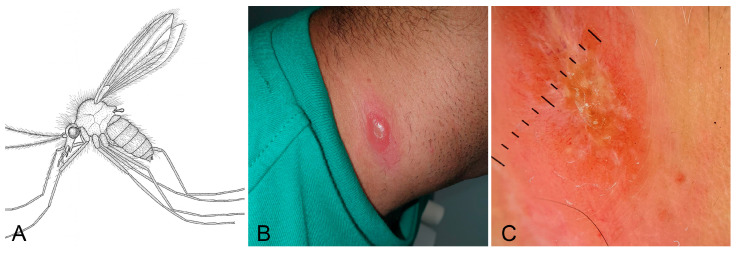 Figure 10
Peer Reviews
No public reviews on file for this paper yet. If you reviewed it on a platform where reviews are public (OpenReview, ICLR, NeurIPS, ICML), you can paste yours below so the community can read it here.
Videos
No videos yet. Explain this paper in a talk, walkthrough, or lecture? Add one.
Taxonomy
TopicsDermatological diseases and infestations · Nail Diseases and Treatments · Parasitic Diseases Research and Treatment