Zirconocene(III) in Organic Synthesis: Does the Ugly Duckling Become a Swan?
Jennifer Rosales, Rachid Chahboun, José Justicia

TL;DR
This review explores how zirconocene(III), once overlooked, is becoming a valuable tool in organic synthesis for forming carbon-carbon bonds.
Contribution
The paper highlights recent advances in zirconocene(III) chemistry and its emerging synthetic potential compared to titanocene(III).
Findings
Zirconocene(III) complexes are showing increasing utility in radical-based C-C bond formation.
Reactive zirconocene(III) species are being generated with significant impact on reactivity.
Zirconocene(III) is becoming a valuable complement to titanocene(III) in organic synthesis.
Abstract
The development of efficient C-C bond-forming reactions remains an important objective in organic chemistry. These reactions are fundamental tools for building complex molecules for diverse applications. Among the various strategies available, radical processes promoted by group IV metals—particularly Ti and its titanocene-type complexes—have shown remarkable versatility and utility in organic synthesis. However, closely related zirconium analogues have historically received less attention and have shown a more limited reactivity profile. Thus, zirconium and its zirconocene-type derivatives have often been regarded as the “ugly duckling” of group IV metal-promoted radical chemistry. Yet recent advances indicate that this “ugly duckling” is beginning to reveal its synthetic potential. In this review, we highlight the main synthetic applications of zirconocene(III) complexes and compare…
Genes, proteins, chemicals, diseases, species, mutations and cell lines named across the full text — each resolved to its canonical identifier and authoritative record.
Click any figure to enlarge with its caption.
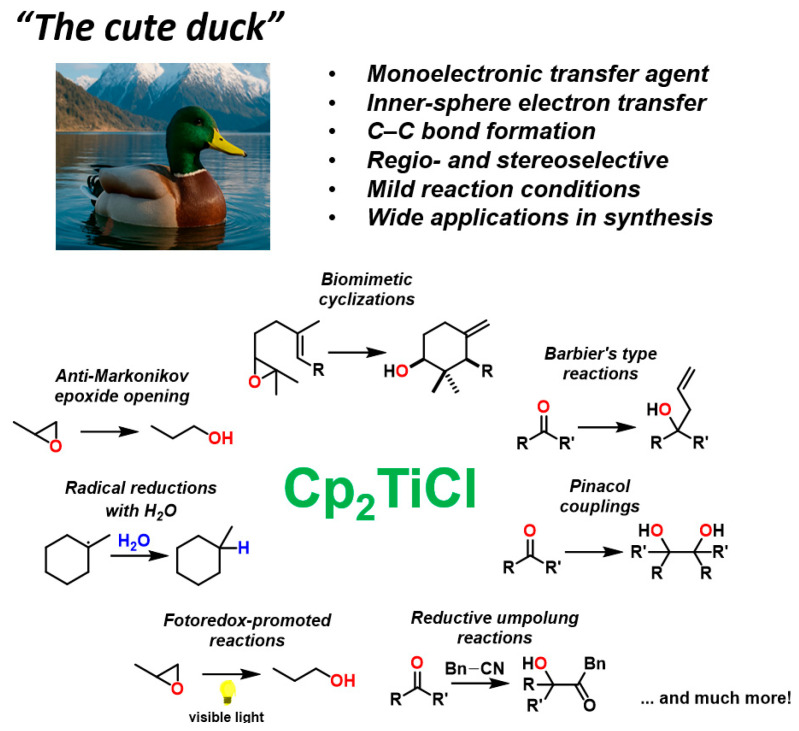 Figure 1
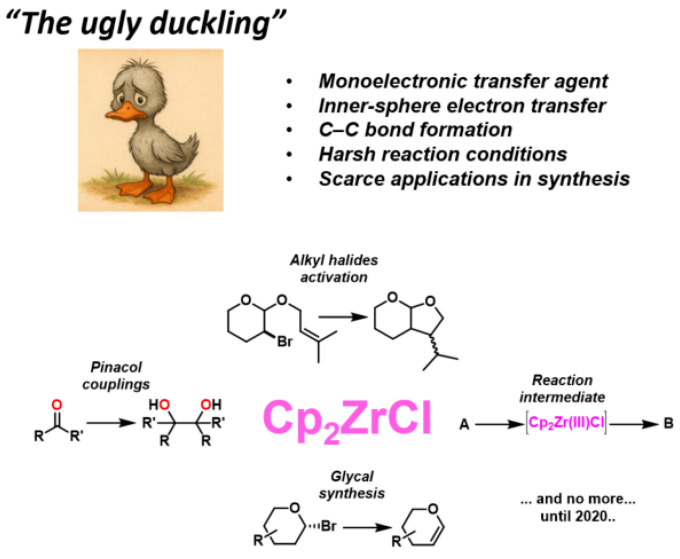 Figure 2
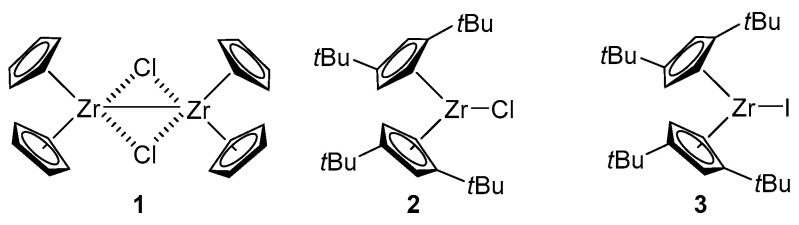 Figure 3
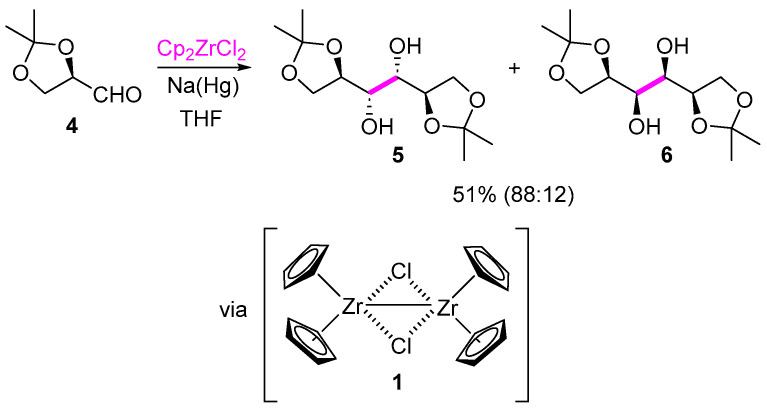 Figure 4
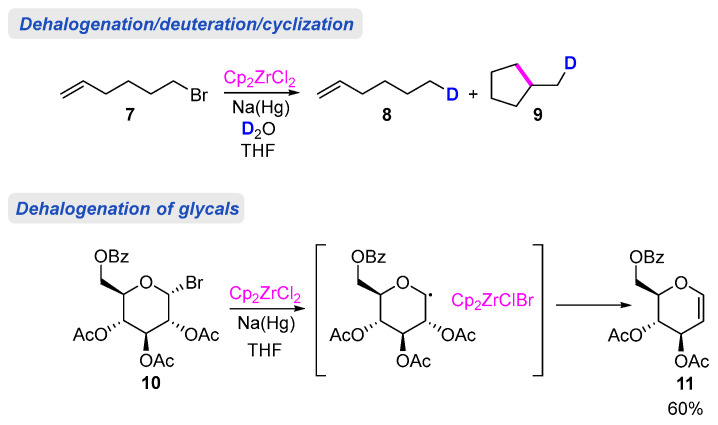 Figure 5
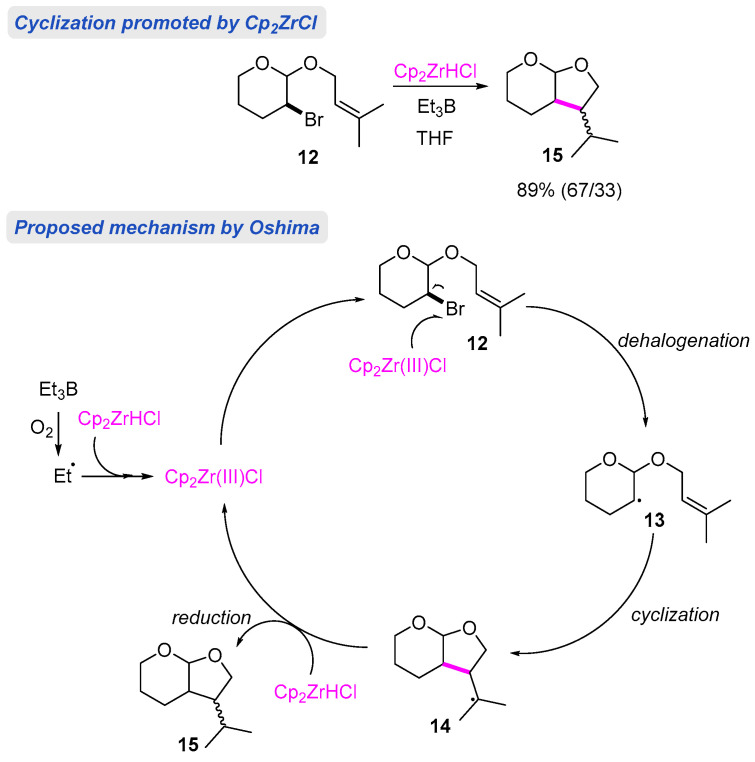 Figure 6
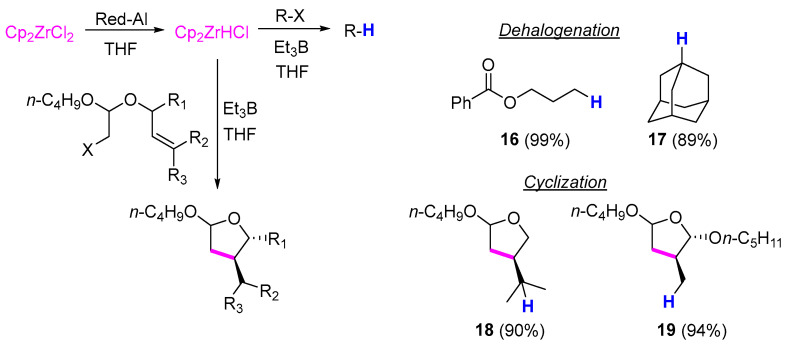 Figure 7
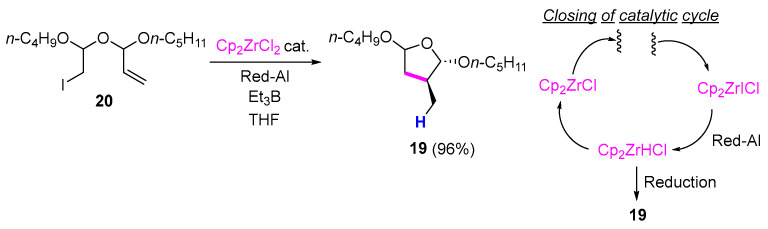 Figure 8
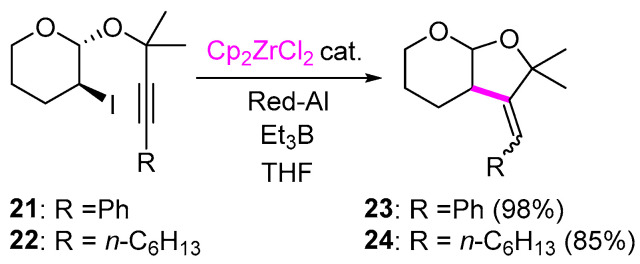 Figure 9
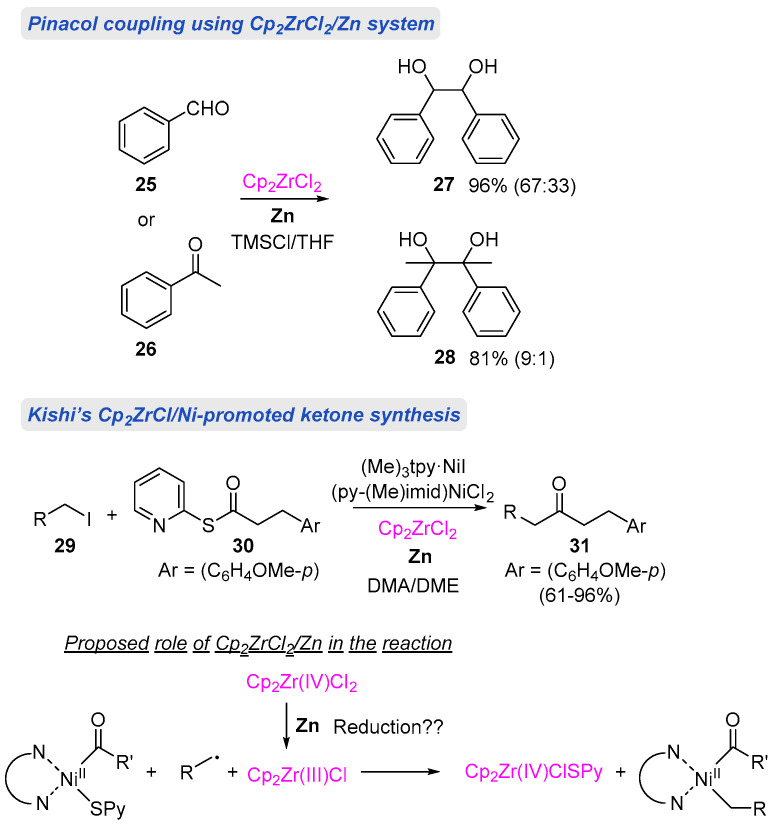 Figure 10
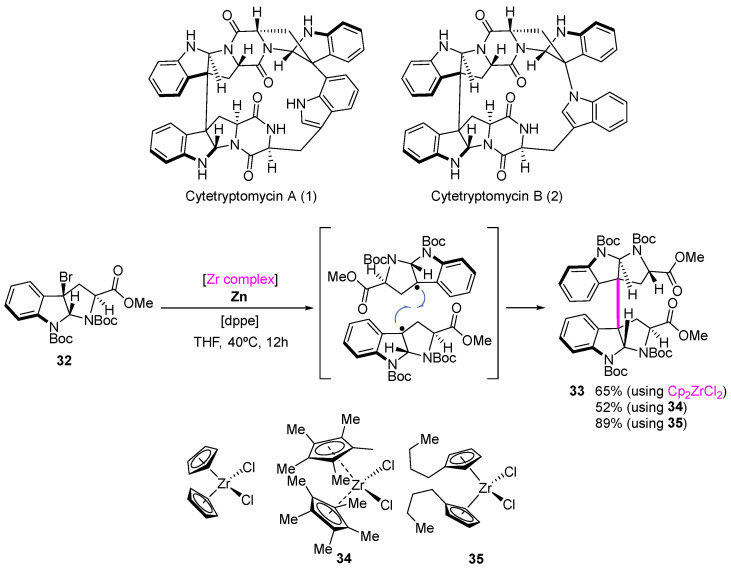 Figure 11
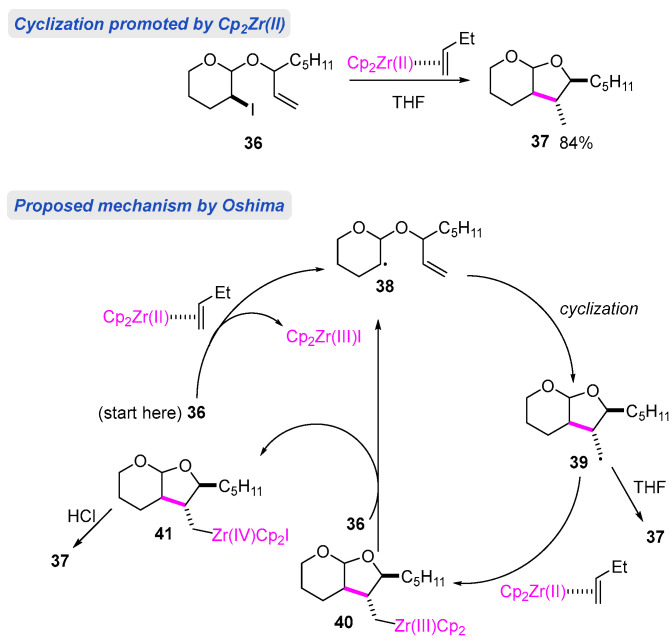 Figure 12
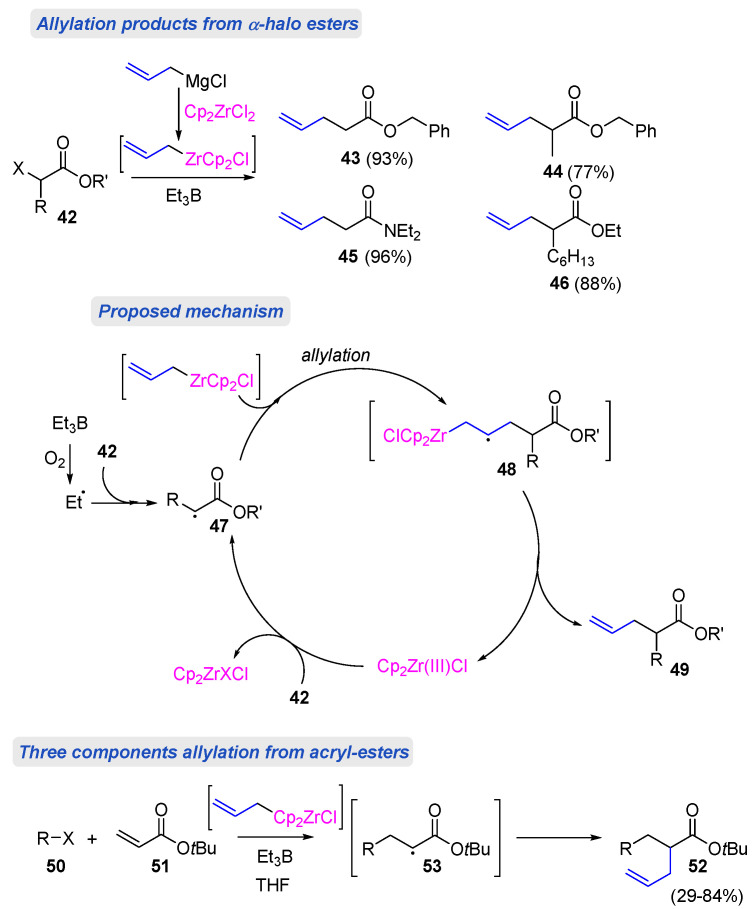 Figure 13
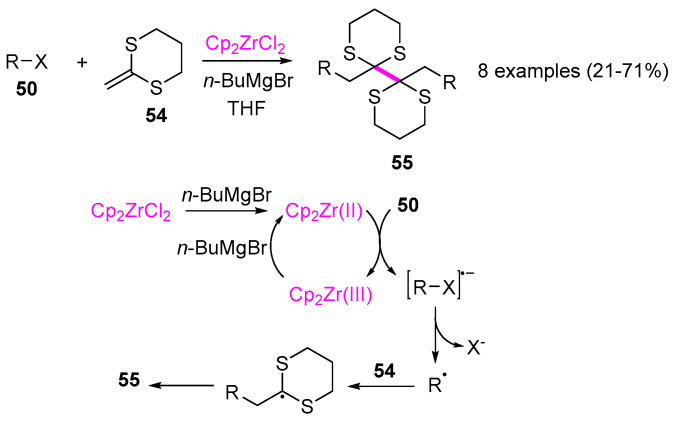 Figure 14
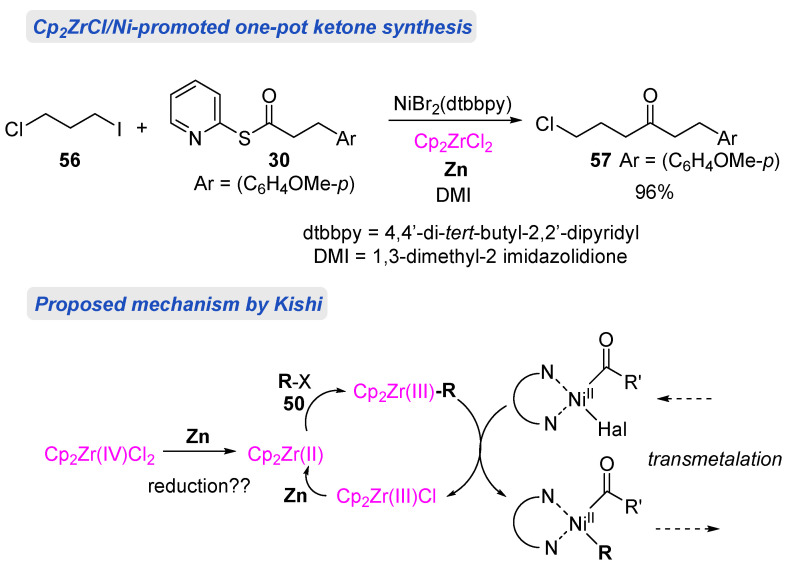 Figure 15
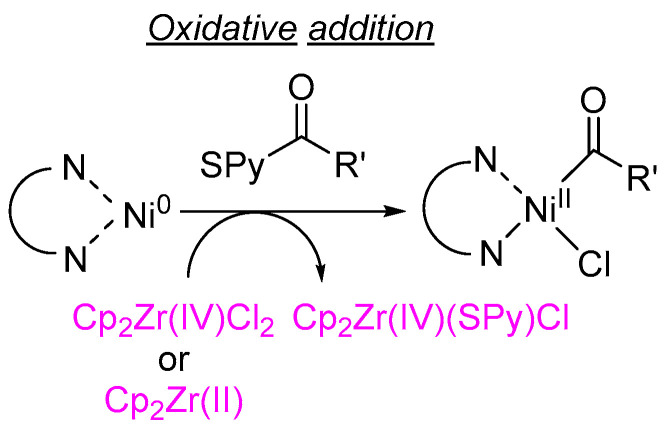 Figure 16
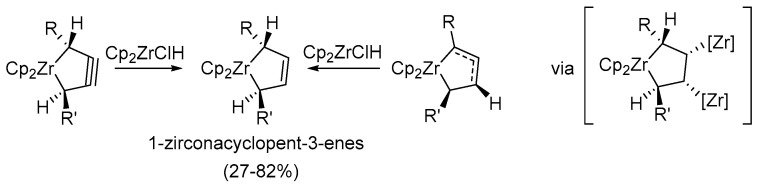 Figure 17
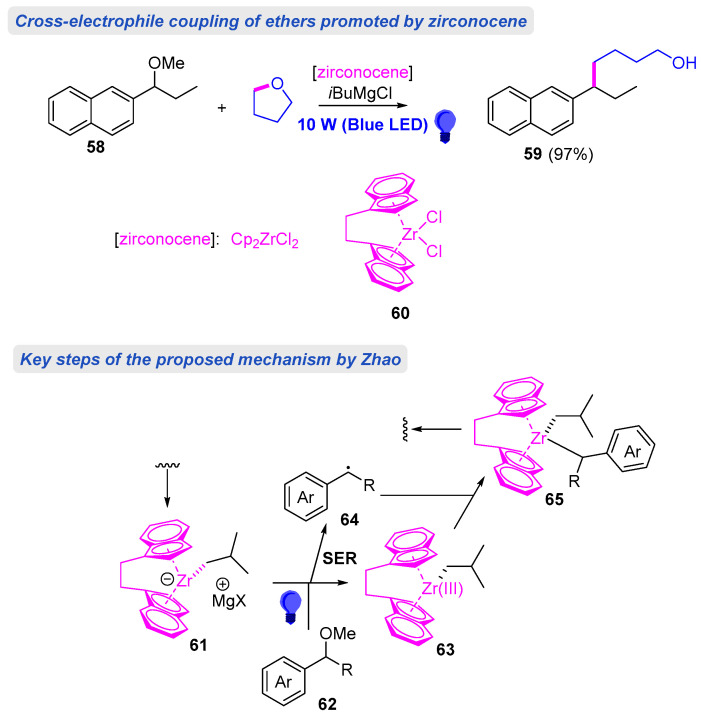 Figure 18
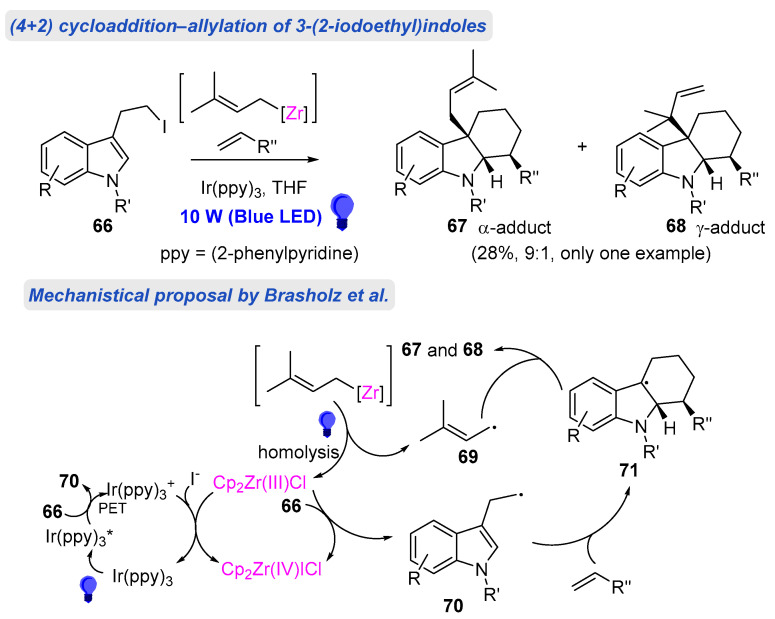 Figure 19
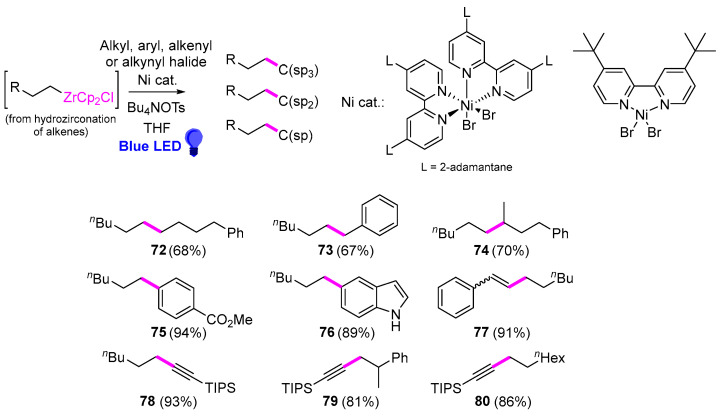 Figure 20
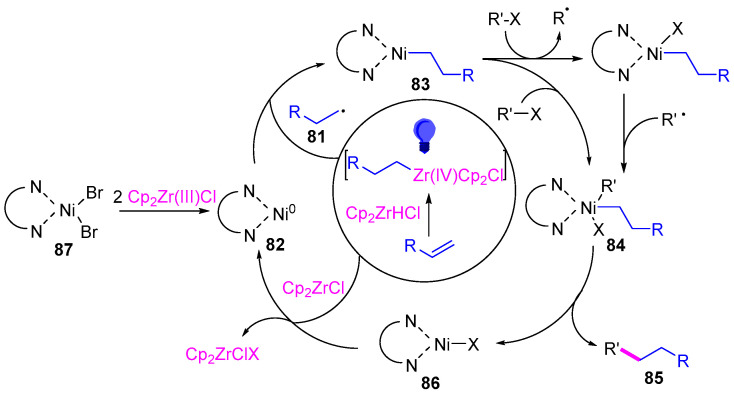 Figure 21
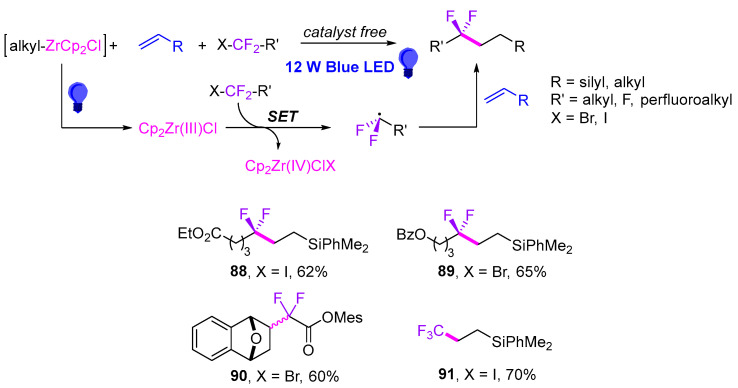 Figure 22
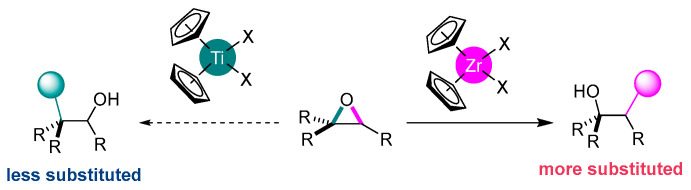 Figure 23
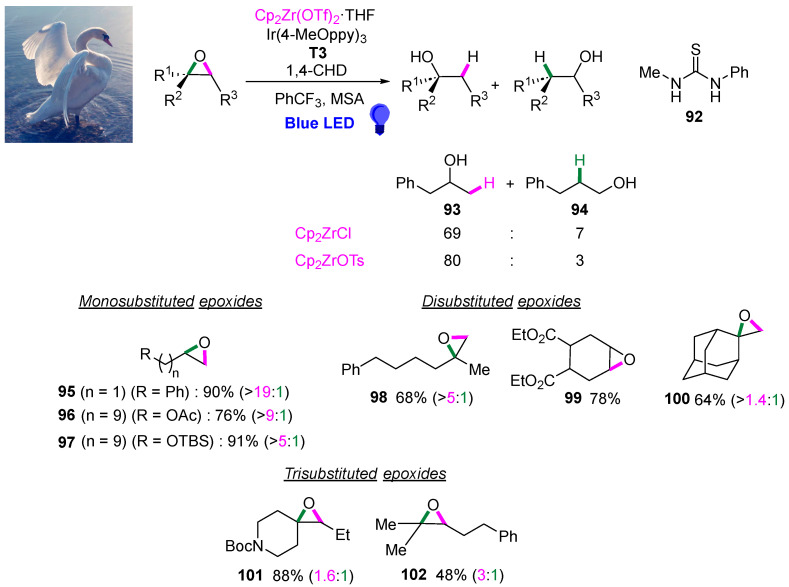 Figure 24
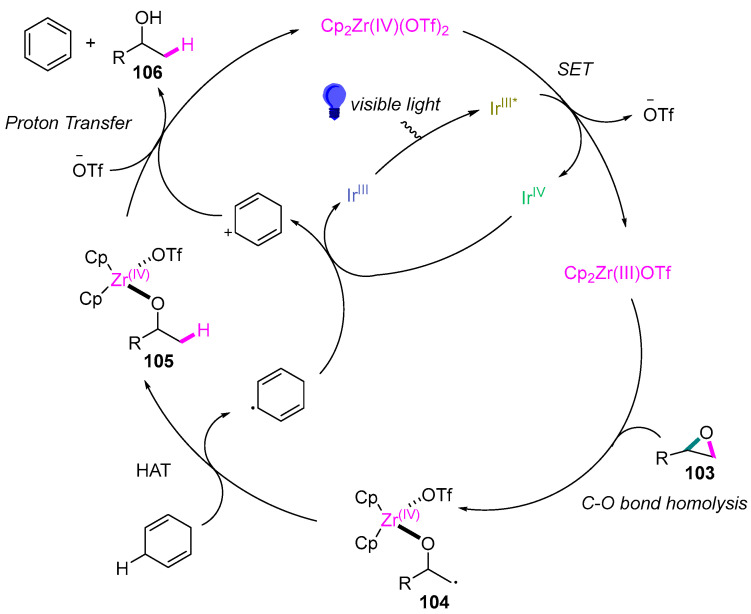 Figure 25
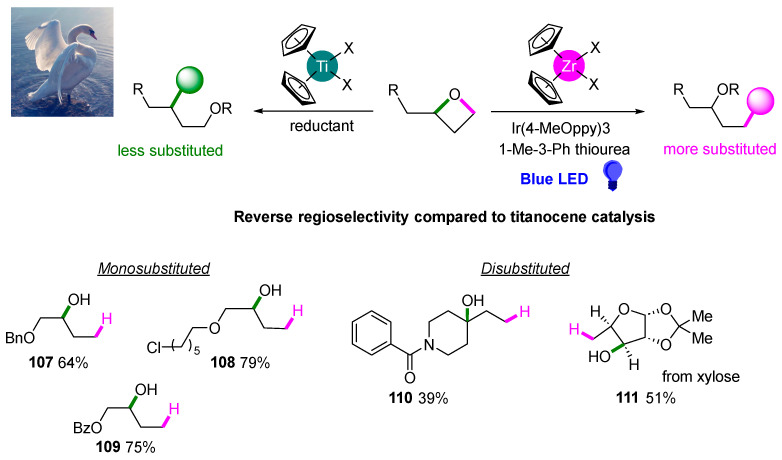 Figure 26
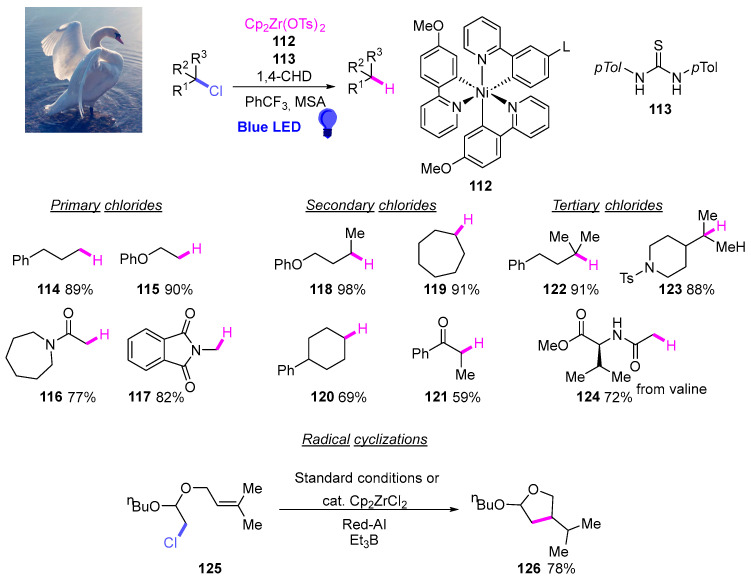 Figure 27
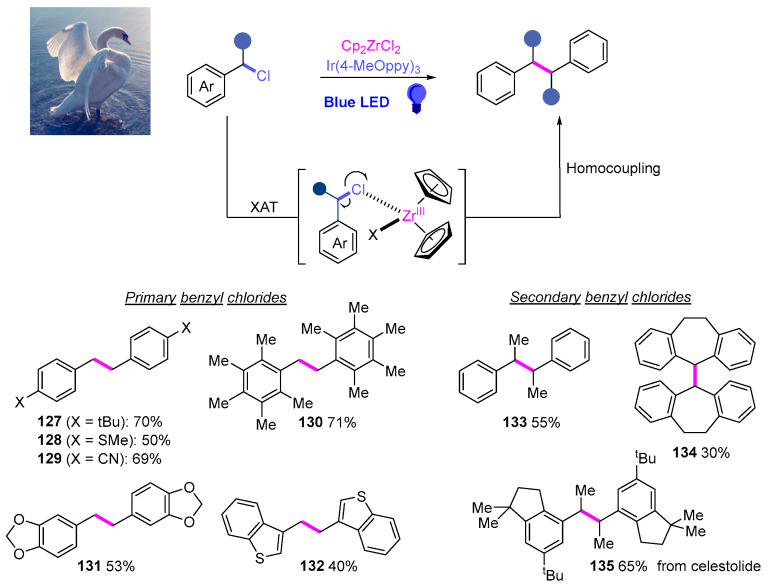 Figure 28
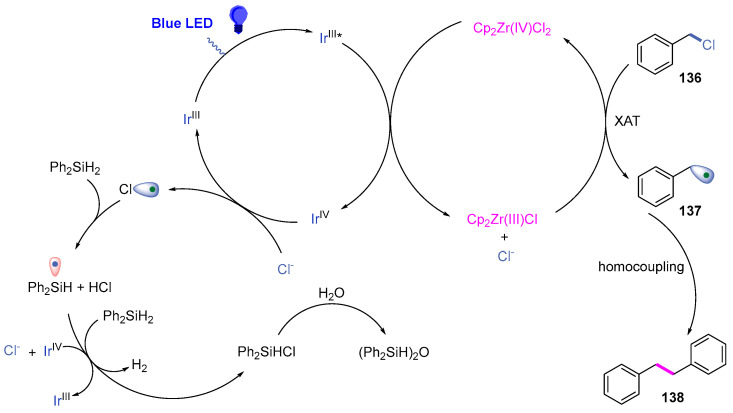 Figure 29
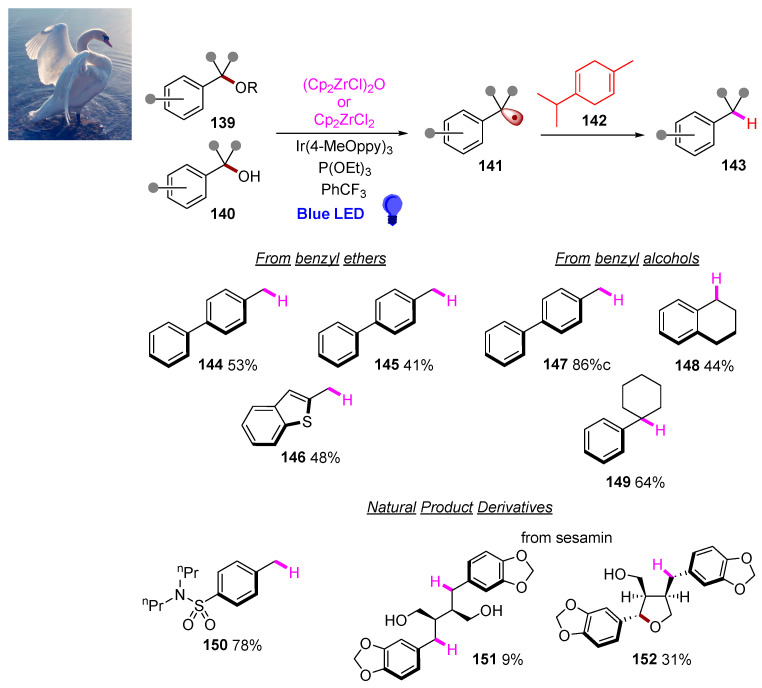 Figure 30
Peer Reviews
No public reviews on file for this paper yet. If you reviewed it on a platform where reviews are public (OpenReview, ICLR, NeurIPS, ICML), you can paste yours below so the community can read it here.
Videos
No videos yet. Explain this paper in a talk, walkthrough, or lecture? Add one.
Taxonomy
TopicsRadical Photochemical Reactions · Catalytic C–H Functionalization Methods · Organometallic Complex Synthesis and Catalysis