Mechanical Insights into the Distinct Effects of Ovariectomy Versus Adrenalectomy on Age-Related Thymic Atrophy in Female Mice
Junan Chen, Xudong Zhou, Ling Wei, Zixuan Tian, Haozhe Zeng, Fei Yan, Junhua Zhou, Xianyin Zeng, Fengyan Meng, Xiaohan Cao, Haozhou Li, Xingfa Han

TL;DR
This study compares how removing ovaries or adrenal glands affects thymic aging in female mice, finding that estrogen plays a key role in thymic atrophy and autoimmune risk.
Contribution
The study reveals that estrogens, not glucocorticoids, are the main regulators of age-related thymic atrophy in females, with new insights into Pparg and Cdk1 mechanisms.
Findings
Ovariectomy ameliorates age-related thymic atrophy by increasing thymus mass and cortical cellularity.
Adrenalectomy accelerates thymic atrophy through increased fat deposition and disrupted cortico-medullary junctions.
Estrogen regulation via Pparg and Cdk1 pathways is central to thymic aging and autoimmune risk.
Abstract
Age-related thymic atrophy, a hallmark of immunosenescence linked to age-related diseases, involves gonadal and adrenal steroid hormones, but their distinct roles and mechanisms in this process remain unclear. Through biochemical, histological, and RNA-seq analyses, we comprehensively explored the mechanisms underpinning age-related thymic atrophy in response to ovariectomy (OVX) versus adrenalectomy (ADX) in female mice. Compared to the sham controls, OVX overtly ameliorated age-related thymic atrophy, as evidenced by increased thymus mass, a larger gross thymus area, and denser cortex cellularity. In contrast, ADX evidently accelerated age-related thymic atrophy, characterized by increased adipose infiltration and decreased cortex/medulla ratio, obscure cortico-medullary junctions, and sparser thymic cortical cells. Unexpectedly, combined OVX and ADX displayed a more pronounced effect…
Genes, proteins, chemicals, diseases, species, mutations and cell lines named across the full text — each resolved to its canonical identifier and authoritative record.
Click any figure to enlarge with its caption.
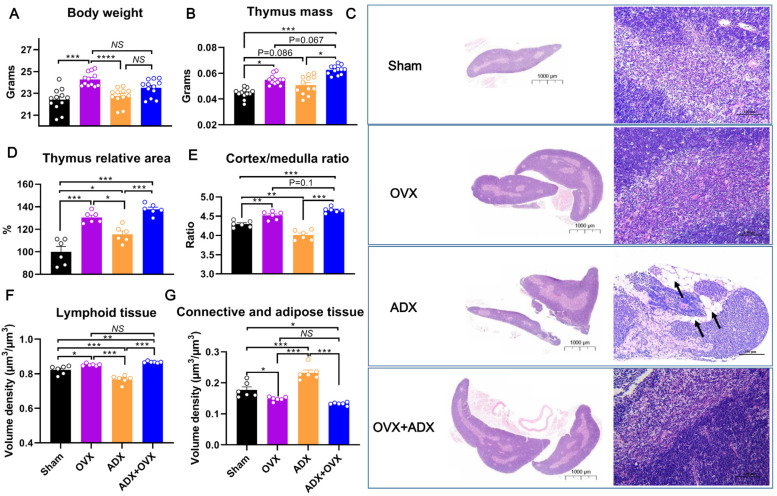 Figure 1
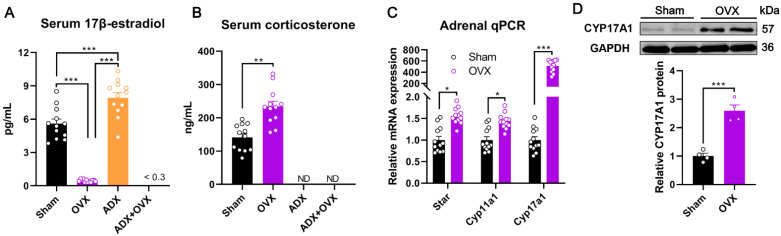 Figure 2
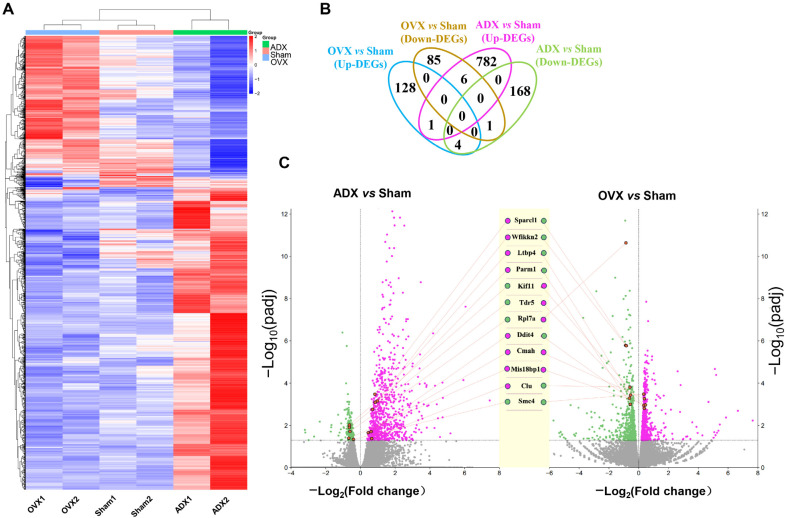 Figure 3
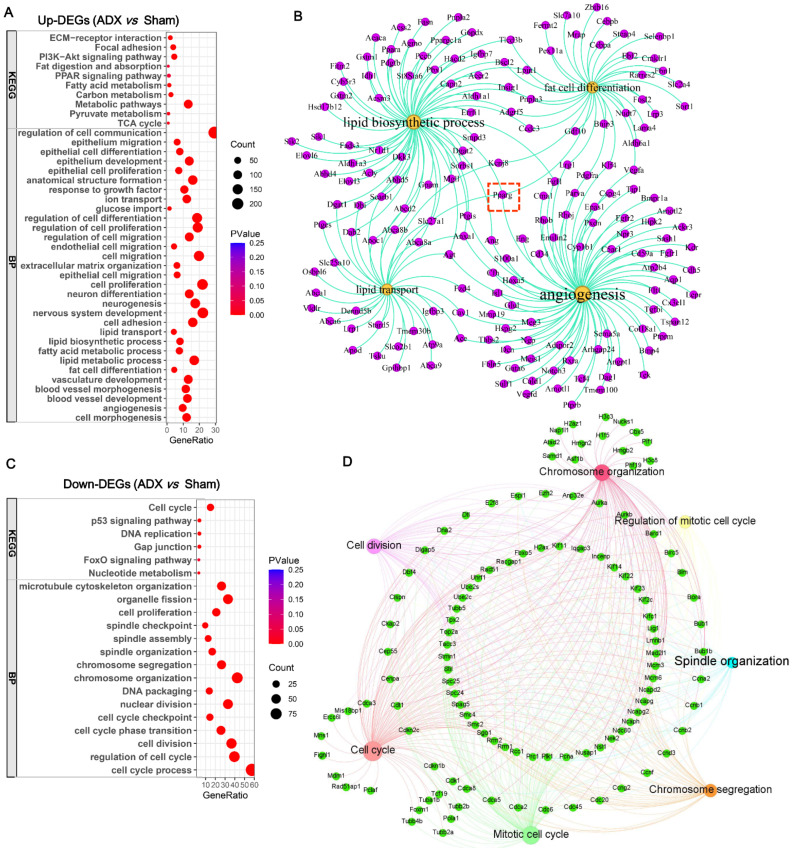 Figure 4
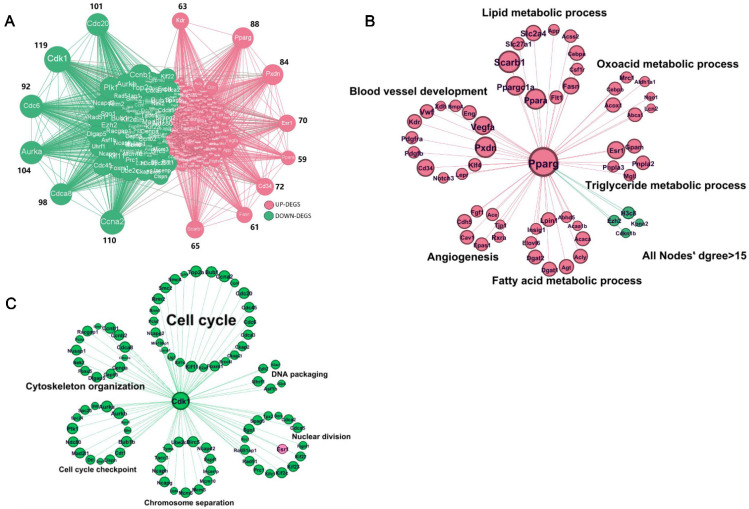 Figure 5
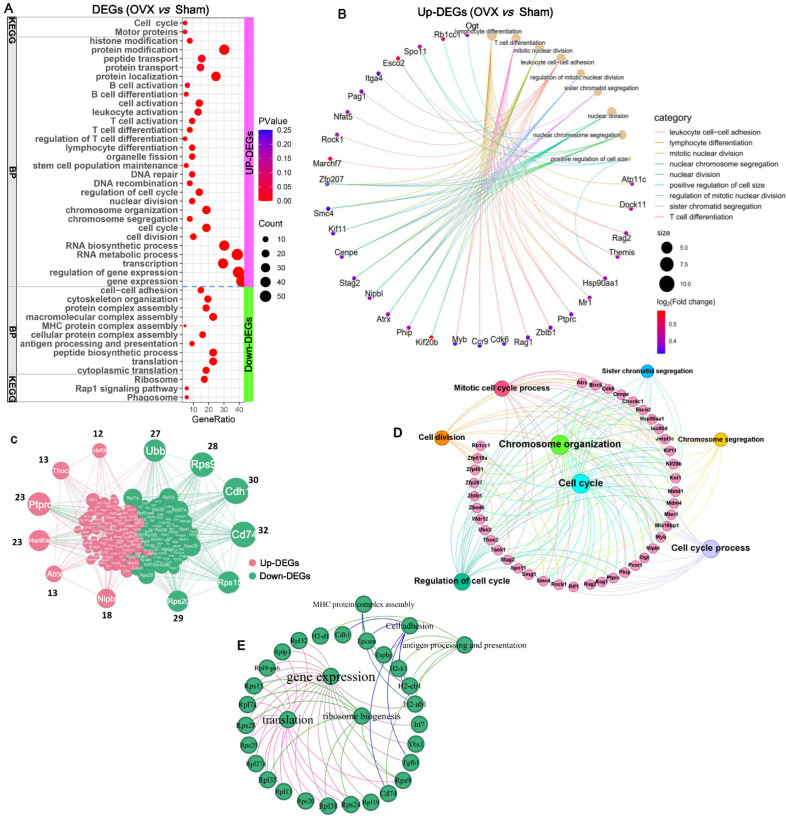 Figure 6
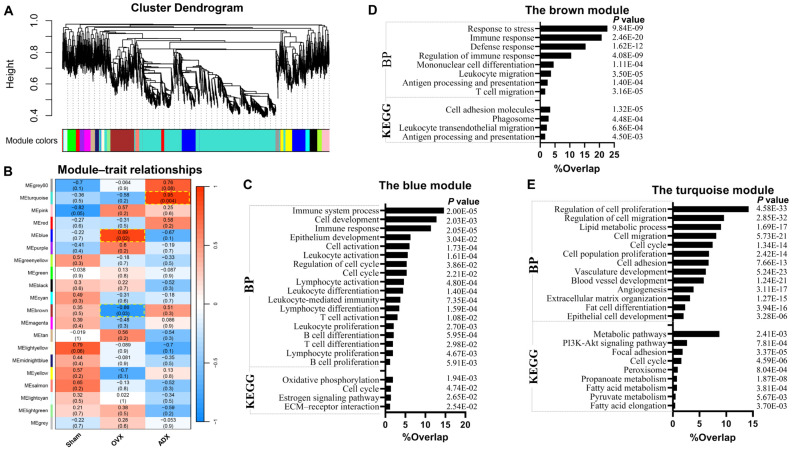 Figure 7
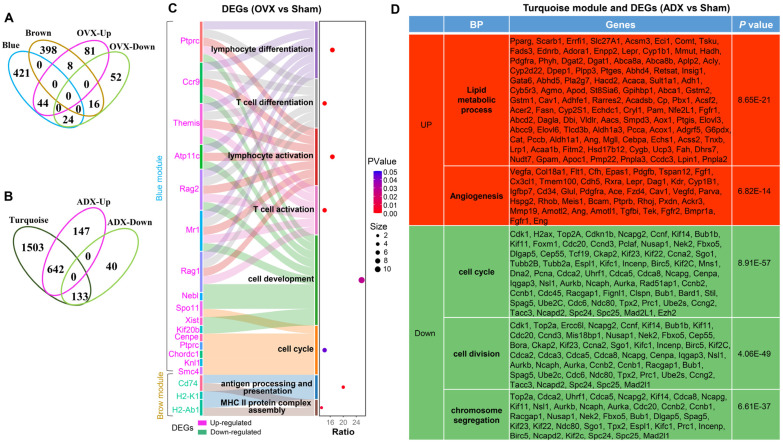 Figure 8
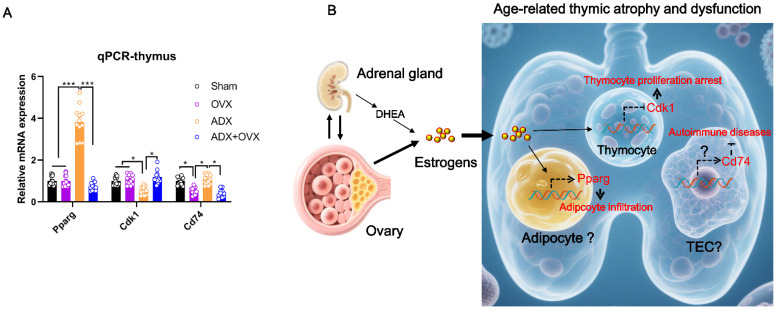 Figure 9
Peer Reviews
No public reviews on file for this paper yet. If you reviewed it on a platform where reviews are public (OpenReview, ICLR, NeurIPS, ICML), you can paste yours below so the community can read it here.
Videos
No videos yet. Explain this paper in a talk, walkthrough, or lecture? Add one.
Taxonomy
TopicsMyasthenia Gravis and Thymoma · Dermatology and Skin Diseases · Stress Responses and Cortisol